
Who Buys the Bride Dress? Exploring the Traditions and Trends
When planning your wedding, one important question often arises: who buys the wedding dress? Traditionally, the bride’s family pays for this special attire, but modern times have brought new customs and personal choices into play. Many couples today are taking on the financial responsibilities together, allowing for a more personalized and shared planning experience.
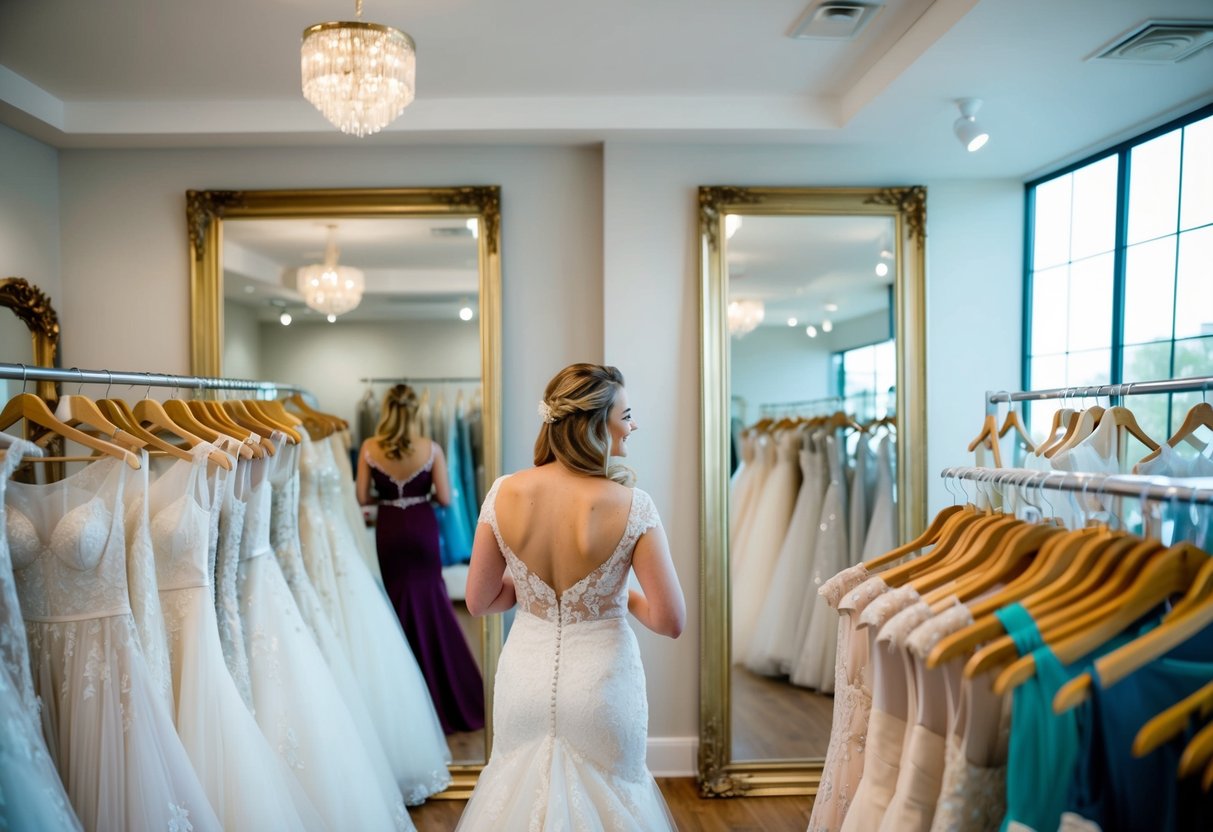
As you navigate through your wedding preparations, consider your own preferences and circumstances. It’s becoming more common for the bride to fund her dress, drawing from her budget or savings. The decision ultimately depends on what feels right for you and your partner, so discussing how to manage costs can make the process smoother.
Understanding these dynamics can help you approach this part of wedding planning with clarity and confidence. Whether it’s sticking to tradition or embracing a more modern approach, knowing who pays for the wedding dress is just one of the many choices you have to make along your wedding journey.
Who Traditionally Buys the Bride’s Wedding Dress?
Traditionally, the bride’s family often buys her wedding dress. This practice stems from cultural norms regarding financial contributions. However, modern views on wedding expenses have begun to shift, giving couples more flexibility in their choices.
Family Tradition and Financial Contributions
In many families, the bride’s parents typically cover the cost of the wedding dress. This tradition highlights the belief that the bride’s family is responsible for various wedding expenses. It includes the dress, accessories, and other related costs.
This expectation can be both emotional and financial. Families often see it as a way to contribute to an important milestone in the bride’s life. In some cases, this tradition allows the bride to choose a dress her family can support financially.
Modern Shifts in Wedding Expenses
Modern brides often approach the purchase of their wedding dress differently. Many couples are now sharing expenses, leading to a broader interpretation of financial contributions. This shift emphasizes personal choice over strict adherence to tradition.
Some brides now buy their own dresses or even opt for less expensive options. This change reflects changing values among couples today. Couples decide what works best for them, regardless of tradition, creating a wedding experience that feels right for their personal journey.
Factors Influencing the Decision
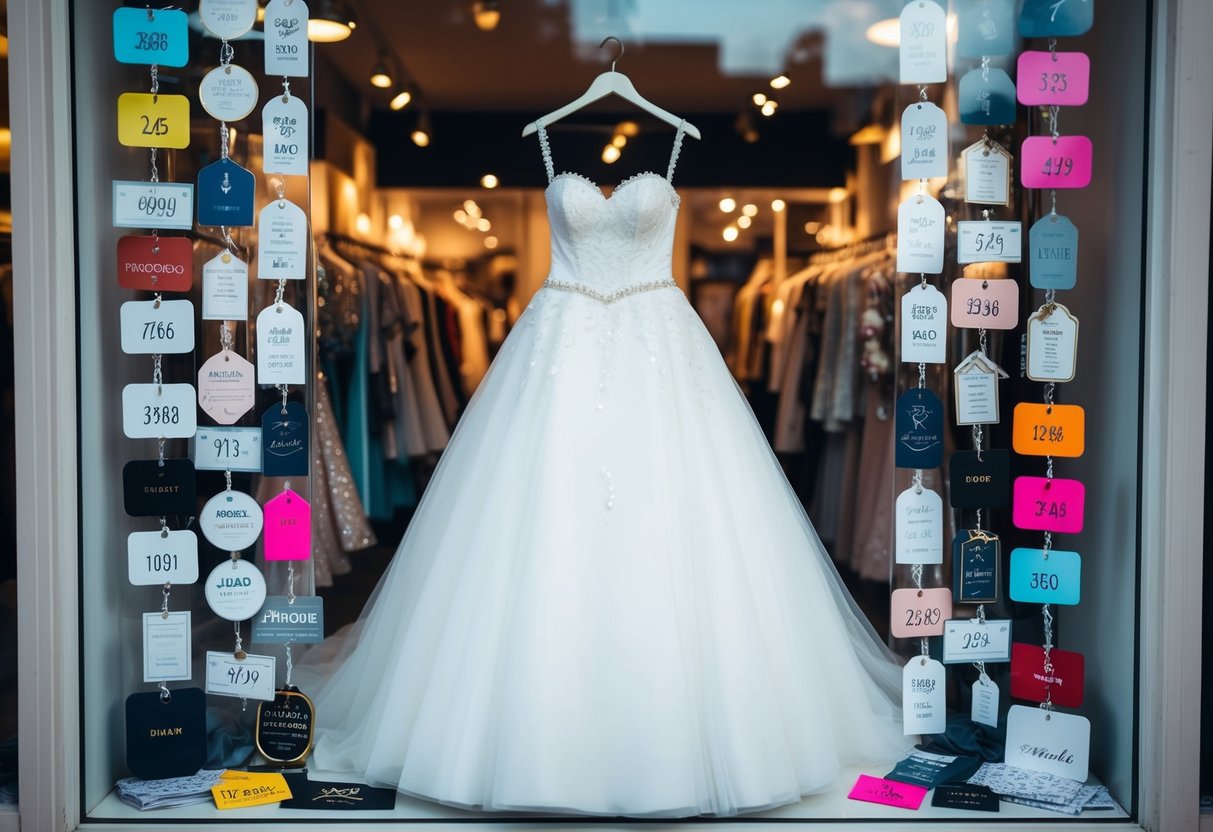
When deciding who buys the bride’s dress, several important factors come into play. Financial considerations, the shopping experience, and how the wedding budget is allocated can heavily influence this decision.
Financial Considerations
One of the first things to think about is the budget for the wedding. Wedding dresses can vary greatly in price, so setting a clear budget helps you determine what options are available.
It may also affect who you choose to involve in the purchase. If you have a limited budget, you might look for more affordable wedding dresses. Many brides share costs with their partners or families, which can lead to discussions about who pays for the dress.
Bridal Gown Shopping Experience
The gown shopping experience is another key factor. Many brides enjoy including their families or friends in this experience. You might find that your mother or close friends want to help you pick out the dress.
This can make the process more fun and memorable. However, it’s also important to ensure that your personal preferences shine through. You should feel comfortable voicing your choices while considering input from loved ones.
Wedding Budget Allocation
How you allocate your wedding budget plays a significant role in who buys the dress. If you have a tight budget for other wedding elements, you’ll need to decide where to splurge.
Some couples prioritize the dress and allocate a larger chunk of their overall budget toward it. Others might choose to spend on experiences like photography or venue instead. Being clear about your priorities helps you decide who takes on the responsibility for the dress.
Balancing Costs with Wedding Planning Elements
When planning your wedding, it’s important to think about all the costs involved, not just the wedding dress. Understanding how to balance these expenses will help you manage your budget more effectively.
Other Wedding Expenses to Consider
Aside from the wedding dress, several other expenses should be on your radar. These include wedding attire for the groom, bridesmaids, and groomsmen. Each outfit adds to your total cost, so plan accordingly.
Wedding cake is another major expense. Depending on the size and design, this can range from modest to quite extravagant. Make sure to include this in your budget.
Don’t forget about the rehearsal dinner and honeymoon. These can quickly add up and should be part of your financial planning. Lastly, budget for wedding party gifts to show appreciation for those helping you on your big day.
Collaborative Approach to Wedding Finances
One way to handle wedding costs is through a collaborative approach. Discussing finances with your partner can provide a clearer view of what you both can afford.
Consider splitting costs for different wedding aspects. For example, you might pay for the wedding dress, while your partner covers the venue. This teamwork can ease the financial burden.
Involving family members can also help. Many parents want to contribute, so don’t hesitate to ask for assistance with specific costs, like the wedding cake or decorations. A clear discussion will lead to less stress and a smoother planning experience.
Etiquette and Personal Choice
Etiquette, tradition, and your personal preferences can influence who buys your wedding gown. Many people expect the bride’s family to cover the dress cost. However, it’s important to consider what feels right for you.
You might opt for a collaborative approach if you and your family are close. This could mean sharing costs or picking out the gown together. Involving family can make the experience more meaningful.
Think about your personal choice, too. You might decide to buy your gown yourself or ask a friend to help. This can reflect your style and wishes for your special day.
Another option is starting a group effort. Friends or family members can contribute financially or offer their support during the dress shopping process. This makes it a shared memory, enhancing your celebration.
Remember, there are no hard rules. The goal should always be to make you feel beautiful and confident in your gown. Focus on what makes you happiest, whether that’s following tradition or creating new ones that suit your style.