
Who Buys the Bride’s Shoes? A Guide to Wedding Day Traditions
Planning a wedding involves many decisions, and one of those is who pays for the bride’s shoes. Traditionally, the bride’s family covers the cost of her shoes along with her wedding dress and other accessories. This is a way for families to contribute to the special day and show their support.

As you think about your own wedding expenses, it’s perfectly fine to communicate your preferences. If you’d like to buy your own shoes, letting your family know can help everyone stay comfortable with the arrangement. It’s your day, and making choices that reflect your style is important.
Whether you opt for something classic or modern, choosing the right shoes can be just as meaningful as finding the perfect dress. Embracing this part of the wedding planning process adds to the joy and excitement of your upcoming celebration.
Cultural Significance of Bridal Shoes
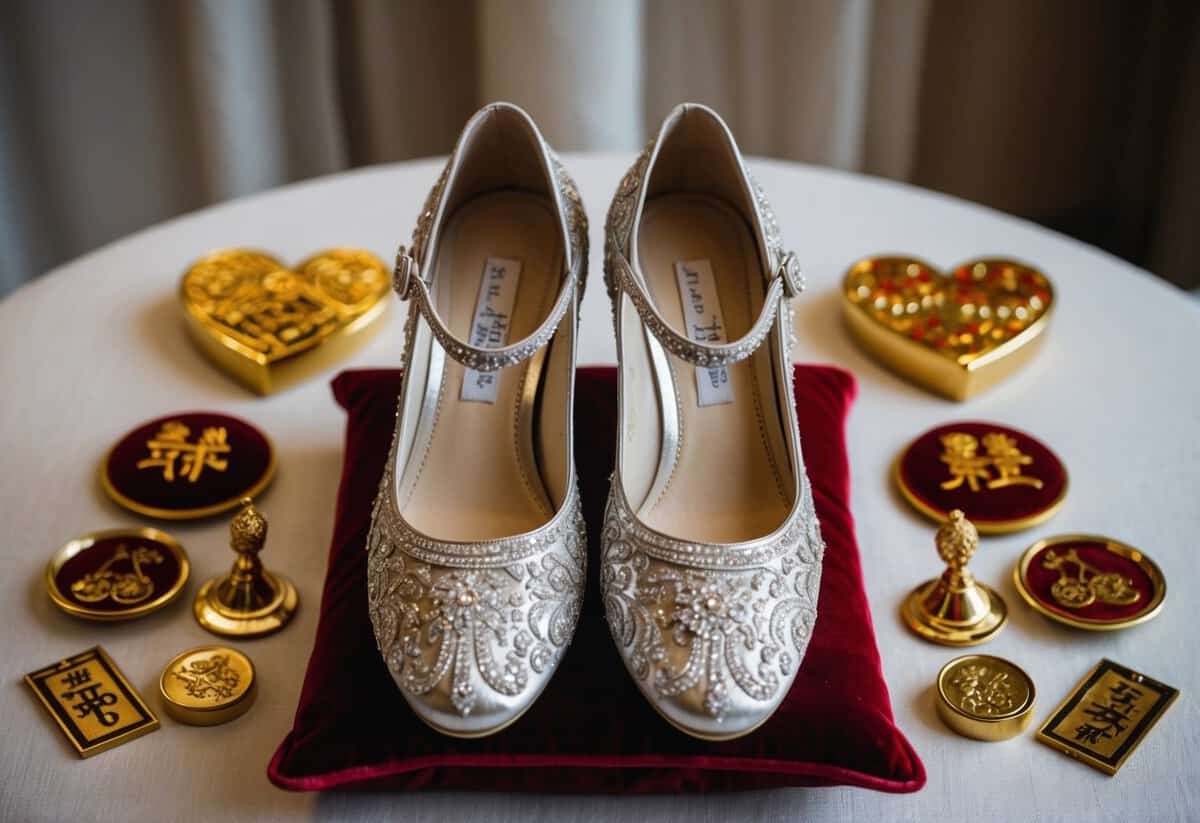
Bridal shoes carry deep meanings across cultures. Their significance often reflects traditions, beliefs, and practices connected to weddings around the world. Here are some notable traditions that highlight the importance of bridal shoes.
Wedding Shoe Traditions
In many cultures, the style and source of the bride’s shoes are significant. For example, in Greece, the groom surprises the bride with a pair of shoes, often hiding money inside them. This act symbolizes wealth and prosperity in their future together.
In contrast, in the United States, it’s common for the bride or her family to select her shoes. This choice reflects her personal style and the wedding’s overall theme, showcasing her individuality on her special day.
Silver Sixpence in Her Shoe Tradition
The Silver Sixpence is an old English tradition where a coin is placed inside the bride’s shoe. This ritual symbolizes wealth and good fortune in marriage. Traditionally, this coin is a gift from her father, representing his wishes for a prosperous future. This simple act not only connects the bride to her family’s wishes but also brings a personal touch to her wedding attire. You might even find different cultures adapting this idea, focusing on similar symbols of luck and prosperity.
Joota Chupai Ritual
Another fun tradition is the Joota Chupai, popular in Indian weddings. During this playful ritual, the bride’s sisters or female friends hide the groom’s shoes. The groom must then negotiate and bargain for their return, often with playful demands for sweet treats or gifts. This practice brings laughter and fun to the wedding festivities while reminding both families to unite in joy. It symbolizes the bond between the bride’s and groom’s families and adds a lighthearted spirit to the special day.
Understanding these cultural rituals enhances the wedding experience. Each custom surrounding bridal shoes ties together love, family, and cherished memories.
Financial Aspects of Wedding Attire
Planning for wedding attire includes various financial decisions. Understanding who pays for what helps manage expenses. Knowing how to budget for these costs can ease your wedding planning.
Who Foots the Bill?
Traditionally, the bride’s family covers the cost of her wedding attire, including the dress and shoes. This custom comes from a long-standing practice where the father of the bride plays a significant financial role.
However, this can vary. Some couples choose to split costs based on their financial situations. For example, you may pay for your dress while your partner’s family covers the suit.
Additionally, bridal party members often buy their own outfits. This can help reduce the overall expense for both families. Make sure to communicate early with everyone involved about who pays for what to prevent any misunderstandings.
Budgeting for the Big Day
Creating a budget for wedding attire is crucial. Start by listing all items you need: dress, shoes, accessories, and even alterations.
Next, set a realistic price range for each item. Research the average costs in your area for wedding attire. Websites like BridalGuide provide insights into traditional payments and current trends.
Consider options for saving money, like shopping sales or renting attire. You could compare prices at different stores to find the best deals.
Don’t forget to include costs for alterations. Adjustments to your dress may be necessary for the perfect fit. With clear budgeting, you can enjoy your wedding planning without stressing about finances.
Planning and Preparing for the Wedding
Planning your wedding day involves many important details. From working with a wedding planner to organizing transportation for guests, each element plays a role in making your special day smooth and enjoyable.
Role of the Wedding Planner
Choosing a wedding planner can be a game changer for your big day. They help you outline your vision and make it a reality. A planner keeps track of each detail, including budgeting, venue selection, and vendor coordination.
Your planner can also offer creative ideas to enhance your wedding. They know what works and what doesn’t. Plus, they can act as a liaison between you and the various vendors, reducing stress.
With their expertise, you save time and avoid common pitfalls. This gives you space to focus on what matters—celebrating with your loved ones.
Scheduling Hair and Makeup
Scheduling hair and makeup is crucial for looking your best. Start this process early to find the right professionals who align with your style. Look for artists who understand your vision and can handle your bridal party.
When planning, ensure you allocate enough time for each service. Typically, it can take 5-7 hours for the entire bridal party. Consider sharing a timeline with your team so everyone knows their appointment times.
You might also want to do a trial run before the big day. This lets you see how your hair and makeup look and feel. Don’t forget to factor in travel time to your venue to avoid any last-minute rush.
Transportation for Guests
Organizing transportation for your guests is often overlooked. However, it ensures everyone arrives on time and doesn’t stress about getting to the venue. Start by assessing how many guests will need transport.
You can hire shuttles, buses, or even arrange carpools. Be clear about pick-up and drop-off locations. Sharing clear instructions with your guests is essential. It helps them feel more comfortable and informed.
Also, schedule transportation for the bridal party. This ensures you arrive relaxed and ready for your special day. Always have a backup plan in case there are delays.
Organizing the Rehearsal Dinner
The rehearsal dinner is a wonderful time to gather your closest family and friends. This event takes place the night before the wedding.
Start planning early to secure a venue that fits your budget and guest count.
Choose a menu that caters to various dietary needs. It creates an inviting atmosphere for everyone. You can also use this time for speeches and sharing stories about the couple.
Sending out invitations for the dinner is just as important as those for the wedding. Make sure guests know where and when to arrive. This helps create special memories before the wedding day begins.