
Who Buys the Brides’ Wedding Ring? A Guide to Traditional and Modern Practices
When it comes to wedding traditions, many people wonder about the details of who buys the bride’s wedding ring. Traditionally, the groom is responsible for purchasing the bride’s wedding band. He often gives it as a meaningful gift that symbolizes love and commitment. This tradition reflects the ways couples and families have navigated wedding expenses over time.
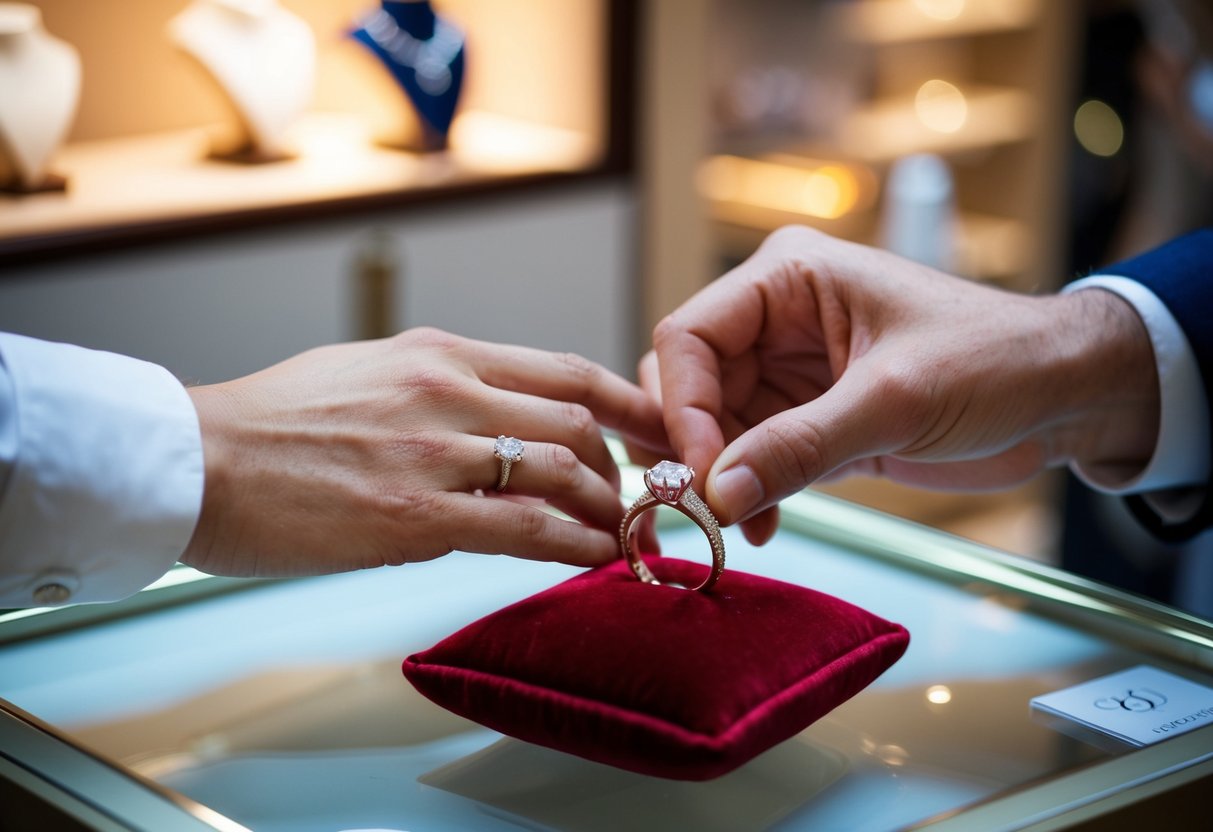
While the traditional approach is still common, more couples are taking a different path today. Many choose to share the responsibility or even pick out their rings together. This allows for a more personalized touch, ensuring that the rings truly represent your unique relationship.
Understanding who buys the wedding ring can help you make informed decisions as you prepare for your big day. As you explore your options, think about what feels right for you and your partner, keeping both tradition and modern preferences in mind.
Understanding Wedding Ring Purchases

When it comes to who buys the bride’s wedding ring, various cultural and traditional practices come into play. These practices have evolved, reflecting changing gender roles and personal preferences.
Cultural and Traditional Practices
Traditionally, the groom was often responsible for purchasing both the engagement ring and the wedding bands. This custom symbolizes commitment and love. In some cultures, the bride may also contribute or choose her ring, marking a shift toward shared responsibility.
Today, more couples are adopting a modern approach. Many brides now buy their own wedding bands or choose them together with their partner. This shift allows for more personal style and reflects changing views on gender roles. You may find that traditions vary widely, from one culture to another, affecting who plays a role in buying wedding rings.
Ring Selection and Personal Preferences
Choosing the right wedding ring involves considering various factors, including metal type, design, and personal style.
Common choices for metal include platinum, gold, and silver, each offering different properties and aesthetics. When it comes to gemstones, options like diamonds and colored stones can add personal flair. Some brides opt for matching gemstone bands that complement their engagement rings.
It’s essential to select a ring that resonates with your taste and lifestyle. Whether you prefer a classic look or a more unique design, ensure the ring reflects your personality and your relationship.
Financial Aspects and Considerations
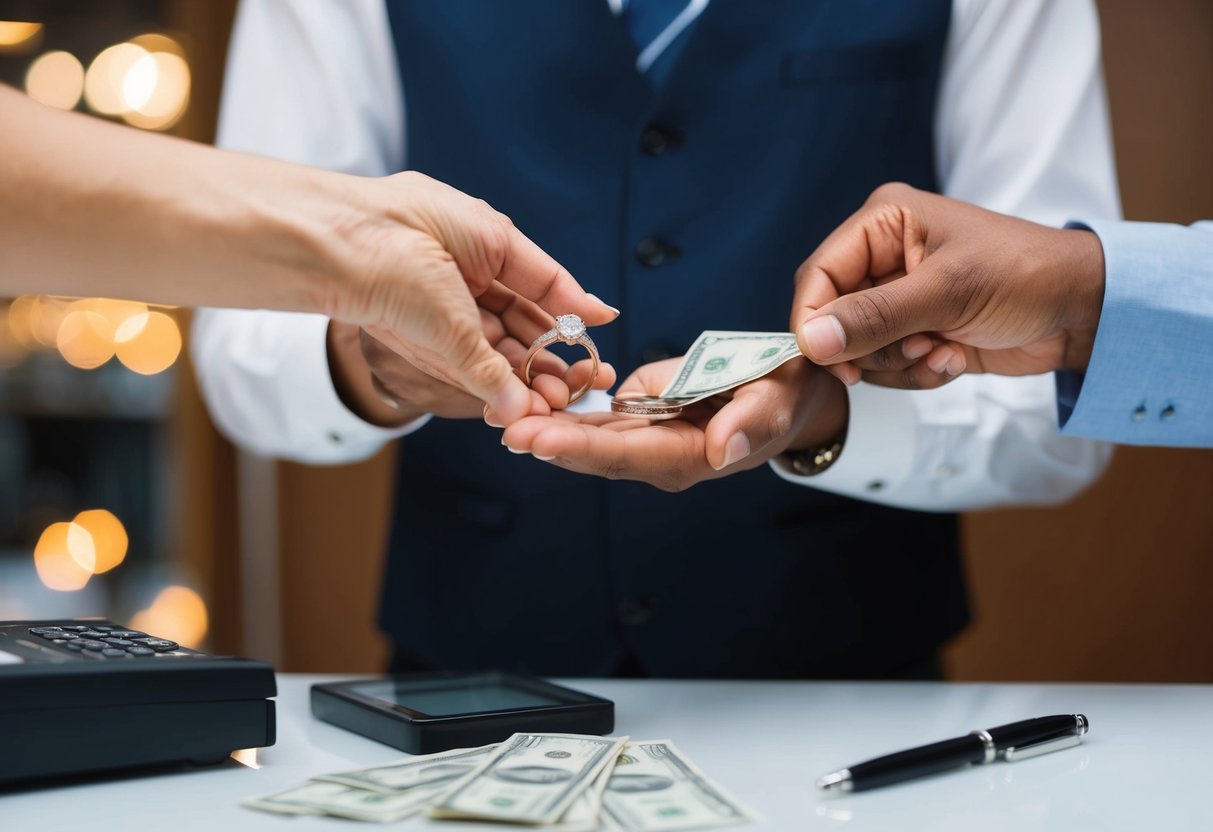
When planning for wedding rings, you need to tackle budgeting and decide who will pay. These choices can influence not only your finances but also how you feel about your rings and the wedding itself.
Budgeting for Wedding Rings
Before buying any rings, it is crucial to establish a wedding budget. Wedding expenses add up quickly, so setting a limit can help keep costs manageable.
You should consider the average costs of engagement rings and wedding bands. Prices can vary widely based on quality, design, and material. For example, an engagement ring might range from $1,000 to $5,000 or more. Men’s wedding bands are often less expensive but can still cost between $300 to $2,000.
Here are some key steps for budgeting:
- Research Prices: Look online or visit stores to see what appeals to you.
- Joint Investment: If you both contribute, it can ease the financial burden.
- Consider Financing: Look at payment plans if you need to spread costs over time.
Determining Who Pays
Who buys the rings can vary based on culture and personal choice. Some couples choose to split costs, while others prefer specific arrangements.
Traditionally, the groom buys the engagement ring, which can set the stage for who pays for the wedding bands. In many cases, the bride’s family may opt to cover the groom’s band as a gift.
Consider these common options:
- Split the Cost: This is popular among modern couples.
- Paying Your Own Way: Each partner buys their ring separately.
- Family Contributions: Sometimes, parents chip in for one or both rings.
Open communication about your financial situations will help make a smooth decision.
The Symbolic Significance of Wedding Rings

Wedding rings carry deep meanings that go beyond their physical appearance. They represent the eternal bond and love commitment between partners. Each ring is unique, often engraved with personal messages, which adds to their significance. Understanding their symbolism can enhance your appreciation for this important tradition.
Eternal Bond and Love Commitment
The wedding ring symbolizes your eternal bond, representing vows taken during the ceremony. Wearing this ring is a daily reminder of the love and commitment you share. Many couples choose eternity bands, which feature a continuous line of stones, to signify that their love has no end.
The ring size is also important. A properly fitting ring ensures comfort and serves as a constant reminder of your promises. Some people like to engrave their rings with initials or meaningful dates. This personal touch makes the ring even more special, connecting you to your partner in a unique way.
Wearing and Displaying the Rings
Knowing how to wear a wedding ring set properly can enhance its symbolism. Traditionally, you should put the wedding band on the fourth finger of your left hand, followed by the engagement ring. This practice reinforces your commitment while showcasing the love you share.
When you display your rings, they become visible symbols of your relationship. Many couples enjoy sharing their stories about the rings and the significance behind them. This exchange of rings during the ceremony marks a defining moment, solidifying your promises and the journey you will take together.