
Who Buys the Man an Engagement Ring? A Guide to Modern Gender Roles in Proposals
Many people are curious about who is responsible for buying the man’s ring when it comes to engagement rings. Traditionally, the groom purchased both the bride’s engagement ring and his own. However, modern practices can vary widely based on personal preferences and a couple’s values. Understanding these traditions can help you navigate your own engagement with ease.
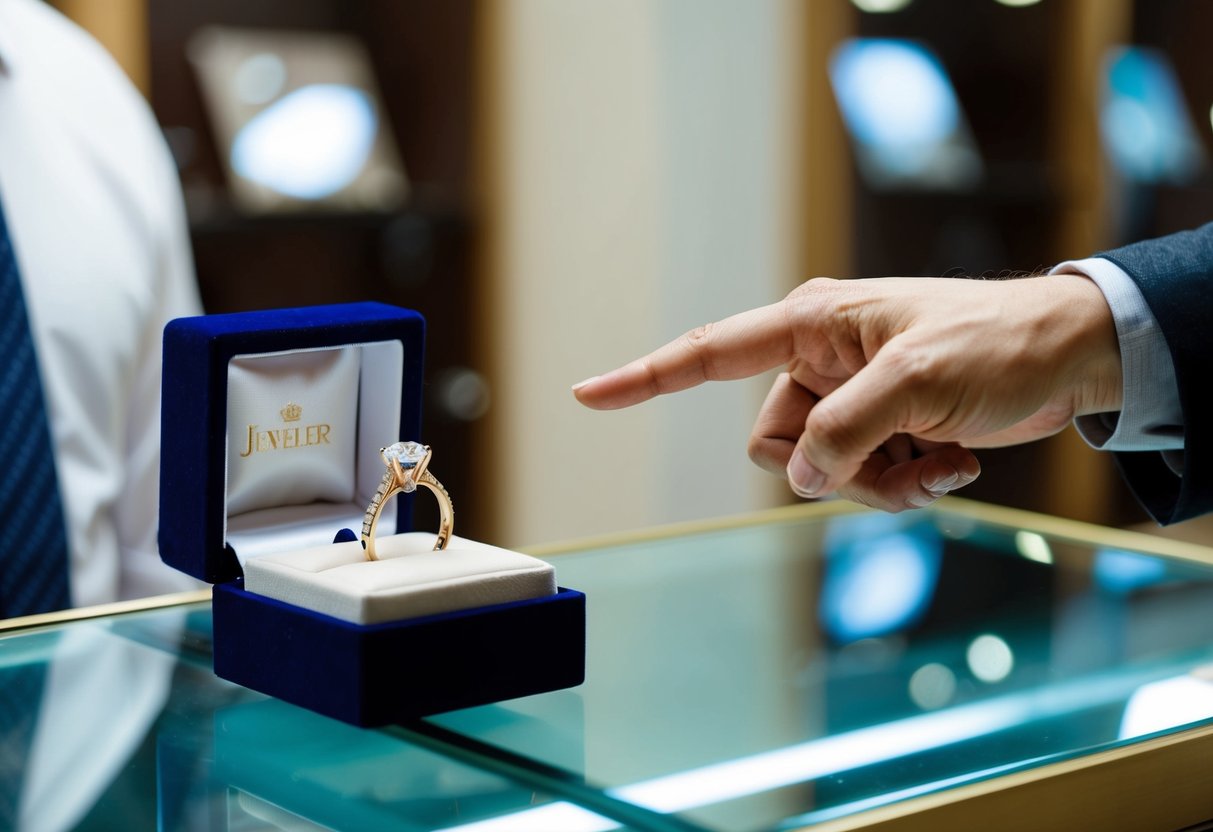
Engagement ring traditions have evolved over time. While the classic scenario often sees the man buying the ring for the proposal, some couples choose to buy rings for each other as a shared commitment to their future together. This approach emphasizes equality and mutual love in the relationship.
If you’re wondering what might work best for you and your partner, consider discussing your views on commitment and tradition. There’s no one right way to do it, and ensuring that both of you feel comfortable with your decision is what truly matters.
Historical Context and Traditions
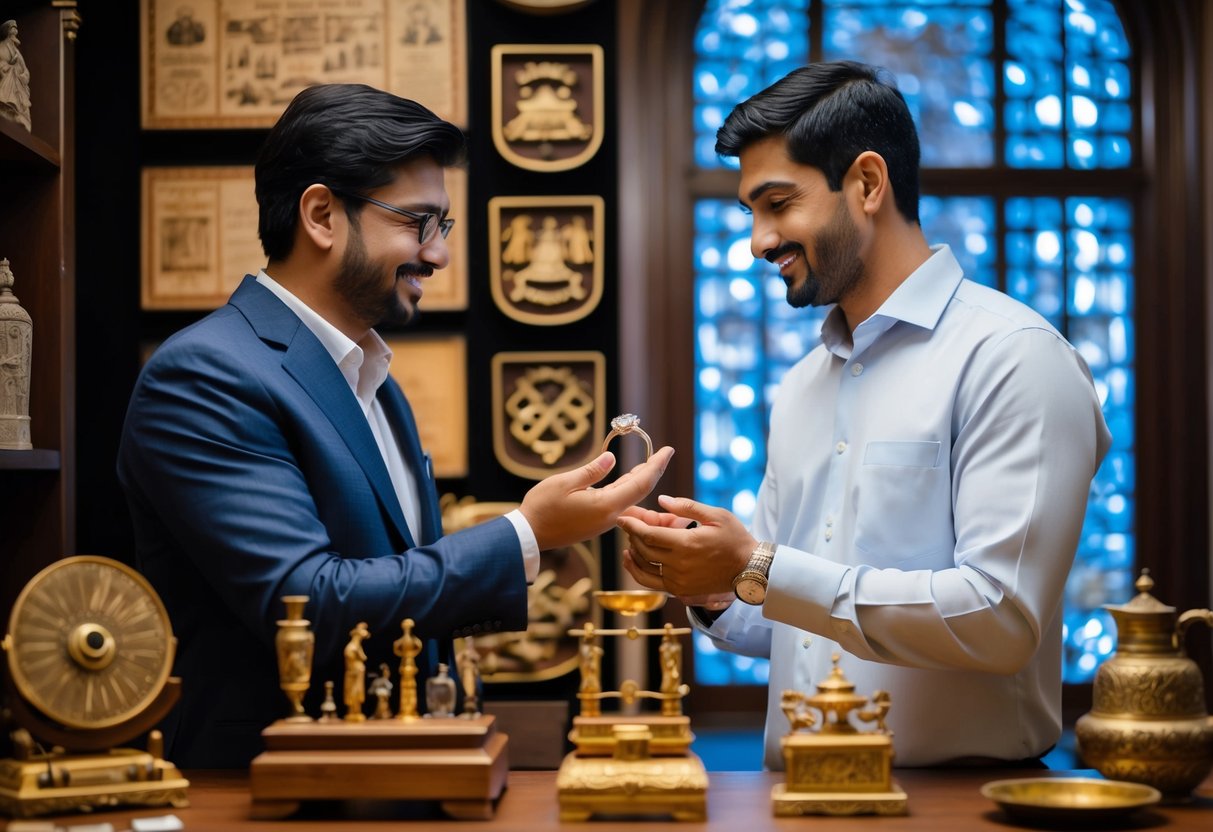
Engagement rings have a rich history shaped by traditions and changing gender roles. Understanding these aspects helps you appreciate the significance of who buys the man an engagement ring.
Origins of Engagement Ring Practices
Historically, the concept of engagement rings dates back to ancient times. In ancient Egypt, rings made of braided reeds symbolized eternity. The Romans were among the first to use metal rings to represent a promise of marriage.
In many cultures, the engagement ring is given by the man as a symbol of commitment. It signifies his intention to marry and serves as a public declaration of their relationship. Traditionally, it was believed that only women wore engagement rings. In some cultures, the practice of exchanging rings during engagement ceremonies became commonplace.
Evolution of Gender Roles in Ring Buying
Over the years, gender roles have evolved, leading to various practices about who buys engagement rings. Traditionally, men purchased the rings, reflecting a societal norm where men were seen as providers.
Today, many couples discuss finances together. For some, it may make sense for both partners to contribute to the ring’s purchase. This shift doesn’t erase the traditional significance of the ring but instead invites shared responsibility in the relationship.
As gender roles continue to evolve, more men are also choosing to wear engagement rings. This change emphasizes love and partnership more than tradition alone.
The Modern Approach to Purchasing Rings
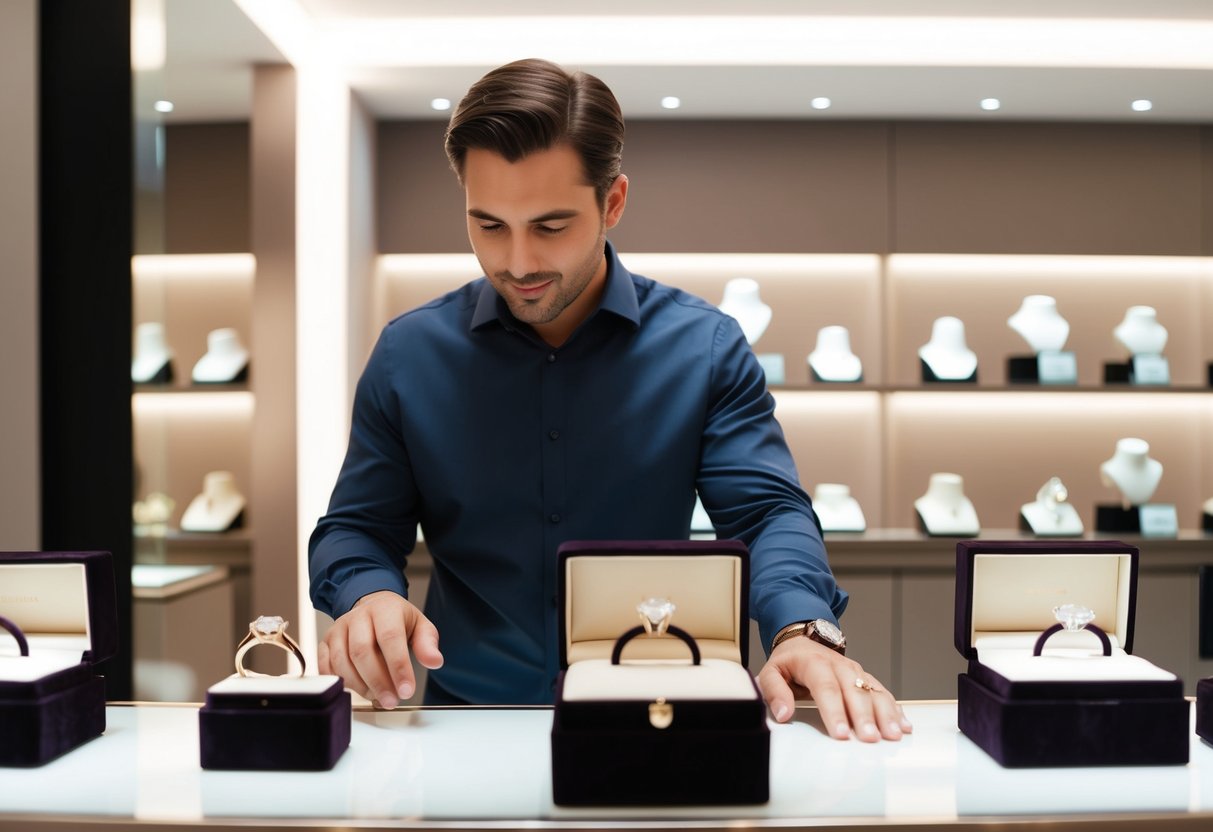
Buying engagement rings today is quite different from the past. People are now recognizing that decisions about these rings should reflect individual values and circumstances. Let’s explore how changing expectations and personal preferences impact this process.
Changing Expectations and Practices
Traditionally, it was assumed that the man would purchase the engagement ring. Today, many believe that this responsibility can be shared. Couples often discuss their budget and preferences together. This shift allows you to make choices that suit both your lifestyle and financial situation.
In many modern relationships, the question of who buys the wedding bands also arises. It’s not uncommon for partners to split the cost of each other’s rings, creating a true financial partnership. By collaborating on these decisions, you not only ease the financial burden but also strengthen your bond.
Impact of Lifestyle and Personal Preferences
Your lifestyle plays a vital role in deciding how you approach buying rings. For instance, if you lead an adventurous life, you may prefer a durable, less traditional engagement ring. Some couples even choose matching bands that reflect their unique tastes.
Personal preferences also shape these choices. Some might prioritize a unique design, while others may look for a classic style. When discussing who buys the groom’s wedding ring or the bride’s wedding ring, it’s essential to consider what feels right for you both. Ultimately, the focus should be on choosing pieces that symbolize your shared journey.
Understanding Ring Finances and Choices
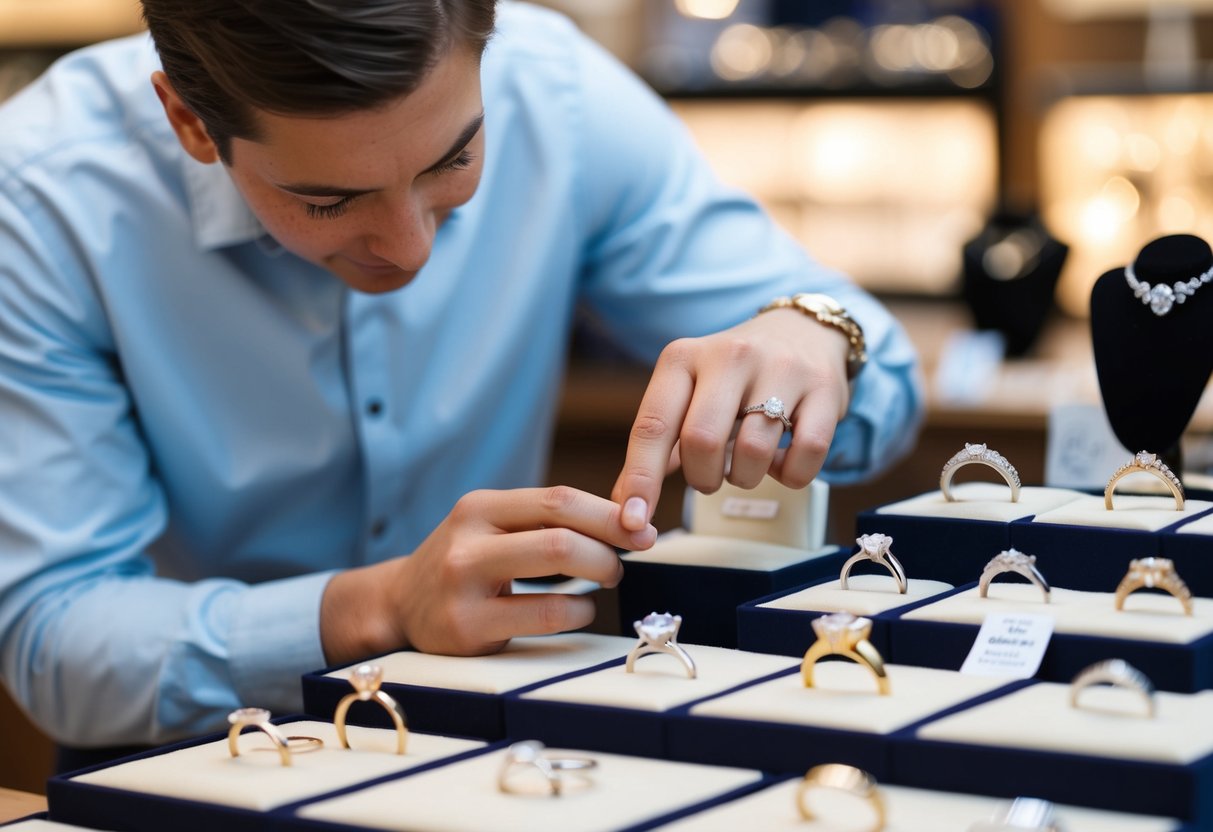
When it comes to engagement rings, understanding your budget and selecting the right materials is crucial. The choices you make can affect not only your finances but also the overall meaning behind the ring.
Budgeting for Wedding Expenses
Before you start shopping for an engagement ring, it’s essential to set a budget. This budget should account for all wedding expenses, including venue, catering, and photography, along with the ring itself. Many suggest that spending about 1-3 months of your salary is a good guideline, but ultimately, it’s about what you can afford comfortably.
Make a list of all wedding costs you anticipate. This can include:
- Venue Costs: The location where you will get married.
- Catering: Food and drinks for your guests.
- Attire: Wedding and groom’s attire.
- Rings: Engagement and wedding rings.
Stick to your budget, and don’t forget to discuss this with your partner. Transparency about finances helps set realistic expectations.
Selecting the Right Metal and Gemstone
The choice of metal and gemstone greatly affects the overall look and cost of the engagement ring. Common metal options include yellow gold, white gold, rose gold, and platinum. Each metal has its unique appeal. For example, yellow gold gives a classic touch, while rose gold adds a romantic flair.
When it comes to gemstones, diamonds are popular, but don’t overlook other options like sapphires or emeralds, which can be beautiful and more cost-effective. Consider the Four Cs of diamonds: cut, color, clarity, and carat.
Make sure to choose a combination of metal and gemstone that reflects both your style and budget. This decision can enhance the ring’s representation of your commitment.
Personalizing the Wedding Bands

When it comes to wedding bands, personalizing them adds significant meaning. This personalization can be achieved through careful choices in size and style as well as unique engravings and details. Let’s explore how you can make the wedding bands special for you and your partner.
Choosing a Size and Style
Finding the right size for your wedding band is crucial. An ideal fit should be comfortable and snug without being too tight. Measure your finger at different times of the day, as fingers can swell or shrink based on temperature.
As for style, consider your personal taste. Do you prefer a classic band or something more unique? Width, shape, and metal choice all play a role. Common options include white gold, yellow gold, and platinum. You might also explore the idea of matching wedding bands for a cohesive look.
Adding Unique Engravings and Details
Engravings can truly set your wedding bands apart. You should consider adding your initials, wedding date, or a meaningful phrase that represents your relationship. This simple addition makes the ring more special.
You can also explore adding details like gemstones or unique patterns. A small diamond or colored stone inset on the wedding band can add a lovely touch. Remember, it’s important that these elements reflect your style and what symbolizes your bond. Personalizing your wedding bands in these ways can make them a cherished part of your journey together.