
Who Buys the Woman’s Wedding Ring? Understanding Tradition and Modern Choices
When it comes to buying a woman’s wedding ring, traditions can vary based on personal choices and cultural backgrounds. Traditionally, the groom purchases the wedding band for the bride, much like he does for the engagement ring. However, many couples today choose to share this responsibility or adjust the arrangement to fit their financial situation.
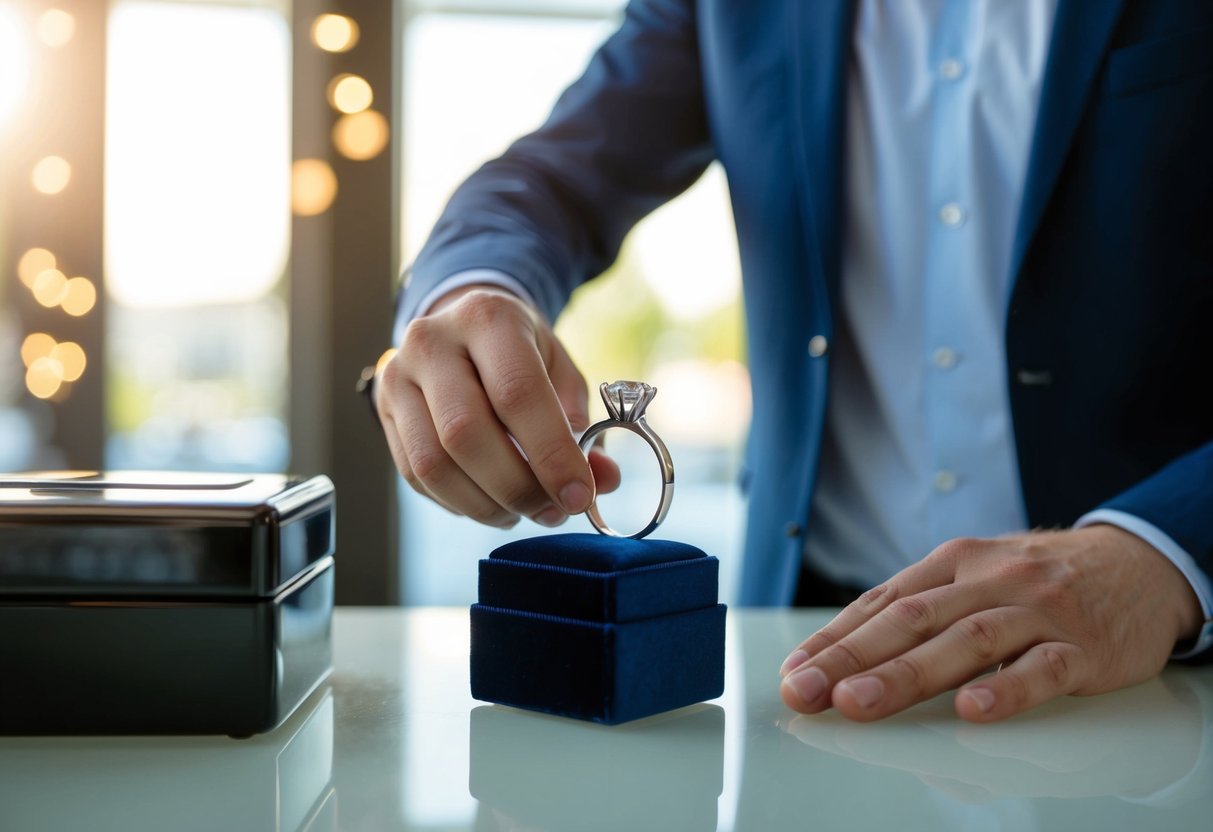
You might find that discussing the purchase openly with your partner can lead to a more meaningful experience. Some couples decide to buy each other’s rings, allowing both partners to have a say in their designs. This approach not only helps in choosing rings that reflect both of your styles but also strengthens your bond.
Consider your budget and preferences when making this decision. With average costs for women’s wedding bands typically around $1,200, it’s essential to communicate and plan together.
Historical Perspective on Wedding Ring Purchases

Understanding who buys the woman’s wedding ring involves exploring traditions and financial responsibilities over time. This journey reveals how customs and expectations have evolved in different cultures.
Wedding Ring Traditions
Historically, the groom typically purchased the bride’s wedding ring. This tradition stemmed from societal views where men were seen as providers. Many cultures celebrated the couple’s union with this exchange of rings, symbolizing love and commitment.
In some cultures, like in parts of Eastern Europe, the couple might share the cost of the wedding bands. This approach reflects a partnership and equality in the relationship. Today, some couples even choose unique arrangements, like both partners buying each other’s rings.
These shifting customs showcase a move towards more personalized wedding traditions that reflect individual values and beliefs.
Wedding Ring Expenses and Responsibilities
When it comes to wedding ring purchases, financial responsibilities can vary. Traditionally, the man paid for the woman’s engagement and wedding rings while the woman bought the man’s band. This practice followed old customs that often put financial burdens mainly on men.
As times changed, many couples began discussing expenses more openly. Today, many choose to split costs or buy rings together. This shift helps foster teamwork and fairness in relationships.
It’s essential to communicate about expenses before making purchases. Discussing budgets and choices allows you both to feel equally involved in this important decision, reflecting a modern understanding of partnership.
Current Trends and Considerations
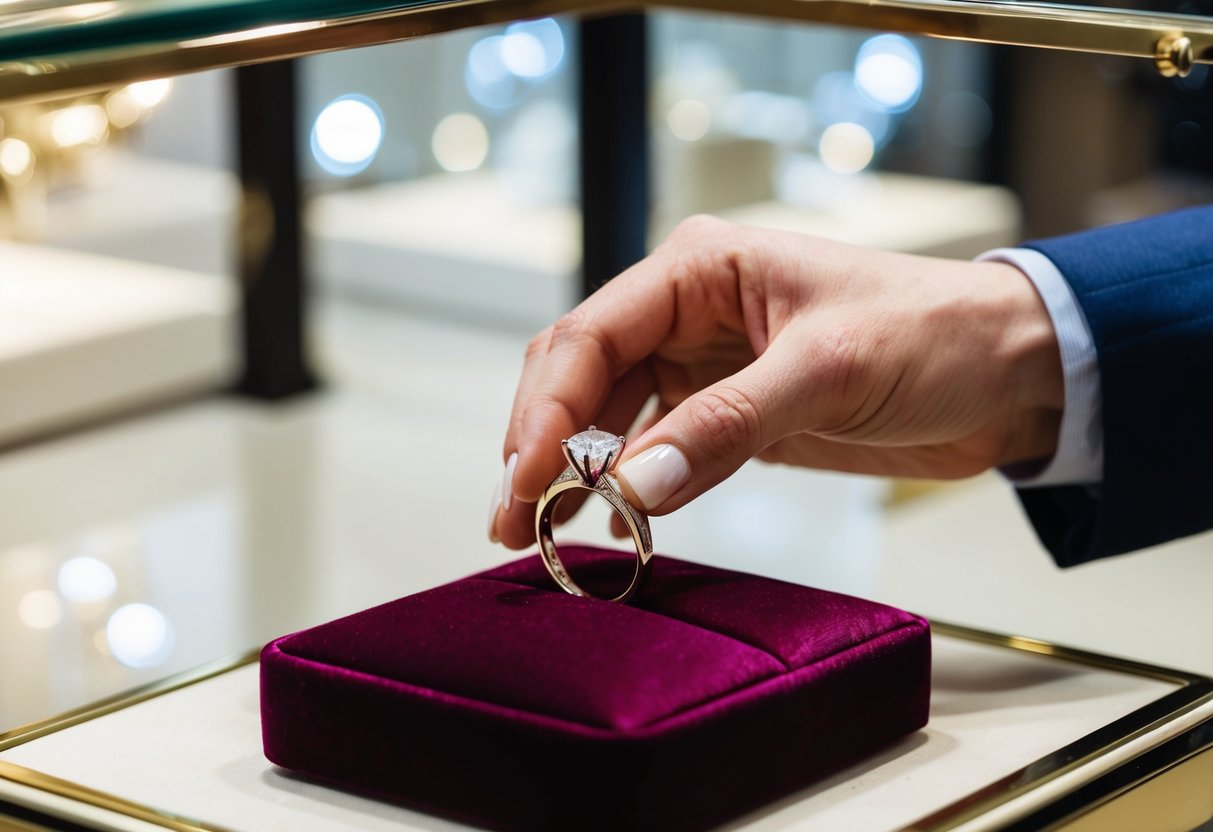
When it comes to who buys the woman’s wedding ring, trends are evolving with modern times. Couples prioritize equality, open discussions, and careful financial planning. These elements play a big role in how decisions are made around engagement rings and wedding budgets.
Modern Couples and Equality
Many modern couples strive for equality in their relationships. This includes sharing responsibilities, like purchasing wedding rings.
It’s becoming common for both partners to contribute. Often, they may decide together on the style and budget for the ring.
This approach reflects a shift from traditional norms. It’s important for you to choose a ring that resonates with both of your styles and values.
Open Communication and Decision-Making
Open communication is key when deciding on wedding rings. Discussing preferences, styles, and budgets creates a healthy dialogue.
You might consider having discussions about the significance of the ring.
This can help both partners feel included in the decision-making process. By actively participating, you can ensure that the chosen ring truly reflects your relationship.
Impact of Finances on Wedding Planning
Finances play a vital role in wedding planning. You need to establish a clear wedding budget. This includes not just the ring but also other costs like the venue, catering, and attire.
Many couples look for ways to save money. This might mean setting a maximum spending limit for the ring.
Consider choosing either a simple design or alternative gemstones to stay within budget. By balancing priorities, you can make informed choices that suit your financial situation.
Choosing the Perfect Wedding Bands

Selecting the right wedding bands is an important step in your wedding planning. Focus on materials and durability, design and personalization, and how to get the right fit for comfort. Each of these factors will help ensure your rings reflect your style and last for years to come.
Materials and Durability
When choosing wedding bands, consider the type of metal that suits your lifestyle. Common options include gold, platinum, and rose gold.
- Gold comes in different colors, such as yellow gold, white gold, and rose gold. Each has its own shade and unique character.
- Platinum is a durable metal, resistant to scratches and tarnishing, making it a long-lasting choice.
Gemstones can be included for added beauty. A matching gemstone or an eternity band with stones all around can enhance the ring’s appeal. Always check if the materials are hypoallergenic, especially if you have sensitive skin.
Design and Personalization
The design of your wedding band should reflect your personality and taste. You can choose from a simple smooth band or one with intricate patterns.
Think about adding personalized touches, such as engraving a special date or message inside the ring. This small detail adds a meaningful layer to your ring.
For those who love unique designs, consider options like twisted bands or stackable rings. These can be mixed and matched for a look that feels truly yours. Additionally, couples often opt for matching bands to symbolize their connection.
Sizing and Comfort
Size is crucial for a comfortable fit. You want your wedding band to feel right, whether you’re at work or celebrating. Make sure to have your ring size measured accurately.
When trying on rings, check how it feels throughout the day. The band should not pinch your skin or feel too loose. Some prefer wider bands, while others like something thinner.
Consider your lifestyle when choosing the thickness of your band. A thicker band may be more durable for an active lifestyle, while a thinner band might feel lighter and more comfortable for everyday wear.
Making the Purchase
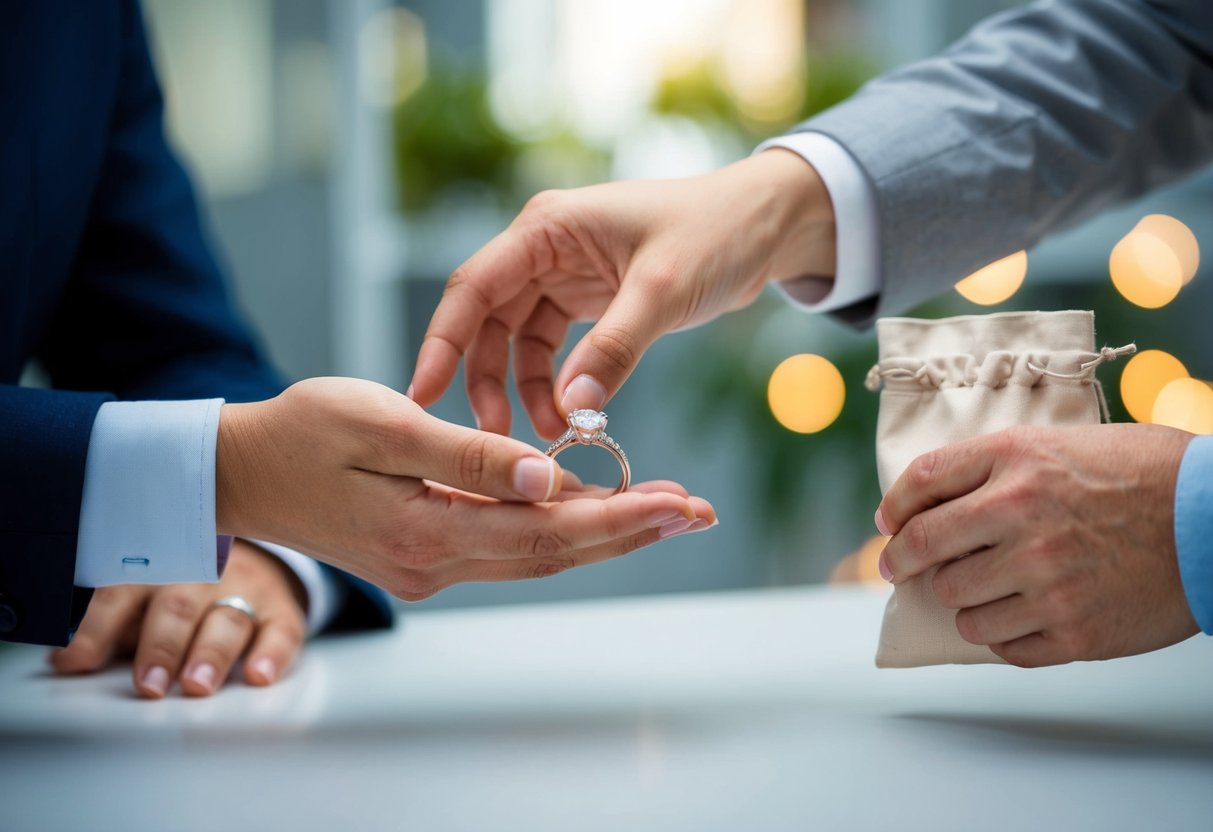
Purchasing a wedding ring is a special experience, and there are several important factors to consider. You’ll want to consult with a professional, keep an eye on costs, and ensure the ring matches your style.
Consulting a Professional Jeweler
Meeting with a professional jeweler can make the ring-buying experience much smoother. A jeweler will provide valuable insight into the different types of wedding bands available.
You can explore styles, metals, and stones, which will help you understand what resonates with you. They can also answer questions regarding durability, care, and customization.
Don’t hesitate to discuss your budget openly, as many jewelers offer a range of options from inexpensive bands to luxurious pieces. Additionally, consider whether you want matching wedding bands or a unique ring for each of you.
Considering Cost and Value
When thinking about the cost of wedding bands, you may wonder what the right price is. Wedding rings can vary widely in price, so it’s important to set a budget.
Some men’s and women’s wedding bands are available for under $500, while others can exceed several thousand. It’s essential to balance quality with affordability.
Value goes beyond just price. Choose a ring that reflects your commitment without compromising quality. Remember, you don’t have to spend a fortune to find a beautiful ring. There are many stylish options for every budget, including simple or elaborate designs.
Exploring Individual Style Preferences
Your wedding ring should reflect your individual style. Consider if you prefer classic, modern, or vintage designs.
Ask yourself if you want a simple band, one adorned with stones, or perhaps a unique shape. Don’t forget about the metal choice, whether it is gold, silver, or platinum. The feel of the ring should also suit your lifestyle.
If you and your partner wish to go for matching wedding bands, make sure both rings complement each other’s designs. Make this choice together to ensure you each love the final look.