
Who Can Legally Marry a Couple in the UK? Understanding Your Options
When you’re planning your big day, knowing who can legally marry you and your partner is essential. In the UK, a couple can be married by a registrar, a religious leader, or a licensed officiant.
Each option offers a unique experience for your ceremony, allowing you to choose what feels most special for you.
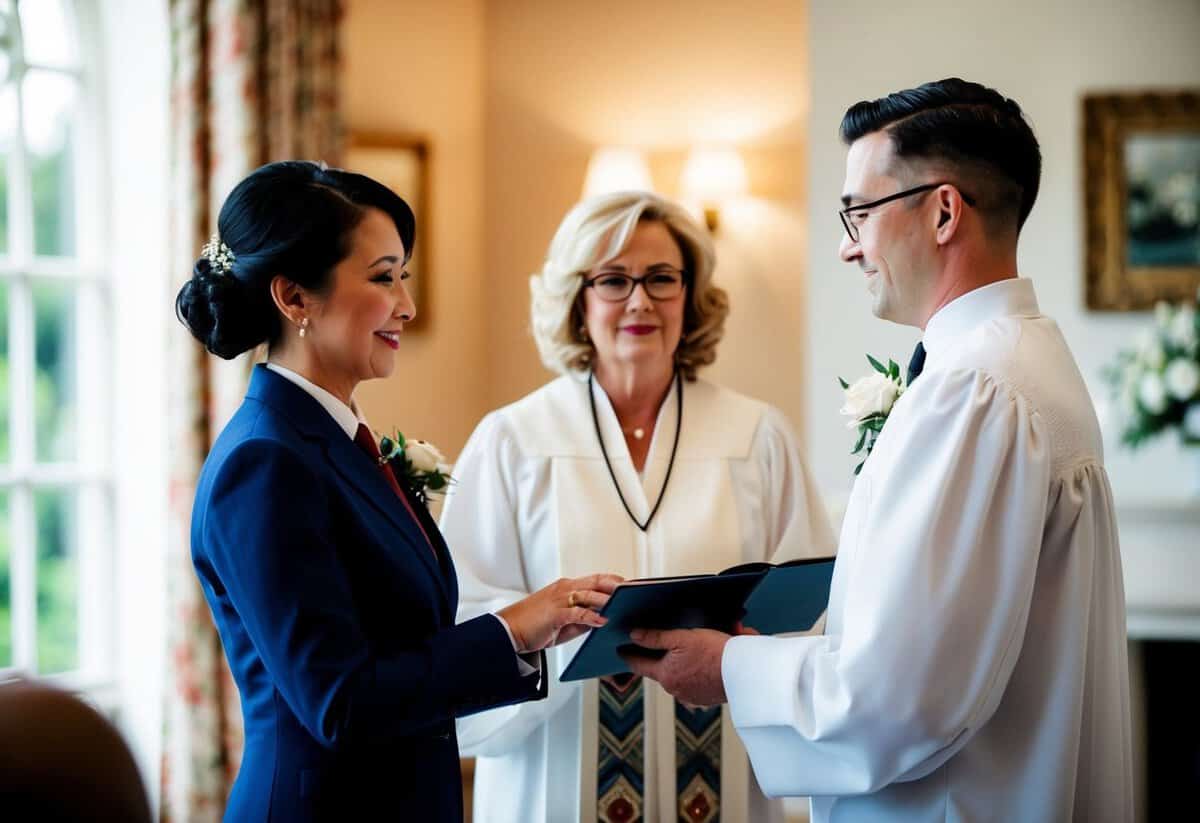
Understanding the requirements can help you make informed decisions about where and how you want to get married. Whether you envision a grand church wedding or a more intimate civil ceremony, knowing your options will guide you in the right direction.
As you dive deeper into the details, consider the different rules that apply in England, Wales, Scotland, and Northern Ireland. Each area has its own specific regulations, and being aware of these can ensure your special day goes smoothly.
Legal Authorities Who Can Marry Couples in the UK
In the UK, there are specific authorities that can legally conduct marriage ceremonies. These include civil ceremony conductors and leaders of religious ceremonies. Understanding who can officiate your marriage is essential for planning your special day.
Civil Ceremony Conductors
Civil ceremonies are conducted in various approved venues, such as register offices and other licensed locations. A civil celebrant or registrar is needed to perform these marriages.
You can book a wedding at your local register office, where a registrar will guide you through the process. The requirements for a civil ceremony are straightforward. Both partners must be at least 16 years old and not closely related.
When planning a civil marriage, it’s helpful to give notice at your register office at least 28 days before the wedding. This includes providing your identification and proof of residency.
Religious Ceremony Leaders
If you prefer a religious marriage, various leaders can officiate, depending on your faith. This may include a vicar, priest, imam, or rabbi, among others. Each religious organization has specific rules that must be followed.
For a religious ceremony to be legally recognized, it must occur in a registered place of worship. If you’re considering a Quaker marriage, it’s worth noting that they conduct their ceremonies uniquely, without a formal officiant.
Before booking a religious ceremony, ensure that the leader is authorized to perform marriages in your faith. Check that the venue is registered as an official place for weddings.
Legal Requirements for Marriage in the UK
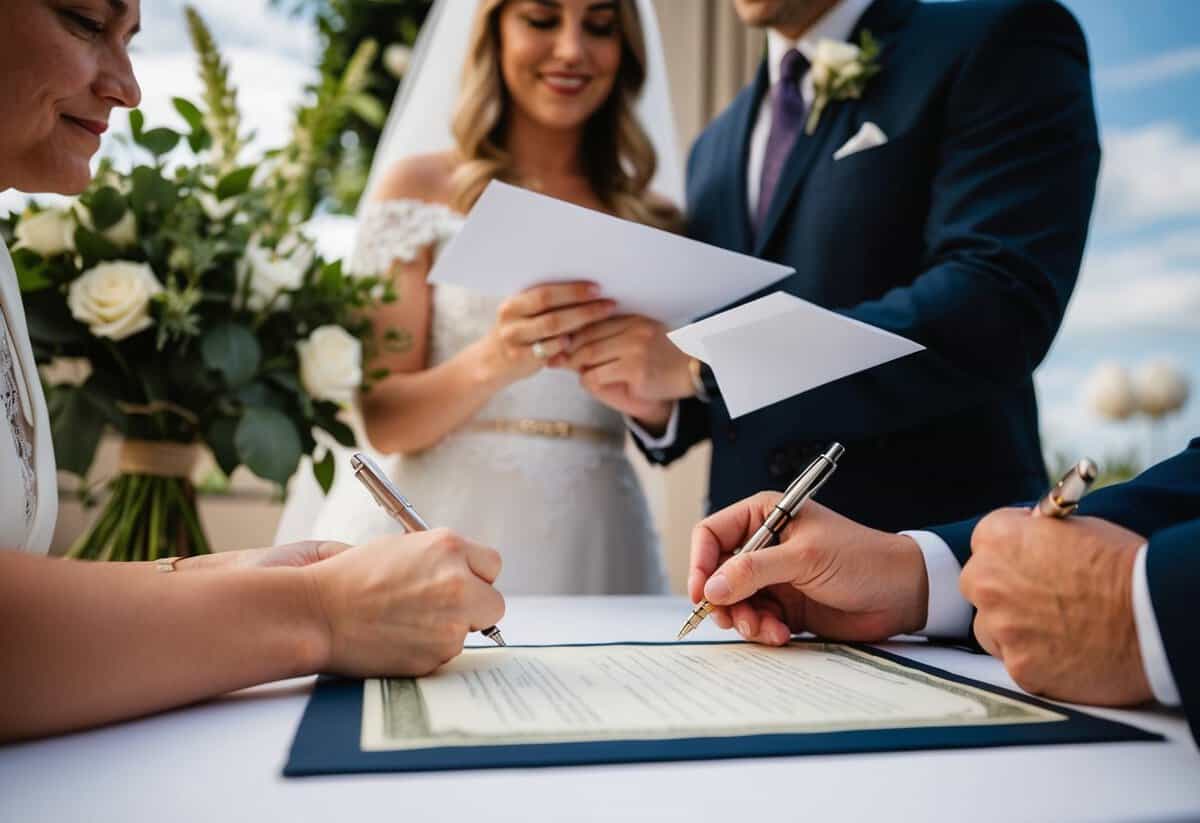
Getting married in the UK involves meeting specific legal requirements. You’ll need to complete the notice of marriage, understand civil partnership conversion rules, and ensure you receive the proper marriage certificates and records.
Notice of Marriage and Marriage Schedule
Before you can get married, you must give notice to your local registry office. This is a formal declaration that you intend to marry. You need to do this at least 28 days before the wedding.
Both of you must be present when you give notice. You’ll need to provide proof of identity such as a passport or driver’s license, and proof of where you live.
After giving notice, the registry office will issue a marriage schedule. This document allows you to get married and must be presented at your ceremony.
Civil Partnership Conversion
If you are in a civil partnership and wish to marry, you can convert your civil partnership into a marriage. This process is straightforward and involves visiting the registry office.
Both partners must agree to the conversion. Once completed, you will receive a new marriage certificate. You should know that the rights and responsibilities in marriage are similar to those in a civil partnership.
If you decide to convert, it’s essential to also understand the legal effects of this change on any existing agreements or arrangements you might have.
Marriage Certificates and Records
After your wedding, you’ll receive a marriage certificate. This document is proof that you are legally married. It’s important for various legal purposes, like changing your name or claiming spousal rights.
You can request copies of your marriage certificate from your local registry office. They maintain a marriage register, which is a formal record of all weddings in their area.
Keeping your marriage certificate safe is important, as you may need it for future legal matters. Always check to ensure you receive the correct documents after your ceremony.
Eligibility and Immigration Considerations

When planning to marry in the UK, understanding visa and immigration requirements is crucial. This ensures that all legal aspects are covered and helps avoid any surprises. Here are some important points to consider.
Visa and Immigration Status
If you are not a UK citizen, you may need a visa to marry in the UK. The type of visa you need often depends on your situation.
- Fiancé(e) Visa: If you plan to get married in the UK, you can apply for a fiancé(e) visa. This visa allows you to enter the UK and get married within six months.
- Spouse Visa: After marriage, you can switch to a spouse visa. This allows you to stay in the UK if your partner is a citizen or has settled status.
Make sure to check your immigration status and any requirements set by the Home Office before applying for a visa.
EU Settlement Scheme and Marrying in the UK
If you are from the EU, the EU Settlement Scheme may impact your ability to marry in the UK.
- If you were living in the UK before the end of the transition period, you should have applied for the scheme.
- This lets you stay in the UK and marry without needing a visa.
If you have settled or pre-settled status, you can live and marry in the UK more easily. Always ensure that your application is submitted correctly to avoid any immigration issues.
Special Considerations for Same-Sex Couples
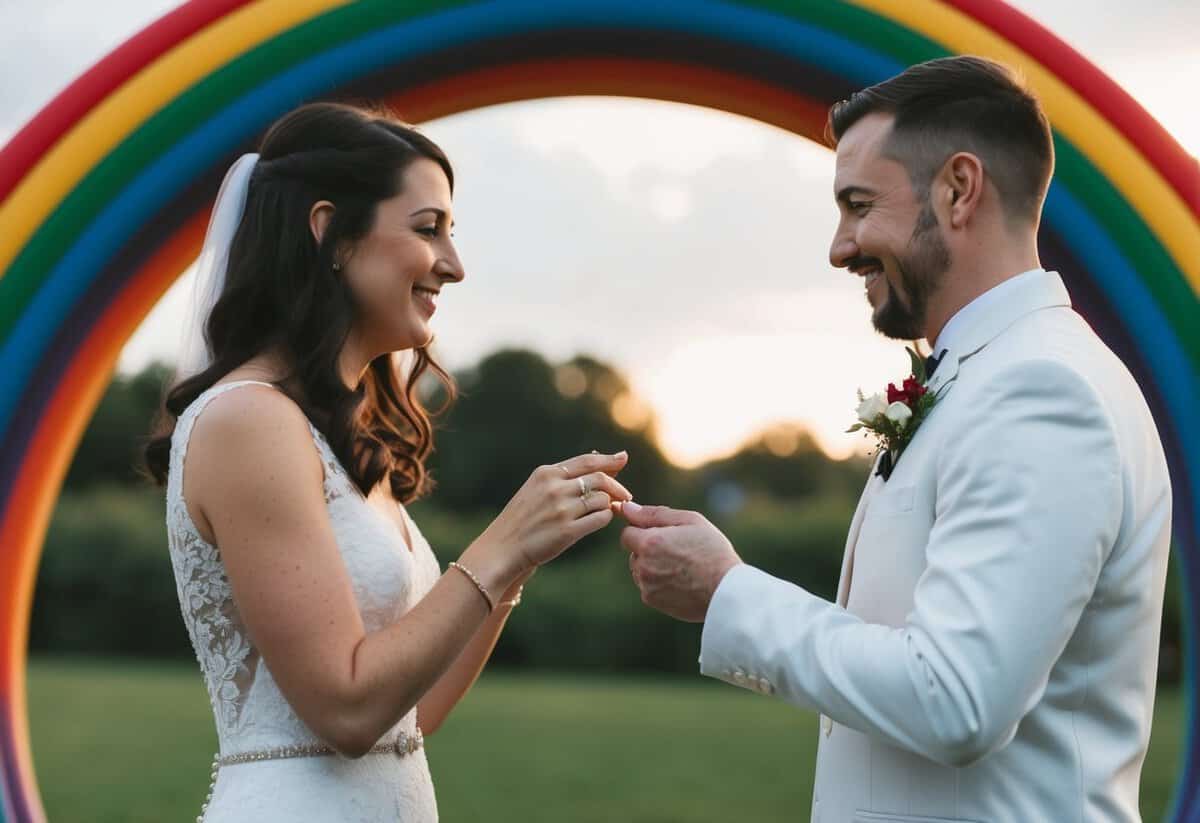
Same-sex couples in the UK have various legal options for marriage. It’s important to know the specifics of civil wedding, religious ceremonies, and non-legally binding options to make informed choices.
Civil Weddings and Partnerships
You can choose to have a civil wedding or a civil partnership. A civil wedding is a legally recognized marriage. This can take place in a registry office or another approved venue. Civil partnerships offer similar legal rights and responsibilities but are distinct from marriage.
Both options allow same-sex couples to enjoy legal protections, including property rights and parental rights. Once you enter into a civil partnership, you may dissolve it legally, but you cannot annul it.
Religious Weddings and Exceptions
Religious weddings for same-sex couples depend on the faith and denomination. Some religious groups fully support same-sex marriages and will officiate ceremonies, while others may not.
If you wish to have a religious ceremony, check if your chosen place of worship allows it. In England and Wales, the law does allow same-sex couples to marry in some religious settings. However, many churches and religious organizations may refuse to conduct such ceremonies.
Non-Legally Binding Ceremonies
You might consider a non-legally binding ceremony for personal or cultural reasons. These ceremonies can be meaningful and reflect your beliefs without legal recognition.
Options include commitment ceremonies or symbolic weddings. These do not provide legal rights, but they can be a beautiful way to celebrate your relationship. Just keep in mind that you will need to consider a civil wedding or partnership for legal recognition of your union.