
Who Can Legally Marry People in the UK? Understanding the Roles of Authorized Officiants
When it comes to tying the knot in the UK, you might wonder who actually has the power to marry you. In the UK, anyone who has been legally authorized can perform marriage ceremonies. This includes both civil and religious ceremonies.
This means that you can get married in a registry office, or if you prefer, in a religious setting like a church or a mosque, as long as the venue is registered for marriages.
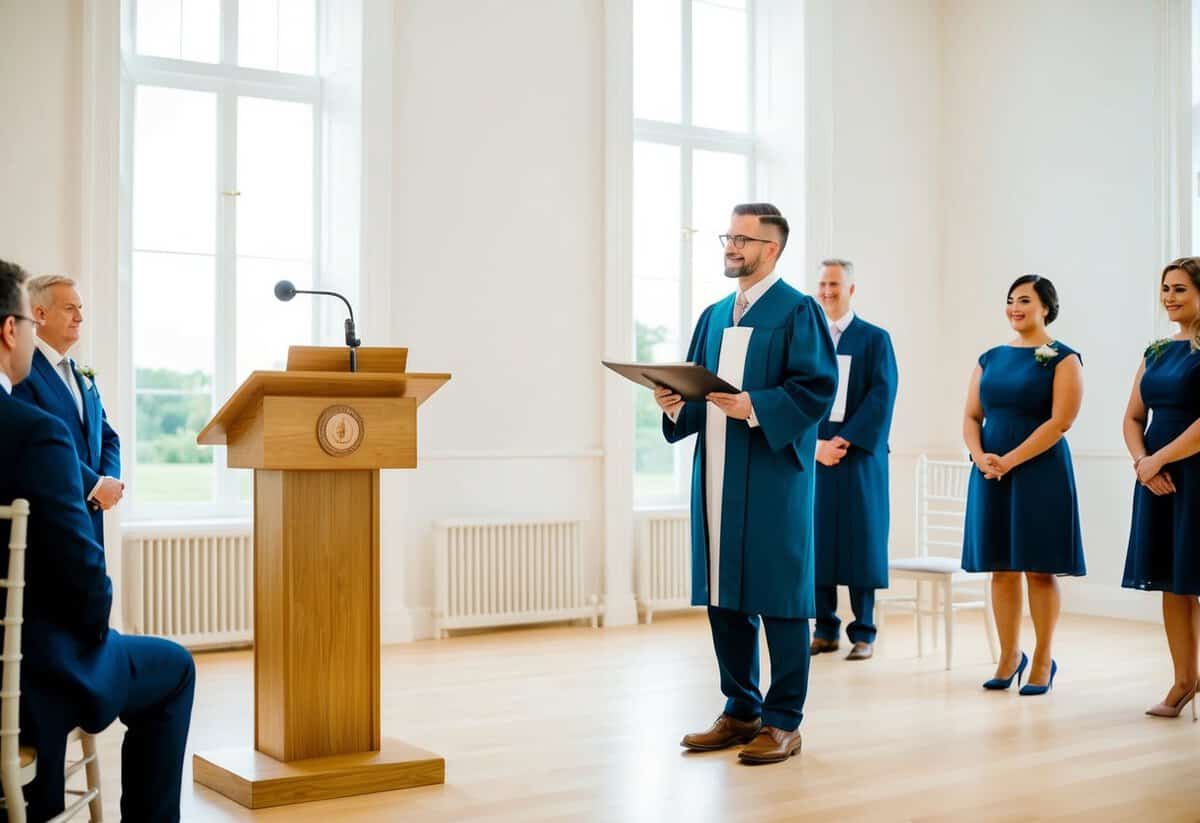
If you’re considering a civil ceremony, you’ll typically work with a registrar who will ensure the process is legal and smooth. On the other hand, religious ceremonies often involve a religious leader, who must also be authorized to conduct marriages according to UK law. Both options offer different vibes, so you can choose what feels right for you.
Understanding who can perform the marriage is just one piece of the puzzle. It’s important to know about the rules and legal statuses that apply to you as a couple. Whether you are planning a grand celebration or a simple gathering, knowing your options can help make the process easier and more enjoyable.
Legal Requirements for Marriage in the UK
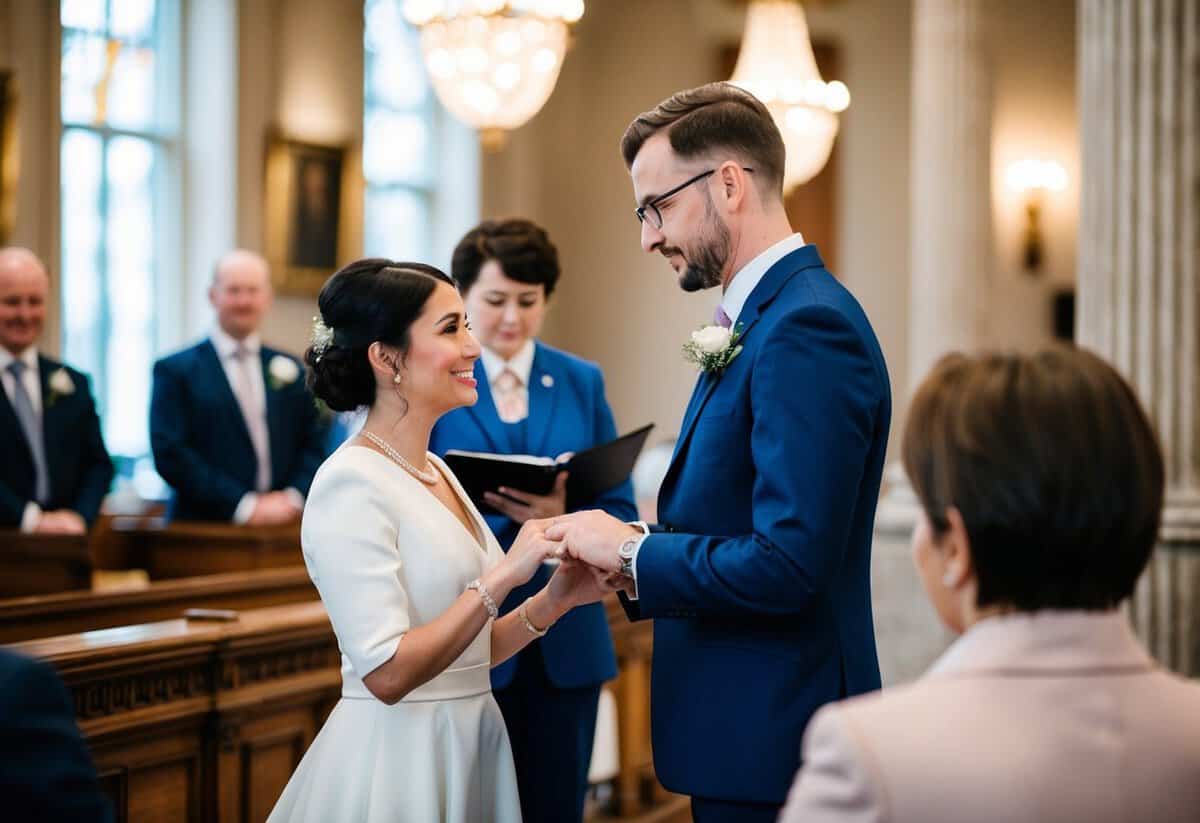
To marry in the UK, you must meet certain legal requirements. This includes understanding your eligibility and the steps to follow in the marriage process. Here’s what you need to know.
Eligibility and Legal Capacity
To get married in the UK, you must be at least 16 years old. If you’re under 18, you need parental consent. Both partners should not be closely related, and you must not be legally married to someone else, as bigamy is illegal.
You also need to be capable of understanding the marriage ceremony. This means you should comprehend what you are agreeing to. If either of you has previously been married, you must provide proof of divorce or the death of your former spouse.
Steps to Marry: Giving Notice and Documentation
Before getting married, you must give notice to your local registrar. This involves filling out a “notice of marriage” form at least 28 days before your wedding. You can give notice in any Register Office, but you should ensure it’s in the area where you intend to marry.
When you give notice, bring specific documents, such as identification and proof of your address. After this, you will receive a “marriage schedule,” which is your permission to marry. This must be signed during your ceremony to make your marriage legally valid.
Types of Ceremonies in the UK
In the UK, you have options for your wedding ceremony. You can choose between civil and religious ceremonies, each with its own rules and settings. Understanding these options helps you plan your special day the way you want.
Civil Marriages and Partnership Ceremonies
A civil ceremony is a simple, legal way to get married. It takes place at a register office or an approved venue like a hotel or stately home. For a civil marriage, you need at least two witnesses present.
If you’re in a civil partnership, the ceremony is similar to a civil marriage but usually doesn’t include religious elements. Both types of ceremonies focus on a legal agreement, so the wording and vows may differ.
In England and Wales, you should check with your local council to find out which venues are available. For more information on civil ceremonies, visit GOV.UK’s marriage page.
Religious Weddings and the Role of the Church
Religious weddings usually take place in places of worship, such as a church or mosque. In the UK, the Church of England and the Church in Wales have specific requirements for religious ceremonies.
For example, you might need to give notice to the church and have part of the ceremony follow traditional religious teachings. While civil weddings focus on legal matters, religious weddings often include prayers, readings, and blessings.
Both types of weddings are recognized by law, but religious ceremonies may have additional customs. To understand more about what is required for religious weddings, check resources from the Citizens Advice.
Roles and Responsibilities in a UK Wedding
In a UK wedding, specific roles ensure that the marriage is legal and meaningful. Understanding these responsibilities helps make your ceremony smooth and memorable.
Registrar, Celebrant, and Witnesses
A registrar is a key figure at your wedding. They are responsible for conducting the legal part of the ceremony, ensuring all requirements are met. This includes confirming your identity and your eligibility to marry. The registrar also ensures that the marriage certificate is completed correctly.
If you choose to have a celebrant, they can help create a personalized ceremony. Celebrants can add special touches, but their role is not legally binding unless a registrar is involved afterward.
You also need at least two witnesses to sign the marriage certificate. These individuals should be over 16 years old and can be friends or family. Their presence is crucial to make your marriage official.
Couples and the Exchange of Vows
As a couple, you play the most important role in the ceremony. You express your commitment through vows. This is where you’ll say the contracting words that make your marriage legal. In front of the registrar or celebrant and your witnesses, you’ll declare your intention to marry.
The exchange of vows is a heartfelt moment. You can choose to create your own vows or use traditional ones. It’s essential to mean what you say, as this is the foundation of your marriage.
Venues and Certificates
Choosing the right venue and securing your marriage certificate are key steps in the wedding process. You will want to ensure that your wedding venue can accommodate the legal requirements for a marriage in the UK.
Choosing a Wedding Venue
In the UK, you can get married at various venues, including a local register office, approved religious sites, or other licensed venues. If you prefer a civil ceremony, you’ll need to book a registrar to officiate at your chosen location.
For religious ceremonies, ensure the venue fits the policies of your faith. Make sure to check if your selected location is recognized for legal weddings.
Consider the following types of venues:
- Register Office: A straightforward option for a civil ceremony.
- Approved Venues: These can include hotels, gardens, or historic sites.
- Religious Venues: Such as churches, synagogues, or other places of worship.
Ensure that you contact your venue well in advance to reserve your date.
Issuance of the Marriage Certificate
Once your wedding takes place, you must obtain your marriage certificate. To get this document, you need to register your marriage within a specific period. This period is usually within 14 days, at your local register office.
During the registration process, the registrar will note details such as names, addresses, and the date of the marriage in the marriage register.
Your official marriage certificate will serve as legal proof of your union. You can request copies of this certificate later if needed, which may be essential for name changes, financial matters, or travel purposes.
Remember, there may be a small fee for the certificate, so check with your register office beforehand.