
Who Can Marry You in the UK? Understanding Marriage Laws and Officials
When you decide to get married in the UK, you need to know who can legally officiate your ceremony. Understanding this will help you choose the perfect person to make your special day official. You can get married by a religious leader, a registrar, or even a friend if they are legally recognized to conduct weddings.
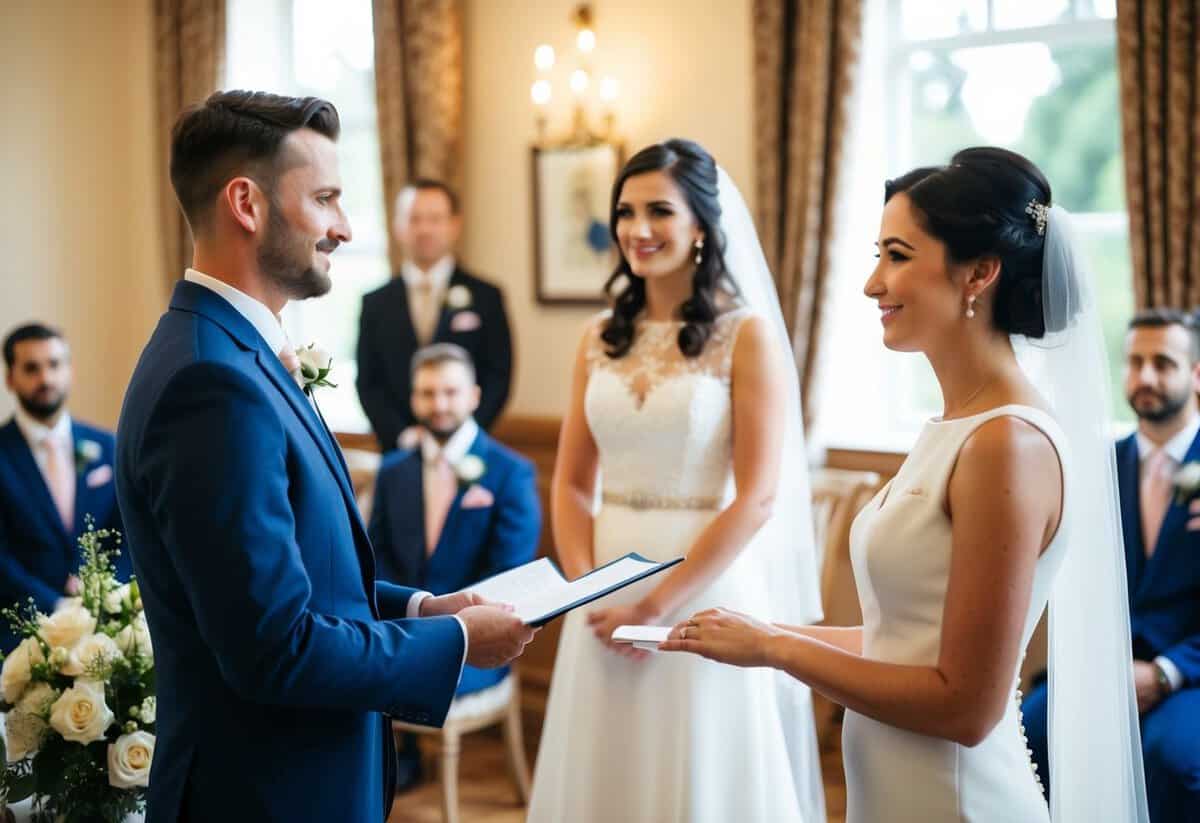
Each option offers a unique experience, whether you prefer a traditional ceremony or a more personalized approach. If you’re considering a civil partnership, the same rules apply, with registrars typically managing that process as well.
You might also wonder how engagement fits into this; it’s the first step leading to marriage, where you declare your intention to wed.
Finding the right person to marry you can make your celebration even more memorable. With a bit of research, you can ensure that your wedding day reflects your style and values while meeting all legal requirements.
Legal Requirements for Marriage in the UK
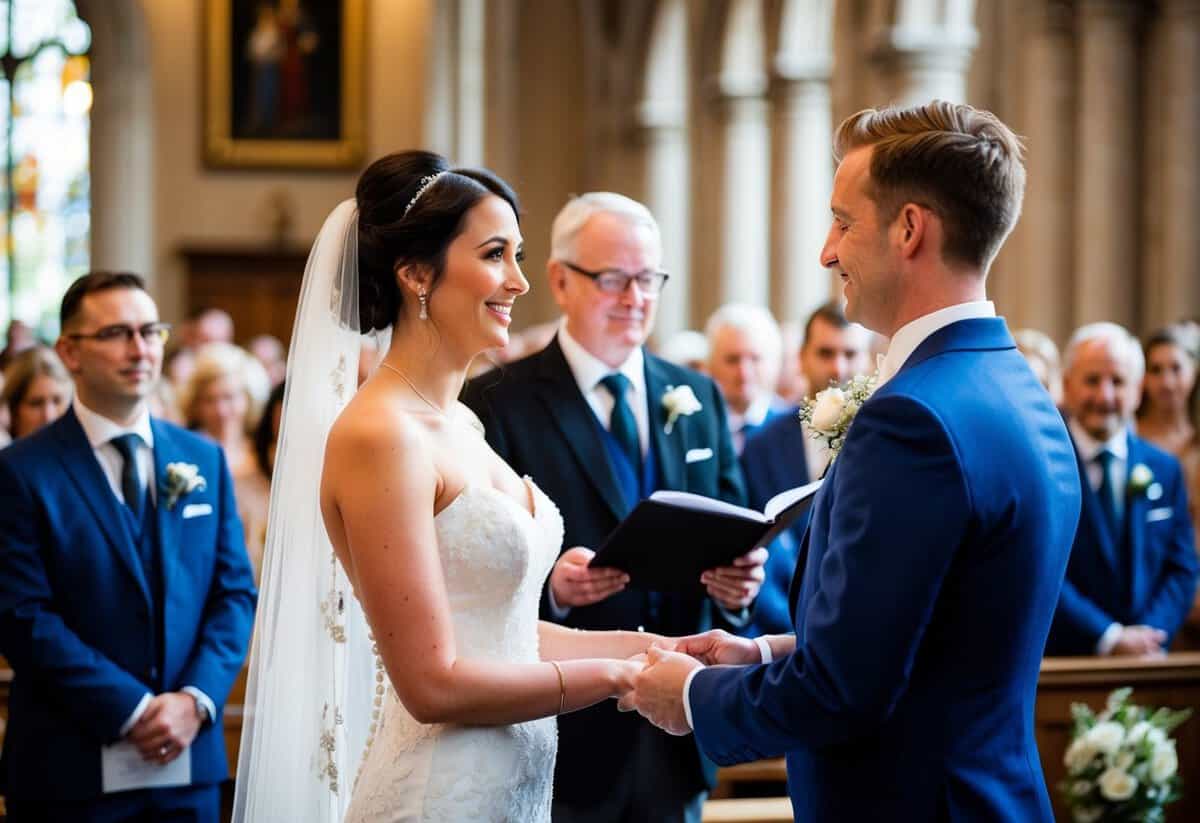
Getting married in the UK involves understanding specific legal requirements. This includes knowing your eligibility, the necessary documentation, and the steps for giving notice before your wedding. Let’s break these down for clarity.
Eligibility Criteria
To marry in the UK, you must meet certain criteria. First, you need to be at least 16 years old in England and Wales (or 18 in Scotland and Northern Ireland). If you’re under 18, you’ll need permission from your parents or guardians.
You must be free to marry, meaning you cannot have a spouse or partner still living. If you were previously married, you need to provide a divorce decree absolute or a death certificate of your former spouse.
You also must not be closely related to your partner. Generally, this means you cannot marry immediate blood relatives. Certain exceptions, like adopted children, may apply.
Required Documentation
When preparing to marry, it’s essential to gather the necessary documents. You’ll need to show proof of your identity and nationality. Acceptable documents include your birth certificate and a valid passport.
If you live outside the UK, additional documents, like a visa or proof of your immigration status, might be required. This includes having settled or pre-settled status under the EU Settlement Scheme or holding an indefinite leave to remain visa.
You’ll also need to prove that you are free to marry. This could mean providing a marriage certificate if previously married or proof of your partner’s refugee status or humanitarian protection from the Home Office.
Notice of Marriage and Waiting Period
To officially start the marriage process, you must give notice to your local authority at least 28 days before your wedding. This notice must be given in person.
During this period, your details will be displayed publicly to confirm there are no legal barriers to your marriage. You can give notice at a register office or an approved premises.
If you’re a foreign national, the waiting period may extend to 70 days if additional checks are needed. Be mindful that once you give notice, you must marry within 12 months. After this period, you’ll need to give notice again.
Types of Ceremonies
When planning your wedding in the UK, you have various types of ceremonies to choose from. Each option has its own requirements and significance, so it’s essential to understand what fits best for you and your partner.
Civil Ceremonies
A civil ceremony is a legal marriage conducted by a registrar. You can hold this type of ceremony at a register office or an approved venue. Civil ceremonies are straightforward and focus on the legal aspects of marriage.
You will need to give notice at your local register office at least 29 days before the ceremony. During the event, you’ll sign the marriage schedule in front of at least two witnesses. This type of ceremony is available for both opposite-sex and same-sex couples.
Religious Ceremonies
Religious ceremonies include marriages conducted in places of worship, like a church or temple. In England and Wales, the Church of England and Church in Wales are popular options for religious weddings.
For a religious ceremony, you usually go through a separate process to book your venue and set up your marriage with the relevant authorities. You still need to give notice and may require a marriage license. It’s essential to check the specific rules of your faith and the venue.
Humanist and Other Non-Legal Ceremonies
Humanist weddings are non-religious ceremonies guided by personal beliefs and values. These ceremonies focus on the couple’s values and relationship, allowing for greater creativity in expressing your love.
While humanist ceremonies are meaningful, it’s important to know that they are not legally binding in the UK. To be married legally, you would still need to have a civil ceremony. Many couples choose to have both a civil ceremony and a humanist celebration, combining the legal requirements with personal touches.
Venues and Giving Notice
When planning your wedding in the UK, choosing the right venue and giving notice are key steps. You must select a suitable location and follow specific procedures to ensure everything runs smoothly.
Choosing a Venue
Your wedding venue sets the tone for your special day. You can choose from various locations, such as churches, registry offices, or outdoor spaces. Each venue has its own rules and requirements.
If you opt for a religious ceremony, check if they require banns to be read. If you’re getting married in a registry office or licensed venue, ensure it’s available on your chosen date.
For same-sex marriages, many venues offer packages tailored to all couples. Research your options and visit potential venues to find one that feels right for you.
Arranging an Appointment to Give Notice
Giving notice of your marriage is an important step in the process. You must schedule an appointment at your local register office. Bring along necessary documents, including proof of identity and your intended venue details.
You need to give notice at least 29 days before your wedding. During this time, your details will be publicly displayed, allowing for any objections. After this period, you can set your wedding date.
If you are on a marriage visitor visa, make sure to pay attention to specific requirements around giving notice, as the process might differ slightly. Be prepared and organized to ensure a smooth experience.
After the Ceremony
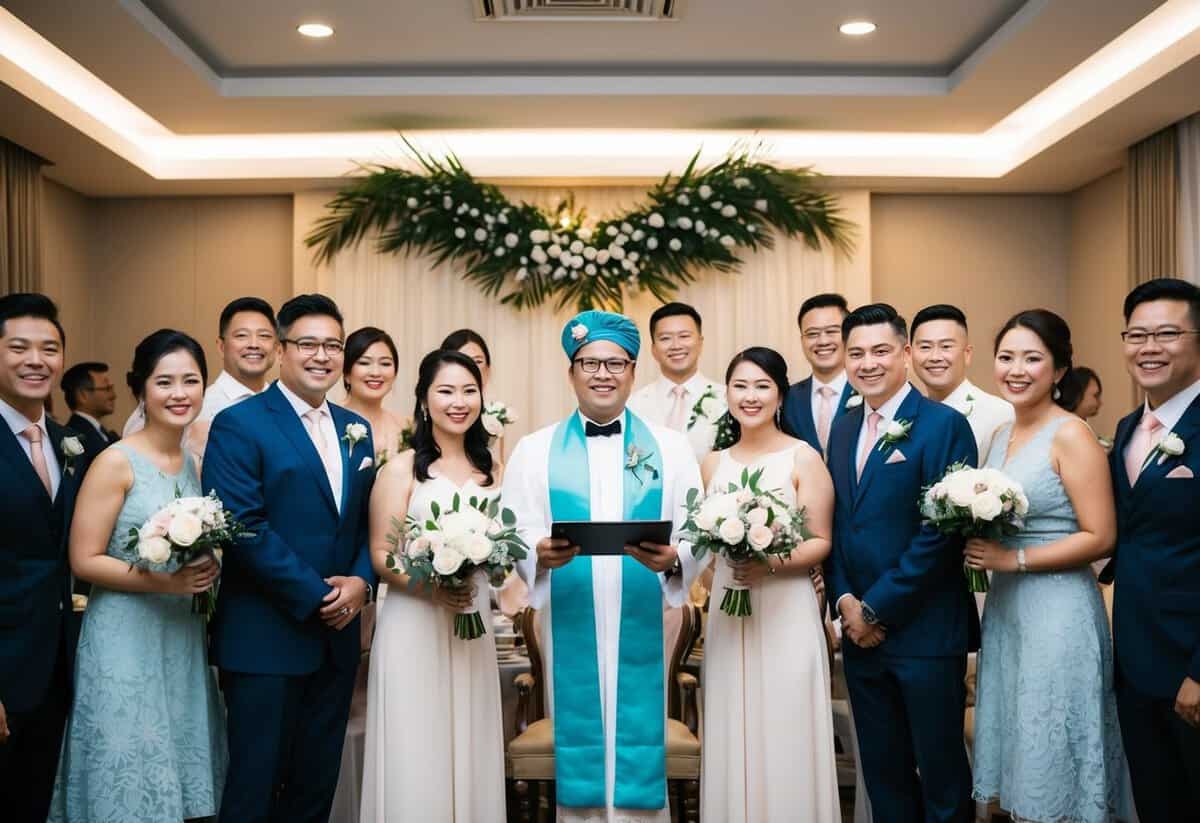
Once your marriage ceremony is complete, a few important steps follow. You’ll need to obtain your marriage certificate and understand the legal changes that occur after tying the knot.
Certificate and Name Changes
After your ceremony, you can apply for your marriage certificate at the registration office. This document serves as official proof of your marriage. To get it, visit your local registry office where the ceremony took place. You may need to provide personal information and pay a small fee.
If you decide to change your name, this is a great time to do so. You can choose to adopt your partner’s surname, keep your original name, or hyphenate both names. Whichever option you choose, update your ID, bank accounts, and any official records. Make sure you also inform your employer and local council to update your council tax bill if necessary.
Legal Implications
Marriage brings about specific legal implications. Understanding marriage laws is crucial. For example, bigamy is illegal, so make sure you are not still married to someone else.
In the event of a separation, you may need to address dissolution procedures. It’s also important to know how your marital status affects your rights, such as inheritance or tax benefits. Be aware that some legal obligations, like spousal support, can come into play during a divorce.
Always consult a legal expert if you have questions regarding these matters.