
Who Can Officiate a Wedding in the UK Without a License? Let’s Find Out!
Are you wondering who can officiate a wedding in the UK without formal ordination? The rules about officiating weddings can be a bit confusing, especially if you’re considering a personal touch for your big day.
According to OMG Hitched, you can have a friend or family member officiate your wedding, but they need to be legally authorized for it to be binding.
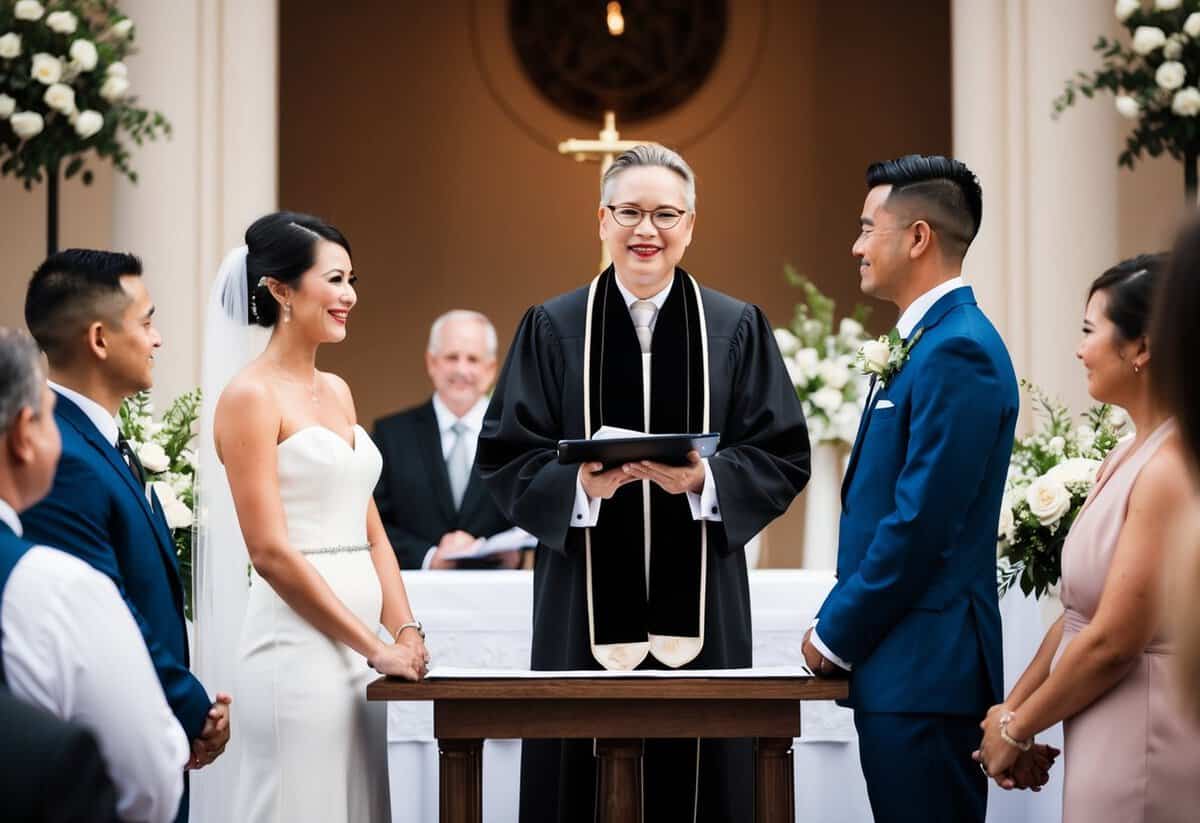
In the UK, certain regulations apply. While you can have a meaningful ceremony led by someone close to you, the legal aspect requires the marriage to be conducted by someone ordained or registered. This allows couples to celebrate in their own way, while still ensuring that their marriage holds legal weight.
Exploring your options can make your wedding day even more special. Whether you’re considering a friend to lead the ceremony or looking into the process for someone to get ordained, understanding the legal requirements is key.
Let’s dive deeper into who can officiate and how to make your wedding just the way you envision it.
Understanding the Legal Requirements
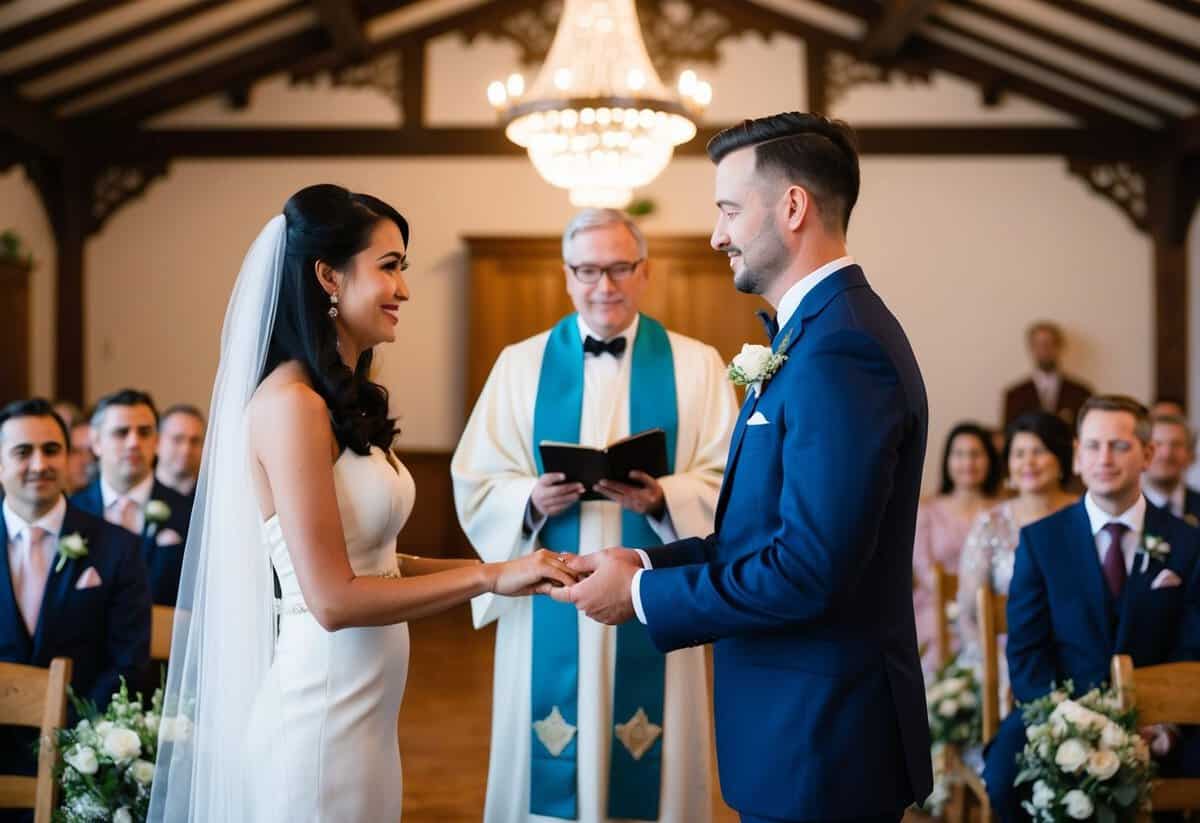
When planning a wedding in the UK, it’s important to know who can legally officiate your ceremony. This includes understanding the roles of registrars and authorized persons, as well as the process for giving notice of your marriage.
What Is a Registrar?
A registrar is a trained official who is responsible for conducting civil weddings in the UK. They work at local register offices and are licensed to perform legal marriages.
If you choose to have a civil ceremony, a registrar will need to be present to ensure that the marriage is legally binding. During the ceremony, the registrar will ask both partners to sign the marriage register. This register is an official document that serves as evidence of your marriage. After the ceremony, the registrar will issue your marriage certificate, which you may need for legal purposes in the future.
The Role of Authorized Persons
Authorized persons are individuals who can officiate weddings outside of a registrar’s office. This typically includes members of recognized religious organizations or those appointed through specific arrangements.
For example, a vicar or priest can officiate a church wedding because they are authorized by their religious authority.
Authorized persons can provide a more personalized experience for couples looking for a unique ceremony. They still must follow legal requirements, such as ensuring that the marriage is registered properly. It’s essential to check that the person you choose has the legal authority to officiate your wedding to avoid any issues.
The Process of Giving Notice
Giving notice is a critical step in the marriage process in the UK. This must be done at least 28 days before your wedding.
You and your partner must visit your local register office to formally declare your intention to marry. During this appointment, you will need to provide various documents like proof of identity and residency.
The registrar will take this information and enter it into the notice of marriage. Once completed, this notice is publicly displayed for a set period, allowing anyone to raise any objections, if necessary.
After the notice period, you can proceed with your wedding plans, ensuring that everything is on track for your special day.
Types of Wedding Ceremonies in the UK
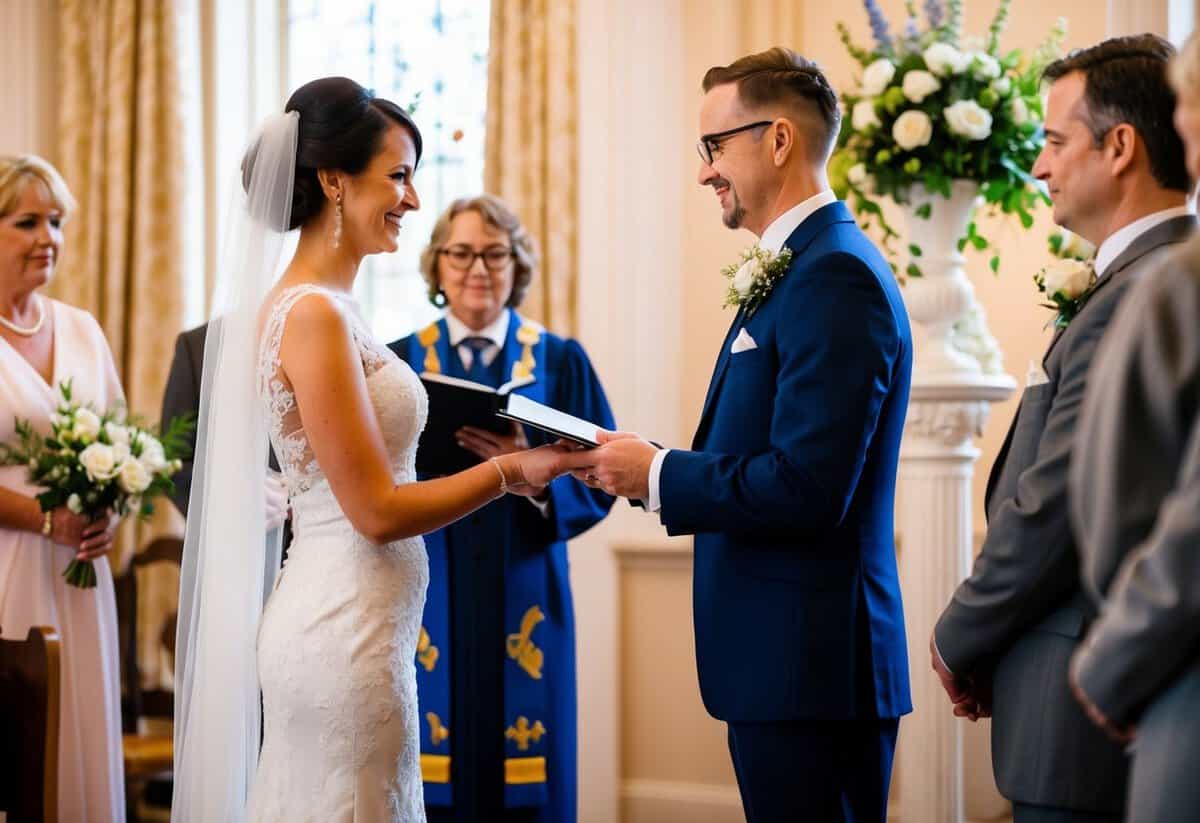
In the UK, there are various types of wedding ceremonies to choose from. Each type offers unique features, allowing you to select what best suits your needs and beliefs. Here’s a closer look at the different options available.
Civil Ceremonies
Civil ceremonies take place at register offices or approved venues. These ceremonies are legally binding and can be conducted by a civil celebrant.
It’s a straightforward process where you will exchange vows and rings, sign the register, and receive your marriage certificate. You have the flexibility to personalize your ceremony with readings, music, and vows that resonate with you. However, civil ceremonies do not include religious content. They are perfect for couples seeking a simple yet meaningful event.
Moreover, civil partnerships are also included under this category, providing same-sex couples with similar legal recognition. You can choose your final venue, making it a convenient option for many.
Religious Weddings
Religious weddings involve ceremonies held in places of worship, such as churches, synagogues, or temples. These ceremonies are led by religious leaders like priests, rabbis, or other faith representatives.
Each religion has its own customs and rituals, which can add depth to your special day. These ceremonies often allow for personal touches, such as readings and music that reflect your faith.
For example, an Anglican Church service includes traditional vows and blessings, creating a rich spiritual experience. If you and your partner are of the same faith, this may be an ideal option. Additionally, religious weddings can include blessings for same-sex couples, promoting inclusivity. Make sure to talk to your religious leader about any specific requirements.
Humanist and Alternative Ceremonies
Humanist ceremonies focus on personal beliefs and values rather than religious traditions. Conducted by a humanist celebrant, these ceremonies offer the freedom to create a tailored experience that reflects your story.
You can include various elements, such as readings, music, and rituals that feel meaningful to you. Since these ceremonies are non-legally binding, it’s essential to register your marriage at a registry office to ensure legal recognition.
Alternative ceremonies might also include themed events or other non-traditional formats. This type of ceremony is perfect if you want complete flexibility and personalization, allowing you to express yourselves in a way that feels right for you.
Special Considerations for Officiants
When choosing an officiant for your wedding in the UK, there are important factors to consider. These include who can officiate, the legal requirements, and options available for same-sex couples. Here’s a closer look.
Non-Traditional Officiants
You can involve non-traditional officiants, like friends or family, if they are registered to officiate. In many cases, they may be able to bring a personal touch to your ceremony.
If you’re interested in this route, make sure they complete any necessary registration ahead of time. It’s important to note that while anyone can conduct a non-legally binding ceremony, only those recognized by law, like a licensed member of the clergy or a celebrant, can make your marriage legal. You’ll still need to have a civil ceremony afterward to be legally married.
Legal Validity and Online Ordination
Some people may consider online ordination to officiate weddings. While this has become popular, it’s crucial to check if your officiant’s ordination is recognized in the UK.
Under current law, an officiant must be registered with the local authority or a relevant religious organization to conduct a legally binding wedding. If your online-ordained friend wants to officiate, ensure they also meet the criteria for your ceremony to be legally valid.
This process often includes filling out a marriage schedule in advance.
Options for Same-Sex Couples
Same-sex couples in the UK have the right to marry. You have various options for your officiant. Licensed celebrants can lead your ceremony and personalize it to reflect your journey together.
If you prefer a religious setting, the Church of England welcomes same-sex couples under certain circumstances. Be sure to check which churches in your area are inclusive if that is something you want.
You can include readings or special moments that represent your relationship, making the ceremony even more special.