
Who Can Officiate at a Church of England Wedding? Understanding Your Options
When you plan your Church of England wedding, you might wonder who can officiate the ceremony. Typically, a vicar, priest, or bishop must conduct a Church of England wedding. These ministers are recognized for their roles in the church and can help you create a meaningful ceremony.
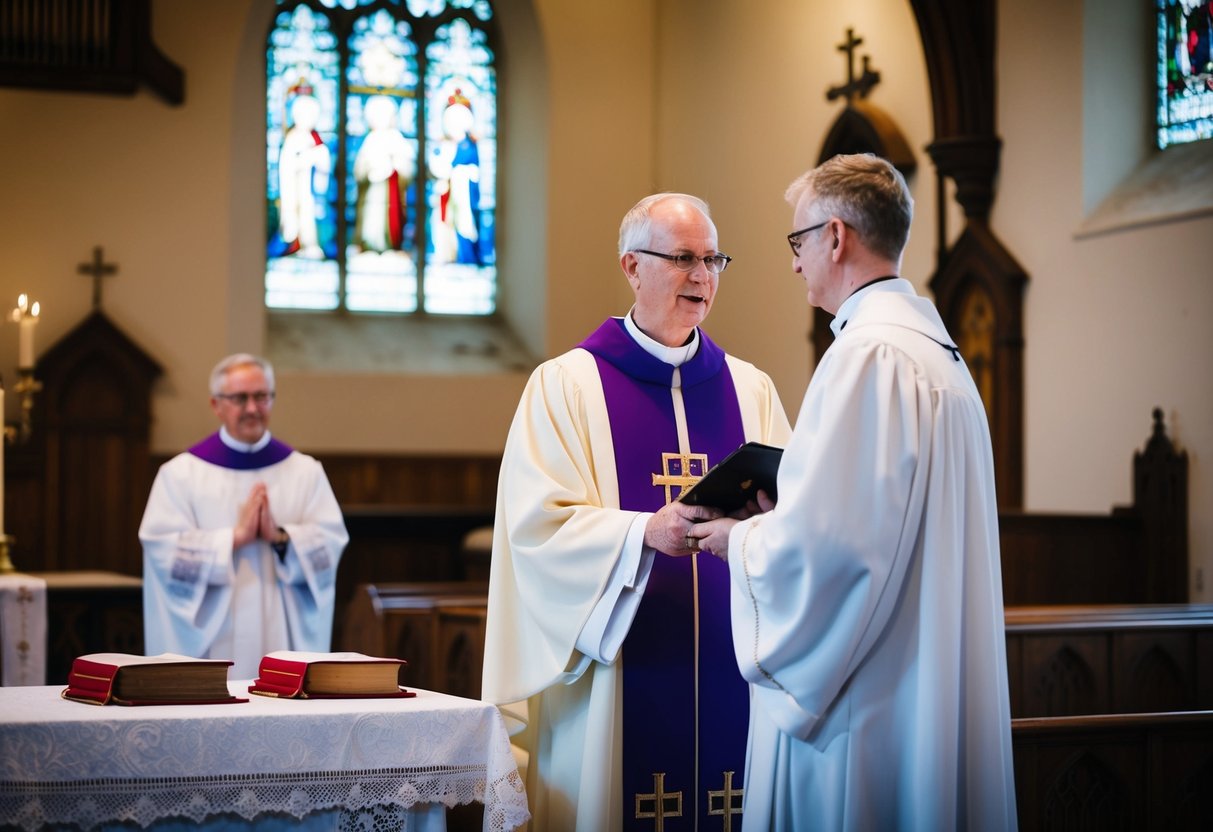
If you want to involve other religious leaders, you should know that they need to have the proper licenses to officiate. This can include figures from various faiths, but for a wedding recognized by the Church of England, a vicar or priest is essential. Understanding these requirements can help you make informed choices as you prepare for your special day.
By exploring the rules and options available, you can ensure that your wedding ceremony meets your wishes while adhering to church guidelines. Knowing who can officiate will help you feel more confident as you plan your beautiful celebration.
Eligibility to Officiate Church of England Weddings
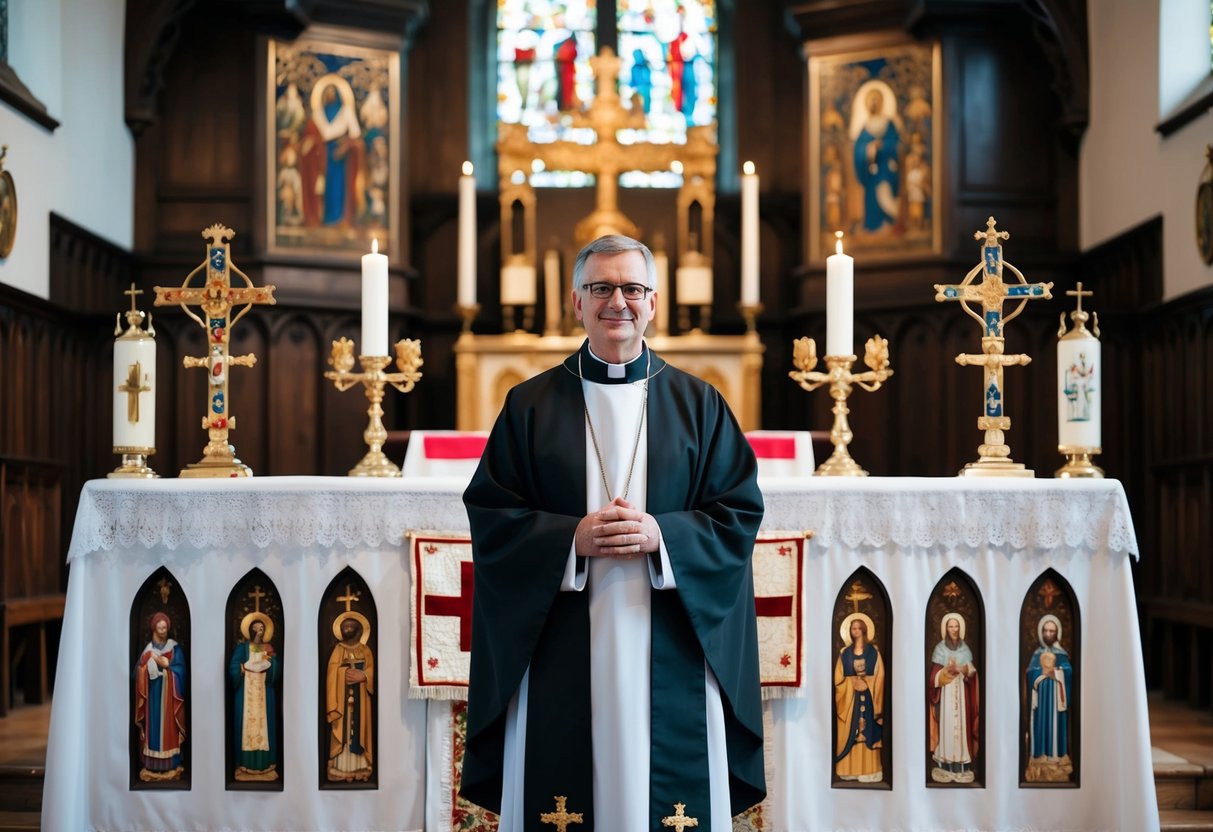
In the Church of England, specific roles are designated to officiate weddings. Understanding who is allowed to perform these ceremonies is important for your planning. The requirements cover licensed clergy and their responsibilities, as well as what you need to know about clergy qualifications.
Licensed Clergy and Their Role
To officiate at a Church of England wedding, you must have a licensed clergy member. This includes priests and bishops who have received formal authorization to conduct wedding ceremonies.
- Priests: They lead most weddings. Priests offer spiritual guidance and perform the ceremony according to the church’s traditions.
- Bishops: In some cases, a bishop may officiate the wedding. They bring a higher level of authority to the ceremony.
- Licensed Members of the Church: Other authorized individuals within the Church, like deacons, may also officiate if they have permission.
This structure ensures that each wedding is meaningful and conducted with the church’s values in mind.
Requirements for Clergy to Officiate
For clergy members to officiate weddings, they must meet specific requirements.
- Be Licensed: They need to be officially licensed by the Church of England.
- Connection to the Church: The clergy must have a connection to the church or community where the wedding takes place. This can involve being a regular attendee or having family ties to the area.
- Training: Clergy should undergo appropriate training in conducting weddings. This allows them to provide the best support during your ceremony.
These criteria help ensure that each wedding reflects the Church’s traditions and your personal beliefs. It’s always a good idea to discuss these details with your chosen officiant.
Legal Considerations and Documentation
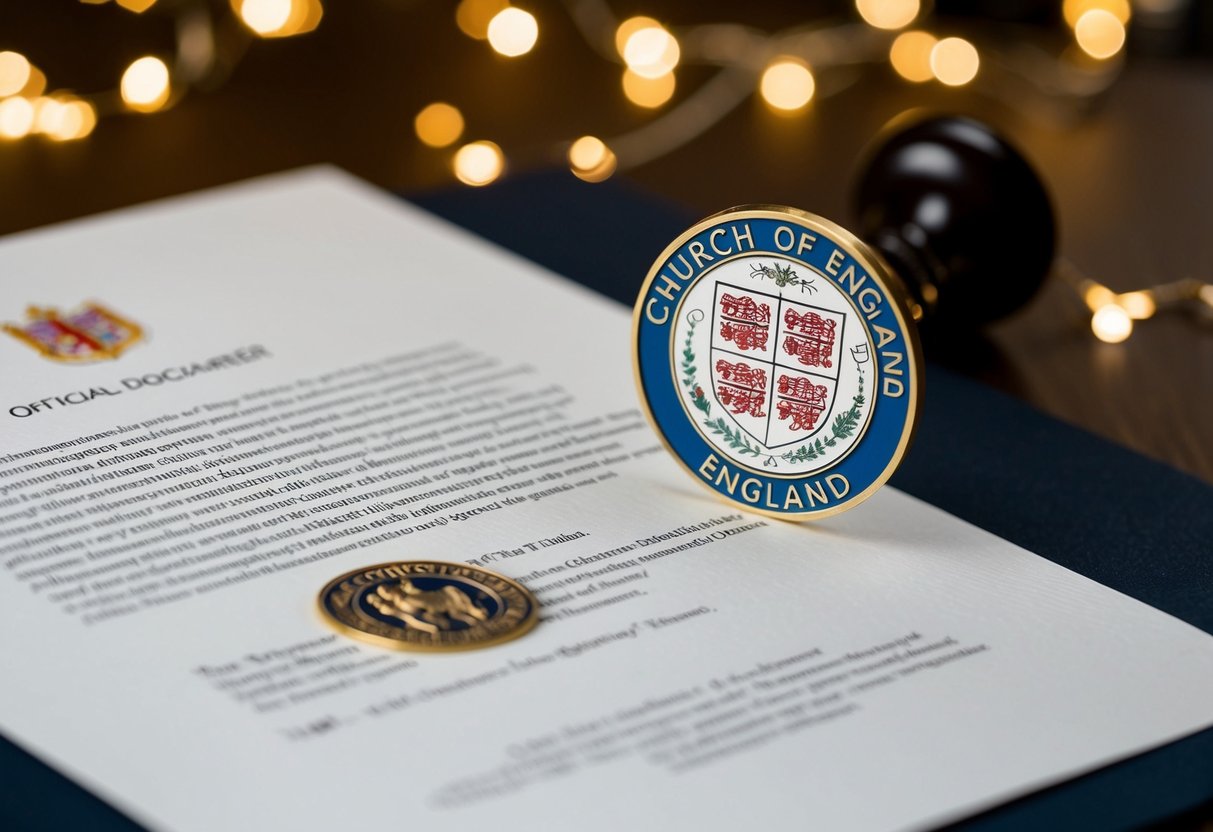
When planning your Church of England wedding, it’s vital to understand the legal requirements and necessary documentation. This helps ensure that your ceremony is recognized as legally binding.
Role of the Registrar in Church Weddings
The registrar plays a key role in your wedding. They ensure that all legal requirements are met before and during the ceremony. This includes giving consent for the marriage to take place.
You’ll need to book an appointment at your local register office. There, the registrar will verify your identification. Bring documents like your passport or a birth certificate, along with proof of nationality.
On the wedding day, the registrar must be present. They will oversee the signing of the marriage register, confirming that the ceremony is valid under law. Your marriage will then be registered by the local authority, ensuring it is legally binding.
Necessary Legal Documents for Marriage
To have a Church of England wedding, certain documents are essential. Start with the Marriage Notice, which states your intention to marry. You will file this at your local register office at least 28 days before the ceremony.
A Marriage Certificate is critical, as it serves as proof of your marriage. You’ll receive this after the wedding when your marriage is registered.
If either of you has been previously married, a Decree Absolute is required to show that the previous marriage has ended. Collecting all these documents in advance can help you avoid any last-minute issues. Make sure everything is in order to enjoy your special day without stress.
Types of Ceremonies in the Church of England
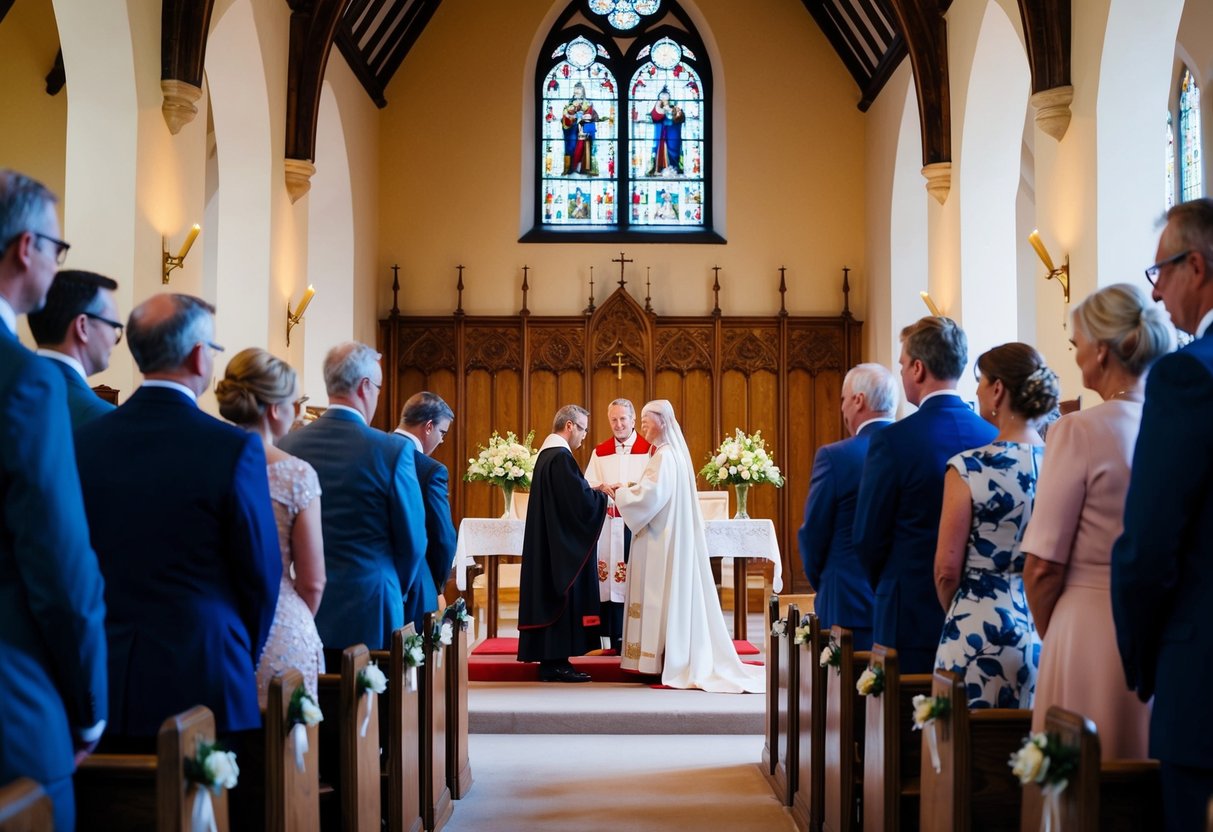
When planning a wedding in the Church of England, you have different ceremony types to choose from. Understanding these options helps you decide what fits your beliefs and preferences.
Traditional Religious Ceremonies
A traditional Church of England wedding is a formal affair held in a church. This ceremony is rich in religious significance, allowing you to make vows in front of God, family, and friends.
The service includes specific prayers, hymns, and scripture readings. You will follow a set script, often taken from the “Marriage Service”.
This approach assures a sacred atmosphere and is an excellent choice if you want a deeply spiritual experience. You might also consider inviting the church choir to enhance the ambiance with uplifting music.
Customized Ceremonial Options
If you prefer a more personalized touch, the Church of England also allows for customized ceremonies. You can still keep certain traditional elements while adding your unique flavor.
Options include selecting specific readings or even creating segments of the ceremony that reflect your journey together. Using a wedding ceremony script generator can help you craft a ceremony that feels personal and meaningful.
While the core components must remain, customizing allows for a balance of tradition and personal expression. This way, your ceremony can truly be a reflection of you and your partner.
Alternative Wedding Celebrants and Venues
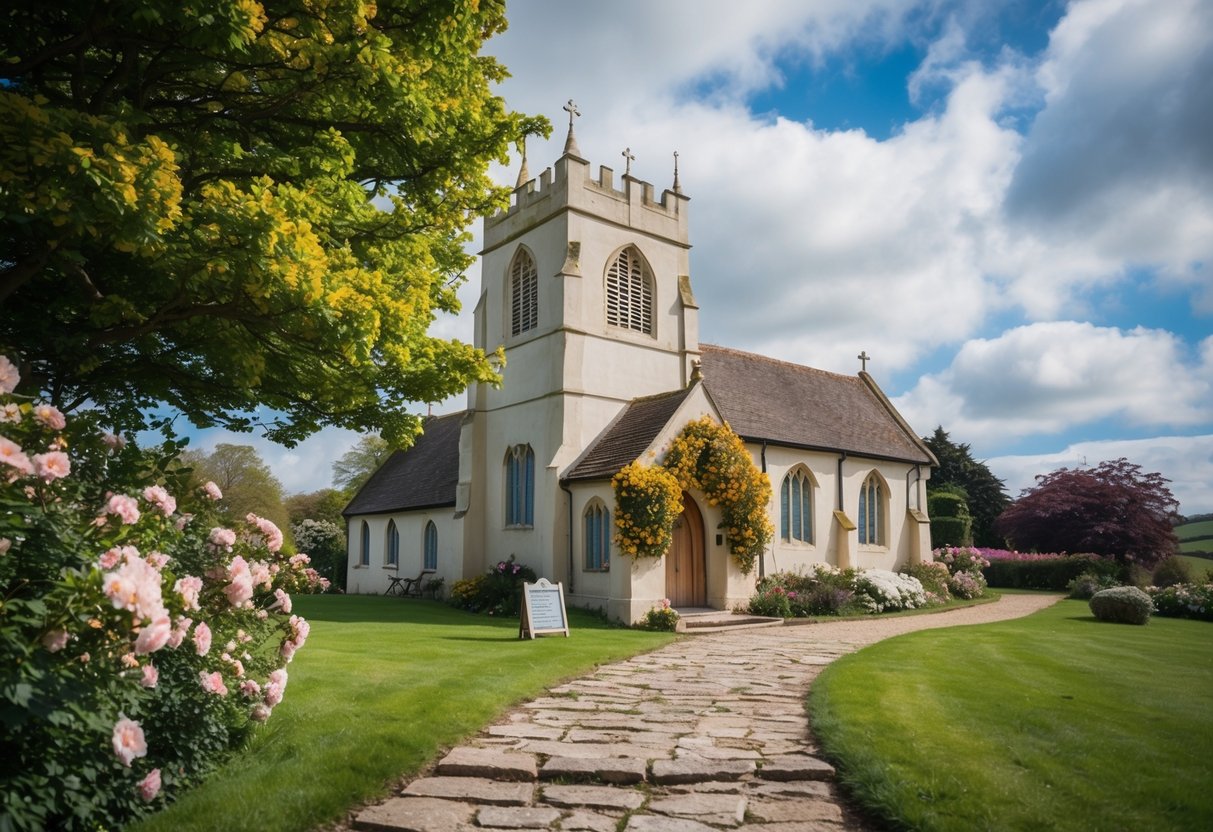
If you’re considering alternatives to a traditional Church of England wedding, there are plenty of options. You can choose from civil and humanist ceremonies, along with a variety of unique venues that cater to your style and preferences.
Civil and Humanist Weddings Explained
Civil weddings are conducted by a civil celebrant or registrar. These ceremonies do not focus on religious elements and allow you to personalize your vows. You can choose your own readings, music, and themes. This flexibility makes civil weddings popular for couples who want to express their individuality.
Humanist weddings, on the other hand, are non-religious ceremonies led by a humanist celebrant. These events celebrate love and commitment without the use of religious texts. You can share personal stories, have significant music, and create a unique atmosphere that reflects your relationship.
Both options allow you to marry legally, so you can enjoy the day you envision without the constraints of a church setting.
Choosing the Right Venue
When selecting a venue for your alternative ceremony, consider what you and your partner value most. Licensed venues are places that can hold civil weddings, such as hotels, barns, or gardens. These locations often provide an enchanting backdrop for your special day.
If you opt for a humanist wedding, your choices expand even more. You might choose to have your ceremony in a scenic outdoor space, a cozy home, or even at a favorite holiday destination.
When deciding, think about what feels right for you. The venue should reflect your personalities and the vibe you want for your wedding. Prioritize comfort, accessibility, and aesthetics to create a memorable day.