
Who Comes in First at a Wedding? Understanding the Order of Procession
When planning a wedding, you may wonder about the order of events, especially who walks down the aisle first. Traditionally, the officiant leads the way, followed by the groom, and then the wedding party before the bride makes her entrance.
Understanding this flow can help you shape your ceremony to fit your style while respecting cultural traditions and wedding etiquette.
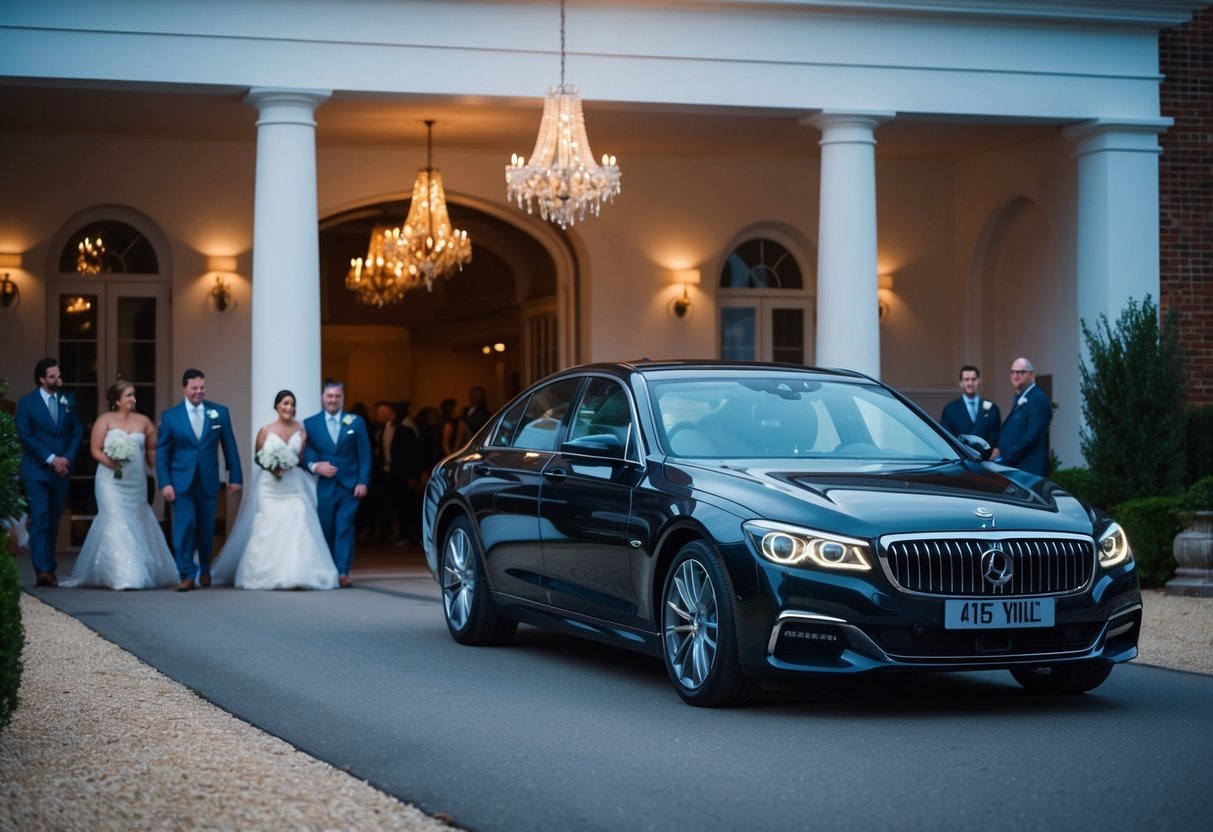
Cultural practices can vary widely, so It’s essential to think about what works best for you and your partner. For instance, some couples choose to personalize the processional order to reflect their unique relationship or heritage.
As you decide, remember that this moment sets the tone for your wedding day.
Considering wedding planning involves many details, knowing who comes in first can ease some of the stress. You can ensure your ceremony runs smoothly and creates a memorable atmosphere for you and your guests. Embrace this exciting part of your wedding journey as you prepare for the big day!
The Wedding Processional Order

The wedding processional is a key part of your ceremony. It sets the tone for the event and includes all the important people in your life.
Knowing who walks in first and the order can help create a meaningful experience for everyone.
Traditional Christian Processional
In a traditional Christian wedding, the processional begins with the officiant, who takes their place at the front of the aisle.
Next, you can expect the groom to enter, often accompanied by his parents. After the groom, the best man and groomsmen follow, creating a strong presence at the front.
The bridesmaids then walk down the aisle, typically in pairs. After them comes the maid of honor, who walks alone.
Finally, the spotlight shifts to you, the bride. You enter last, often on the arm of your father or both parents, making a grand entrance. This order helps highlight your special moment during the ceremony.
Cultural Variations and Modern Twists
Different cultures bring unique traditions to the wedding processional. For example, in some ceremonies, both partners might enter together, symbolizing equality. This is especially common in same-sex weddings, where traditions may be adapted to fit individual preferences.
Some couples choose to include children in the processional, like a flower girl or ring bearer. These roles add a playful touch.
You might also skip the traditional order altogether. Many couples now include variations, such as having family members walk in first. Personalizing your processional makes it uniquely yours, reflecting your values and relationships.
Wedding Invitation Etiquette

When planning your wedding invitations, it’s essential to pay attention to structure and wording. Proper etiquette reflects your style and sets the tone for your special day. Let’s dive into the key elements that you need to keep in mind.
Structure and Wording
Your wedding invitation is your guests’ first glimpse into your big day. Start by clearly stating who is hosting the event. Traditionally, the bride’s parents are named first, as they typically host the wedding.
In terms of wording, you should include the full names of both the bride and groom. Using titles like “Mr. and Mrs.” for parents is common. For example:
- “Mr. and Mrs. John Smith request the honor of your presence at the marriage of their daughter, Jane Smith, to Mr. Mark Johnson.”
Including RSVP details is crucial. Make it easy for guests to respond. Add a line for them to write whether they will attend.
Lastly, consider dress code instructions or registry information in smaller text. This way, guests feel prepared for your celebration.
Additional Details for Guests
Beyond the basics, you can enhance your wedding invitation with thoughtful touches. Save the dates can be a fun teaser. Send these out early, so guests know to keep their calendars clear.
Make sure you incorporate typography that reflects your wedding theme. Choose fonts that are stylish yet easy to read. Keep the spacing neat, so all information is visible at a glance.
Also, let guests know if there are special requests like no children or specific attire. Clear communication ensures everyone knows what to expect.
Wedding Stationery and Day-of Essentials
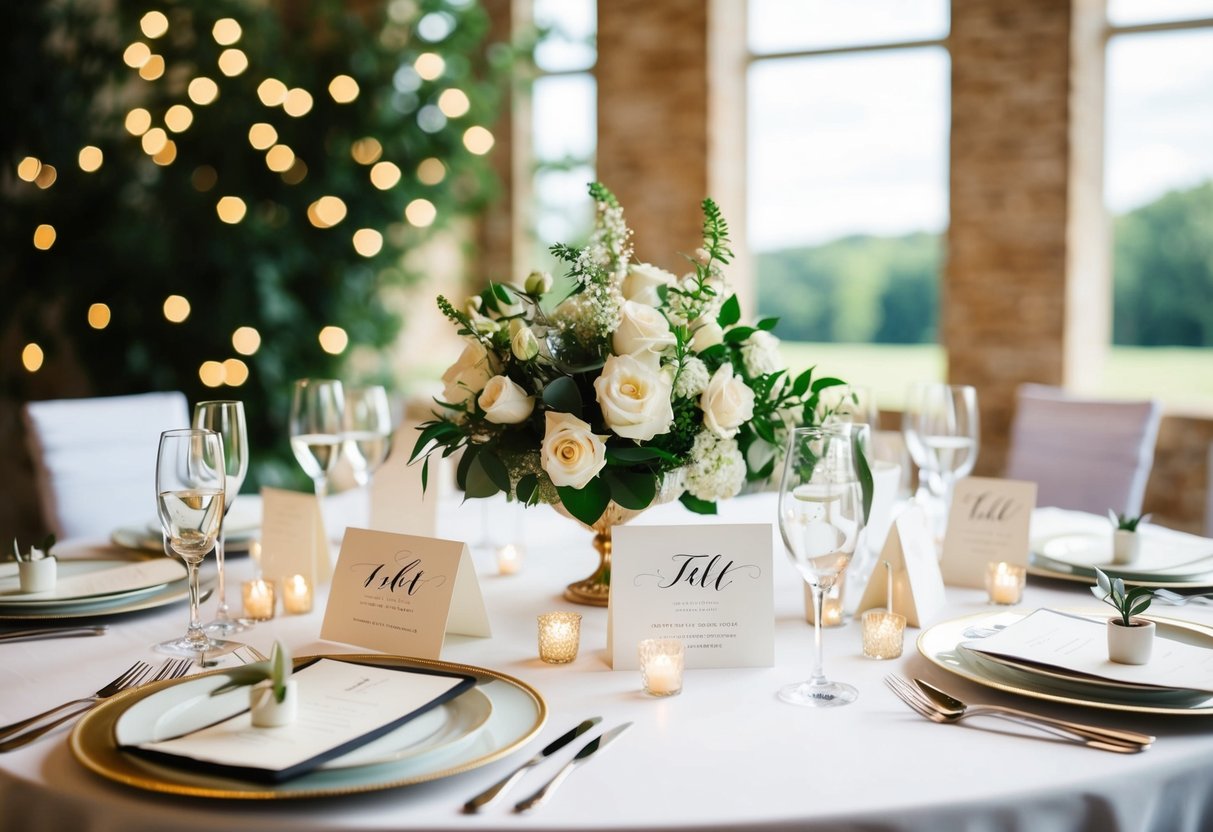
Getting your wedding stationery right is key to setting the tone for your big day. You’ll need to think about everything from invitations to program details, all while making sure they reflect your unique style.
Choosing Your Stationery Suite
Start by selecting your wedding invitations, which should match your theme and color palette.
Consider adding a “Save the Date” to inform guests early. Make sure to include important information like the date, venue, and your wedding registry details.
Typography plays a significant role as well. Choose fonts that are easy to read while still looking elegant. Don’t forget about your initials! Using them creatively on the stationery adds a personal touch.
Finally, think about including other cards like RSVP and menu cards. These details complete your stationery suite and keep your guests informed about what to expect.
Ceremony and Reception Touches
Your ceremony programs help guide guests through the event. They usually include the order of service and any special blessings. You might want to note the names of the wedding party in alphabetical order to avoid any awkwardness.
At the reception, consider using seating arrangements displayed on a board or cards. This makes it clear where your guests should sit.
Small details like napkins personalized with your initials can make a big impact. Also, if you’re having a wedding cake, think about how you’ll label or display it to enhance your decor. Each of these touches adds to the overall experience for your guests and makes your wedding day memorable.