
Who Comes Out First in a Wedding? Understanding the Procession Order
When planning your wedding, you might wonder about the order of the processional. Typically, the officiant walks in first, followed by the grandparents, parents, wedding party, and finally, the bride. Each participant plays a special role that helps set the tone for your ceremony.
Understanding who walks out when can add a sense of organization and flow to your big day. Knowing the ceremony order helps everyone involved know what to expect. This anticipation builds excitement for you and your guests.
As you map out your wedding processional, consider your traditions and personal touches. Every wedding is unique, and the order can vary based on cultural or personal preferences. This is your special day, and the choices you make will reflect your story!
Traditional Wedding Processional Order
The wedding processional is a beautiful moment where everyone walks down the aisle in a specific order. This part of the ceremony sets the tone for the events to follow. Here’s a closer look at the roles and responsibilities involved, as well as how different cultures approach the processional.
Roles and Responsibilities
In a wedding, the processional order includes various key players. Each has a specific role that enhances the ceremony.
- Officiant: Usually the first to enter, the officiant sets the stage for the marriage.
- Grandparents: They often follow, representing family heritage and support.
- Parents: Typically, the groom’s parents walk in next, followed by the bride’s parents, symbolizing their blessings.
- Bridesmaids and Groomsmen: They walk down the aisle in pairs, with bridesmaids usually entering before groomsmen.
- Maid of Honor and Best Man: These two come in last before the bride and groom, standing close to them during the ceremony.
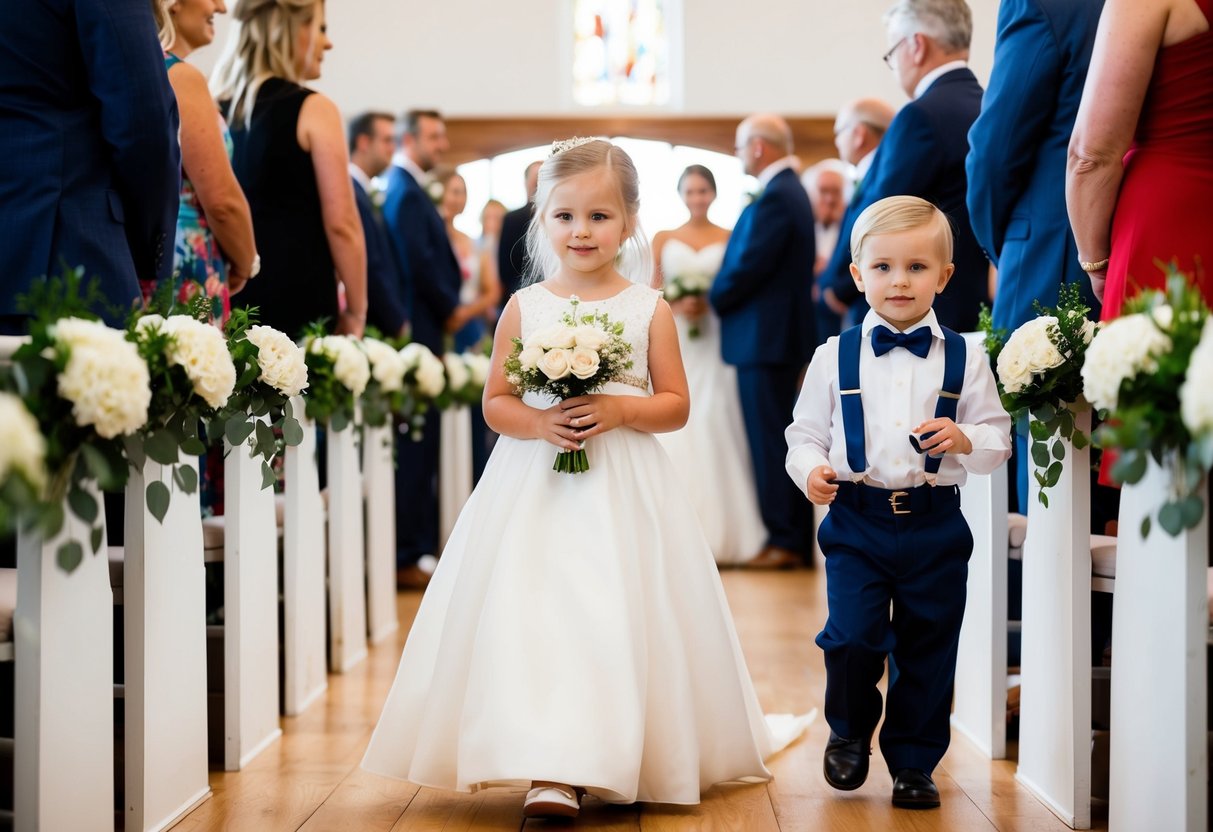
- Flower Girl and Ring Bearer: Often the youngest members, they make a charming entrance before the bride.
Each person plays an important role in creating a memorable atmosphere.
Christian Wedding Processional
In a traditional Christian wedding, the processional order is typically structured and formal. It often starts with the officiant and may include the following sequence:
- Parents of the Groom
- Grandparents
- Bridesmaids
- Groomsmen
- Maid of Honor and Best Man
- Bride: She walks in last, usually accompanied by her father or a parental figure.
This order emphasizes the bride’s importance, making her entrance a heartfelt moment. The ceremony usually follows Christian customs, and music plays a significant role in enhancing the mood.
Jewish Wedding Ceremony Structure
The Jewish wedding processional, known as the “Badeken,” has its own unique elements. The structure is as follows:
- Officiant: Introduces the ceremony at the chuppah (wedding canopy).
- Parents of the Groom
- Grandparents
- Parents of the Bride: Often walk down together, symbolizing unity.
- Bridesmaids and Groomsmen: Partners may walk together, signaling equality.
- Bride: Traditionally, she is escorted by both parents, highlighting family bonds.
Jewish weddings often incorporate special rituals like circling and the signing of the ketubah, adding to the emotional depth of the ceremony.
Varied Cultural Customs
Different cultures have distinct customs for the wedding processional. For instance:
- Indian Weddings: The groom usually arrives on horseback in a lively procession called the “baraat,” while the bride is often escorted by her family.
- African Weddings: The processional can feature vibrant traditional attire, with families playing a crucial role in the entrance.
- Celtic Ceremonies: Rituals may include handfasting, where the couple’s hands are tied together.
Understanding these customs can help you incorporate unique elements into your own wedding, reflecting your heritage and values. Each culture brings something special to the wedding processional.
Special Moments During the Ceremony
During the wedding ceremony, there are several special moments that create lasting memories. Each part holds significance, from exchanging vows to celebrating your first kiss as a married couple. These moments symbolize love and commitment, making the day unique and personal.
Vows and Ring Exchange
The vows are one of the most meaningful parts of your wedding ceremony. This is the moment when you express your love and commitment to each other. You may choose to write your own vows or use traditional ones.
Following the vows, the ring exchange takes place. This part includes placing wedding rings on each other’s fingers. The rings serve as a physical reminder of your promises. Their circular shape symbolizes eternity, representing a never-ending bond.
Readings and Blessings
Readings can add a personal touch to your ceremony. You might ask a family member or friend to read a passage that resonates with you as a couple. Common choices are poems, religious texts, or quotes about love.
Blessings often come after the readings. They can be formal or informal, depending on your preference. These blessings invite everyone to share in your joy and offer their support for your new journey together.
The Significant Kiss
The kiss is a highlight of the ceremony, capturing the love shared between you. This moment marks the official union and is usually met with applause and cheers from guests.
Make this moment memorable by pausing for a moment to embrace each other after the kiss. This brief moment can be just as special as the kiss itself, allowing you to soak in the joy of your union.
Recessional and Ceremony Conclusion
The recessional follows the kiss, signaling the end of the ceremony. As you walk down the aisle together, you may choose to hold hands or embrace.
This moment is often filled with music, cheers, and confetti. The excitement in the air can create a joyful atmosphere as you take your first steps as a married couple. Guests often join in the celebration, congratulating you as you exit the ceremony space.
Optimizing the Entrance for Everyone
Creating an enjoyable and memorable entrance for your wedding ceremony requires careful planning. Focusing on the roles of ushers, thoughtful seating arrangements, and managing the processional music will enhance the experience for you and your guests.
The Role of Ushers
Ushers play a crucial part in setting the tone for your wedding. They greet guests as they arrive and guide them to their seats. It’s helpful to assign ushers who are friendly and familiar with your family and friends.
To prepare your ushers, provide them with a detailed plan of the seating arrangements. Make sure they know where the parents of the bride and groom will sit. Consider having them hold programs to help guests find their seats easily.
Seating Arrangements
Seating arrangements are essential to ensure everyone, especially family members like the parents of the bride and groom, is well accommodated. You may opt for a traditional setup, where family members sit in specific sections.
Suggested seating order:
- Front Row: Parents of the bride and groom, grandparents
- Second Row: Other close family and friends
- Remaining Rows: General guests
Make name cards for easier navigation, and consider having a seat for the groom’s parents and the bride’s mother close to the front. This helps honor their roles during the ceremony.
Managing the Processional Music
Choosing the right processional music sets the mood for your wedding. The entrance of the wedding party should be carefully timed with the music to create a smooth flow.
You can select a meaningful song that resonates with you and your partner. Typically, the officiant enters first, followed by the groom with his parents. The bride usually enters last, accompanied by her father, which is a classic tradition.
Discuss the processional with your DJ or live musicians, providing them with a clear timeline. This ensures they know when to start and stop the music for each entrance. A well-timed song can make each entry feel significant and special.
Personalizing Your Wedding Processional
Personalizing your wedding processional can make the ceremony truly yours. By blending traditions, including unique elements, and utilizing helpful templates, you can create a memorable experience.
Fusion of Traditions
Combining different cultural traditions in your processional can add depth to your ceremony. For example, if you want to honor both sides of your family, consider integrating elements from a nondenominational wedding along with specific customs of a military wedding.
You might have the bride walk in with her father, followed by a baraat, which is a festive procession popular in Indian weddings. Another idea is using a chuppah to create a special focal point during the ceremony. This fusion allows you to celebrate your heritage while making the day feel uniquely personal.
Inclusion of Non-traditional Elements
Incorporating non-traditional elements can make your wedding processional stand out. Think about including a special song that holds significance for you and your partner, rather than the typical choices. This can enhance the mood and set a heartfelt tone.
You can also have close friends or family play instruments during your entrance, adding a personal touch. If you choose a civil ceremony, consider having your wedding officiant share a story about your relationship. Personal touches like these create an engaging atmosphere for you and your guests.
Printable Templates and Planning Tools
Using printable wedding processional order templates can simplify your planning. These templates help you outline the order in which everyone enters, ensuring a seamless flow.
You can create a simple list detailing each person’s role. For instance, the bride and her father might come first, followed by bridesmaids and groomsmen.
Many websites offer customizable templates to help you. Using these tools makes your planning process easier and keeps you organized, allowing you to focus on your special day.