
Who Do I Invite to My Wedding? A Simple Guide to Your Guest List
Choosing who to invite to your wedding can feel overwhelming, but it’s an important step in your wedding planning journey.
Start with your closest friends and family, and consider including those who have played a significant role in your lives. This will help ensure that your wedding day is filled with loved ones who truly support your union.

Think about the overall atmosphere you want on your special day. Do you envision an intimate gathering or a grand celebration?
Your guest list will impact not only your budget but also the vibe of your event.
Remember to discuss the guest list with your partner and consider any family expectations. Balancing your desires with the preferences of those close to you can make the process smoother and help create a memorable wedding day.
Crafting Your Wedding Guest List
Creating your wedding guest list is an important part of planning your big day.
You’ll want to consider how many people you can invite based on your venue and budget. Understanding guest list etiquette will also help you make the best choices for your celebration.
Determining the Size of Your Wedding
First, think about the size of your wedding. The average guest list can range around 100-150 guests.
Your venue capacity plays a big role in this decision. If your venue can only hold 50 people, you’ll need to create a smaller list.
Next, factor in your budget. The more guests you invite, the higher your wedding costs may be. Consider expenses like catering, seating, and favors.
To keep costs manageable, create a guest list that aligns with your budget constraints.
Make a rough list of everyone you’d like to invite. You can later narrow it down as needed to fit your venue and budget.
Understanding Guest List Etiquette
When creating your guest list, following guest list etiquette can help maintain good relationships.
Start by inviting close family, such as parents, siblings, and grandparents. Friends you are close to should also be prioritized.
Be mindful of plus-ones. Often, it’s polite to allow partners to attend, especially for longer relationships. However, for casual acquaintances, you might choose to limit invitations to just the individual.
If you have coworkers or friends you can’t include, be honest but kind when discussing your decisions. Clear communication helps manage expectations and avoid hurt feelings.
By considering these factors, you can create a thoughtful guest list that fits your vision for your wedding day.
Who to Invite
Choosing your wedding guests can feel overwhelming. You want to include those who matter the most, while also considering space and budget. Here’s how to navigate your guest list.
Prioritizing Immediate Family
Start with your immediate family. This group often includes your parents, siblings, and their partners. It’s customary to invite them, as they play important roles in your life.
If you have children, don’t forget to include them too. You may also want to consider inviting grandparents, as celebrating your wedding can be a special moment for them.
Think about how relationships have evolved; if you’re close with a sibling’s partner, they should also be included. This helps create a warm atmosphere on your big day.
Including Relatives and Extended Family
Next, look at your extended family. This can include aunts, uncles, and cousins.
Decide how close you feel to each relative. You might invite all your aunts and uncles but keep the cousin list small, focusing on those you see regularly.
Make sure to draw the line somewhere to keep the list manageable. A helpful tip is to create a family tree to visualize connections and relationships.
It’s also essential to consider family friends, especially those who have been a significant part of your upbringing. This can add a nice personal touch to your celebration.
Friends and Acquaintances
Friends come next on your list. Think about your closest friends first. These are the people who have been there for you.
After that, consider including friends from various stages of your life, such as college or high school. If your friendship has faded but you still feel a connection, it might be kind to send an invitation.
Acquaintances can be tricky. If someone isn’t on your close friends list but you have a friendly relationship, ask yourself if you’d enjoy their presence on your special day. Sometimes, a small gathering is better suited for closer friends.
Colleagues and Professional Contacts
Don’t forget about your colleagues. If you have a good working relationship with someone, inviting them can add a friendly touch.
You could also consider inviting a few close coworkers who have supported you professionally or personally.
However, be cautious about making the guest list too long with colleagues. Aim to keep it balanced. If you decide to invite colleagues, be clear about boundaries to avoid mixing work with personal life too much.
Special Considerations for Invitations
When planning your wedding invitations, there are specific factors to think about. Managing guest lists and understanding the details around plus-ones and destination weddings can save you time and stress.
Each guest is different, and knowing how to handle responses will help you feel more in control.
Managing Plus-Ones
Deciding on plus-ones for your wedding invitations can be tricky. It’s important to think about your guest relationships.
Generally, close friends or those in serious relationships can bring a guest.
Create a simple guideline. For example:
- Couples in long-term relationships get invites for both.
- Single friends may be given a plus-one at your discretion.
Include “plus one” clearly on the wedding invitation. This way, guests know they can bring someone. It helps them feel more comfortable and enjoy the day with a friend by their side.
Destination Wedding Invites
Destination weddings come with their own set of rules for invitations.
First, inform your guests early, ideally six to eight months before your wedding. This allows them time to plan travel and accommodations.
Make sure to share important details about the destination. Your guests will need to know:
- The wedding venue address
- Local accommodation options
- Travel tips or best times to visit
Sending a wedding website can also help. It provides guests with all the information they need and allows them to RSVP easily.
The Role of RSVPs
RSVPs are vital for planning.
Set a clear RSVP deadline, usually about 4-6 weeks before the wedding. This helps you finalize numbers for seating, catering, and other arrangements.
In your invitation, clearly state how guests should respond. This could be via a mailing returned postcard, a wedding website, or email.
Remember to follow up with individuals who haven’t responded.
Keeping track of who is coming makes your planning smoother. It allows you to enjoy your engagement without the stress of last-minute surprises.
Pre-Wedding Events and Additional Gatherings
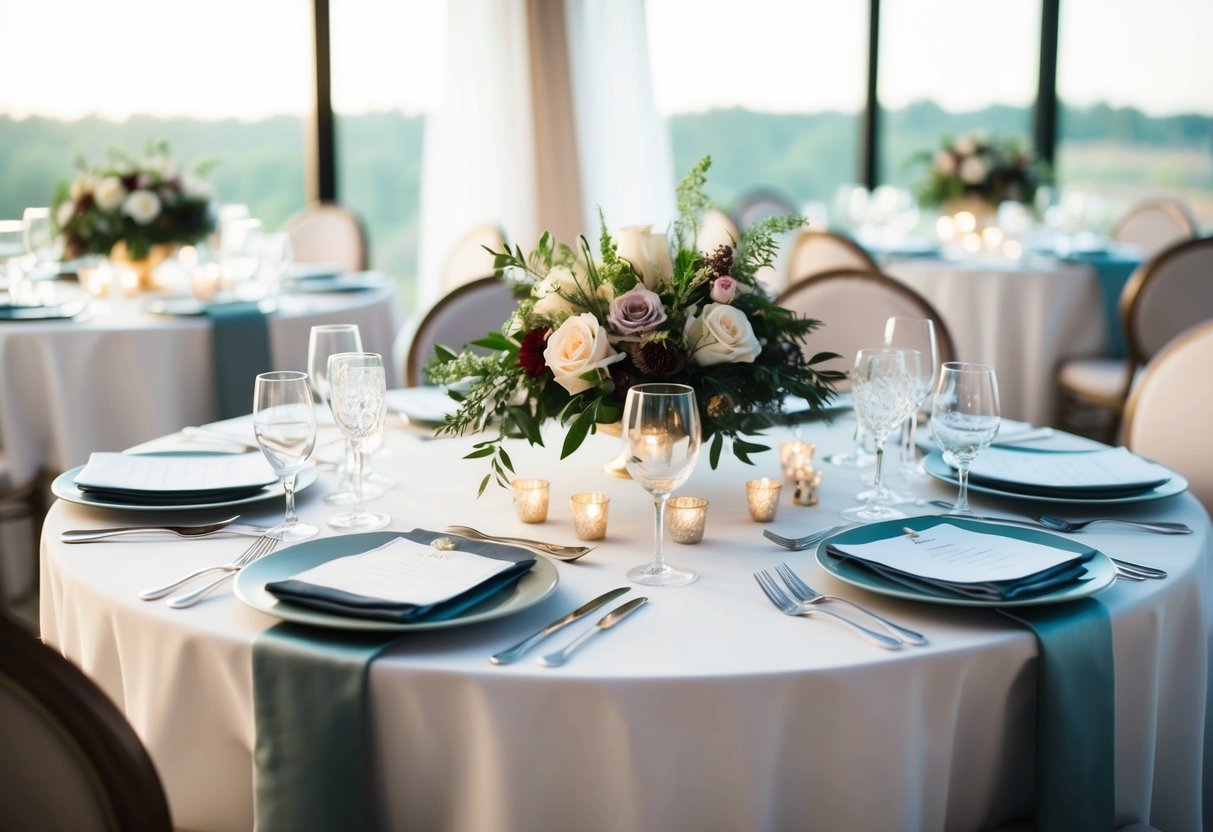
Planning your wedding involves more than just the big day. Pre-wedding events help celebrate your upcoming marriage and give you a chance to connect with loved ones.
One of the most common gatherings is the bridal shower. Friends or family typically host this event. They use it to gather gifts and share advice. It’s also a great opportunity for your guests to mingle.
Don’t forget about the bachelorette party! This is a special time for you and your closest friends to unwind before the wedding. Whether you choose a night out or a relaxed weekend away, make sure it reflects your personality.
Your wedding party plays a big role in these events. They help plan and organize, ensuring everything goes smoothly. Discuss with them how they can assist in creating memorable experiences.
Lastly, consider how these gatherings fit into your seating chart for the wedding. Understanding your guest list from pre-wedding events can help you decide who to invite to the wedding itself.
Here’s a quick list of common pre-wedding events you may want to include:
- Bridal Shower
- Bachelorette Party
- Rehearsal Dinner
- Welcome Party
Having a mix of events allows everyone to celebrate your love story, creating special memories leading up to your wedding day.