
Who Do You Invite to a Destination Wedding? Essential Tips for Making Your Guest List
Planning a destination wedding can be exciting yet daunting, especially when it comes to creating your guest list. When deciding who to invite, consider your closest family and friends who will support you on your special day and can travel to your chosen location. It’s important to strike a balance between inviting those you cherish and keeping in mind the travel logistics for your guests.
Think about the size of your wedding and the atmosphere you want to create. If it’s an intimate gathering, stick to immediate family and dear friends. For a larger celebration, consider including more distant relatives and acquaintances who are meaningful to you. Remember that destination weddings often come with added costs for guests, so be mindful of how many people you ask to join you in paradise.
By carefully selecting your guest list, you can ensure that your destination wedding is filled with love, laughter, and the people who matter most to you. This thoughtful planning makes your celebration even more memorable.
Crafting Your Guest List
Creating your guest list for a destination wedding can be tricky. You want to include the right people while keeping costs and logistics in mind. Let’s break down the main elements you should consider.
Family and Close Friends
Start with your family and close friends. These are the people who matter most in your life. Make a list of immediate family members and best friends you can’t imagine celebrating without.
Consider how many family members will attend, including parents, siblings, and any other close relatives. Upholding family traditions can also guide your choices. You might want to involve your parents as well. They may have specific guests they’d like to include.
Adding your closest friends ensures you have a supportive group around you. Think about those who have shared significant moments in your life. Their presence can make your day even more special.
Plus Ones and Wedding Party Considerations
Decide on your wedding party first. This group of special people will be by your side throughout the planning. How many are there? Each person in the wedding party usually has a plus one. Depending on the size of your party, this can add to the total number of guests.
You should also consider the rules for plus ones. Are you offering them to everyone or only to married or engaged guests? This choice can affect your logistics, so think about how it impacts your guest list size.
Make sure to communicate with your wedding party about your plans. They can help spread the word and manage expectations regarding the guest list.
Balancing the Numbers
Balancing your guest list is crucial for a destination wedding. Smaller guest lists often lead to a more intimate atmosphere, but you may feel the pressure to include everyone. It’s helpful to create an “A-list” of must-invite guests and a “B-list” for those you consider later.
When planning, consider the venue’s capacity and your budget. Each guest adds costs for meals, accommodations, and activities. Be mindful of these factors while crafting your list.
Stay organized with a spreadsheet or list to track invites and RSVPs. This will help you manage the numbers easily and adjust as needed.
Sending Your Invitations
When planning a destination wedding, sending the right invitations is crucial. You want to ensure your guests have all the necessary details and feel excited to join your celebration. This includes choosing appropriate save-the-dates and crafting the perfect invitation wording.
Choosing the Right Save-the-Dates and Invitations
Start by sending out save-the-dates about 9 to 12 months in advance. This gives your guests ample time to plan their travel. You can choose fun designs that match your wedding theme.
For your formal invitations, aim to send them 4 to 6 months before the wedding. Use a clear layout that includes the location, date, and time. Mention any travel arrangements or group rates if applicable.
Make it easy for your guests by including a link to your wedding website where they can find more details.
Crafting Your Invitation Wording
The wording of your invitations should be welcoming yet informative. Start with your names followed by the phrase “request the honor of your presence” or “invite you to celebrate.”
Include essential details like the date, venue, and reception information. If you have a wedding registry, it’s best to avoid mentioning it in the invitation, as this is considered poor etiquette.
Consider adding a personal touch by including a short note about your wedding location, especially if it’s a unique or special place.
Timelines and RSVPs
Timelines are important when planning your wedding invites. Send save-the-dates about 9-12 months ahead, followed by formal invitations 4-6 months before the event.
Make sure to include an RSVP by a specific date, usually 2-4 weeks after sending the invites. This helps you get a headcount for catering and seating arrangements.
You might also want to offer options for guests to RSVP online. This can simplify the process and ensure you receive responses promptly.
Planning the Logistics
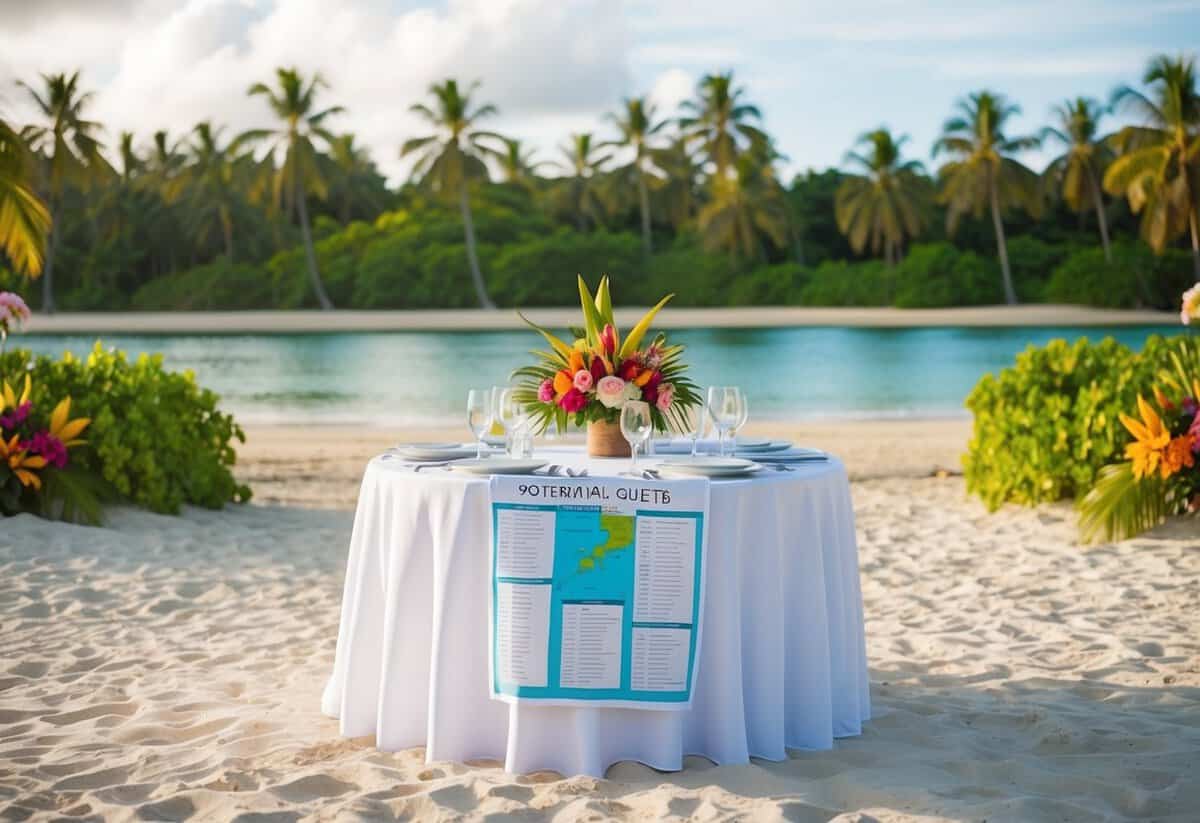
Planning a destination wedding requires careful attention to logistics. You’ll need to ensure your guests can travel easily and have a comfortable place to stay. Collaborating with a local wedding planner will also help to manage the details.
Travel Arrangements for Guests
Start by creating a travel guide for your guests. Include important information such as the best airports, transportation options, and local attractions.
Consider booking a block of airline tickets at a discounted rate. You can negotiate with airlines that fly into your wedding destination.
Encourage guests to check travel websites, and include links on your wedding website for ease of access. This way, everyone can find the information they need without hassle.
Securing Accommodations
Finding the right accommodations is key for your guests’ comfort. Research local hotels and resorts that offer group rates.
List options on your wedding website, so your guests can easily choose a place to stay. Include descriptions of the amenities and proximity to the wedding venue.
Consider hosting your wedding at a resort, which often has packages that include accommodations. Work with the resorts to secure group discounts.
Collaborating with a Local Wedding Planner
Engaging a local wedding planner can make a big difference. They have firsthand knowledge of reliable vendors and venues.
Ask them to help you with logistics like catering, rentals, and transportation.
A planner can also assist with creating a timeline and coordinating activities leading up to the big day. This ensures that everything runs smoothly.
Your wedding planner can provide valuable insights on cultural norms and local regulations, making your celebration even more enjoyable.
Setting the Scene
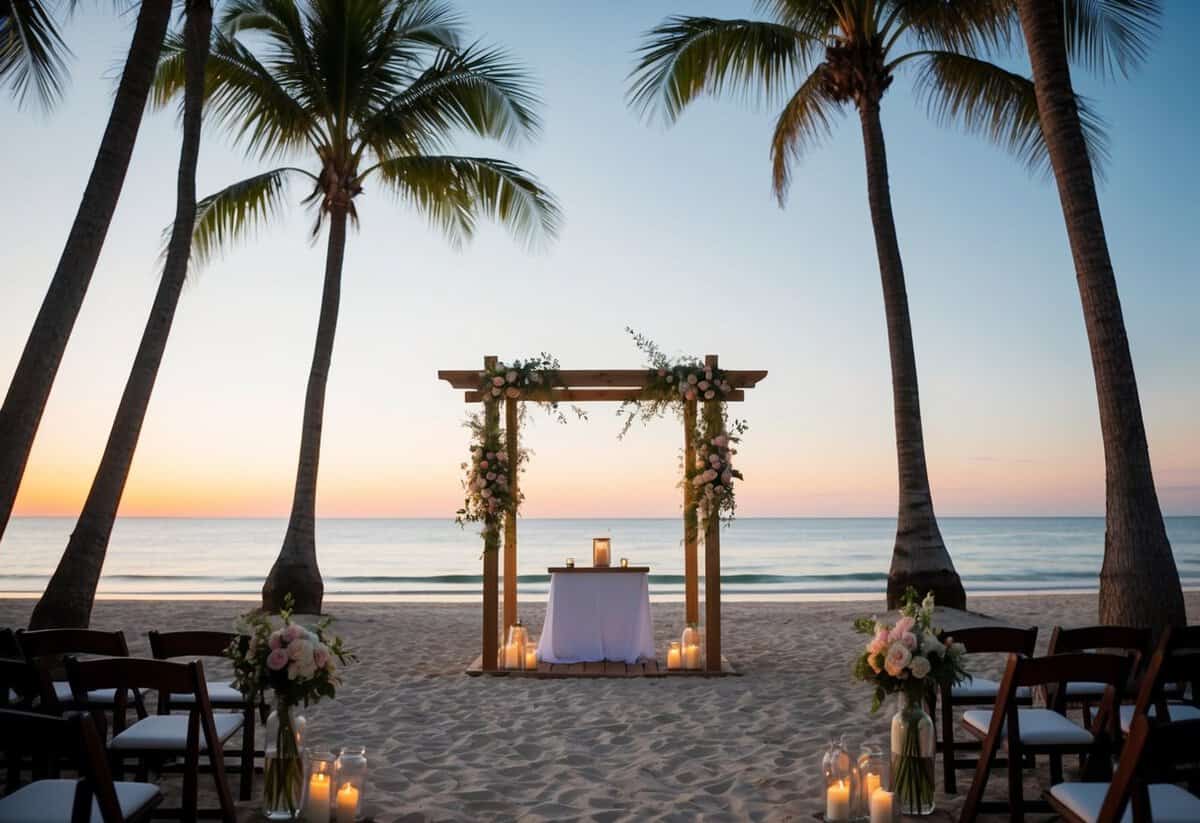
Creating the right atmosphere for your destination wedding is crucial. You want your guests to feel welcome and excited about joining your celebration in a beautiful location. The venue and the reception design play big roles in achieving this.
Selecting the Perfect Venue
Choosing the right venue sets the tone for your wedding. Start by considering the location and the type of experience you want. Think about whether you prefer a beach, a vineyard, or a historic site.
Make sure the venue can accommodate your guest list comfortably. Check if it has essential amenities like restrooms, parking, and accommodations nearby.
You’ll also want to take into account any local rules or restrictions. For instance, some places require permits for certain activities.
Ultimately, the venue should reflect your personality as a couple. It should feel like the perfect backdrop for your special day.
Designing Your Wedding Reception
Once you have your venue, focus on designing your reception. Think about the flow of the space and how guests will move around.
Consider a layout that encourages mingling.
Decide on a color scheme and decor that match the venue and your style. Use elements like flowers, lighting, and table settings to create a warm atmosphere.
Don’t forget to incorporate local touches that reflect the culture of your destination. This adds a unique flavor to your event, making it memorable for your guests.
Ensure the seating arrangement promotes a friendly atmosphere. Mixing guests can help them feel included and engaged.
Keep it fun and inviting!