
Who Do You Invite to Wedding Dinner? Tips for Creating Your Perfect Guest List
Planning your wedding dinner can feel overwhelming, especially when deciding who to invite. The guest list typically includes immediate family, wedding party members, and close friends. It’s a chance to celebrate with those who matter most to you. This gathering is not only about sharing a meal but also about enjoying precious moments with loved ones before the big day.
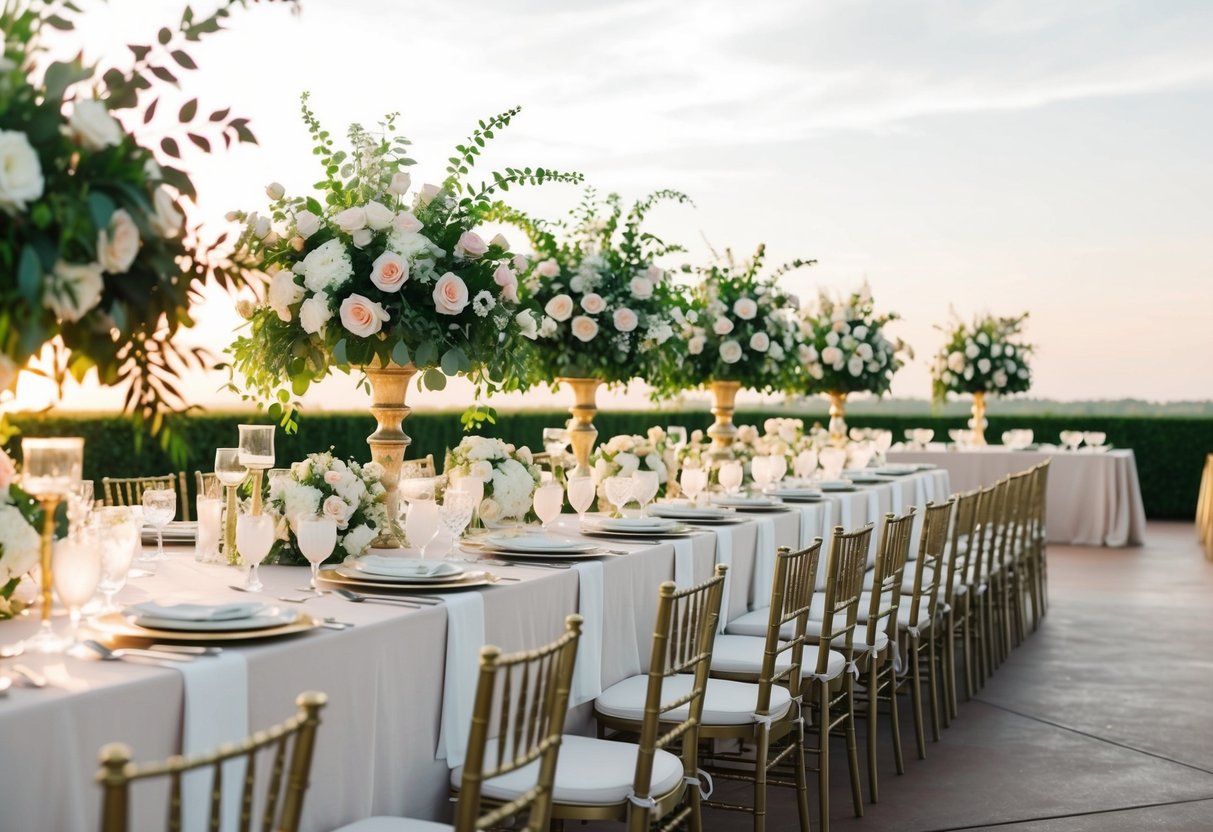
Think about who you want by your side as you prepare for your wedding. A gentle introduction at the dinner helps set the tone for the celebration. You might also consider inviting the wedding officiant, as their presence adds to the ceremony’s significance.
Remember, the wedding dinner is an opportunity to express gratitude to those who support you. It’s a time for heartfelt connections and joyful conversations, making the evening memorable for everyone involved.
Creating Your Guest List
When planning your wedding dinner, creating your guest list is one of the most important tasks. You need to consider how many guests to invite, which family members to include, and how to decide on friends and relatives. Here are some tips to help you through this process.
Determining the Size of Your Wedding
First, think about the size of your wedding. The number of guests will affect your budget, venue, and overall experience.
- Set a Budget: Decide how much you can spend per guest. This will help you narrow down your list.
- Guest List Limit: Discuss with your partner and families how many people they’d like to invite. Common limits range between 50 and 200 guests.
- Venue Capacity: Ensure the venue can accommodate your guest list. If it’s small, you may need to cut down on your invitees.
These steps will give you a solid starting point for your guest list.
Immediate and Extended Family
Your immediate family often takes priority on your guest list. This typically includes:
- Parents: Always invite your parents and your partner’s parents.
- Siblings: Make sure to include brothers and sisters, along with their partners.
- Immediate Family: This can also consist of grandparents, if they are still with you.
Once you have listed immediate family, consider extended family. This includes:
- Aunts and Uncles: Invite them if you have a close relationship.
- Cousins: You may include cousins who you frequently see or grew up with.
Involving family is key, as weddings are often times for family reunions.
Friends and Relations
Next, think about your friends and relations. These are the people who’ve supported you in life.
- Close Friends: Start with your best friends. They should definitely make the list.
- Plus-Ones: If your friends are in relationships, consider allowing them to bring a plus-one.
- Work Friends: If you have a special bond with colleagues, include them as well.
- Acquaintances: Be cautious with inviting distant friends. It can add unnecessary guests.
Creating a balanced guest list that reflects your relationships will ensure the wedding dinner is filled with love and support.
The Wedding Party and Special Guests
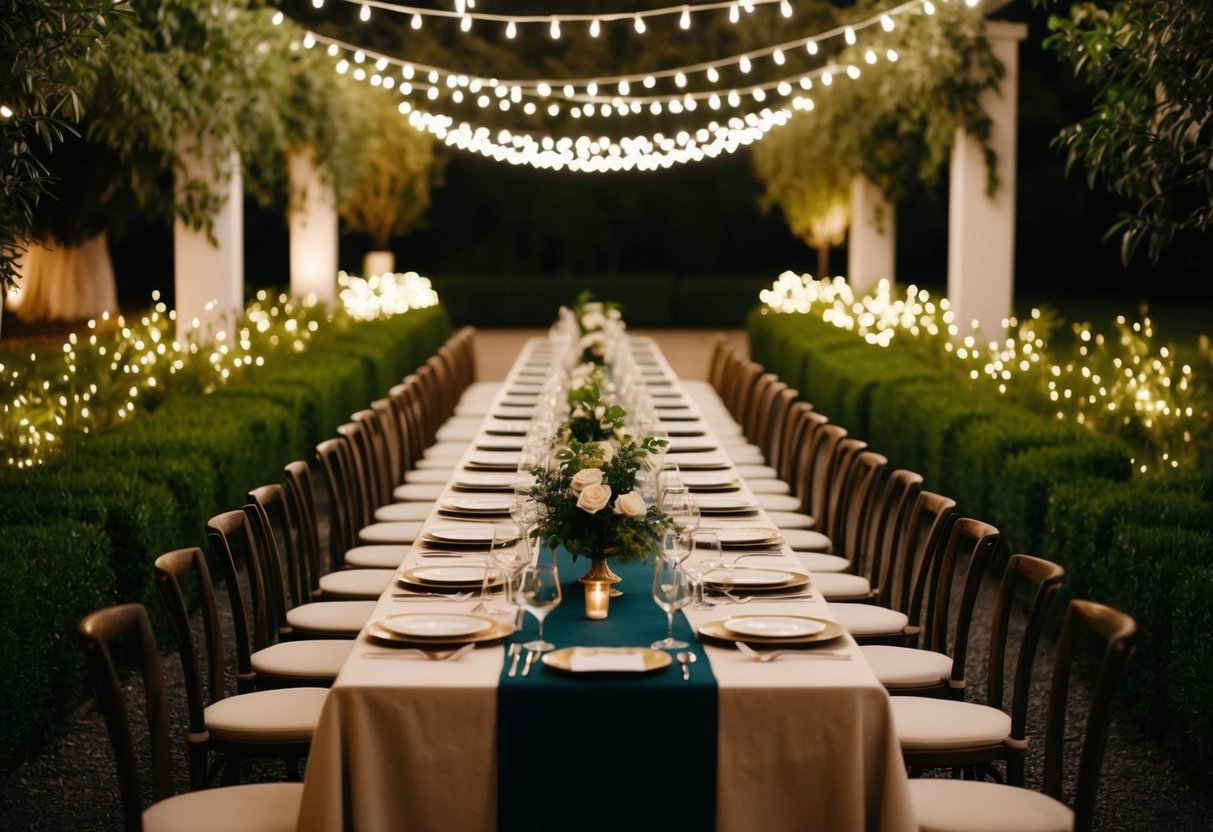
Planning your wedding dinner involves considering who will be part of your wedding party and who deserves special recognition. These key individuals will not only play vital roles during the ceremony but also enrich your dinner celebration.
Roles in the Wedding Ceremony
Your wedding party typically includes bridesmaids, groomsmen, a flower girl, and ring bearers. Each of these roles has special significance.
-
Bridesmaids support you emotionally and help with planning. They can be your friends or family members.
-
Groomsmen are there to support the groom, offering both moral support and a helping hand.
-
Flower girls add charm by scattering petals down the aisle, while ring bearers carry the rings, often in a small pillow.
Don’t forget the officiant, who leads the ceremony. You might also want to involve ushers to help guests find their seats. Including these key people in your wedding dinner not only honors their roles but ensures a warm, supportive atmosphere.
Out-of-Town Guests and Accommodations
Out-of-town guests deserve special attention, as they travel to celebrate with you. It’s essential to provide them with accommodations and important details.
-
Start by offering a selection of nearby hotels. You can often get group rates for your guests.
-
Consider creating a welcome bag with treats, local maps, and your wedding itinerary.
-
If possible, arrange transportation from the hotel to the venue.
Recognizing and planning for your special guests helps them feel appreciated. Providing these resources can enhance their experience and make your wedding planning smoother.
Pre-Wedding Events and Rehearsal Dinner
When planning your wedding, the rehearsal dinner is an important pre-wedding event. It provides an opportunity to gather close family and friends before the big day. Knowing who to invite and understanding the etiquette can help make this celebration special.
Who to Invite to the Rehearsal Dinner
Your rehearsal dinner guest list typically includes those directly involved in the wedding. Start with your immediate family, like parents and siblings. Invite your wedding party as well, including bridesmaids and groomsmen.
Consider including their spouses or significant others. It’s also nice to extend invitations to close relatives, such as grandparents, aunts, uncles, and cousins. If you’re hosting a destination wedding, think about inviting guests who have traveled to be with you. This helps everyone feel included and connected before the wedding day.
Rehearsal Dinner Etiquette
When it comes to rehearsal dinner invitations, sending them out 4 to 6 weeks in advance is a good rule of thumb. This gives your guests time to plan, especially if travel is necessary. Make sure to include details like the date, time, and location.
It’s also courteous to mention if there’s a theme or dress code. If you have a larger gathering, consider a warm welcome to everyone at the start. This sets a friendly tone and makes your guests feel appreciated as they celebrate this pre-wedding occasion.
Finalizing the Invitation Process
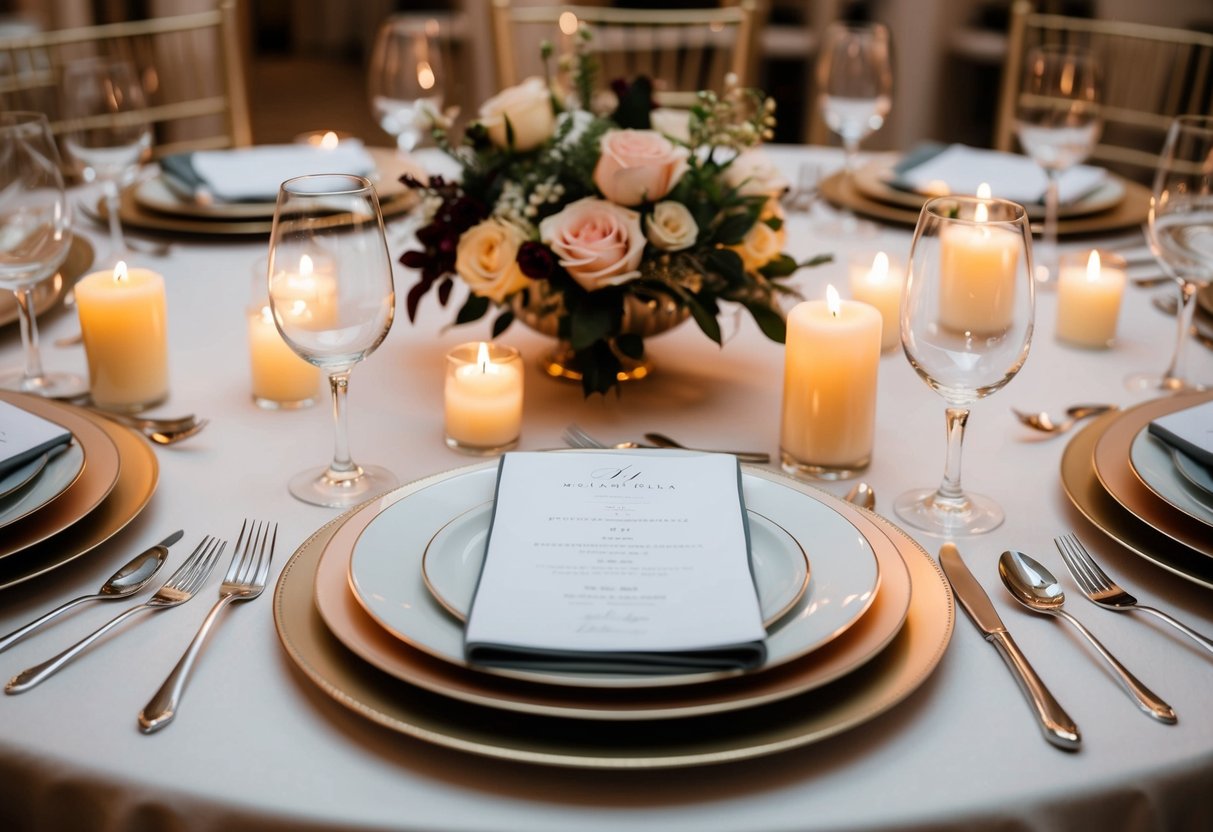
Getting your wedding invitations ready is an exciting step. You’ll want to send them out nicely, keep track of who’s coming, and show appreciation after the celebration.
Sending Out Invitations
You should carefully choose your wedding invitations to reflect your style and theme. When selecting the design, consider your budget for wedding stationery. Options range from elegant printed cards to digital invites that can save money.
Include essential details such as the date, time, location, and RSVP information. When you’re ready, send out the invitations about six to eight weeks before the event. This gives guests ample time to make arrangements. If you feel overwhelmed, you might consider hiring a professional to help with the mailing process.
Managing RSVPs and Final Headcount
Once your invitations are out, tracking RSVPs becomes crucial. Make it easy for guests to respond by providing clear instructions. Use a simple online form or provide a return card with a postage-paid envelope.
Keep a checklist to monitor who has replied. As the responses come in, update your headcount, adjusting your plans around meals and seating accordingly. Remember, some guests might forget to RSVP, so it’s fine to reach out for confirmation. This ensures you have an accurate count for your wedding dinner.
Thank-You Gifts and Acknowledgements
After the wedding, you need to show appreciation. You can give thank-you gifts to your guests as a token of gratitude. Consider small items that reflect your theme or even handmade treats.
Make sure to thank everyone promptly, ideally within a few weeks. A simple, heartfelt note can go a long way. It acknowledges their presence at your special day and makes your guests feel valued. By focusing on these details, you enhance the overall wedding experience for you and your guests.