
Who Does the Bride Dance with First? The Tradition Behind the Special Moment
At a wedding reception, the first dance is a cherished moment that sets the tone for the evening. Typically, the bride dances first with her groom, marking their new journey as a married couple. This dance often draws everyone’s attention and adds a romantic touch to the celebration.
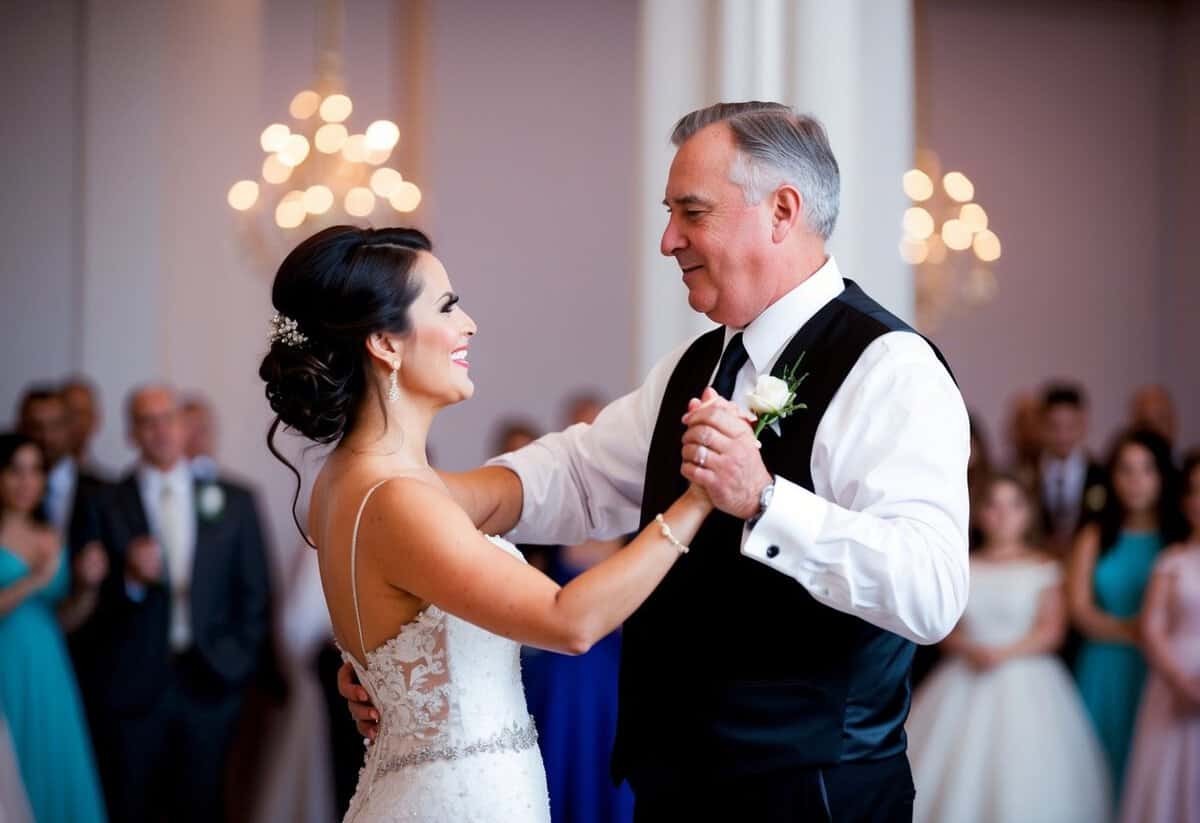
Following the couple’s dance, it’s customary for the bride to dance with her father. This heartfelt moment allows for a special connection, as it honors their bond and the significance of the occasion.
Understanding this dance etiquette can help you plan for these meaningful interactions during your special day.
As you prepare for your wedding, consider these dance traditions to make the event even more memorable. The order of dances can enhance the emotional experience and create lasting memories for everyone involved.
The Tradition of the First Dance
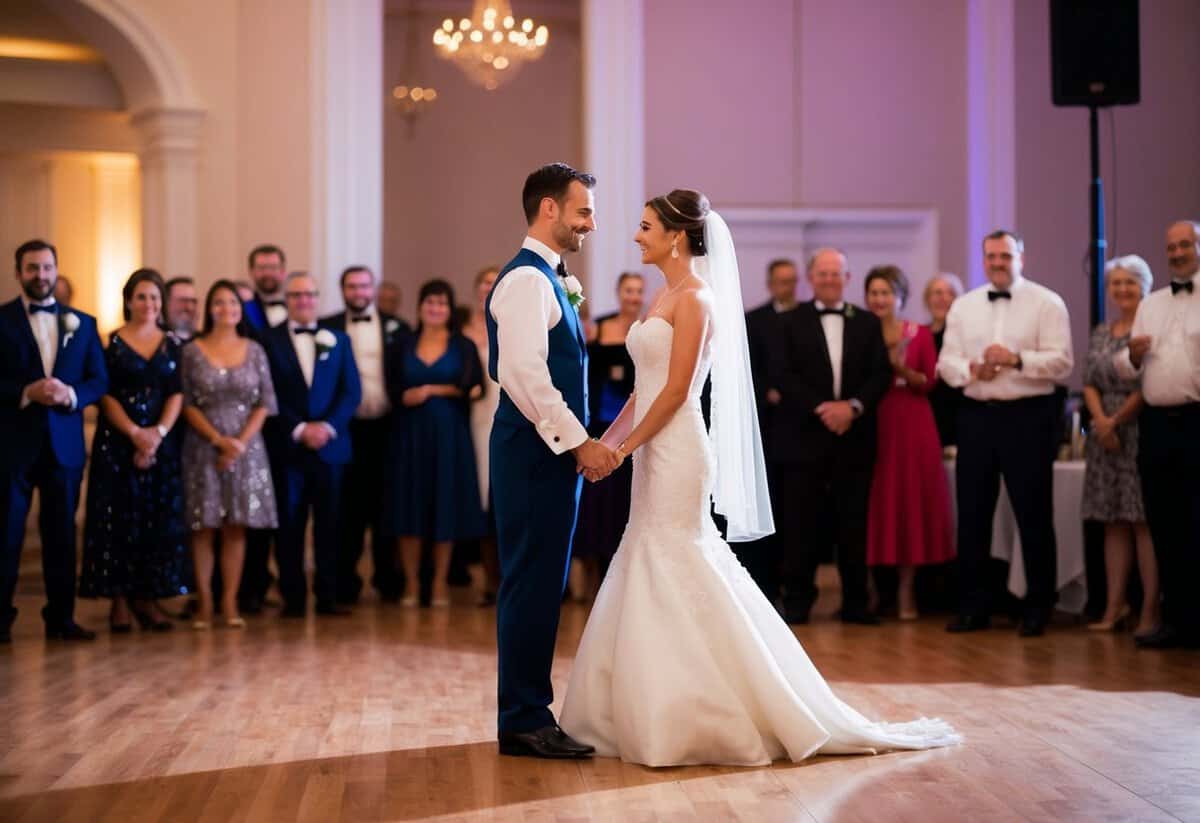
The first dance is an important milestone in a wedding celebration. It sets the tone for the festivities and highlights the couple’s love and commitment to each other. This tradition often involves the bride and groom taking a moment to share a romantic dance together.
Significance of the First Dance
The first dance symbolizes the beginning of your journey as a married couple. It represents love, unity, and the start of a new chapter in your lives. This moment is often filled with emotion as you and your partner share your first dance as husband and wife.
Not only is it a private experience, but it also serves as a way to involve your guests. As you dance, your friends and family witness your bond, creating lasting memories for everyone present.
Choosing a meaningful song enhances this moment. Many couples select a tune that reflects their relationship, making it even more special.
Typical Order of Dances at a Wedding
Traditionally, the first dance is followed by a series of other dances. After the bride and groom finish their dance, the next in line is the bride’s dance with her father.
This moment acknowledges the father-daughter bond, showcasing a heartfelt connection. Following this, it’s common for the groom to dance with his mother.
These dances help to honor family ties and traditions. After these individual dances, the dance floor usually opens up to all guests, encouraging everyone to join in the celebration.
It’s a beautiful way to transition from intimate moments to a lively celebration.
Parent and Family Dances
Parent and family dances are special moments during a wedding reception. These dances honor important relationships and create cherished memories. Here’s what you need to know about these meaningful traditions.
Father-Daughter and Mother-Son Dances
The father-daughter dance is a key highlight of any wedding. It’s a chance for you and your dad to share a moment that symbolizes love and support. Many brides choose a song with personal meaning.
On the other hand, the mother-son dance honors the bond between you and your mom. This is often a heartwarming and emotional moment for families.
Both dances can happen right after your first dance or later in the evening, depending on your preferences.
The Role of Step-Parents in Dances
Step-parents often play a vital role in your life. If you have a step-parent, consider including them in the dance lineup. You may choose to have a separate dance with each step-parent or incorporate them into the traditional dances.
This shows respect and acknowledges the importance of these relationships. It can be a beautiful way for everyone to feel included. Discuss with your step-parents what they would enjoy most, as this can make the day even more special.
Extended Family Dances
Including extended family in dances can be a joyful addition to your wedding. You might consider involving grandparents, aunts, or uncles. Group dances or special moments for these family members create a feeling of unity and celebration.
Popular practices include a family dance where everyone joins in for a fun song. This is a great way to highlight the love and support from your entire family. Make room on the dance floor for everyone to join in.
Wedding Party Dances
At a wedding, the dance floor is a central point of celebration. The roles of the wedding party are key to creating memorable moments during these dances. Each person, from the best man to the maid of honor, contributes to the flow of the evening.
Roles of Best Man and Maid of Honor
The best man and maid of honor play important roles during wedding dances. After the couple’s first dance, you can expect these two to step in next.
The maid of honor typically dances with the groom. This moment honors their friendship and support during the wedding planning.
Next, the best man usually dances with the bride. This dance symbolizes the bond they share and adds a fun touch to the celebration. These dances set the tone for the rest of the evening, inviting guests to join in the fun.
Dance Floor Openings for the Wedding Party
Once the couple and their wedding party have made their appearances on the dance floor, it’s time for everyone else to join in.
You might start with a special dance involving parents. The father-daughter dance and the mother-son dance are often highlights. These dances are heartfelt moments that honor family relationships.
After these dances, the dance floor usually opens up to all guests. This is when the wedding party can encourage everyone to join. Getting everyone dancing creates a lively atmosphere and ensures wonderful memories for everyone involved.
Planning the Dance Segments
Planning the dance segments is essential for a smooth wedding reception. You want to create moments that are memorable and enjoyable for both you and your guests. Here’s how to do it effectively.
Creating a Timeline for Reception Dances
Start by making a clear timeline for your reception dances. Include the first dance, parent dances, and any special performances. A suggested order may be:
- Bride and Groom’s First Dance
- Father-Daughter Dance
- Mother-Son Dance
- Wedding Party Dances
Determine how long each dance should last, aiming for 3-5 minutes. This keeps energy up and ensures your guests stay engaged.
Share your timeline with the DJ or band to ensure everyone is on the same page. It can be helpful to schedule breaks between dances, allowing guests to mingle and enjoy the event.
Selecting Music and Dance Styles
Choosing the right music is key to setting the mood for your reception. Think about songs that are meaningful to you and the people you’re dancing with.
For your first dance, select a romantic song that reflects your journey together.
Consider taking dance lessons for a choreographed dance. This adds a special element and can ease your nerves.
For parent dances, you might choose songs that evoke nostalgia. For a personal touch, create a mix of traditional and contemporary music that resonates with your guests.
Incorporating Cultural and Non-Traditional Dances
Incorporate your cultural traditions into your dance segments. For example, you could include the Hora in Jewish weddings or unique cultural dances relevant to your heritage.
For non-traditional weddings, feel free to break the mold. You could include group dances like the Macarena or even line dances to get everyone involved. Discuss with your partner what feels right, ensuring the segments reflect your personalities. These choices create an inviting atmosphere, allowing your guests to celebrate along with you.