
Who Does the Bride Dance With First? A Guide to Wedding Traditions
The wedding reception is a magical time filled with joy and tradition. During this special event, the bride typically dances first with her father. This dance symbolizes the bond between them and often brings emotions to the surface, making it a cherished memory for both.
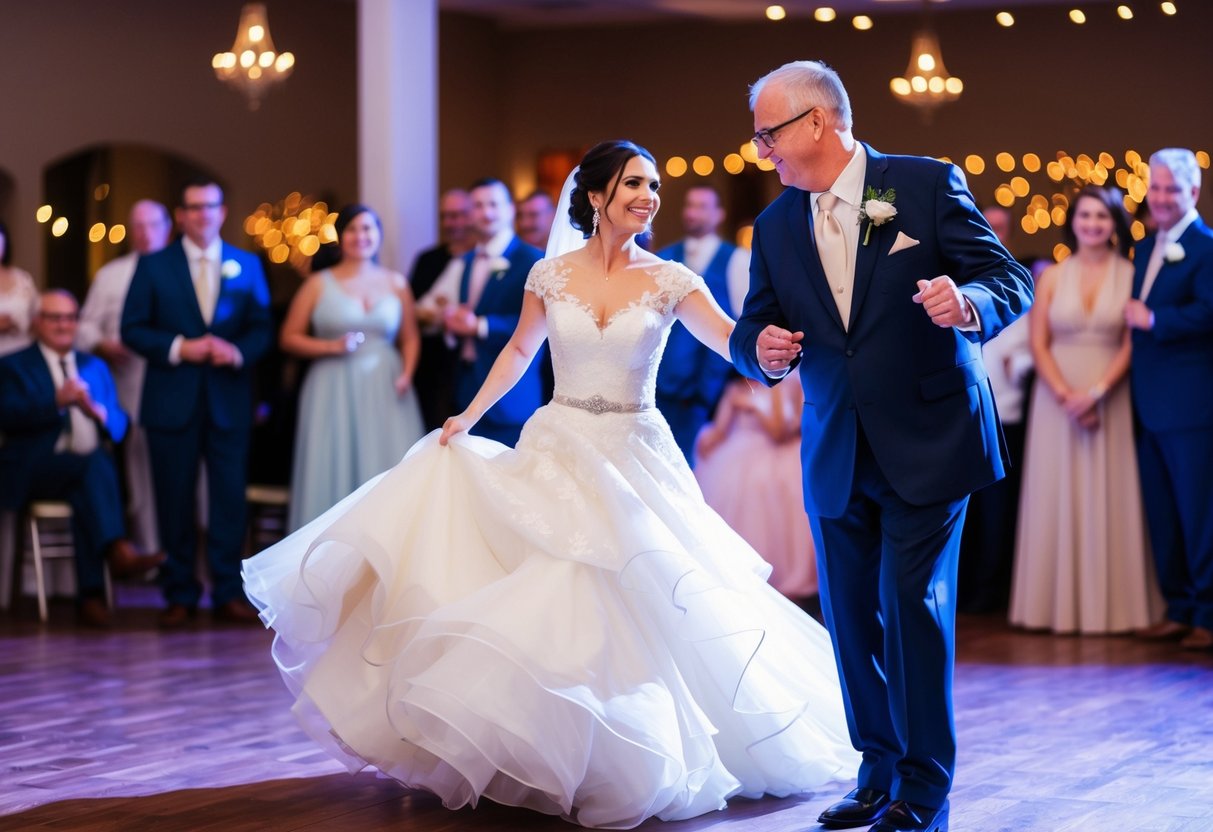
After the bride’s dance with her father, the spotlight shifts to you and your partner for the first dance as a married couple. This is a beautiful moment that highlights your love and unity, setting the tone for the night ahead. You’ll find that these dances are not just rituals; they create lasting memories for you and your guests.
As you prepare for your big day, knowing the order and significance of these dances can help ease any nerves. Embracing these traditional moments not only honors the past but also adds a layer of joy to your wedding celebration.
The Traditional Order of Wedding Dances
Wedding dances create beautiful moments that celebrate love and family. Each dance has a special meaning, bringing everyone together to honor the newlyweds. Understanding the traditional order helps you plan a memorable reception.
The First Dance: When and How It Happens
The first dance is a significant and special moment in the reception. It usually takes place right after the wedding party’s grand entrance and the meal. As the newlyweds take the floor, all eyes are on them.
You can choose a slow, romantic song or an upbeat track that reflects your personalities. This moment symbolizes your love and unity as a couple. It sets the tone for the rest of the evening.
When planning, think about what song is meaningful to you both. Your choice can reflect your journey together or your favorite memories.
Parent Dances: Father-Daughter and Mother-Son Moments
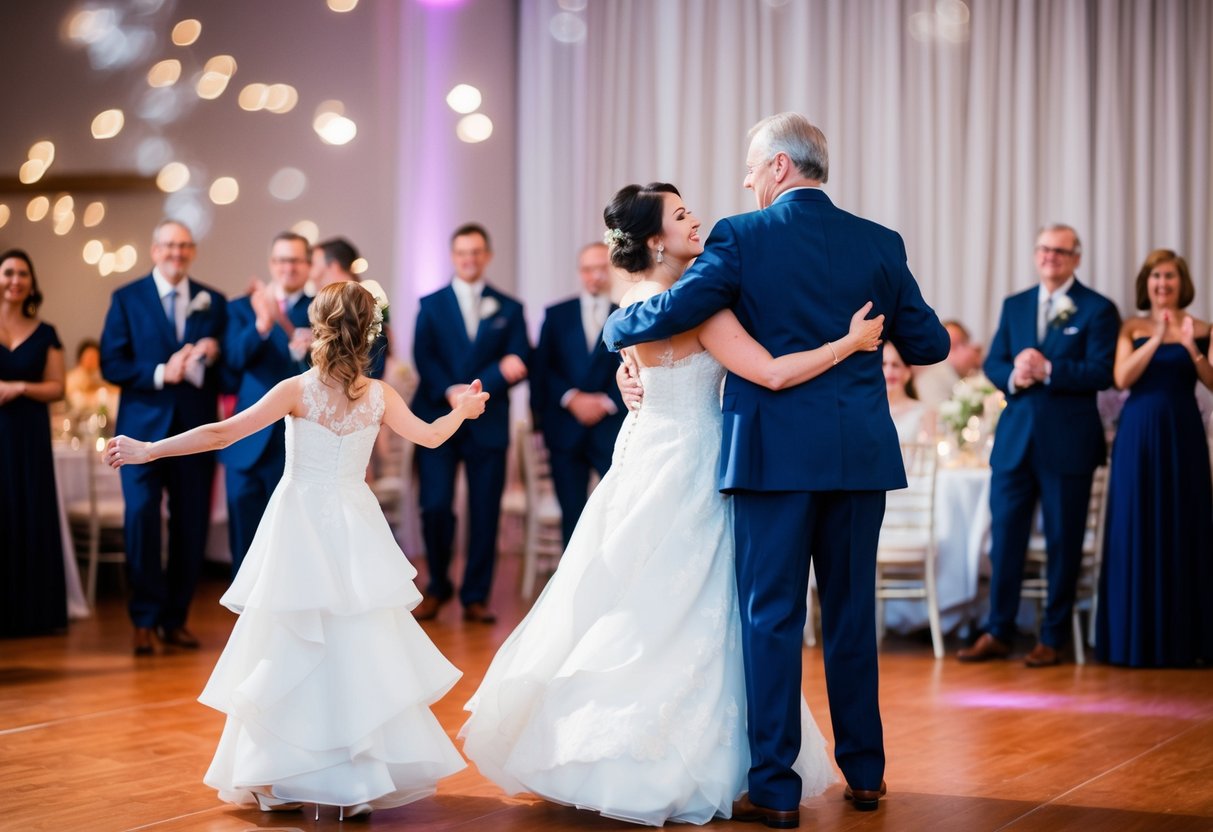
After the first dance, the next dances often involve parents. The father-daughter dance is a touching moment that honors the bond between a dad and his daughter. This special dance usually follows the couple’s first dance.
The mother-son dance also carries emotional weight. It celebrates the mother’s love and support for her son. These dances may be emotional, so you might want to choose songs that resonate with your relationships.
Traditionally, the father-daughter dance occurs first, followed by the mother-son dance. This order allows for a smooth transition between key relationships. You can also include siblings or other family members if you prefer.
Wedding Party and Group Dances
Once the parent dances are complete, the focus shifts to the wedding party. The wedding party dance typically includes the bridesmaids and groomsmen. They join the newlyweds on the dance floor, adding energy and fun.
After this, it’s common for the couples’ friends and family to join in. The dance floor fills up, creating a festive atmosphere. You might want to plan a group dance that everyone can join. This can make the event more enjoyable and inclusive.
It’s also nice to encourage guests to get involved by suggesting fun dance-offs or specific group dances. These moments can enhance the joy of the celebration.
Specialty and Cultural Dances
Many couples incorporate specialty and cultural dances into their wedding celebrations. These dances can reflect your heritage or personal interests.
For example, some cultures have unique dances like the Hora in Jewish weddings, where guests lift the couple on chairs. Other traditions may include a specific dance style that holds meaning for the couple.
When planning, consider what dances are important to you and your families. Including them can make the event more personal and memorable. This is a chance to celebrate your culture and share it with your loved ones.
Planning Your Wedding Dance Floor
Creating a welcoming and fun dance floor is crucial for your wedding celebration. This space sets the tone for memorable moments, including your first dance and time with your wedding party. From music selection to etiquette, every detail matters.
Selecting the Right Music
Choosing the perfect songs for your dance floor can make all the difference. Start with your first dance song; it should reflect your relationship. Consider a mix of romantic tunes for those special dances and upbeat tracks that get everyone dancing later.
Tips for music selection:
- Variety: Include different genres to appeal to all ages.
- DJ or Live Band: Decide which suits your style better. A DJ can mix genres, while a band adds a live experience.
- Must-plays: Create a list of key songs and another for songs to avoid, especially with sensitive topics.
Considerations for a Choreographed Dance
If you’re planning a choreographed routine, taking dance lessons can be a fun way to prepare. This investment pays off when you feel confident on the dance floor, impressing your guests.
Things to consider:
- Style: Choose a dance style that suits your personalities. Whether it’s elegant waltz or a fun swing, make it yours.
- Time: Begin practicing at least a few months prior to the wedding to feel comfortable.
- Step-parents: Include step-parents if possible for special dances, highlighting family connections.
Dance Floor Etiquette and Logistics
Clear rules create a great atmosphere. Ensure everyone knows what to expect as your special day unfolds.
Key etiquette points:
- First Dance: Traditionally, the bride and groom dance first. Make sure your parents and wedding party join afterward.
- Spontaneous Moments: Be open to guests joining in but guide them if they need direction.
- Safety: Ensure the floor is clear of obstacles. Provide plenty of space for everyone to enjoy dancing without worries.
Reception Events and Activities
During the wedding reception, there are several key events and activities that enhance the celebration. Each moment is filled with joy and anticipation, creating lasting memories for you and your guests.
Cutting the Cake and Post-Cake Dancing
The cake cutting is a significant event at the wedding reception. It’s often one of the first moments where you and your partner are showcased together as a married couple. As you share this tradition, get ready for smiles and cheers from your guests.
After the cake cutting, it’s time to transition to post-cake dancing. This typically involves inviting your guests to join you on the dance floor. Couples may choose a fun, upbeat song to engage everyone, leading to a lively atmosphere. Celebrate this moment with a mix of styles, from romantic slow dances to energetic tunes that get everyone moving.
Fun and Games: Bouquet and Garter Toss
The bouquet toss and garter toss are popular activities that add an exciting twist to the reception. During the bouquet toss, you can gather all the single ladies to catch the bouquet. This tradition symbolizes the next bride among the group and adds a playful spirit to the evening.
Shortly after, the garter toss takes place, where the groom removes the garter from you and tosses it to the eligible bachelors. These events often spark laughter and create engaging moments for everyone. It’s a great way to keep guests entertained while building anticipation for the evening’s final events.
The Last Dance and Party Closure
The last dance is a memorable way to close out the evening. You and your partner can choose a song that holds special meaning to you for this moment. It sets a romantic tone as everyone watches the two of you share one final dance.
As the dance concludes, you can thank your guests for celebrating with you. This moment marks not only the end of the reception but also the start of your new life together. It’s a heartfelt way to leave a lasting impression on friends and family, ensuring that your wedding is remembered fondly.