
Who Does the Groom Walk Down First? Exploring Wedding Traditions and Options
As you plan your special day, you may wonder if the groom typically walks down the aisle with his parents at the beginning of the ceremony procession. This tradition allows the groom to honor his family while also showing support as he prepares for a significant moment.
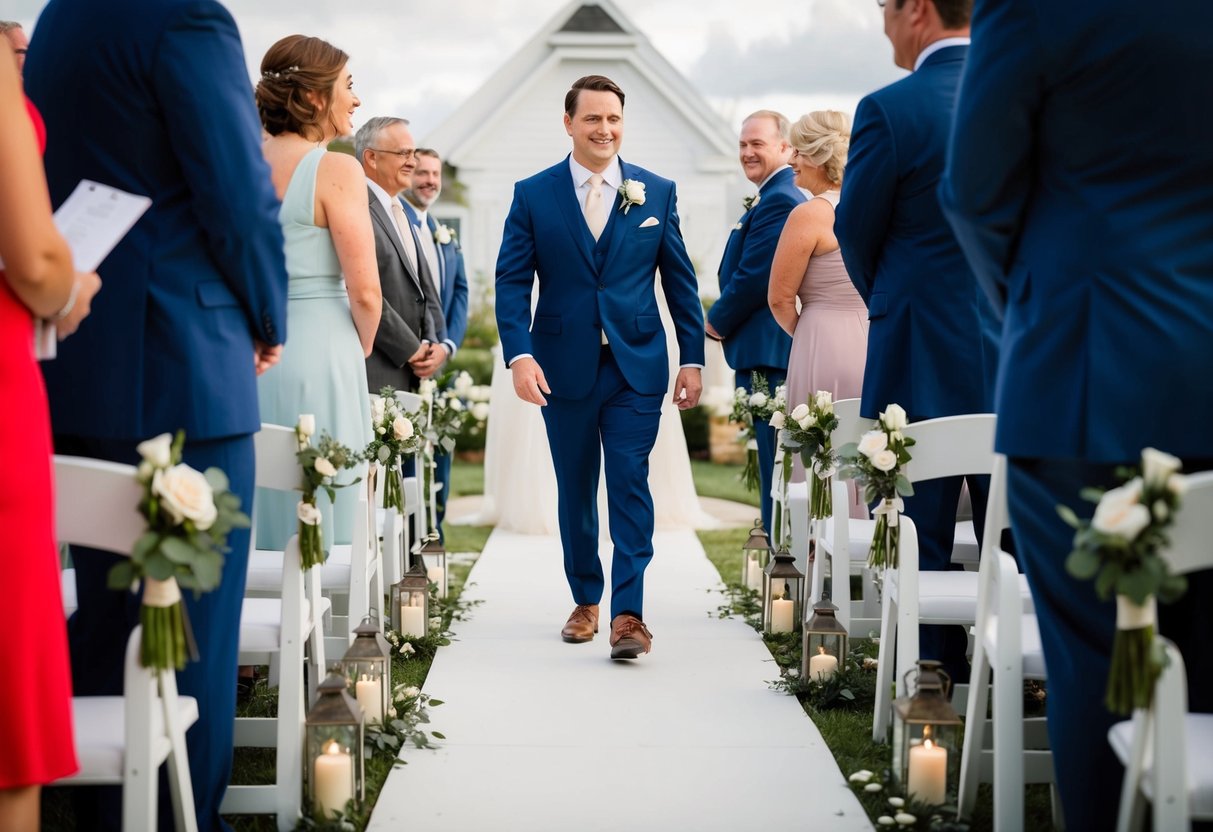
You might wonder if there are other options for who the groom walks down with. Some couples choose to have the groom walk alone or alongside his best man, depending on personal preferences and family dynamics. Remember, this is your wedding day, and it should reflect your unique style and relationships.
Understanding the tradition can help you make the best choice for your ceremony. Whether you opt for a classic approach with parents or a more modern take, the important thing is to create an atmosphere that feels right for you and your partner.
Understanding the Wedding Processional Order

Knowing the wedding processional order helps you organize your special day. Each culture has its own traditions that dictate who walks when and in what order. Here is a closer look at several typical processional orders.
Traditional Christian Ceremony
In a traditional Christian wedding, the processional order starts with the officiant. Then, the groom usually walks down the aisle with his parents or solo. Next, the groomsmen follow, often paired with bridesmaids. After them, the maid of honor walks.
The bride is the last to enter, creating a memorable moment. Flower girls and ring bearers may walk in front of her, adding charm. Here’s a quick outline:
- Officiant
- Groom with Parents
- Groomsmen
- Bridesmaids
- Maid of Honor
- Flower Girls and Ring Bearers
- Bride
Jewish Wedding Processional Order
In a Jewish wedding, the processional order follows specific traditions. First, the groom walks down with his parents. Following him is the best man and groomsmen, who walk with bridesmaids. It’s common for the bride to walk down the aisle with both parents, symbolizing unity and support.
A unique feature is the “Kiddushin,” where the couple may stand under a chuppah after entering. The order usually looks like this:
- Groom with Parents
- Best Man and Groomsmen
- Bridesmaids
- Bride with Parents
- Chuppah Ceremony
Hindu Wedding Processional Order
In a Hindu wedding, the processional order is vibrant and filled with rituals. The groom is often the first to arrive at the venue, accompanied by his family in a celebration called the “Baraat.”
Once the groom has taken his place, the bride enters, traditionally escorted by her parents. Other family members and friends may participate in the procession, emphasizing community and family ties. Here’s a simplified order:
- Groom with Baraat (Family and Friends)
- Bride with Parents
- Family Members
Non-Denominational and Other Religious Ceremonies
For non-denominational weddings, the processional order can be more flexible. Often, the groom may walk down with his parents or on his own. Following him are the groomsmen, paired with bridesmaids, which keeps the ceremony lively and personal.
The bride typically walks in last, often with her father, but this can vary based on preferences. The order might look like this:
- Groom with Parents or Solo
- Groomsmen
- Bridesmaids
- Maid of Honor
- Bride with Father or Solo
Roles and Responsibilities in the Processional
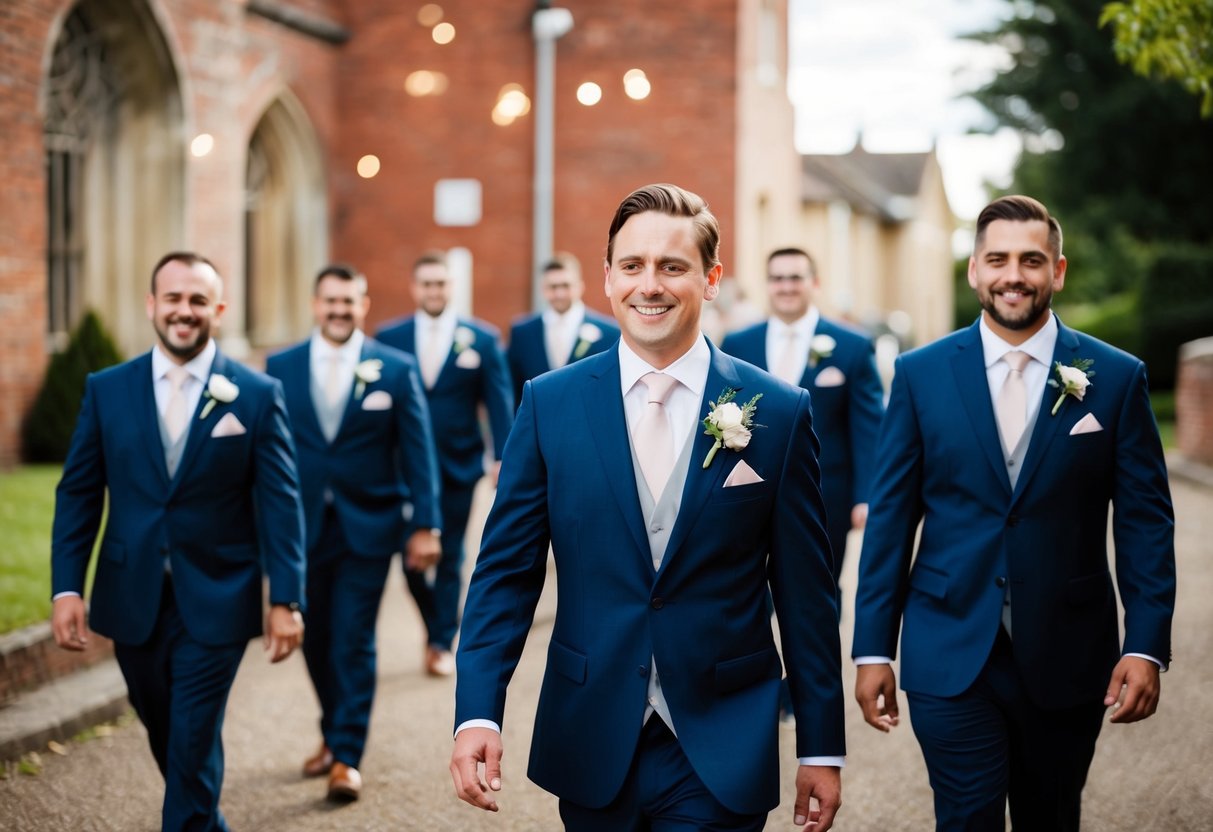
Understanding the roles and responsibilities in the wedding processional is key to ensuring everything goes smoothly. Each person in the processional has an important part to play, from the groom to the wedding party.
The Role of the Groom and Best Man
The groom often walks down the aisle first, usually alongside his parents or by himself. This entrance sets the tone for the ceremony. As the groom, you should feel confident and prepared for this moment.
The best man supports you throughout the day. He stands by your side during the ceremony and helps with tasks like keeping the rings safe. It’s his job to assist you and provide the necessary support, ensuring you stay calm and focused.
Parents of the Bride and Groom
The parents play significant roles during the processional. Traditionally, the parents of the bride are seated first. This symbolizes the support of her family.
After your parents, the parents of the groom also have important responsibilities. They may be involved in seating guests and helping to greet them. Their presence reflects the union of both families, which adds to the emotional weight of the ceremony.
The Importance of Ushers and Their Duties
Ushers help organize guests as they arrive. Their main duty is to ensure that everyone is seated properly before the ceremony begins. As an usher, you might also guide family members and special guests to their designated seats.
Ushers often work with the wedding planner to coordinate the processional flow. This ensures everyone knows when and where to enter. Their efforts help keep the atmosphere joyful and relaxed before the ceremony starts.
Bridesmaids, Groomsmen, and Other Members of the Wedding Party
Bridesmaids and groomsmen enhance the processional’s visual appeal. As a groom, your groomsmen will walk in after you. They usually enter in pairs or as a group, following your lead.
Bridesmaids come down the aisle after a specific order, often with a flower girl and ring bearer leading the way. The flower girl scatters petals, while the ring bearer carries the rings. Their roles add charm and tradition to the ceremony.
Everyone in the wedding party plays a vital part. Their support can help make your day memorable and meaningful. Be sure to communicate with them about timings and expectations.
Significant Moments Within the Processional
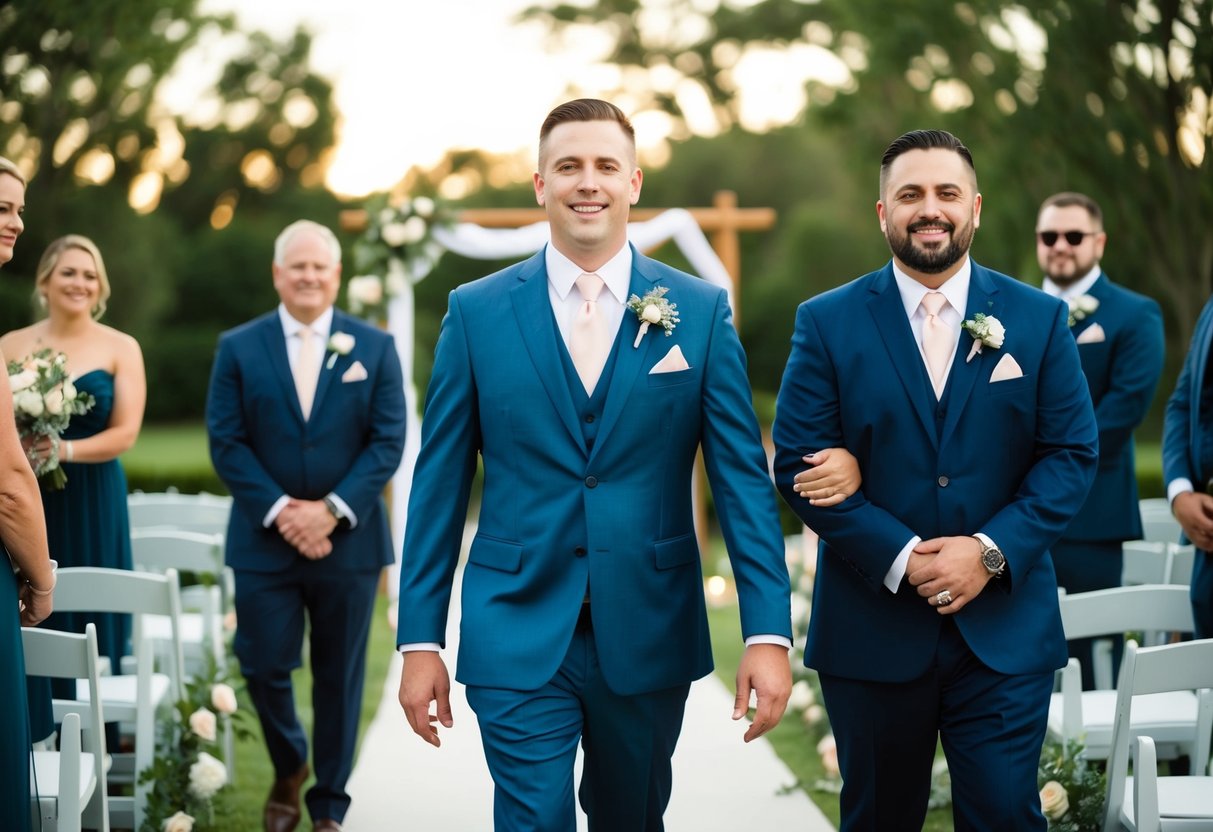
The processional is filled with key moments that set the stage for the wedding ceremony. From the grand entrance of the bride to the emotional connections between family members, each step carries its own significance. Here’s what to expect during these special moments.
Grand Entrance of the Bride
As the music begins, all eyes turn to the entrance where the bride appears, often accompanied by her father. This moment is iconic, filled with cheers and gasps from guests. It symbolizes her transition from daughter to wife.
You might notice the bride’s smile, reflecting joy and excitement. In many cases, she wears a stunning gown that enhances the feeling of anticipation. Some brides choose to walk alone or with both parents, making the entrance truly personal.
The atmosphere changes in an instant, creating a beautiful moment that marks the start of the couple’s journey together.
Mother of the Bride’s Entrance
Before the bride, you’ll often see the mother of the bride walk down the aisle. This moment is significant, showcasing her support and love. Traditionally, she walks down before the bride, sometimes accompanied by the groom’s parents.
Many guests stand in recognition, paying tribute to her role in the celebration. You may notice her emotions—pride, excitement, and perhaps even a few tears.
If your mother has a special song or favorite color, incorporating those can make this entrance even more memorable for her.
Emotional Moments to Anticipate
During the processional, you can’t miss emotional moments. You may see tears of joy as families come together. The sight of the groom watching the bride approach can be particularly moving.
Even the groom’s parents share this moment, reflecting their pride and happiness. During these times, deep emotions often surface, showcasing love and support.
Make sure to capture these moments through photos or video. They become cherished memories that you can look back on for years to come.