
Who Does the Mother of the Bride Dance With? Navigating This Special Moment
The mother of the bride holds a special role on such an important day. Traditionally, she dances with her son-in-law during the wedding reception, celebrating the new bond between families.
This moment highlights the love and support she has for her daughter as she begins a new chapter in her life.
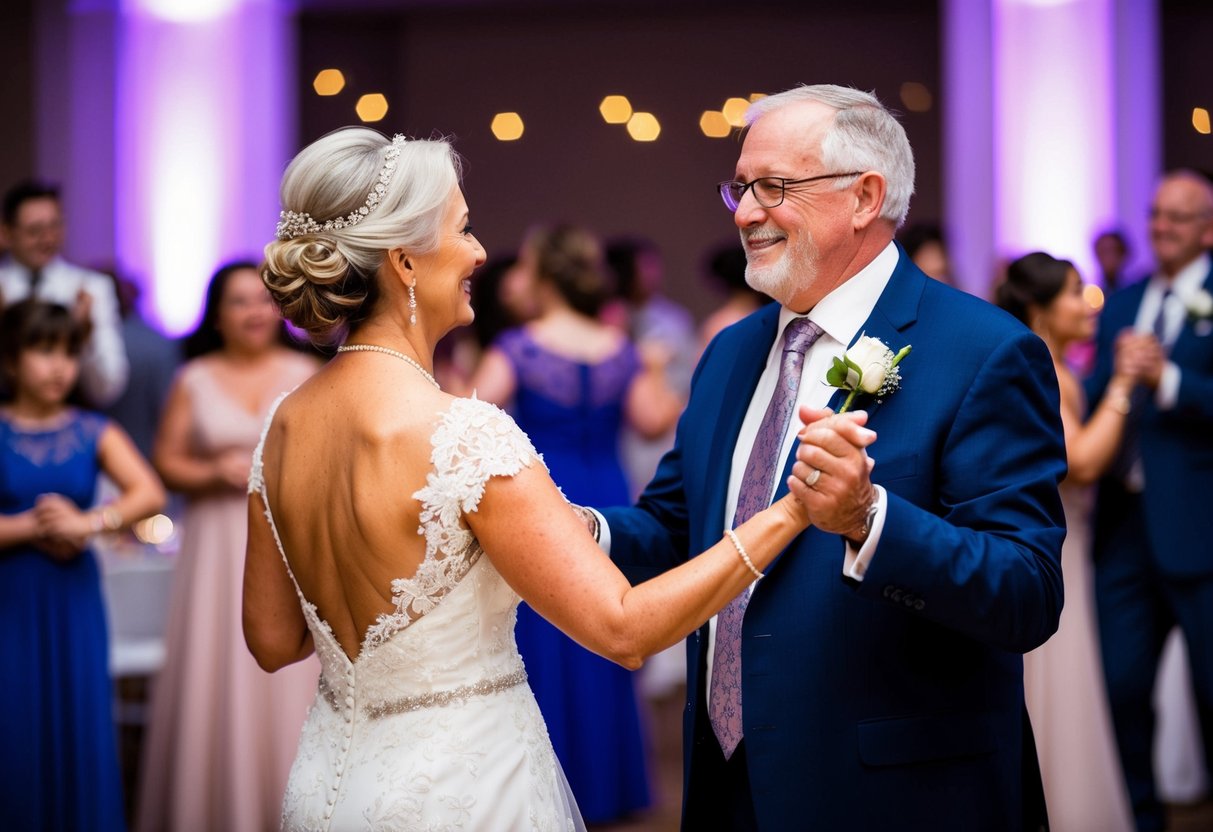
As you plan your wedding, consider the significance of these dances. Understanding wedding traditions can help make your celebration more meaningful.
You might even choose to create your own unique moments that honor your family’s values while making lasting memories.
Whether you stick to tradition or add your own twist, knowing who the mother of the bride dances with can guide your planning. This choice reflects the joy of family coming together and sets the tone for the evening’s festivities.
Exploring Wedding Dance Traditions
Wedding dances play an important role in your big day, marking special moments of connection and celebration. Each dance celebrates different relationships, with specific traditions guiding each step. Here’s what you should know.
The Role of Dance at Weddings
Dance at weddings highlights the love shared between the couple and their families. It serves as a joyful moment where emotions come to the surface.
The first dance is traditionally shared between the bride and groom. This moment sets the tone for the evening and often includes a chosen song that reflects their journey together.
After their dance, various family members join in.
The father-daughter dance is another significant moment. It symbolizes the father’s support and love for his daughter as she embarks on this new journey.
Conversely, the mother-son dance is a touching moment for the groom and his mother, celebrating their unique bond.
Traditional Wedding Dances
Traditional wedding dances vary by culture and family preference. They often include group dances featuring the bridal party and guests.
For instance, many cultures incorporate the money dance, where guests pay to dance with the couple, celebrating their union while contributing to the wedding.
You might also see fun formalities like the bouquet toss or cake cutting leading into more dancing.
Engaging in these dances creates lasting memories. Whether you prefer classic dances or are open to cultural variations, each one enhances the celebration of your love story.
The Mother of the Bride’s Dance Partners
The mother of the bride holds an essential role during the wedding celebrations. Her dance partners are often significant figures in the wedding, creating special moments that highlight family bonds and support.
Dancing With the Groom
Traditionally, the groom does not dance with his mother-in-law. Yet, many mothers of the bride choose to share a dance with the groom.
This dance symbolizes acceptance and warmth, celebrating the new union.
You may start with the couple’s first dance. Afterward, you can join the groom on the dance floor.
Consider planning a special song that reflects your joy for them. It’s a wonderful way to show your support and celebration alongside the new couple as they begin their journey together.
Dancing With Other Significant Family Members
You may also have the chance to dance with other beloved family members. This could include close relatives like the bride’s father, siblings, or even grandparents.
Each dance creates a meaningful moment, strengthening family ties.
For example, after the father-daughter dance, you might join in with your spouse or partner. You can also invite your own relatives to join you.
The dances can symbolize love and unity among family—the focus is on celebrating together.
Consider discussing these dances with the couple to ensure they fit into the wedding schedule. Each dance contributes to a heartfelt atmosphere, making the day even more memorable.
Planning the Wedding Reception Schedule
Creating a clear schedule for your wedding reception is key to ensuring that everything flows smoothly.
From the grand entrance to the last dance, knowing the order of events helps keep guests engaged and allows for important moments to shine.
Order of Dances at a Wedding
When planning the order of dances, it’s important to include traditional elements that honor both families.
Typically, the schedule starts with the couple’s first dance. Following that, the mother of the bride dances with her daughter, while the groom shares a dance with his mother.
Here’s a typical order:
- First Dance: Bride and groom.
- Mother-Daughter Dance: Bride with her mother.
- Mother-Son Dance: Groom with his mother.
- Wedding Party Dances: Involves bridesmaids and groomsmen.
Including a Money Dance can be a fun addition, where guests pay to dance with the couple, contributing to their honeymoon fund.
The Anniversary Dance can also be included, honoring couples who have been married longer than the bride and groom.
Reception Flow and Dance Timeline
A well-structured flow keeps the energy up. After the dances, consider the cake cutting, which is a great photo op. This leads into post-cake cutting dancing, allowing guests to enjoy music right after the sweetness.
Make sure you talk to your DJ about song choices for each segment. They can help create smooth transitions between dances and other activities.
Don’t forget about additional fun moments, like the Garter Toss, which can energize the crowd. The evening usually wraps up with a Last Dance, giving everyone a final chance to celebrate together before saying goodbye.