
Who Does the Officiant Ask First? A Guide to Wedding Ceremony Traditions
When planning your wedding ceremony, you may wonder who the officiant will ask first during the vows. In a traditional setting, the groom typically goes first when exchanging wedding vows. This choice can reflect long-standing customs, but many couples now choose to personalize their ceremony to suit their style.
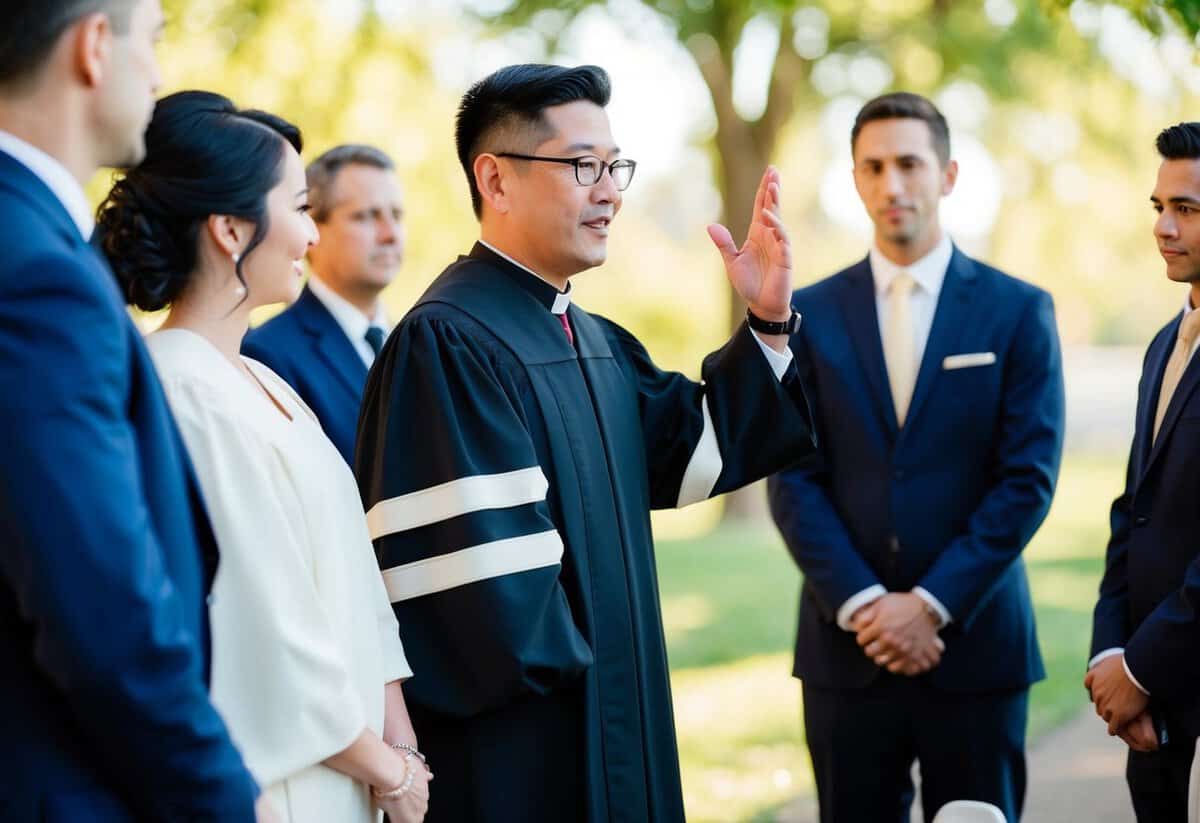
During your ceremony planning session, consider what feels right for you as a couple. Some couples may prefer the bride to go first, breaking away from tradition. Your wedding officiant can guide you through these decisions, helping to create a meaningful experience that reflects both your personalities.
Understanding who says their vows first can help you prepare and express your commitment to one another. As you navigate your wedding plans, keep this detail in mind to ensure everything flows smoothly on your special day!
The Role of the Officiant
The officiant plays an important part in making your wedding ceremony special. Their duties range from guiding the couple through key moments to ensuring that the event flows smoothly.
Understanding Officiant Duties
As the officiant, you are not just a speaker but a vital part of the ceremony. Your main job is to lead the couple in their vows. You’ll also pronounce them married, which is a significant moment.
You will need to prepare a script or outline that reflects the couple’s wishes. This includes any personal touches they want, such as readings or rituals. Being familiar with the couple’s story can help you connect with them and their guests.
In addition, you should know the legal requirements for officiating a wedding in your area. Make sure you are registered to perform marriages and have any necessary paperwork.
Pre-Ceremony Responsibilities
Before the wedding day, you’ll have important tasks to complete. One of them is participating in the wedding rehearsal. This step helps you understand the flow of the ceremony and allows the couple to get comfortable.
During the rehearsal, guide everyone through their roles. Make sure you discuss the order of events, who will speak, and any special music or readings. This preparation will ease nerves and ensure everyone knows what to expect.
You should communicate with the couple about their decisions. Check on details like the venue layout and any seating arrangements for family members. All these elements contribute to a successful ceremony, making your role as the officiant essential.
Order of Ceremony Events
The order of ceremony events is essential for a smooth wedding. Each part plays a key role in celebrating your love. These events guide you and your guests through the ceremony, highlighting significant moments.
Processional and Opening Remarks
The ceremony begins with the processional. You will see the wedding party enter first. Typically, the groom or partner, along with their parents, walks down the aisle. Next comes the bridal party, leading up to the star of the day: the bride.
When everyone is in place, the officiant will welcome your guests. This is the time for opening remarks. The officiant may share a brief message about love, marriage, or what this day means. It’s a moment to set a warm and inviting tone for the ceremony.
Declaration of Intent and Vows
After the opening remarks, the officiant will ask for the declaration of intent. This is a simple yet important moment. You will affirm that you wish to marry your partner.
Following this, both you and your partner will share your wedding vows. Many couples choose traditional wedding vows, but some write personal ones. This is your chance to express your promises and feelings for each other. It’s an emotional and heartfelt part of the ceremony that everyone will remember.
Ring Exchange and Unity Rituals
The ring exchange follows the vows. You and your partner will present wedding rings to each other. This act symbolizes your commitment and love. As you slide the rings on each other’s fingers, you reinforce your promises.
Some couples also incorporate unity rituals during this part of the ceremony. These can include lighting a unity candle or mixing sand. These rituals symbolize joining your lives together in a meaningful way. Each of these moments adds to the significance of your union.
Special Considerations for Ceremony Types
When officiating a wedding, the type of ceremony can greatly influence your approach. Understanding the differences between religious and non-religious ceremonies is key. Additionally, knowing which wedding traditions to incorporate can help create a meaningful experience for the couple and their guests.
Religious vs. Non-Religious Ceremonies
In a religious ceremony, you may follow specific guidelines or traditions. It’s common to start by asking the person of faith, like a choir leader or family member, about preferences. Each religion has its own wedding rituals that can include blessings, readings from holy texts, or the lighting of candles.
In contrast, non-religious weddings might involve a more relaxed structure. You may choose to ask the couple directly what they envision. Focus on personal vows, unique readings, or even participation from guests. This flexibility allows for creativity and personalization in a way that honors the couple’s values.
Incorporating Wedding Traditions
In any wedding, traditions play a vital role. For a traditional wedding ceremony, you can expect to incorporate well-known practices. These practices include the exchanging of rings or the first dance.
In non-religious weddings, you can blend various customs. For example, you might invite guests to share advice or feelings during the ceremony. Feel free to ask the couple if they want to include any specific wedding rituals from their backgrounds.
Paying attention to these details can ensure that the ceremony reflects the couple’s journey and beliefs.