
Who Eats First at a Wedding Reception? Exploring Traditional Etiquette and Practices
At a wedding reception, it’s often a question that sparks curiosity: who eats first? Typically, the bride and groom are served before other guests as a way to honor them on their special day.
Following them, parents and close family usually get their meals next, ensuring that those closest to the couple are recognized.
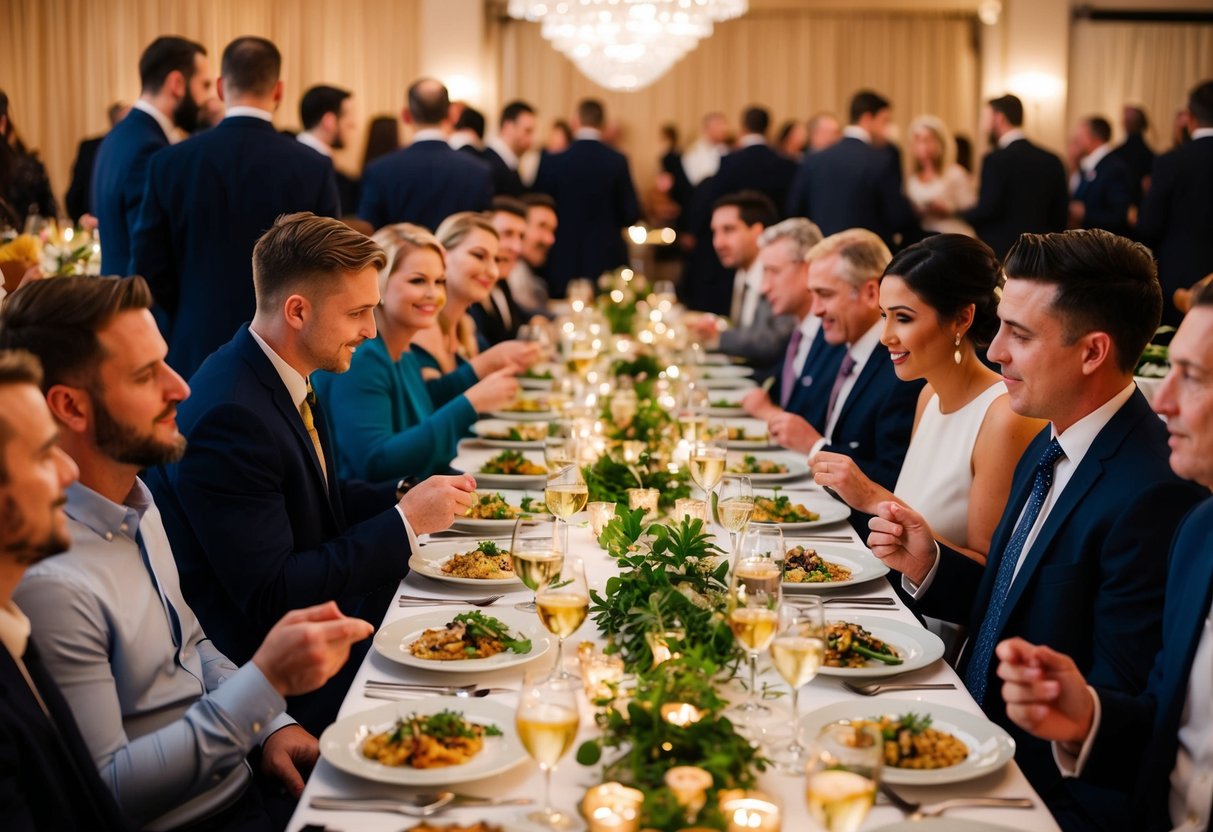
Understanding the order in which guests are served can help make the reception flow smoothly. It can also affect how your guests feel about the event.
Many couples choose to create a timeline that includes not just meal serving, but also fun activities and speeches, making the entire celebration memorable.
When planning your wedding day, think about how you want to handle this part of the reception.
Having a clear plan can ease any confusion and allow everyone to enjoy their time together without unnecessary delays at the buffet or dinner service.
The Traditional Wedding Reception Timeline
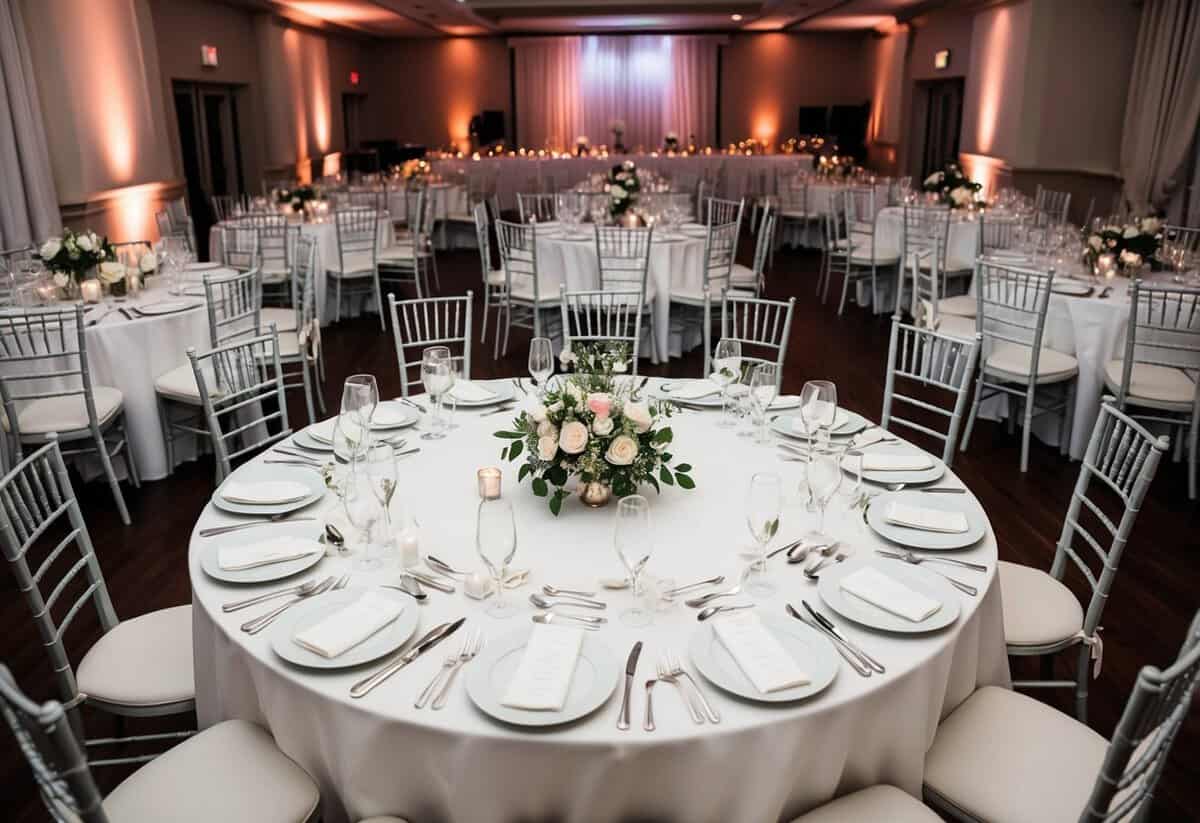
A traditional wedding reception follows a timeline to ensure everything runs smoothly. This schedule includes key moments like the cocktail hour, dinner service, and special ceremonies, setting the tone for a joyful celebration. Here’s how it typically unfolds:
Cocktail Hour and Guest Arrival
Your wedding reception usually begins with a cocktail hour. This is the perfect time for guests to mingle and enjoy drinks and appetizers. It often lasts about one hour.
During this time, your guests will arrive and get settled in before the main events kick off. This relaxed atmosphere allows everyone to catch up and socialize.
Make sure to plan some light music or entertainment. This helps to keep the energy high and guests engaged while they wait for you and your wedding party to make your grand entrance.
Introduction of Newlyweds and Wedding Party
Once you arrive, the real fun begins with your introduction. Traditionally, the DJ or emcee announces you and your wedding party as you enter the reception area.
This moment builds excitement and sets the mood for the evening. You might want to choose a special song for your entrance that reflects your personalities.
After the initial introductions, your first dance typically follows. This is a special moment that often draws attention, so be prepared to dazzle your guests!
Dinner Service Begins
After the introductions and dances, it’s time for dinner. This is where your guests can enjoy a meal, whether it’s a buffet or plated service.
Dinner usually lasts about one to two hours, depending on your reception format. During this time, the atmosphere is relaxed, allowing guests to converse and enjoy their meals.
It’s common to have a blessing before the meal starts. This small but meaningful gesture adds a touch of tradition and gratitude to the evening.
Toasts and Speeches
After dinner, the spotlight shifts to the toasts and speeches. This is a cherished part of the reception where family, friends, and the wedding party get a chance to share heartfelt (and sometimes funny) stories.
Typically, the best man, maid of honor, and parents will take turns speaking. Make sure to inform your speakers ahead of time so they are prepared.
Toast times can vary, but this part of the evening often lasts around 30 minutes. It creates lasting memories and bonds the guests through laughter and love.
Official Ceremonies
If you choose to include any additional ceremonies, such as a cake cutting or a special dance, this would typically happen after the toasts.
The cake cutting is a significant tradition where you share your first slice together. Your guests will likely gather around to capture this sweet moment.
You might also want to plan other unique rituals that reflect your culture or personal preferences. These ceremonies enhance the experience for everyone and can provide memorable highlights for your celebration.
Dining Etiquette at the Reception
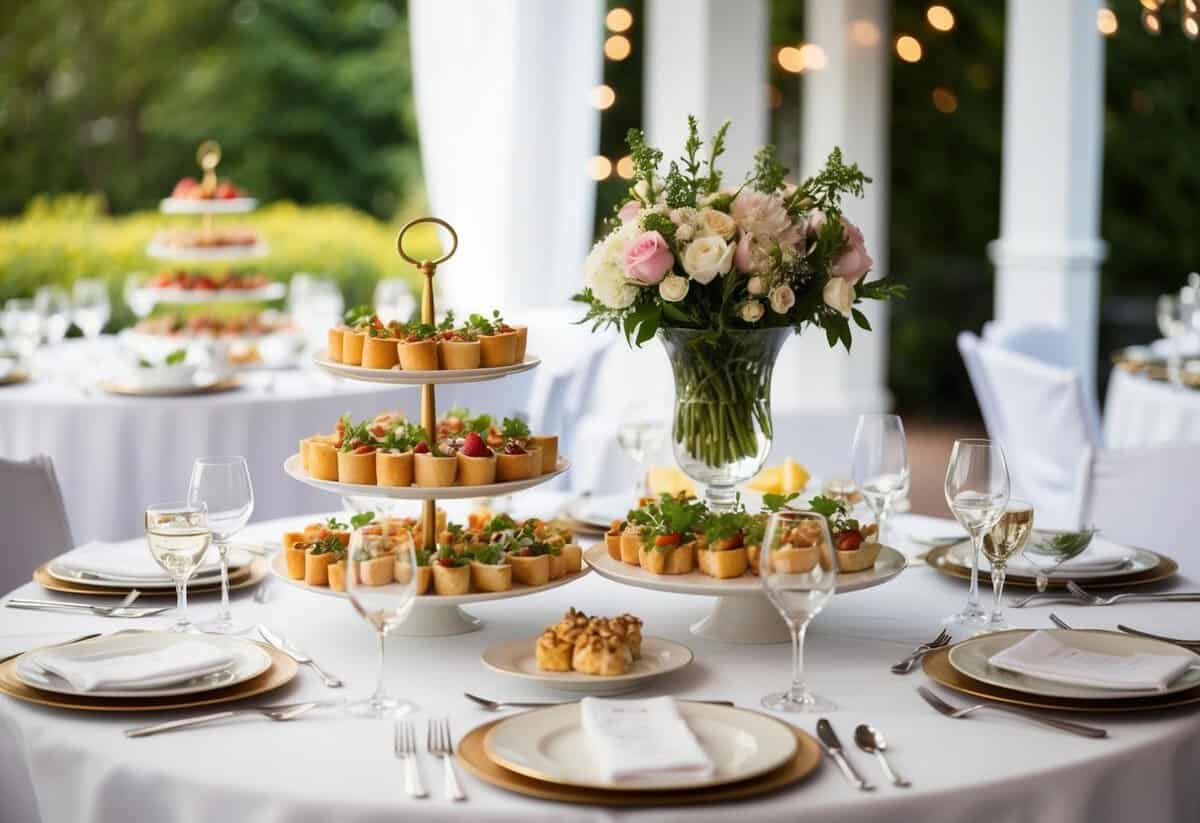
At a wedding reception, knowing how to navigate dining etiquette can enhance the experience for both you and the newlyweds. Here’s a closer look at seating arrangements, the order of service, and the differences between buffet and plated dinners.
Seating Arrangements
Seating arrangements are key to ensuring a smooth dining experience. Typically, the wedding party sits at a designated head table, which is often centrally located.
Your table might be grouped by families or friends, and it’s polite to find your assigned seat. Parent tables usually sit close to the head table to honor their roles.
If you are unsure of where to sit, don’t hesitate to ask a staff member for assistance! They are there to help make your experience enjoyable.
Order of Service
Understanding the order of service can help you know when to eat. At most receptions, the bride and groom, followed closely by the wedding party, eat first.
For plated dinners, servers will bring meals to each guest once the couple has been served.
If it’s a buffet, the newlyweds may be allowed to go first, followed by the wedding party. Afterward, guests can fill their plates in an orderly fashion. Remember to wait for the couple to start before you dig in!
Buffet vs. Plated Dinner
Each dining style has its own etiquette. At a formal dinner, guests typically wait for the couple and wedding party to be served before starting.
During a buffet, guests should follow the order of service to avoid chaos. The wedding couple often goes first, setting the tone for everyone else.
If you’re attending a buffet dinner, it’s polite to take just one trip to the buffet to avoid long lines. Keep conversations flowing and enjoy the atmosphere while respecting others’ dining experience!
The Role of the Wedding Planner
A wedding planner plays a crucial role in ensuring your reception runs smoothly. They manage various aspects of the event, from coordinating the flow of guests to creating memorable moments. Here’s how they contribute to a successful celebration.
Coordinating the Reception Flow
Your wedding planner ensures that everything moves seamlessly during the reception. This starts with the arrival of guests and guides them through cocktail hour, dinner service, and the dance floor.
They communicate with the catering team to establish when each table will be called. This is especially important if you have a buffet or a sit-down dinner. The planner often creates a detailed timeline to keep the evening on track.
By organizing the flow, they help eliminate confusion and create a welcoming atmosphere for you and your guests.
Managing Dining Logistics
Your wedding planner also oversees dining logistics to ensure a pleasant experience for everyone. They coordinate with the caterers to verify that meals are served at the right temperature and timing.
If you’re having a buffet, the planner helps organize the setup and flow of the buffet line. They ensure that guests don’t have to wait long and that food safety standards are met.
Additionally, your planner can facilitate special dietary requests. Their attention to detail here reflects your care for your guests and helps in making everyone feel included at your reception dinner.
Ensuring Memorable Moments
One of the wedding planner’s most significant roles is to create lasting memories. They stay alert for key moments, like the couple’s entrance or speeches, and make sure everything is set up for maximum impact.
Your planner also coordinates special dances, such as the first dance or father-daughter dance. They assist in cueing the DJ or band for these significant events.
With their expertise, they help capture these memories through thoughtful planning and timing, ensuring these moments shine and are remembered long after the day is done.
Entertainment and Celebrations
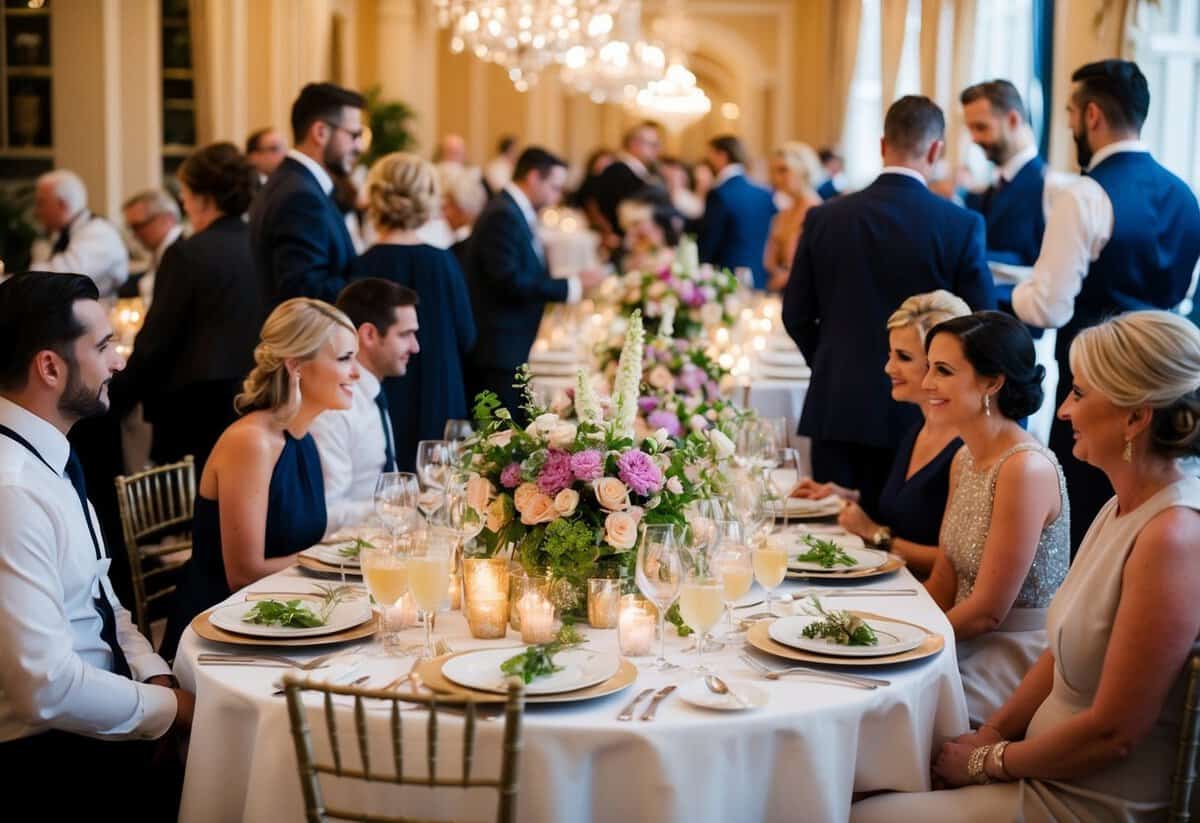
A wedding reception is a time for joy and connection. Entertainment plays a vital role in creating memorable moments for you and your guests. From music to special performances, there are many ways to engage everyone and keep the celebration alive.
Music and Dancing
Music sets the mood for your wedding reception. After the wedding ceremony, guests usually transition to the dance floor for a fun evening. A DJ is often responsible for keeping the energy high.
You can choose songs that are meaningful to you and your partner for special moments, like your first dance. This moment is typically followed by inviting guests to join you on the dance floor.
When selecting music, consider a mix of genres to cater to all ages.
Special Performances
Special performances can add a unique touch to your wedding celebration. This might include a live band, a dance group, or even a solo musician. If you have a particular talent, consider showcasing it as a memorable surprise for your guests.
Some couples opt for interactive elements, like a group dance or a flash mob. Such performances can engage everyone and create a fun atmosphere. Plan the timing of these performances carefully to keep the excitement flowing throughout the night.
Engaging the Guests
Engaging your guests is essential for a lively reception. Create activities that encourage interaction, like photo booths or games related to your journey as a couple.
You could also set up a dance-off on the dance floor, inviting everyone to join in.
Encourage guests to share their wishes and advice during a dedicated moment in the evening. This can be done through note cards or a video message booth.
These interactions help to personalize the experience for everyone and make the celebration unforgettable.