
Who Enters First: Bride or Bridesmaids? Understanding Wedding Procession Etiquette
When planning a wedding, you may wonder about the order of the processional. Typically, the bridesmaids walk down the aisle before the bride, creating a lovely buildup to her grand entrance. This traditional sequence adds a special touch to the ceremony and helps set the mood for the moment when you, as the bride, make your entrance.
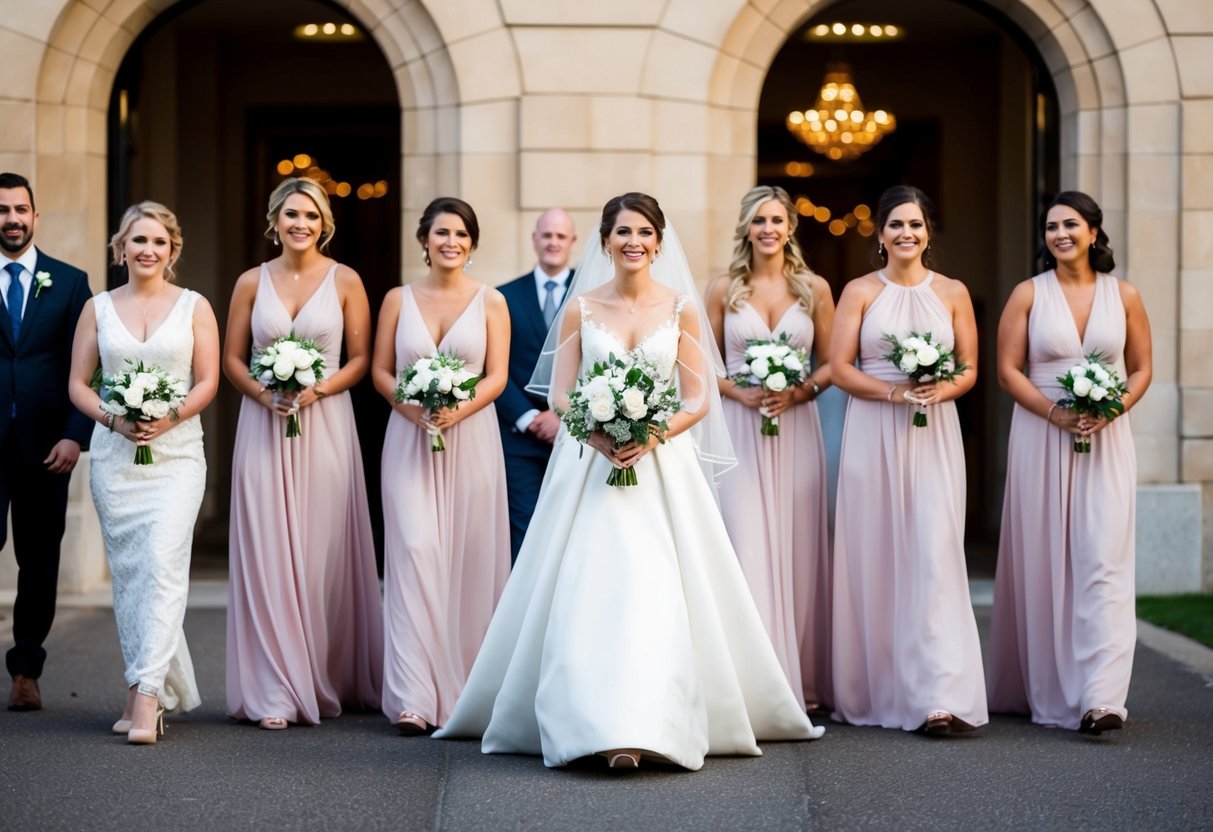
As the music begins and the guests settle in, the wedding processional starts with the bridal party. The bridesmaids usually enter first, walking in pairs or individually. This display not only fills the space with beauty but also signals that the ceremony is about to become even more exciting as you prepare to join them at the altar.
Understanding who enters when during a wedding ceremony can help you feel more confident and organized. Knowing that the bridesmaids lead the way allows you to enjoy your moment of anticipation, making the day even more memorable for you and your loved ones.
Wedding Processional Basics

Understanding the order of entrance in a wedding is important for a smooth ceremony. This sets the tone for the event and helps guests understand what to expect. Here are the key roles in the processional.
Understanding the Processional Order
The wedding processional order is the sequence in which people walk down the aisle. Typically, the processional starts with the officiant, followed by the groom and best man. Next, the bridesmaids enter, usually in pairs, to create a lovely visual effect.
After them, the maid of honor walks down with the flower girl, who may scatter petals. The last to enter is the bride, often accompanied by her father. This order creates a memorable moment as everyone eagerly awaits the bride’s arrival. Keep this structure in mind as you plan your special day!
Ceremonial Traditions and Variations
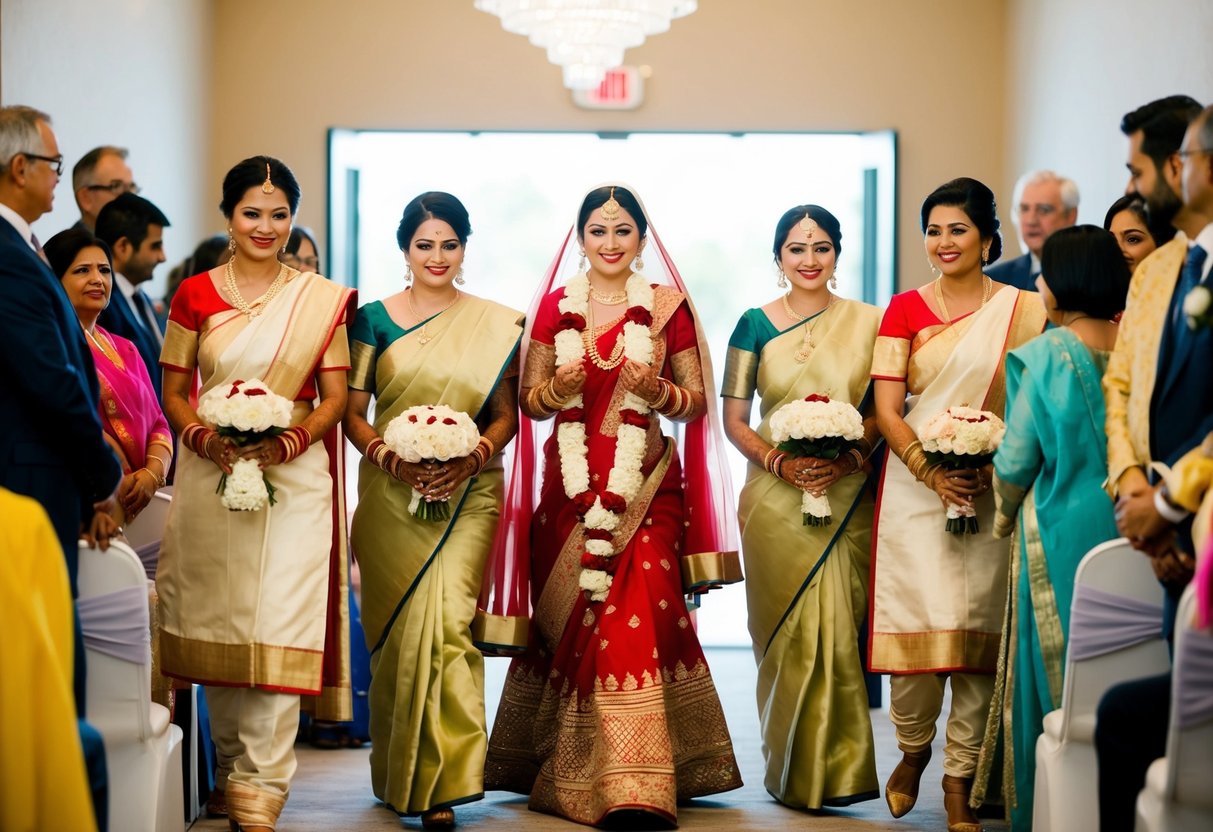
Weddings can vary greatly depending on cultural, religious, and personal beliefs. Each ceremony brings its unique traditions and processional orders that guide the entrance of the wedding party.
Traditional Christian Ceremony
In a traditional Christian wedding, the groom typically enters first, accompanied by his best man. Following them, the groomsmen walk down the aisle, often paired with bridesmaids. This varied Christian wedding processional order sets the stage for the bride’s entrance.
The maid of honor is the last member of the wedding party to enter before the bride. This order creates a moment of anticipation, as all eyes are on the bride when she walks down the aisle. She usually walks with a family member, often her father, making for a poignant moment in the ceremony.
Cultural Specific Ceremonies
Different cultures celebrate weddings with unique traditions and sequences. In a Jewish wedding, for instance, the rabbi and cantor may enter before the groom and his party. The bride and groom stand under a chuppah, symbolizing their new home.
In Hindu weddings, the baraat involves the groom arriving in a festive procession, often on horseback. This lively entrance is a celebration in itself. The bride and groom then meet at the mandap, where their ceremony takes place.
These distinct entrances reflect the rich histories and beliefs of each culture, making every wedding special.
Nondenominational Wedding Arrangements
For nondenominational weddings, you have more flexibility in planning. You can choose any order that fits your style. Often, the officiant enters first, setting a relaxed tone.
Following the officiant, the groom and best man may walk in together, followed by bridesmaids paired with groomsmen. The maid of honor often walks last before the bride. This more casual approach allows you to include personal touches.
You might even mix traditions from different cultures, creating a unique experience that reflects your journey together.
Roles and Responsibilities
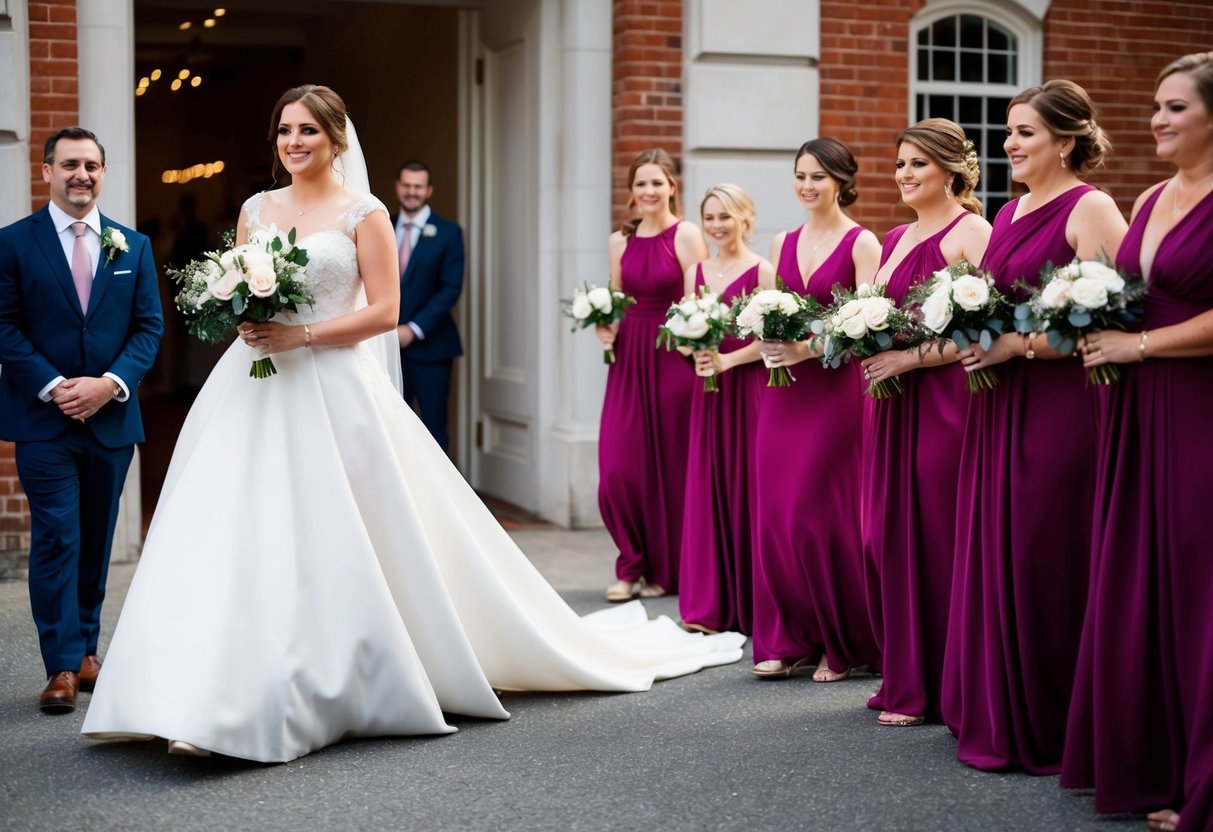
Knowing the roles and responsibilities in your wedding party can help everything run smoothly. Each member has specific duties that contribute to the overall success of the day.
Assigning Key Roles
Start by determining who will fill the essential positions in your wedding party. The bride and groom are the stars of the day, but their support crew is just as important.
Key roles include:
- Maid of Honor: Supports the bride with planning and emotional support.
- Best Man: Assists the groom and organizes the groomsmen.
- Bridesmaids and Groomsmen: Help with tasks and provide support throughout the planning and on the day of the wedding.
Don’t forget about flower girls and ring bearers. They add charm and cuteness, making your ceremony memorable.
Duties of the Bridal Party
Each member of the bridal party has specific tasks. The maid of honor may organize pre-wedding events and help the bride with her dress. Bridesmaids often help with decorations, addressing invitations, and ensuring the bride feels calm and comfortable.
On the groom’s side, the best man manages the ring, provides support, and helps with logistics. The groomsmen assist with setup and errands. Everyone plays a role in making the wedding day special.
Additionally, having a clear list of duties can prevent confusion and ensure everyone knows what to do. You can also create a group chat for quick communication.
The Role of the Wedding Planner
A wedding planner is key for organizing your big day. They coordinate the timeline and manage logistics, so you can focus on enjoying the moment. Their experience helps guide you through each step, from venue selection to vendor negotiation.
Planners also communicate with your bridal party about their responsibilities. This ensures everyone stays on track and that nothing is overlooked. They act as a buffer, relieving stress and handling any issues that arise.
With a planner by your side, you gain peace of mind, knowing that details are under control. This allows you and your wedding party to fully embrace your roles and enjoy the celebration.
Customizing Your Wedding Processional
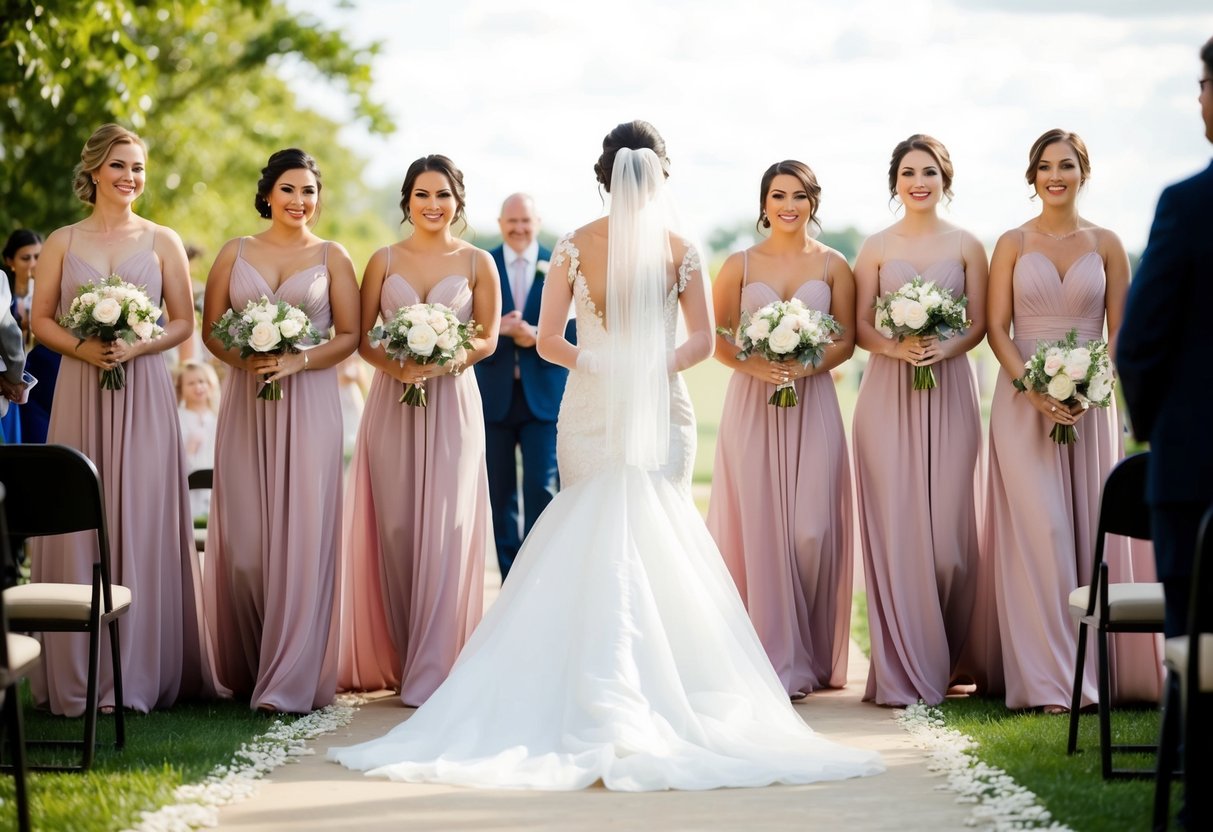
Your wedding processional is a chance to showcase your style and personality. By making it your own, you create a meaningful experience for you and your guests. Consider adding personal touches and special music to enhance this important moment.
Adding Personal Touches
Incorporating personal elements in your processional makes it unique. You might start with an intimate nod to family by having the bride’s mother seated first. This acknowledges her special role.
Consider including loved ones in unexpected ways. For instance, if your groom has a close relationship with his parents, they can walk down the aisle before him. It’s a great way to express family bonds.
You can also choose a nondenominational wedding processional order if that aligns better with your beliefs. This allows flexibility in how you present your bridal party, influenced by both tradition and personal significance.
Incorporating Music and Readings
Music sets the mood for your processional. Think about songs that evoke emotion or represent your journey together. Choose what feels right for you, whether it’s a classic melody or a modern tune.
During the processional, you might include a reading that resonates with your relationship. This could be a favorite poem or a quote that inspires you. Personalizing what you say and hear adds to the occasion.
Lastly, coordinating the processional with the exchange of rings can enhance the entire atmosphere. If you have a specific song for this moment, it creates a seamless transition. Focus on what feels genuine to both of you, allowing your personalities to shine through.