
Who Enters First in a Wedding Ceremony? A Guide to Traditional Roles
Planning a wedding can be exciting but also full of questions. Traditionally, the groom walks down the aisle first, followed by the wedding party and finally the bride, who is often the last to enter. Knowing the order can help you create a smooth and memorable ceremony.
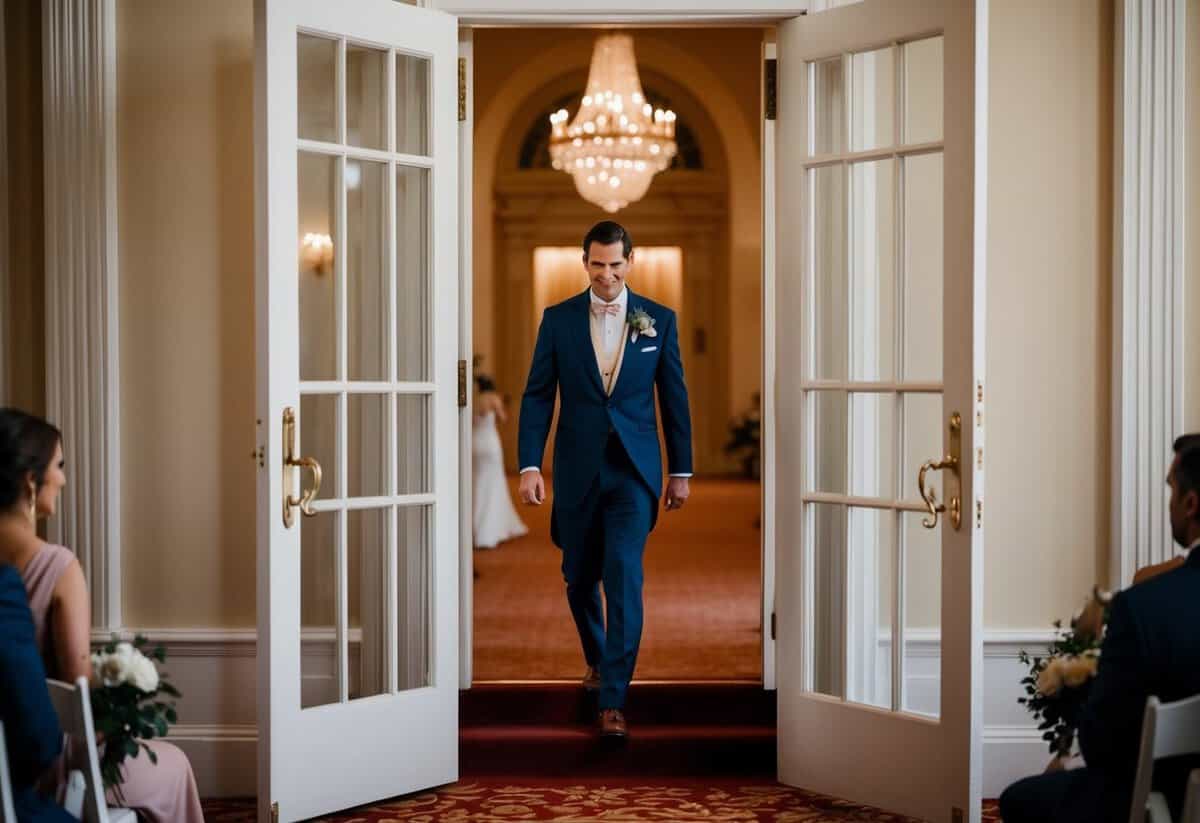
Understanding who enters first sets the tone for your special day. You might find it interesting to learn about variations in this tradition, especially if you come from different cultural backgrounds or want to personalize your ceremony.
As you consider these details, remember that every wedding is unique, and you can choose the order that feels right for you. Let’s explore how these choices can reflect your style and values.
Understanding Wedding Processional Orders
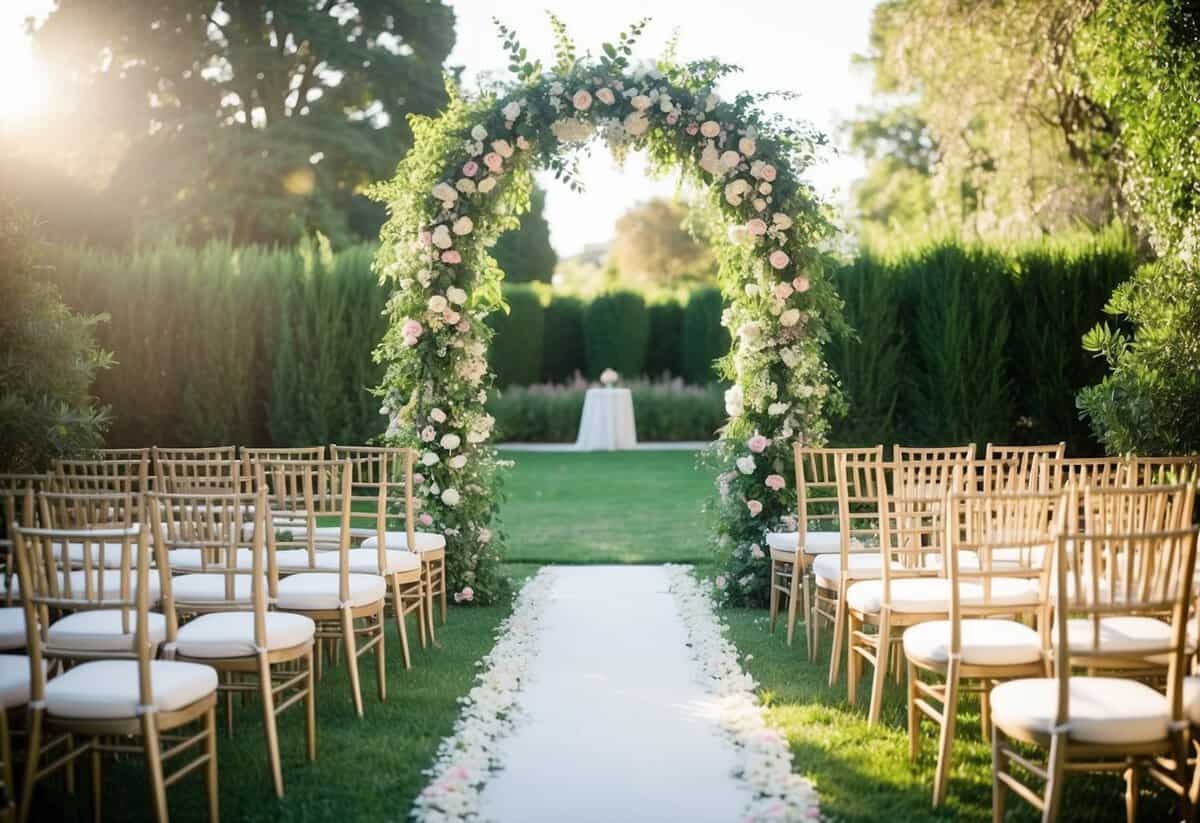
The wedding processional order is the sequence of participants walking down the aisle during your ceremony. Knowing the traditional structures and any modern adaptations can help make your day personal and memorable.
Traditional Processional Structures
In a traditional wedding, the processional typically starts with the officiant taking their place at the front. After that, the grandparents and parents of the couple follow.
Next, refer to the order specific to your culture. For instance:
- Christian Wedding Processional: Usually includes groomsmen, bridesmaids, and the bride last.
- Catholic Wedding Processional: May follow a similar pattern but often involves more formal elements.
- Jewish Wedding Processional: The parents of the couple often walk down before the bridal party.
- Hindu Wedding Processional: The groom often enters first, followed by the bride.
This structure can vary, but knowing these basics can help you outline your day.
Modern Adaptations in Processionals
Modern weddings often allow for more flexibility in the processional order. You can mix traditions to suit your preferences. This could mean having both parents walk you down the aisle or including special friends.
You might customize your processional with personal touches too. For example, a unique song choice or an unexpected entrance style can add some flair.
You can find a printable wedding processional order template to help visualize your ceremony structure.
No matter how you choose to organize it, make sure it reflects your unique story.
Roles and Responsibilities
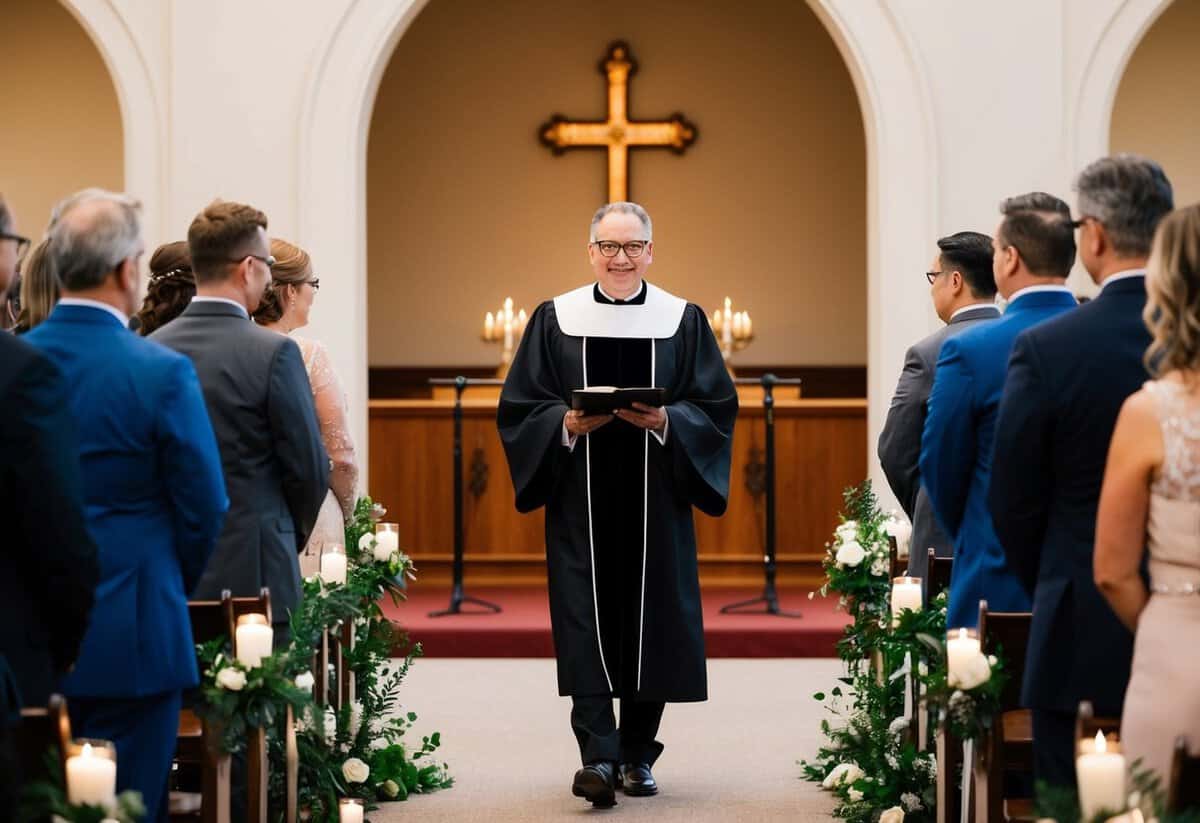
Understanding the roles and responsibilities of key participants in a wedding ceremony helps to create a smooth and memorable event. Each member has a specific part to play, ensuring everything goes as planned from the entrance to the vows.
Key Members of the Bridal Party
The bridal party includes the bride, her attendants, and special guests. The bride often leads the way, typically walking down the aisle last, creating a memorable moment.
Maid of Honor: This person stands by the bride’s side, offering support and helping with planning. She often carries the bride’s bouquet and manages any last-minute details.
Bridesmaids: They accompany the maid of honor and create elegant visuals with coordinating dresses. Their role is to assist the bride and ensure she stays relaxed and happy on her big day.
Flower Girl: This young member walks ahead of the bride, scattering petals down the aisle. She adds a charming touch to the ceremony, emphasizing the joy of the occasion.
The Groom’s Entourage
The groom’s entourage mirrors the bridal party’s role, supporting him throughout the ceremony.
Best Man: The best man is the groom’s closest friend or relative. He holds the wedding rings and provides emotional support while helping to manage logistics.
Groomsmen: They walk down the aisle alongside the bridesmaids. Their job includes supporting the groom and mingling with guests to ensure a fun atmosphere.
Parents of the Groom: They often escort the groom, showcasing family unity. Their presence is vital, as they symbolize the joining of two families.
The Role of the Wedding Officiant
The officiant holds a crucial position in the ceremony. Traditionally, he or she enters first, symbolizing the start of the event.
As the person conducting the ceremony, the officiant leads the couple through the vows and rituals. They help create a personal touch by sharing stories about the couple.
It’s important for the officiant to establish a comfortable atmosphere. This ensures that both the bride and groom feel at ease as they prepare to declare their love publicly.
The Ceremony’s Key Moments
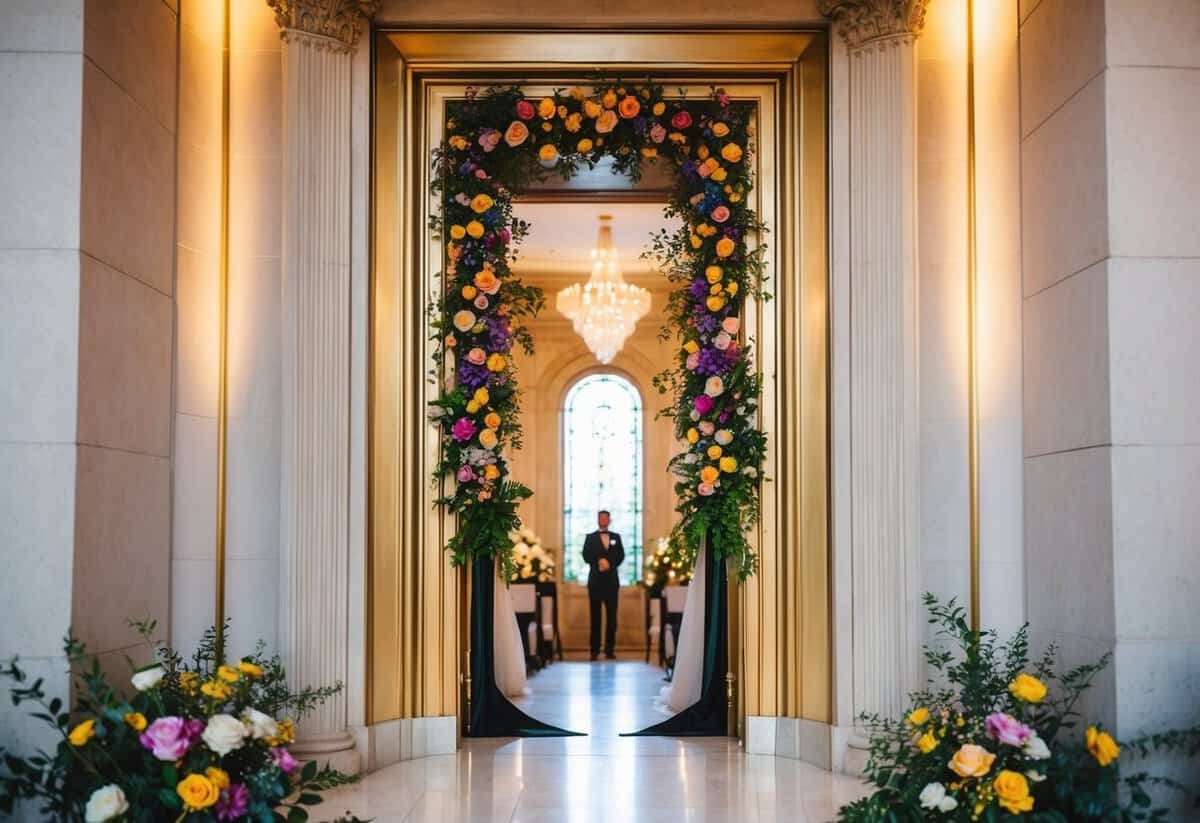
Key moments happen throughout the wedding ceremony, marking transitions and creating lasting memories. Understanding the significance of each entrance and tradition adds to the joy of the day.
The Entrance of the Wedding Party
The processional is a highlight of any wedding ceremony. It sets the stage and creates an emotional atmosphere. Usually, family members enter first, starting with grandparents. Their presence is often heartfelt.
Next, you might see the bridal party. This includes bridesmaids, flower girls, and ring bearers. The flower girls often sprinkle petals along the aisle, adding beauty. The ring bearer carries the wedding rings, symbolizing commitment.
As the music plays, everyone’s attention focuses on the entrance order. From the page boy to the maid of honor, each role is special. This entrance signals the beginning of the ceremony and leads you to the most important part: the exchange of vows.
Symbolic Wedding Traditions
Different cultures often have unique traditions that add meaning to the ceremony. In a traditional Christian ceremony, couples may stand under a chuppah or mandap, symbolizing their new home.
A unity ceremony can also be part of this moment. This might include lighting a unity candle or a sand ceremony, representing your lives coming together.
Don’t forget about the bouquet! Traditionally, it’s often tossed after the ceremony, inviting good luck for the next bride. The recessional marks the end of the formalities. You and your partner walk down the aisle together, and it’s a memorable moment filled with joy and celebration.