
Who Enters the Wedding Ceremony First? A Simple Guide to Bridal Party Roles
The order of entry during a wedding ceremony can set the tone for one of the most important days of your life. Typically, the officiant is the first to enter, followed by the groom and his best man. This traditional approach marks the beginning of the ceremony and is a moment filled with anticipation and emotion.
Customs can vary widely, though, based on cultural traditions and personal preferences. In some unique ceremonies, for instance, family members may take precedence in the procession, creating a memorable moment for everyone involved. Understanding who enters when can help you plan a ceremony that reflects your values and style.
As you consider your wedding day details, you might wonder how these entries can be made special. From incorporating special music to personal traditions, the way everyone walks down the aisle can add to the magic of your wedding ceremony.
The Traditional Order of Entrance
Knowing the traditional order of entrance for a wedding ceremony helps create a meaningful and organized event. This order varies by culture and can carry specific significance for the couple and their families.
Role and Significance of the Processional
The processional marks the beginning of the wedding ceremony. It sets the tone and builds anticipation for guests. Each person walking down the aisle has a special role.
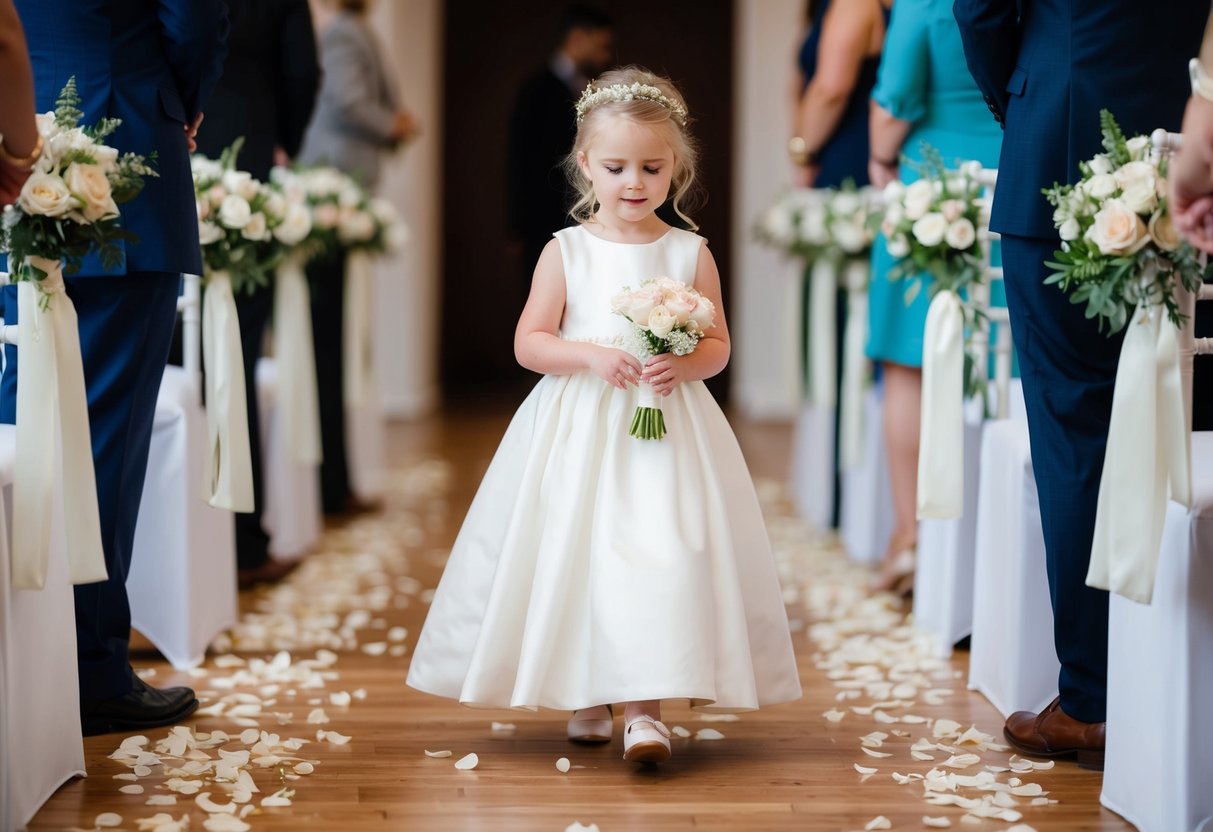
Traditionally, the officiant leads the way, followed by the groom, best man, and groomsmen. They enter first to signify that the ceremony is about to start. After them, the bridesmaids walk down, followed by the flower girl and ring bearer. The climax comes when the bride makes her entrance, often with a parent or guardian.
This order emphasizes the importance of relationships, honoring those closest to the couple. It highlights both the unity of families and the individual journeys leading to the wedding.
Detailed Wedding Processional Order
A typical wedding processional order includes several key participants:
- Officiant: The one who will lead the ceremony.
- Groom: Stands at the altar, waiting for his bride.
- Best Man: Supports the groom during the ceremony.
- Groomsmen: Accompany the groom and stand beside him.
- Bridesmaids: Walk down in pairs, showcasing the bride’s close friends.
- Flower Girl and Ring Bearer: Add charm to the ceremony, often carrying the rings or flowers.
- Bride: Usually the last to enter, creating a grand finale.
This sequence is common in many traditional ceremonies, including Christian and nondenominational weddings.
Variations in Different Cultures
Different cultures have unique approaches to the processional order.
-
Christian Wedding Processional Order: Similar to the traditional order, with the couples’ families sometimes included.
-
Catholic Wedding Processional Order: Often features specific roles for parents and may include a reading during the entrance.
-
Jewish Wedding Processional Order: Typically sees both sets of parents walking down the aisle, honoring family connections.
-
Hindu Wedding Processional Order: Involves vibrant customs such as the groom arriving on a decorated horse, emphasizing celebration.
Understanding these variations allows you to choose what feels right for your ceremony, blending tradition with personal meaning.
Key Ceremony Participants
Understanding who plays a role in the wedding ceremony is essential for planning. Each participant has a significant part, from family members to the officiant, helping set the tone for the event.
The Roles of the Family
Family members often hold important roles during the ceremony. Typically, the parents of the bride and groom are among the first to enter. The mother of the bride usually walks down the aisle before the ceremony begins, showcasing her support for her daughter.
Following her, the father of the bride traditionally escorts the bride, symbolizing his giving her away. The groom’s parents may also participate in the processional, often accompanying their son. Their presence highlights the importance of both families in the celebration.
Understanding the Bridal Party
The bridal party consists of key individuals who support the couple. The bridesmaids and maid of honor walk down the aisle, usually following the parents. The maid of honor, chosen from close friends or family, holds a prominent place next to the bride during the ceremony.
The groomsmen, led by the best man, also walk in, typically alongside the bridesmaids. The best man stands by the groom’s side and plays a vital role in assisting him. Other participants include flower girls and ring bearers, who add charm to the ceremony by carrying rings and scattering petals.
Significance of the Officiant
The officiant is a crucial figure in any wedding ceremony. They are responsible for conducting the event and guiding the couple through their vows. This person is often a licensed minister, priest, or a chosen friend or family member.
The officiant enters first, signaling the start of the ceremony. They represent not only the legal aspects of the marriage but also set a tone of love and unity. The words they share often resonate with all attendees, making their role incredibly significant for both the couple and the guests.
Ceremony Walk-Through
The ceremony walk-through is a crucial part of your wedding day. It involves everything from how guests will be seated to the exchange of vows and any special unifying elements you wish to include. Here’s what you can expect.
Venue and Setup
Choosing your ceremony venue is one of the first steps in planning. You should consider how the aisle is arranged, as this sets the stage for the entrance.
Make sure to have a clear plan for seating. Ushers play a key role in guiding guests to their seats and ensuring everyone knows where to go.
Decor is also important. If you’re using a chuppah or mandap, ensure they are placed in a way that highlights the couple. Keep in mind access for photographers to capture those special moments.
Moment of the Vows and Exchange of Rings
This part of the ceremony is the heart of it all—the moment you exchange your vows. Many couples choose to personalize their vows, making them unique to their relationship.
After the vows, the exchange of rings symbolizes your commitment to each other. Consider having a special holder for the rings, like a decorative box or a traditional pillow. This can add charm and enhance your ceremony.
It’s a good idea to have someone assigned to retrieve the rings before the ceremony. Make sure you practice how you’ll present the rings to maintain a smooth flow during this significant moment.
Special Elements and Unity Ceremonies
Unity ceremonies are beautiful ways to symbolize the joining of two lives. They can take many forms. For example, you can light a unity candle or mix colored sands. Choose one that resonates with you both.
You might also want to include a personal touch in your wedding program. Mention the special elements you’re incorporating. This way, guests feel included in the moment.
Don’t forget to plan for any special rituals that reflect your culture or beliefs. These parts of the ceremony can be very meaningful. They will leave a lasting impression on both you and your guests.