
Who Gets Introduced First at a Wedding Reception? Understanding the Order of Introductions
The big moment has arrived, and it’s time for the grand entrance at your wedding reception. Typically, the order of introductions begins with the grandparents, followed by the parents of the bride and groom, and then the flower girls and ring bearers. After that, you’ll see the wedding party introduced, which includes bridesmaids and groomsmen before the best man and maid of honor make their appearance.
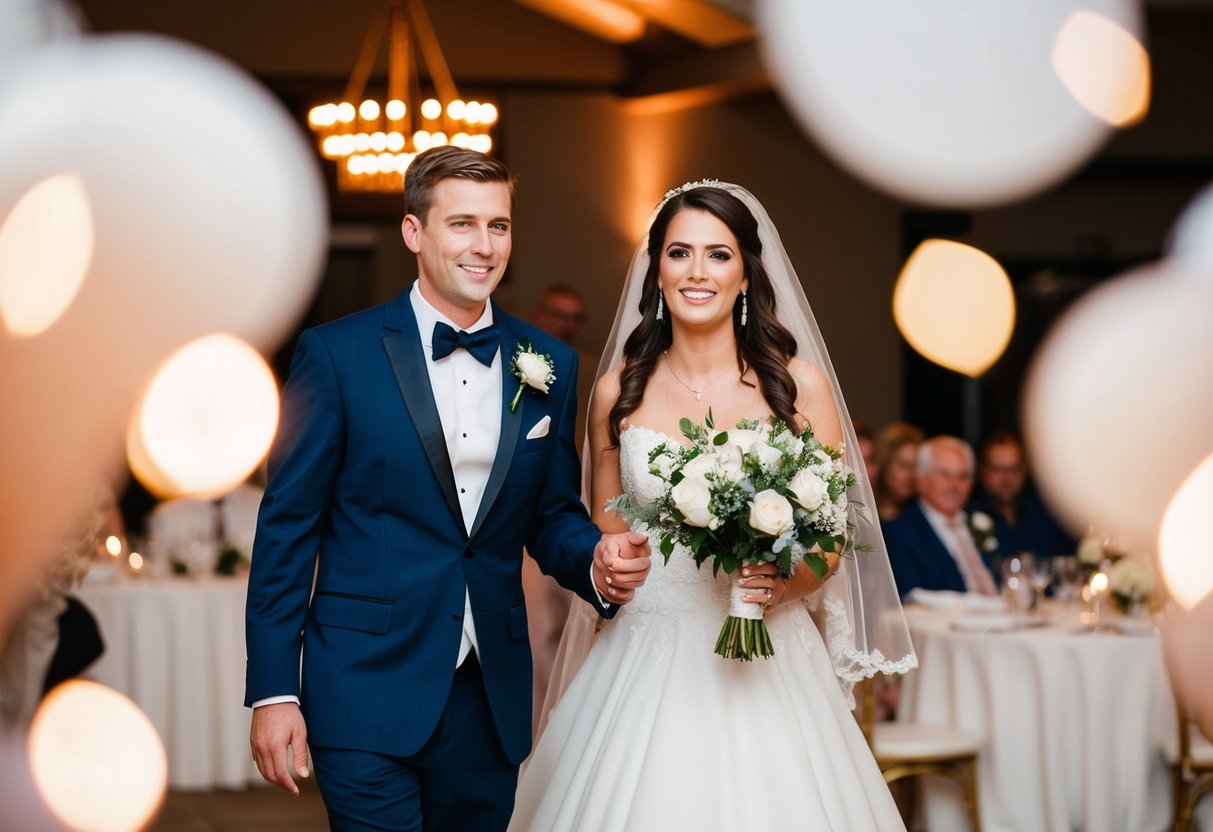
This is an exciting time, where the energy in the room really starts to build. Knowing who gets introduced when can help you create a smooth flow for your reception entrance. It’s your day, and having the right order of introductions ensures that everyone feels included and celebrated.
Feel free to add your own personal touch! While there are traditional ways to organize the introductions, many couples choose to customize the order to fit their style and preferences. Embrace the moment and get ready to celebrate with your loved ones.
The Order of Introductions
Getting the introductions right at your wedding reception sets a welcoming tone for your celebration. Knowing who gets introduced first and the order will help ensure everything flows smoothly.
Role of the Emcee
The emcee, or MC, plays a key role in the introductions. This person is responsible for announcing everyone in a clear and engaging way.
Make sure your emcee knows the names and roles of each individual. Proper name pronunciations are important, especially for names that may be tricky. You may even want to provide a list for them to follow.
The emcee often opens the reception, welcoming guests and setting the stage for the introductions. A friendly tone can make everyone feel included and excited for the evening ahead.
Announcing the Families
Typically, the first group introduced includes family members. This usually starts with the parents of the bride, followed by the parents of the groom.
Next, you can include grandparents and any important family members who should be recognized. It’s a nice touch to pause and have family members stand when their names are announced. This ensures everyone feels appreciated and acknowledged right from the start.
After announcing the families, consider introducing any special guests who might not fit into the typical categories. This could include close relatives or mentors who’ve had a significant impact on your lives.
Bridal Party and Honor Attendants
Once the families are introduced, it’s time to present the bridal party. This group usually starts with the flower girl and ring bearer, followed by bridesmaids and groomsmen.
You can then introduce the maid of honor and best man, giving them their respect due. It’s customary to include their relationship to you, such as “my sister, Jane,” or “my best friend, Mike.”
When introducing the bridal party, do so in pairs to create a lively atmosphere. This helps guests see who is paired together, which can add a nice visual element to the introductions.
The Grand Entrance of the Newlyweds
Finally, the most anticipated moment comes when you introduce the newlyweds! This grand entrance marks a significant highlight of the evening.
Traditionally, the emcee announces you and your partner last. This creates excitement as the crowd prepares for your grand entrance.
Some couples choose a fun song or unique theme to make this moment even more memorable. Whether you walk in hand-in-hand or make an elaborate entrance, remember to smile and enjoy this special moment with your guests.
Key Reception Events Following Introductions
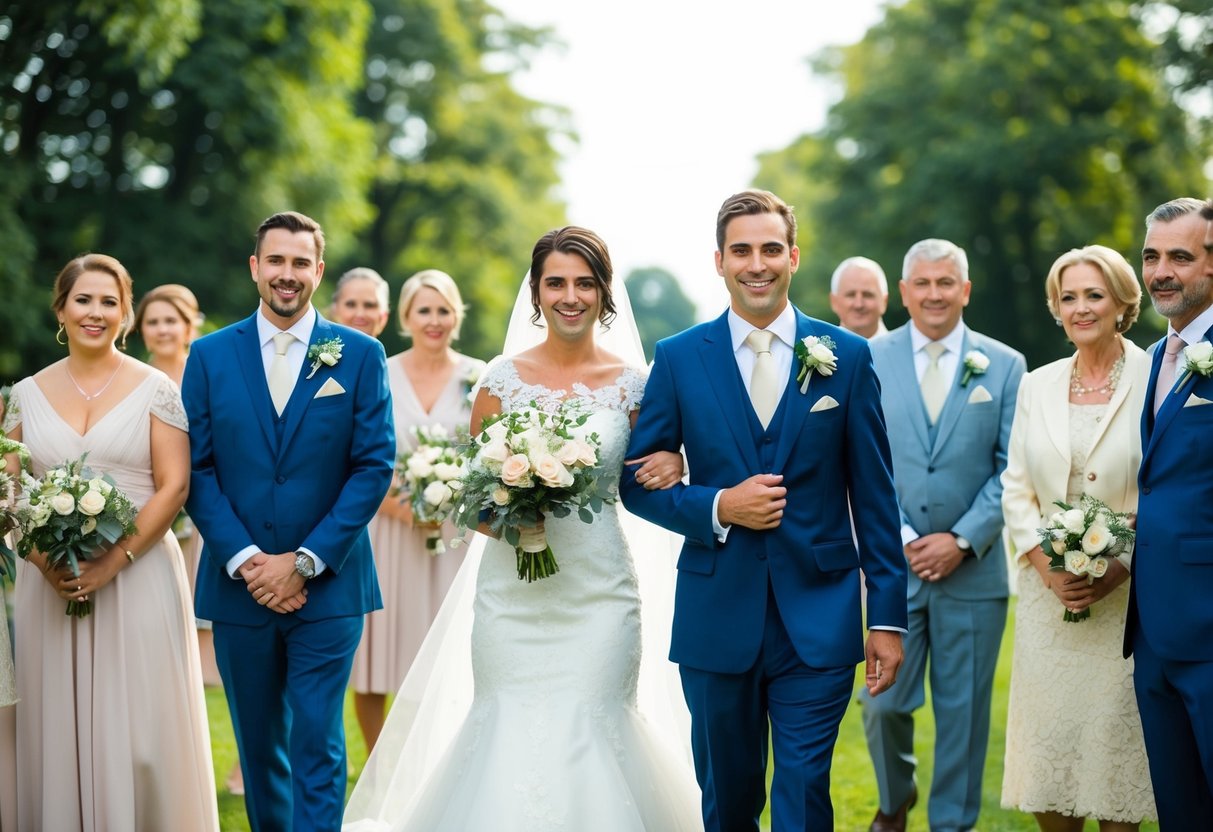
After the introductions at your wedding reception, several important events follow that set the tone for the evening. These moments allow you and your guests to celebrate, enjoy good food, and create lasting memories.
Opening the Celebration with a Welcome Toast
The reception often begins with a welcome toast. This is usually given by the couple or a member of the wedding party. It’s a chance to express gratitude to family and friends for attending.
Tips for a great toast:
- Keep it short: Aim for two to three minutes.
- Be personal: Share a meaningful story or memory.
- Stay positive: Focus on happy moments.
This toast serves as a kickoff to the celebration, energizing everyone for the festivities ahead!
Serving the Meal and Special Dances
After the welcome toast, dinner is served. Depending on your style, this might be a buffet, plated service, or even family-style dining.
Following dinner, the special dances take center stage:
- First Dance: This is your moment to shine as a couple. Choose a song that reflects your relationship.
- Father-Daughter Dance: A touching tribute that celebrates the bond between father and daughter.
- Mother-Son Dance: Similarly, this highlights the special relationship between a mother and her son.
These dances bring together emotional connections and joyful moments, perfect for setting a warm atmosphere for the evening.
Highlights of the Evening
As the night progresses, key highlights keep the energy flowing. The best man speech and maid of honor toast provide heartfelt or humorous stories about the couple. These moments often encourage laughter and cheers from your guests.
Next come the fun traditions:
- Cake Cutting: This ritual signifies your first task as a married couple. It often leads to playful interactions with your spouse.
- Bouquet Toss and Garter Toss: These events can add excitement and humor. They are crowd favorites!
Ending the evening can be just as special with a grand exit or last dance, allowing you to leave a lasting impression on your guests as you start your new journey together.
Cultural Considerations and Etiquette
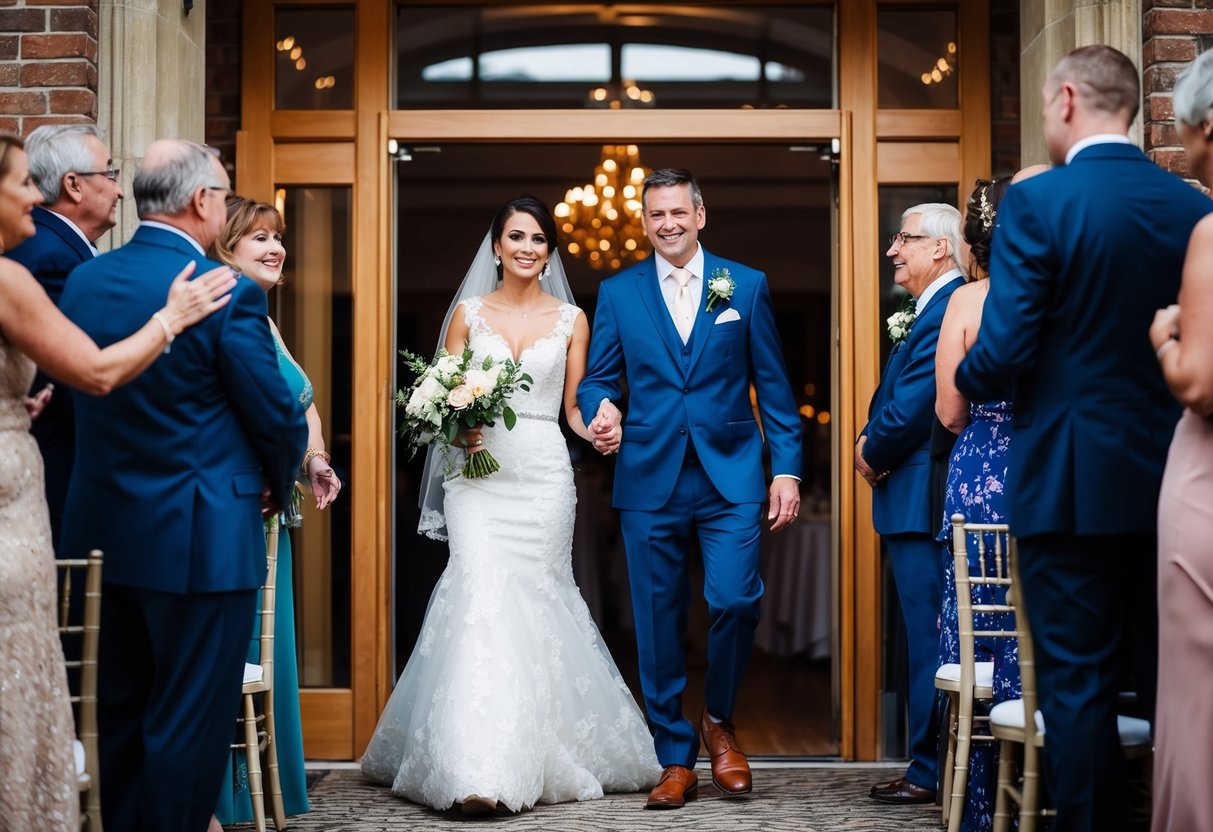
Understanding cultural practices and proper etiquette can help make introductions at wedding receptions run smoothly. Different traditions may influence who is introduced first, which is important to consider for the guests and family involved.
Adapting to Different Traditions
Every culture has its own way of celebrating weddings. For many, introducing the parents of the newlyweds first is a sign of respect. In some cultures, family lineage may play a significant role, where elders get honored before anyone else.
For example, in Indian weddings, the introduction often includes a blessing from parents before the couple is presented. If you’re planning a wedding with international guests, it’s helpful to communicate these traditions clearly to avoid confusion.
Etiquette for Modern Weddings
Modern weddings are becoming more flexible and personalized. While traditional reception grand entrance rules often dictate the order of introductions, many choose to adapt these to fit the personalities of the couple.
Today, it’s common to see the couple introduced first, followed by their friends, family, and wedding party. If you plan to break from tradition, inform your DJ or emcee ahead of time, so everyone is clear on the evening’s flow. It’s all about creating an enjoyable experience for your guests.
Special Circumstances
In some scenarios, special circumstances may affect the order of introductions. For instance, in same-sex weddings, you might want to highlight both partners equally. This could mean introducing each partner’s parents together.
If one partner has lost a parent, you may choose to honor their memory during the introduction. Consider having a moment of silence or a special mention. Understanding these nuances helps ensure that your wedding reflects your values and respects everyone involved.
Working with Wedding Professionals
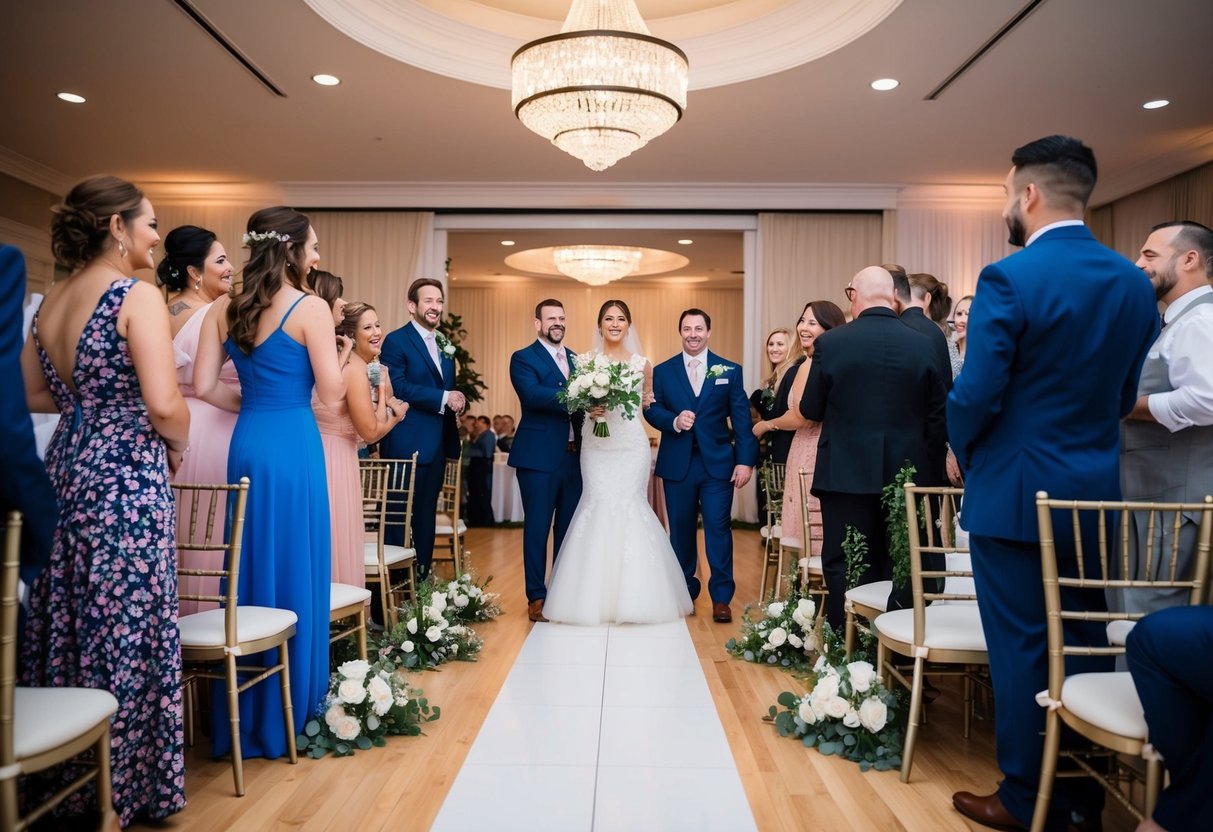
When planning your wedding reception, collaborating with professionals is key. This includes your wedding planner, DJ or band, and officiant. Each plays an important role in creating a smooth and enjoyable experience for you and your guests.
Coordination with the Wedding Planner
Your wedding planner is your main point of contact for all details. They help keep everything on schedule during the reception. Share your vision for the formal introduction and any special elements you want to include.
Make sure to provide them with the wedding reception timeline so they can coordinate activities smoothly. They can also assist in managing transitions between events like speeches and dances. Staying in close contact ensures everyone knows what to expect and when.
Selecting and Briefing the DJ or Band
Choosing the right DJ or band is crucial for setting the mood. Look for someone who understands the flow of a wedding reception and can handle formal introductions. Communicate your preferences for music styles and any special songs you want played.
At the same time, brief them on the important moments in your reception timeline, like the couple’s entrance and first dance. A well-prepared DJ or band can read the room and adapt music to keep energy levels high and guests engaged.
Role of the Officiant During the Reception
The officiant mainly oversees the ceremony, but they may also guide the reception. It’s helpful to discuss with them how they plan to assist you afterward. They can introduce key moments and make announcements for activities.
Be sure to brief them about the formal introduction order to avoid confusion. Having a familiar face can ease guests into the experience, enhancing the joyful atmosphere. Their presence adds a layer of continuity between the ceremony and celebrations, making everything feel seamless.