
Who Gets Ready with the Groom on Wedding Day? A Guide to His VIP Support Team
On the wedding day, the moments spent getting ready can be just as memorable as the ceremony itself. As a groom, you might be wondering, the people who will make this day special often include your best man, groomsmen, and sometimes your father. These individuals are not just there to help you dress; they provide support, laughter, and camaraderie during an exciting and busy morning.
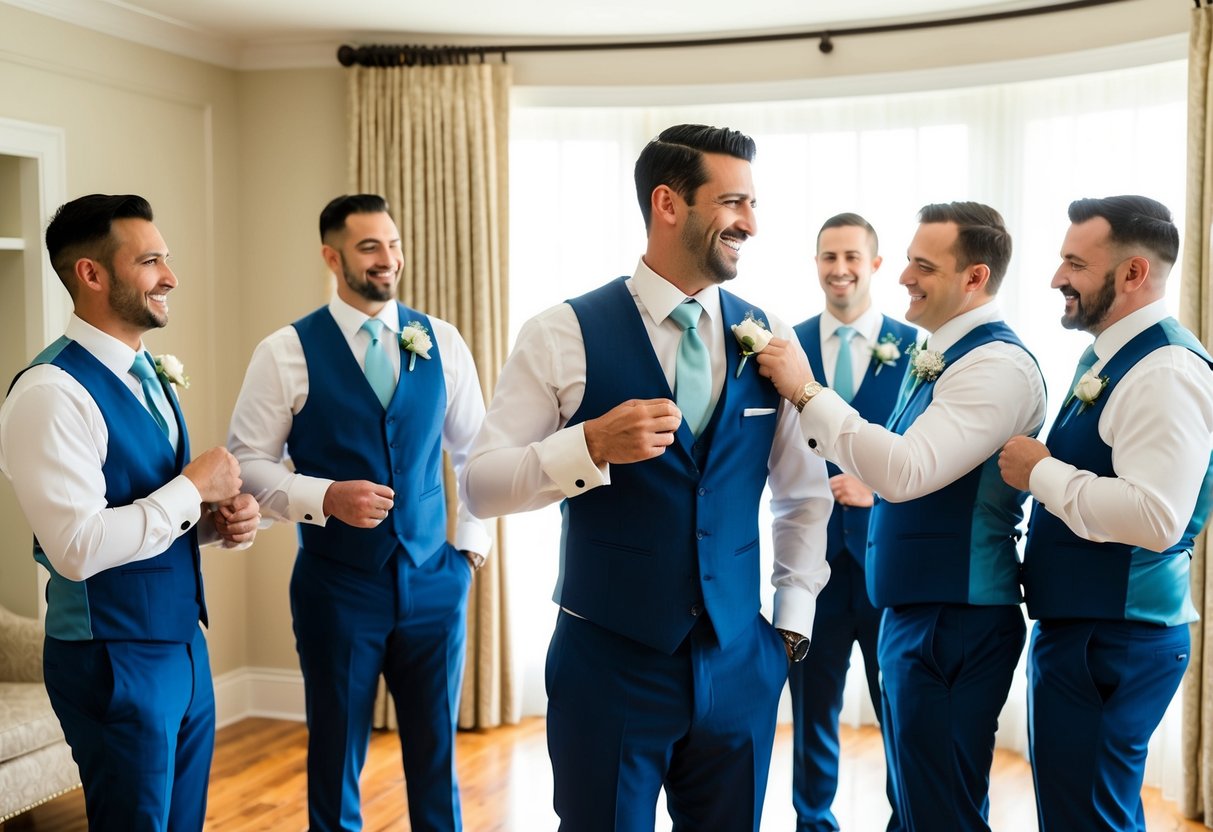
You’ll likely spend time together in a relaxed setting, whether that’s your home, your parents’ place, or even a hotel room. This time allows you to bond and create lasting memories before you take that big step. It’s essential to choose people who can help ease your nerves and make the experience enjoyable.
Being surrounded by your closest friends and family as you get ready can set a positive tone for the entire day. This camaraderie is a vital part of the wedding experience, so celebrate these moments with those you care about most.
Preparation and Responsibilities
On the wedding day, getting ready is a team effort. The groom’s support system usually includes the best man, groomsmen, and close family members, each playing a valuable role in ensuring the day goes smoothly.
The Role of the Best Man and Groomsmen
The best man is your right-hand guy. He helps coordinate everything, from making sure you’re on schedule to handling any last-minute issues. His duties include delivering the wedding rings and giving a toast at the reception.
Your groomsmen also contribute significantly. They can assist with getting dressed, carrying any necessary items, and calming your nerves. It’s common for the group to share a meal together before the ceremony, creating a relaxed atmosphere.
Make sure to communicate your needs to your groomsmen. A well-organized timeline helps everyone know their responsibilities and reduces stress on your big day.
Family Involvement
Your family members play a crucial part in the preparation process. The father of the groom often helps with practical tasks, such as transportation and coordinating with vendors. He may also offer emotional support, making sure you feel confident and prepared.
The mother of the groom can help with details like attire and personal touches, ensuring you look your best. Involving siblings and close relatives can also add a level of comfort.
Ask family members to assist with small tasks, like managing gifts or welcoming guests. Their presence can make the whole experience more meaningful and memorable.
Getting Ready Schedule
On your wedding day, having a clear getting ready schedule is essential. It helps you stay organized and ensures you don’t miss any important moments. Here is a breakdown of what you can expect during this busy time.
The Morning Schedule
Your morning on the wedding day should start early. Aim to wake up at least four to six hours before the ceremony. This gives you enough time for breakfast and to settle your nerves.
Consider having a light breakfast with your groomsmen to keep energy levels up. Include items like fruit, toast, or yogurt. Enjoying this time together sets a positive tone for the day ahead.
While you eat, check in with your wedding planner about the schedule. Make sure everyone knows their roles and timing as the day progresses.
Dressing and Grooming
Dressing and grooming are crucial parts of the morning. Start with grooming activities such as showering, shaving, and styling your hair. Allocate about two hours for this, especially if you have a specific look in mind.
If you’re wearing a boutonniere, make sure it’s ready to go with your outfit. It’s often attached just before you leave for the ceremony.
Let someone help you with your suit or tuxedo. It’s easier and adds a bit of fun to the process. Don’t forget to double-check if you have everything, from shoes to accessories.
Pre-Ceremony Activities
Before heading to the ceremony, gather with your groomsmen for some pre-ceremony activities. This could include a toast or a group photo to capture the moment.
If you’d like, take some time for a quick game or just some relaxed chatting. It can ease any nerves and help you bond before the big moment.
Be aware of the time and stick to the timeline your wedding planner provided. Aim to leave for the venue about 30 minutes before the ceremony, so you can arrive calm and collected.
Memorable Moments and Photography
Capturing moments on your wedding day is essential. These photos will help you remember the joy and emotions of the day. Whether it’s the first look or family portraits, ensuring these moments are captured beautifully can make them last a lifetime.
First Look and Family Photos
The “first look” is a popular moment when the couple sees each other before the ceremony. This intimate experience allows you to share emotions privately. It’s often the best opportunity for meaningful photos.
Tips for First Look Photos:
- Choose a scenic location for the perfect backdrop.
- Invite your wedding photographer to capture this special moment.
- Focus on genuine interactions.
Family photos should be planned in advance. They include both sides of the family and often take place after the ceremony. Make a list of must-have shots so no one is left out.
Suggestions for Family Photos:
- Gather family members in advance to save time.
- Consider a mix of relaxed and formal poses.
- Don’t forget to include fun candid shots to remember the day.
Photographer’s Role
Your wedding photographer plays a key role in capturing your special day. They are responsible for more than just taking pictures; they tell your love story through their lens. It’s important to select a photographer whose style matches your vision.
What to Look for in a Photographer:
- Experience with wedding photography.
- A portfolio that matches the style you want.
- Strong communication skills for coordinating on the day.
Throughout the day, your photographer will capture candid moments, group shots, and significant details, so you can cherish these memories forever. Be sure to discuss your expectations and any special shots you want, ensuring everything is covered.
Transition to the Ceremony
As the wedding day approaches, make sure everything flows smoothly into the ceremony. This transition is key to keeping the excitement high.
Start with the groom’s entrance. He typically walks down the aisle with close family members. This could include his parents or siblings, emphasizing the bonds of family on this special day.
Your wedding party will also play an important role. They should be well-informed about the processional order. This ensures everyone knows when to walk down the aisle.
Before the ceremony, make sure the wedding rings are in a secure location. Often, the best man is responsible for carrying them. Forgetting the rings can lead to unnecessary stress!
To keep everyone calm, consider having a short moment of quiet before the ceremony starts. This allows you and your wedding party to breathe and enjoy the moment.
Also, keep an eye on the timeline. Ensure there’s enough time for pictures before the ceremony. Candid shots can capture the joy of the day.
As the ceremony begins, remain focused on each other. Remember, it’s all about celebrating your love and commitment. The transition will lead you into a beautiful celebration with family and friends.