
Who Gets Seated First at a Wedding? A Guide to Wedding Seating Etiquette
Planning a wedding can be exciting but also a bit overwhelming, especially when it comes to seating arrangements. The immediate family members are typically seated first, with the groom’s parents followed by the bride’s parents. Understanding who gets seated first can help you create a smooth flow for the ceremony and honor the important people in your life.
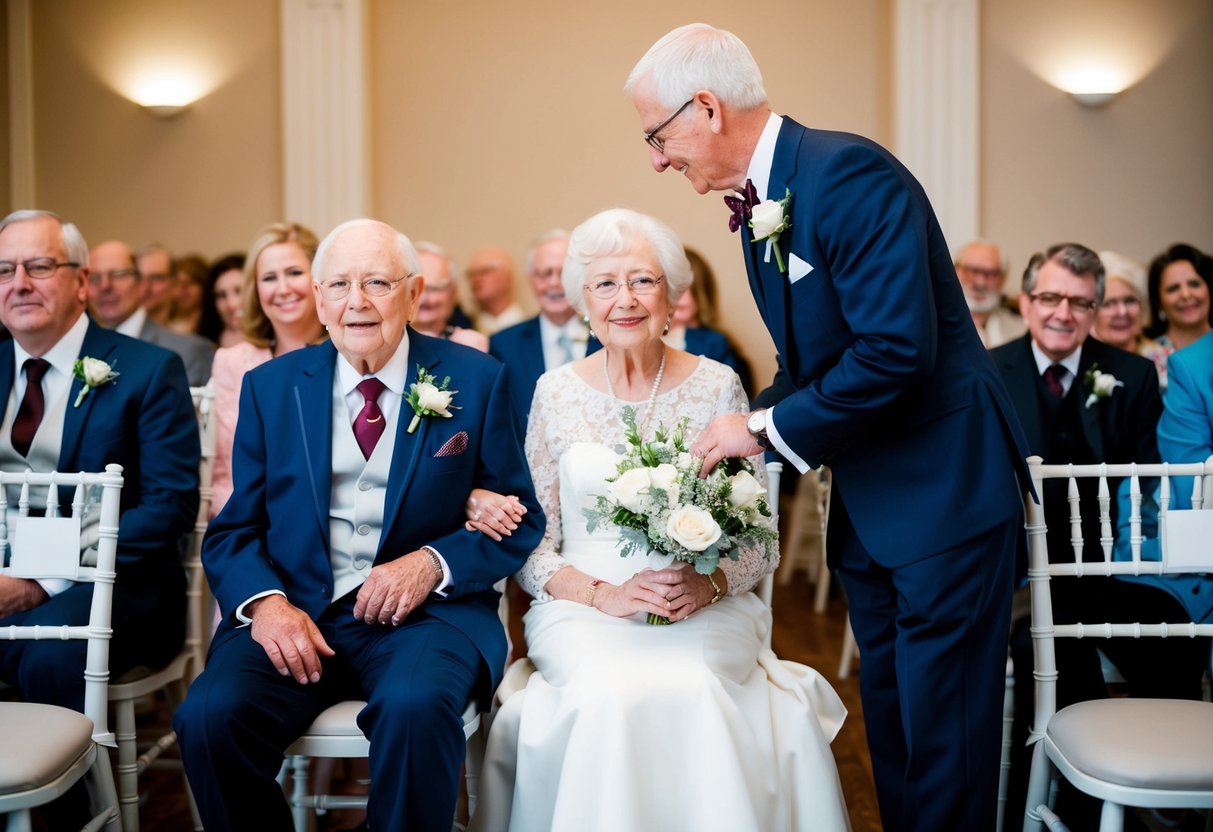
Traditions often guide the seating order during a wedding ceremony. Guests generally expect to see family seated in the front rows. This respect for family sets the tone for the event and showcases the importance of these relationships. Knowing the typical customs can ease some of the stress surrounding your special day.
If you’re unsure about the specifics, don’t worry! Each wedding is unique, and you can adapt traditions to fit your situation. Feel free to personalize your ceremony to reflect your values and relationships, making your wedding truly special.
The Basics of Wedding Ceremony Seating
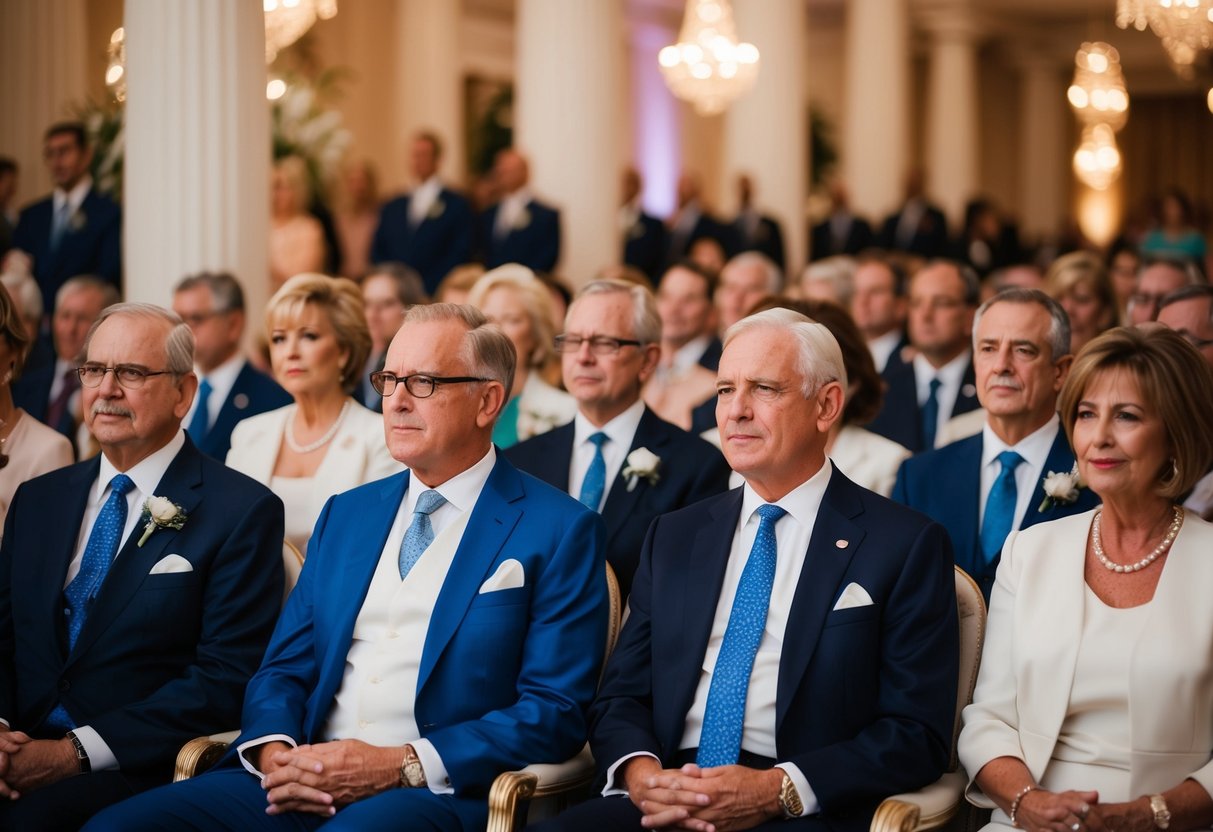
Seating at a wedding ceremony is organized to create a meaningful and smooth experience for everyone involved. Understanding who sits where and the order of events helps ensure that the ceremony flows smoothly and that guests feel included.
Understanding the Processional Order
The processional order is important for setting the tone of the ceremony. Typically, the processional starts with ushers guiding guests to their seats. This is followed by the wedding party, including bridesmaids and groomsmen.
Usually, the bridesmaids walk in pairs, followed by the groomsmen. Next comes the flower girl and ring bearer, who lead the way for the bride. Finally, the bride enters, often escorted by a parent. This order highlights the significance of each group and builds anticipation for the moment the bride reaches the altar.
Roles and Responsibilities
Each member of the wedding party has a specific role during the ceremony. The bridesmaids support the bride and may help with preparations before the ceremony. They walk down the aisle, showcasing their elegance before the bride’s entrance.
The groomsmen assist the groom and often act as ushers as well. Both groups help enhance the ceremonial atmosphere, ensuring that everything goes according to plan. The couple may also assign individuals to help with specific tasks, like managing guest seating or coordinating the processional.
Clear communication about these roles helps everyone know their responsibilities, making the day more enjoyable for you and your guests.
Honoring the Family
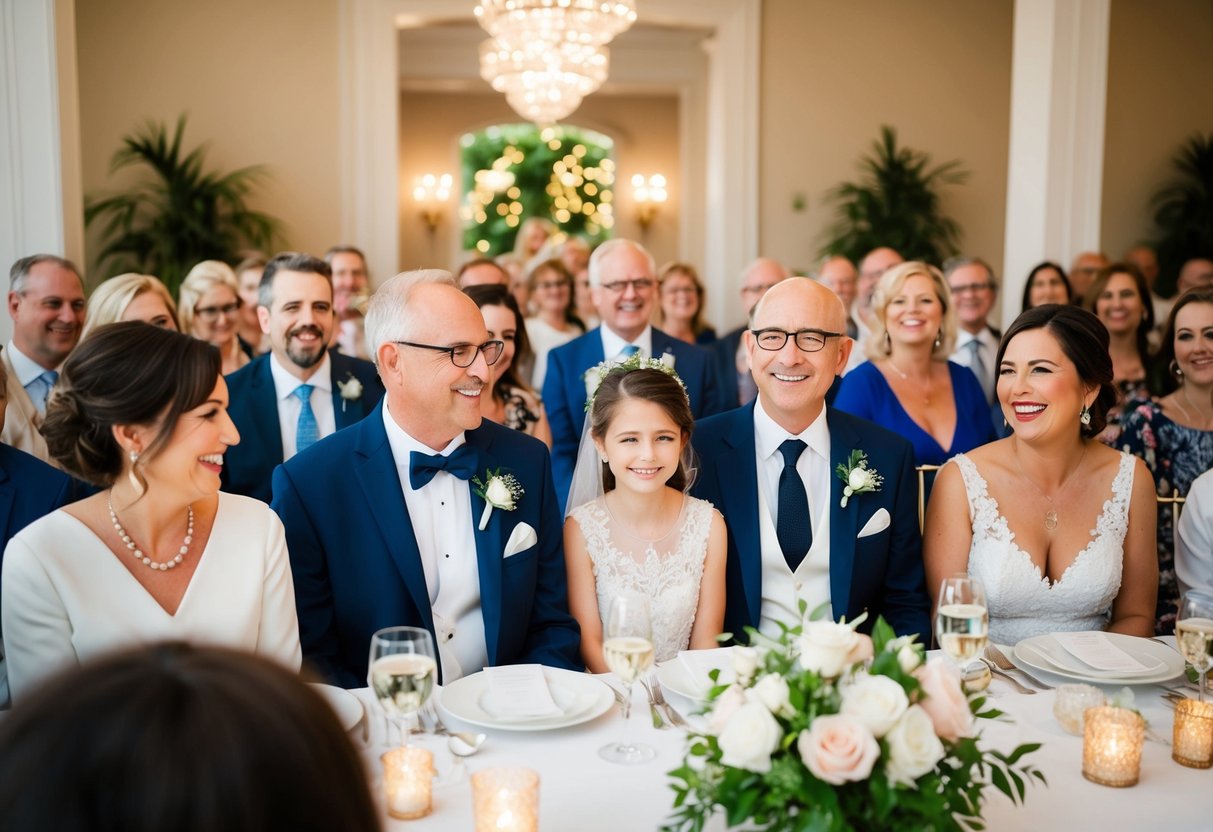
A wedding is a special day that celebrates love and family. It’s important to focus on seating arrangements that honor your parents and grandparents, as well as any special considerations for divorced parents.
Seating for Parents and Grandparents
When planning seating, make sure your parents and grandparents are prioritized. They should sit in the first few rows for easy access and visibility during the ceremony.
Typically, the mother of the bride is seated last before the ceremony starts, right before the groom and best man take their places. The groom’s parents can be seated in the same row to ensure both families are honored together.
For convenience, you might create a small table or list of who sits where. This helps avoid confusion on the wedding day. Remember, it’s about making them feel special and included.
Special Considerations for Divorced Parents
If either of your parents is divorced, it’s important to handle seating with care. Each parent should have a reserved seat, ideally in the first few rows.
To avoid any awkwardness, consider the following:
- Separate seating: Place each parent on opposite sides of the aisle. This helps maintain a peaceful atmosphere.
- Communication: Talk to your parents before the event about their preferences. This shows respect and willingness to make the day comfortable for everyone.
By planning your seating thoughtfully, you can honor your family and create a warm, loving environment on your special day.
The Wedding Party’s March

During the wedding ceremony, the march of the wedding party is a key moment that sets the tone. The order in which everyone enters is not only traditional but also adds to the beauty of the day. Let’s dive into who walks and when, including special roles like the flower girl and ring bearer.
Order of Entrance for Bridal and Groom Party
The procession typically starts with the usher leading the way to welcome guests. Next, the bridesmaids follow, usually escorted by the groomsmen. After them, the maid of honor walks down the aisle, accompanied by the best man.
A joyful highlight is when the flower girl and ring bearer make their entrance. They often come right before the bride. Lastly, the bride walks in, often the most anticipated moment. She is usually accompanied by a parent or another significant person. This order ensures that everyone plays a meaningful part in this special moment.
Roles of Flower Girl and Ring Bearer
The flower girl typically adds charm to the ceremony. She often scatters flower petals along the aisle, symbolizing blessings and beauty. This role is frequently given to a younger relative or close friend of the bride.
The ring bearer has a simple but vital duty: holding the wedding rings. Often a young boy, he walks down the aisle either alone or with the flower girl. Together, they bring an element of innocence and joy to the procession.
Both roles are essential in illustrating love and youthfulness, contributing to the event’s overall sentiment.
Cultural and Religious Traditions
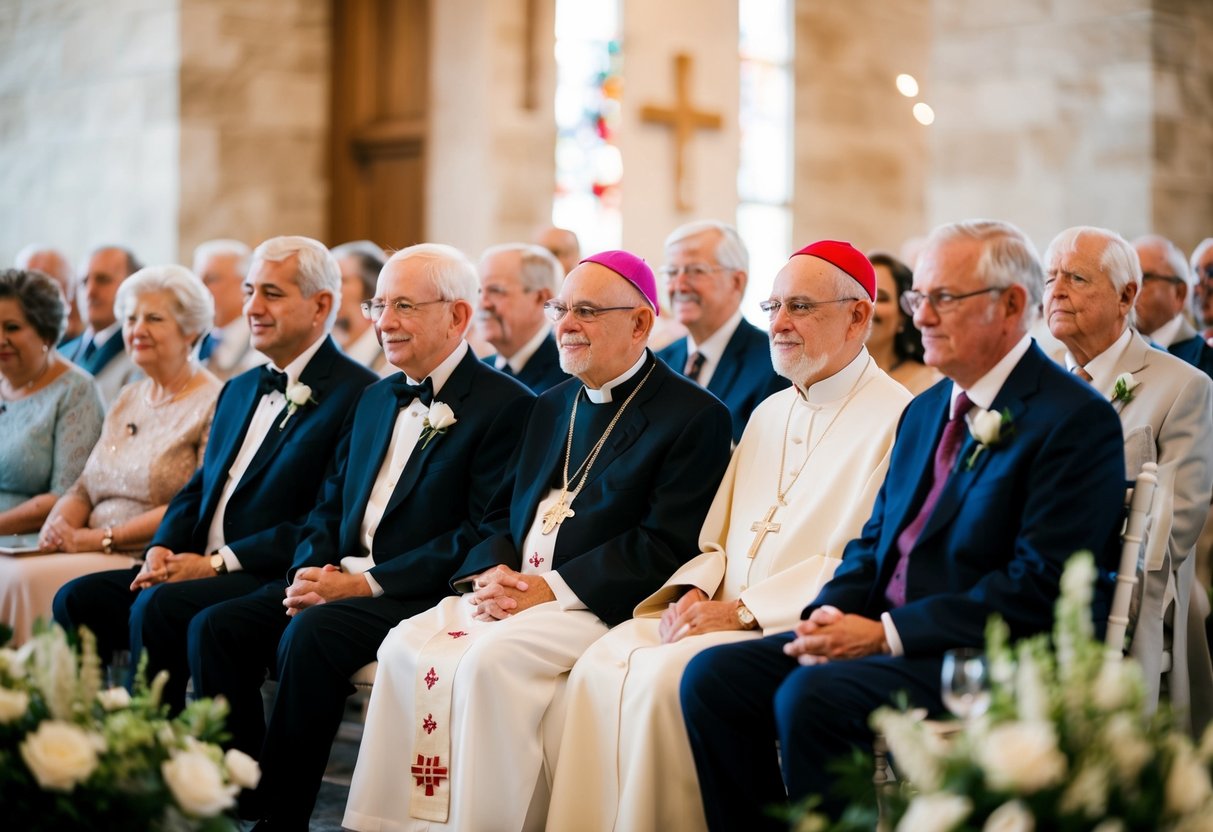
Seating during weddings often follows cultural and religious traditions that shape the experience. Different customs highlight the importance of family and the roles of individuals in the ceremony. Here are a few key traditions.
Catholic Wedding Seating Customs
In a Catholic wedding, seating typically prioritizes family. The first rows are usually occupied by the bride and groom’s parents. After them, close family members such as siblings may sit behind.
During the ceremony, the wedding processional order begins with the officiant. Next, the bridal party walks in, followed by the bride escorted by her father. This arrangement emphasizes the significance of the family’s role in your union.
Jewish Wedding Ceremony Practices
For a Jewish wedding, traditions can vary, but the chuppah is central to the ceremony. Close family members, especially parents, are given precedence when seated. The bride often enters last, symbolizing her importance in the ceremony.
In the Jewish wedding processional order, the officiant is followed by the groom and then the bridal party. The parents may join the couple under the chuppah, underscoring their supportive role in this sacred time.
Adapting Traditions for Same-Sex Marriages
When planning same-sex marriage ceremonies, you can adapt customs to fit your personal style. You might choose to seat family members similarly to traditional formats or create a new order that feels right for you.
Many couples prioritize seating friends and family in ways that honor relationships. You can decide how to blend traditions or write new ones, making the day uniquely yours. Emphasizing love and commitment remains the focus, reflecting your values and the support of those around you.