
Who Gets Seated First at a Wedding? A Guide to Wedding Seating Etiquette
Seating arrangements at a wedding ceremony can sometimes feel complicated, but knowing who gets seated first can simplify the process. Typically, immediate family members are seated first. We start with the parents of the groom, followed by the parents of the bride. This tradition helps set the stage for the rest of the ceremony and respects the significance of family in the celebration.
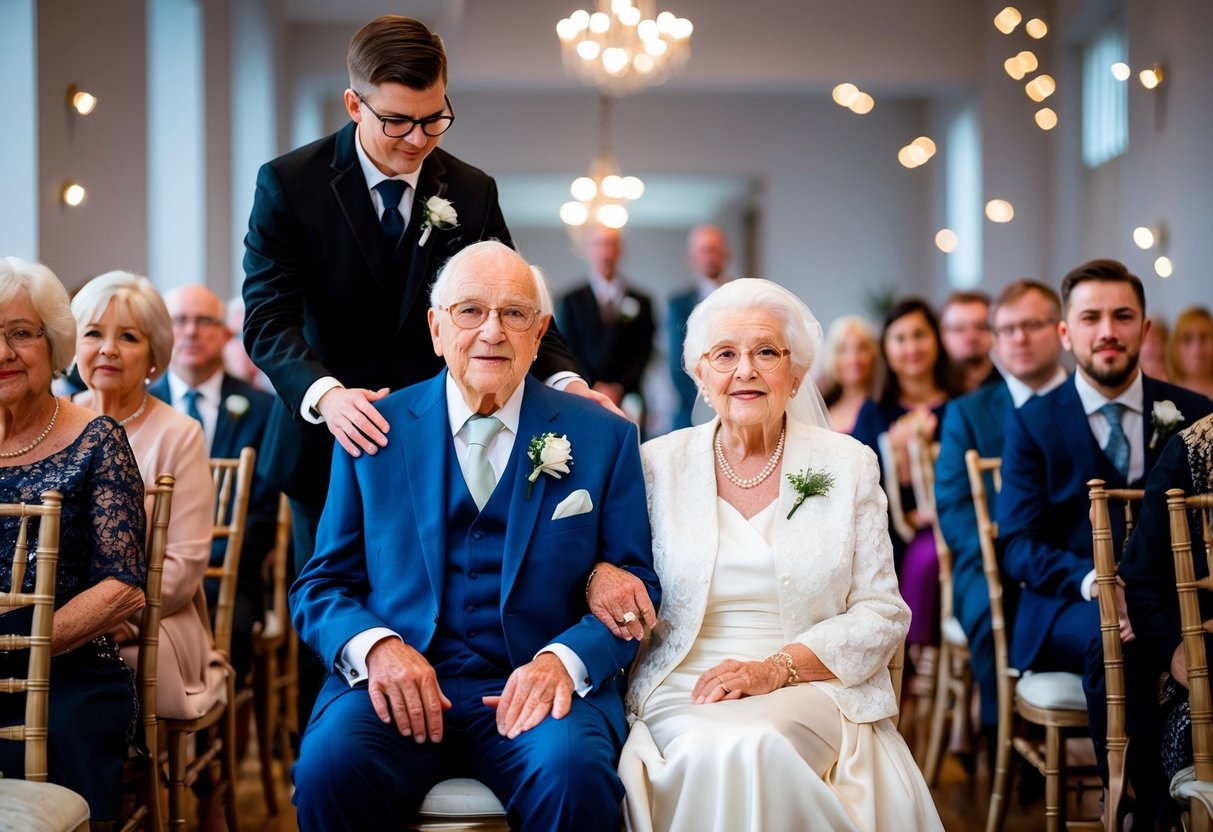
During the wedding processional, the order of entry is also important. The grandparents usually enter first, followed by the parents. This careful arrangement highlights the roles of family members and their connection to the couple.
Understanding these wedding traditions can help you feel more prepared for your special day.
If you’re planning a wedding, knowing the seating order can help you avoid confusion and ensure everyone is in their right place. From your guests to your wedding party, a well-structured seating plan enhances the celebratory atmosphere and makes for a smooth and memorable ceremony.
Understanding the Wedding Processional
The wedding processional is a special moment marking the start of a ceremony. It involves a specific order for everyone involved and includes various roles. Each person has a part to play in creating a memorable experience.
Order of Entrance
In a typical wedding processional, the order of entrance helps set the stage. The officiant walks down the aisle first, followed by family members.
- Grandparents: They usually take their seats at the front, often escorted by ushers.
- Parents: Next, the groom’s parents come down, followed by the bride’s parents.
- Groomsmen and Best Man: After the parents, the groomsmen enter, with the best man being last in this group.
- Bridesmaids and Maid of Honor: The bridesmaids then follow, leading up to the maid of honor.
- Bride: Finally, the bride makes her entrance, typically accompanied by her father or another special figure.
This order can vary based on specific customs or preferences.
Roles and Responsibilities
Each member of the wedding party has specific duties during the processional.
- Officiant: Leads the ceremony and guides the guests.
- Best Man: Supports the groom, holds the wedding rings, and ensures everything runs smoothly.
- Maid of Honor: Assists the bride with her dress or bouquet, standing close during the ceremony.
- Bridesmaids and Groomsmen: Arrange themselves in pairs, walking down the aisle to mark the approach of the bride.
- Ring Bearer: A young child, often holds the wedding rings on a cushion.
- Flower Girl: Also a child, she scatters petals to beautify the aisle for the bride’s entrance.
Understanding these roles helps everyone know their importance.
Special Variations in Different Cultures
Cultural traditions can change the wedding processional. In a Catholic wedding, for instance, the procession can include religious elements, like a scripture reading. In a Jewish wedding, the Chuppah served as the focal point, and both the bride and groom often enter together.
For same-sex marriages, couples might choose to include unique elements, celebrating their love in a way that feels right for them. This could mean changing the order or the roles to fit the couple’s personalities and preferences. Each ceremony reflects the values of the couple and their families.
Ceremonial Seating Etiquette
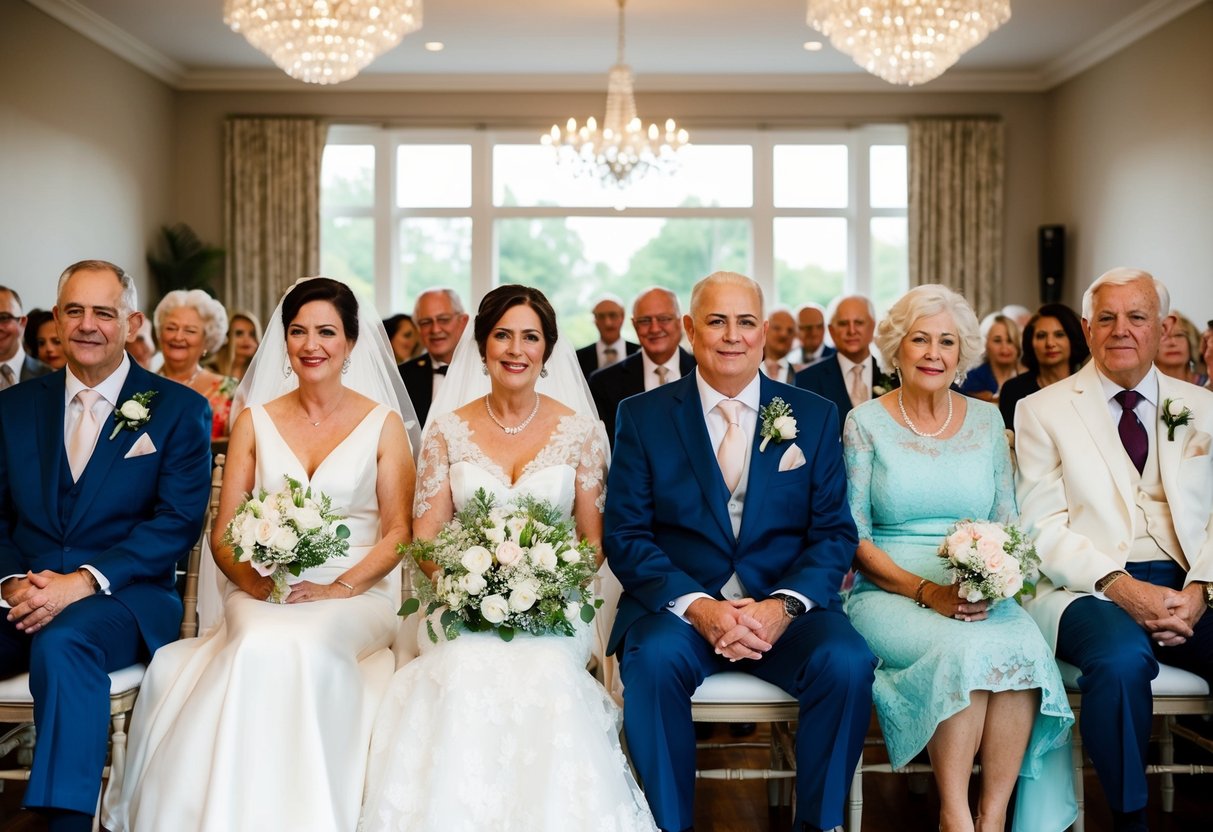
Seating guests at a wedding ceremony involves careful consideration of family dynamics and traditions. Knowing who sits where can help create a harmonious atmosphere. Here are the key elements to keep in mind.
Order of Seating for Family Members
At a wedding, family members often have specific places to sit. The bride’s parents usually occupy the first row on the left side, with the groom’s parents seated in the first row on the right side. This arrangement symbolizes the joining of two families.
Next, important relatives like grandparents and siblings have reserved seats in the first few rows. If you have a divorced parent, they may have to sit separately. In such cases, it’s best to plan ahead and communicate with everyone involved to avoid any tension.
Special Considerations for Unconventional Situations
Sometimes, family dynamics can be tricky, especially with divorced or blended families. If you’re navigating these situations, open communication is key.
Consider letting the bride’s mother and the groom’s parents know where they can sit to ensure they feel comfortable. You might create two separate rows for divorced parents—one for each parent and their partners. Always be respectful, as emotions can run high on this special day.
Seating Guests at the Ceremony
Ushers play a crucial role in guiding guests to their seats. They help ensure that everyone knows where to go without confusion. Make sure your ushers are well-informed about the seating arrangements.
When it comes to seating guests at the altar or chuppah, it’s common to reserve the front rows for close family and friends. After seating family, spread guests evenly to maintain balance. Keeping a good flow will help guests enjoy the ceremony without distraction.
Key Symbolic Elements During the Ceremony
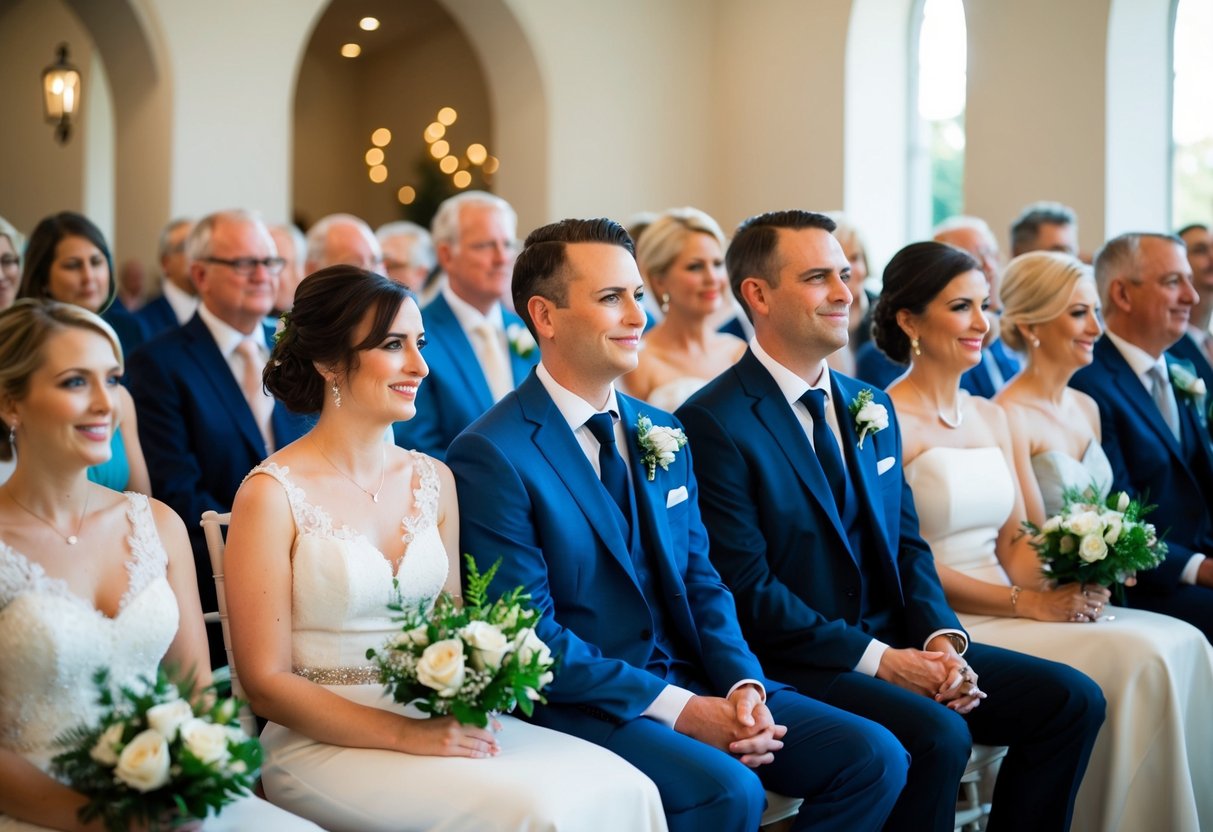
During a wedding ceremony, several key symbolic elements create memorable moments. These elements signify love, commitment, and the joining of two lives. Understanding these pieces helps you appreciate the importance of your ceremony.
Exchange of Vows and Rings
As a couple, your vows are deeply personal promises made in front of loved ones. This is when you express your feelings and commitment to each other.
Typically, standing at the altar or under a chuppah, you share these heartfelt words. This moment often includes your wedding officiant guiding the ceremony, adding to its significance.
Next, you exchange wedding rings, a symbol of your eternal love. These circular bands represent infinity, with no beginning or end. As you place the rings on each other’s fingers, it marks a powerful moment in your shared journey.
Unique Rituals and Readings
Many couples choose unique rituals that reflect their backgrounds and values. Traditions like lighting a unity candle or a sand ceremony are often seen. These rituals create a deep connection and add special meaning to your day.
Readings can also be incorporated into the ceremony. You may choose passages that resonate with your love story or beliefs. Often, family members or friends read these selections, adding a personal touch.
Whether it’s flower petals scattered down the aisle or a reading that makes everyone smile, these elements elevate your wedding day. They make the ceremony not just an event, but a cherished memory.