
Who Gets Table 1 at Wedding? Understanding Seating Etiquette for the Big Day
At your wedding reception, finding a suitable spot for the newlyweds is essential for a smooth celebration. The most sought-after place is often table 1, also known as the head table. Typically, this table is reserved for you and your partner, along with your wedding party and parents, making it the focal point of the room.
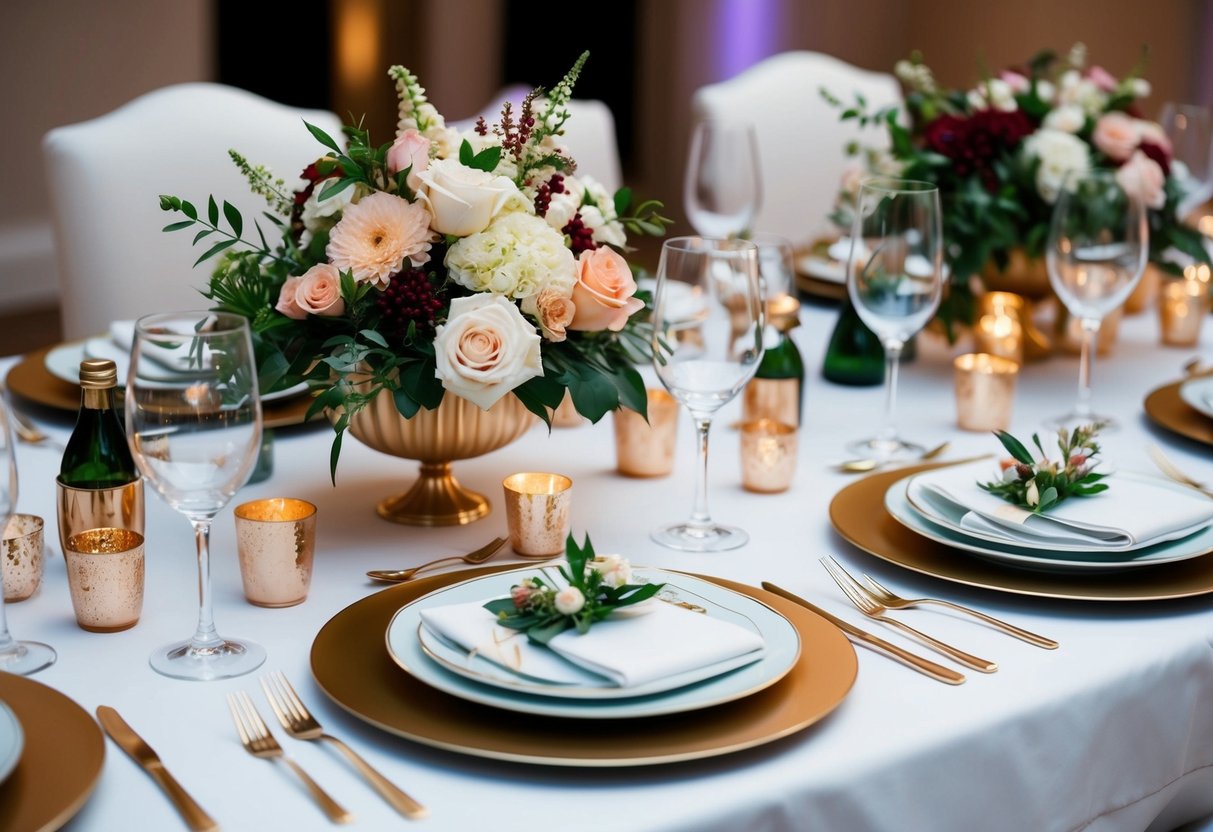
Creating a thoughtful seating arrangement helps everyone feel included and valued. As you plan, remember that table 1 not only showcases you and your loved ones but also guides your guests on where to turn their attention during the festivities.
It’s important to designate this space early on to avoid confusion later.
Understanding who sits at the head table gives you a clearer picture of your reception dynamics. Placing your closest friends and family members alongside you reinforces your bond while highlighting the warmth and joy of your special day.
Determining the Head Table Seating
Choosing who sits at the head table is an important part of wedding planning. The head table highlights the newlyweds and their closest supporters. It’s essential to consider roles and the etiquette that comes with arranging the seating.
Roles and Responsibilities at the Head Table
At the head table, each person has a specific role that adds meaning to the day. Typically, you will find the bride and groom in the center. Next to them, you might place the maid of honor and the best man. Their presence often symbolizes support and friendship.
If you have siblings or close relatives, consider including them too. This arrangement can create a welcoming atmosphere and show appreciation for those closest to you.
In some cases, the parents of the couple also sit at the head table. This can emphasize family bonds and make everyone feel involved in the celebration.
Seating Chart Etiquette for the Head Table
Creating a seating chart for the head table requires thoughtfulness. You should aim for a boy-girl seating arrangement when placing guests, which is a traditional method. This can help maintain balance and encourage conversation.
When deciding the order of seats, place the maid of honor on the right side of the bride and the best man on the left side of the groom. This arrangement makes it clear who plays a significant role in your wedding.
You also want to consider group dynamics. If certain friends get along well, it’s helpful to seat them together. Avoid placing guests who may not mesh well next to each other. This will ensure everyone feels comfortable and enjoys celebration time together.
Organizing Guest Tables
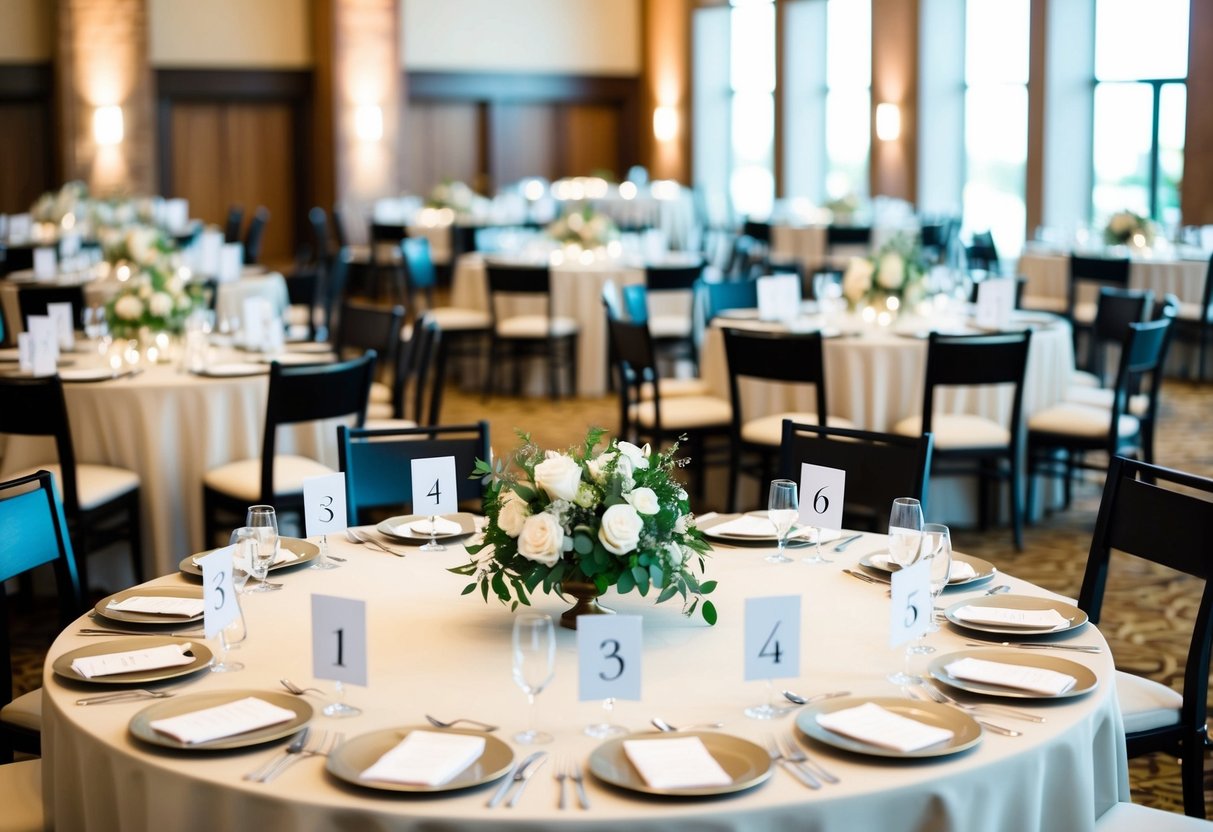
Organizing guest tables at your wedding is essential for making guests feel comfortable and ensuring smooth interactions. You must consider the relationships between guests, including immediate family, the wedding party, and any plus-ones or children attending. Here are some important aspects to focus on.
Seating Arrangements for Immediate Family
Your immediate family should feel special during your big day. Typically, they sit at a family table near the front. This table can include parents, siblings, and grandparents.
You might also want to create a separate table for extended family to keep things balanced. Label each table clearly with place cards to avoid confusion.
Consider using a sweetheart table for just the two of you. This creates a cozy spot separate from the larger family tables, allowing for intimate moments while everyone else can still enjoy the festivities.
Placement of Wedding Party Members
Your wedding party plays a special role in your day. They should sit near you at the reception.
You might opt for a dedicated table just for them, or you can mix them with close family members. This helps foster a sense of togetherness.
Give special consideration to the best man and maid of honor, making sure they are at a table where they can easily interact with you and help you celebrate.
Having clear seating arrangements will help keep things organized and ensure that everyone is where they should be for the big toasts and dances.
Accommodating Plus-Ones and Child Attendants
When it comes to plus-ones, make sure to include them in your seating chart. It’s an opportunity for your guests to socialize and feel comfortable.
Place them at tables where they will mingle with other guests, possibly those with similar interests. This can help create a fun atmosphere.
If there are child attendants, consider a separate kids’ table. This keeps them entertained and lets parents enjoy the celebration without interruption.
You can even provide some fun activities at the kids’ table to help them feel included. Planning ahead ensures all guests can relax and enjoy your special day!
Creating a Welcoming Reception
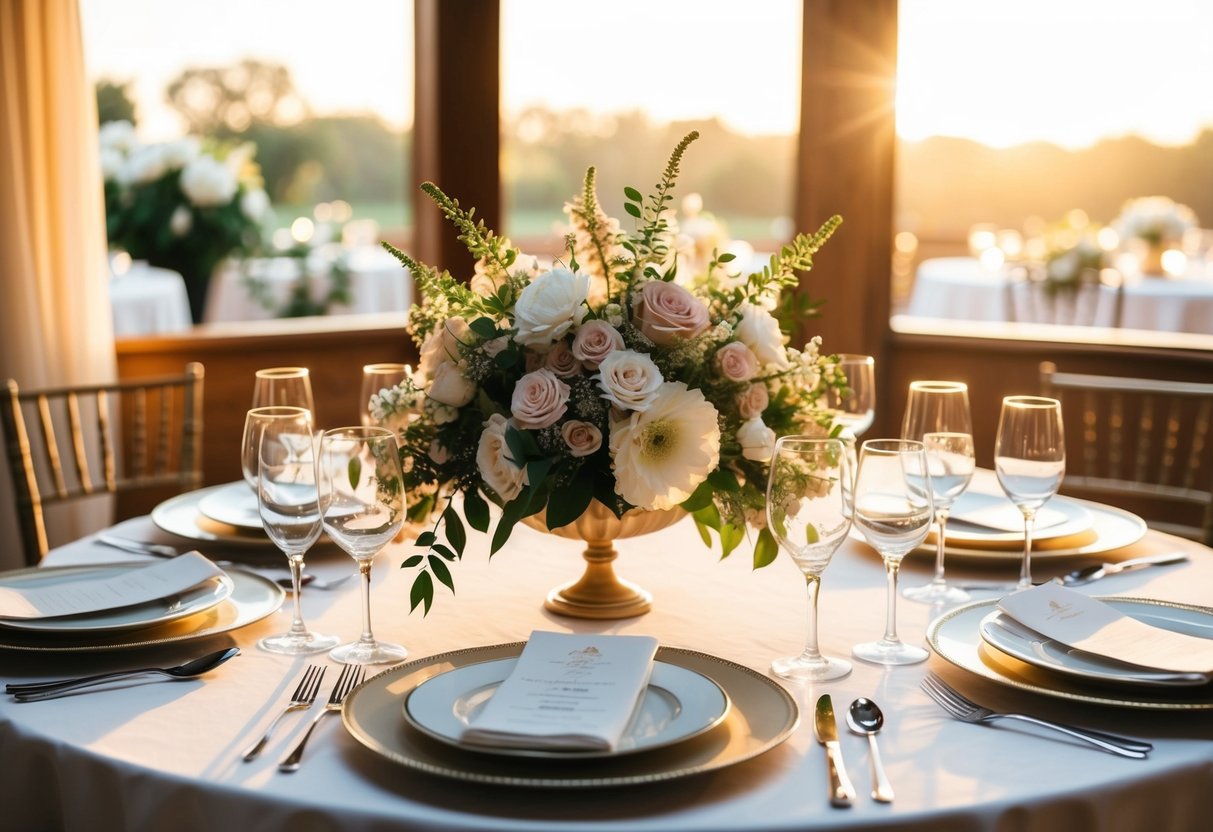
A welcoming reception sets the stage for your wedding celebration. The design and layout of seating areas help create an inviting atmosphere. Consider special arrangements for VIP guests to make them feel appreciated.
Design and Layout of Seating Areas
When planning your seating area, think about the flow of traffic. People should be able to move easily from one area to another. Arrange tables in a way that encourages conversation while maintaining comfort.
Consider a mix of round and rectangular tables. Round tables foster intimacy, while rectangular ones allow for larger groups. Ensure there are clear pathways between tables.
Use centerpieces that fit your theme but are not too tall, so guests can easily see each other. Incorporate colors and decor that reflect your style. Don’t forget to include reserved seats for VIPs, like parents and grandparents, to honor their importance.
Special Considerations for VIP Guests
VIP guests, such as close family and friends, should feel recognized throughout the event. Reserve prime seating near the dance floor or the action. This makes it easier for them to interact with the couple and enjoy the atmosphere.
Provide personal touches at their tables, like special menus or gifts. You might also create a designated area where they can relax away from the busy reception.
Make sure their seating assignments are clear, so they know where to go. You might label their tables or provide a simple seating chart. Focusing on these small details can enhance the experience for your VIP guests and make everyone feel valued.
Final Touches on Wedding Seating
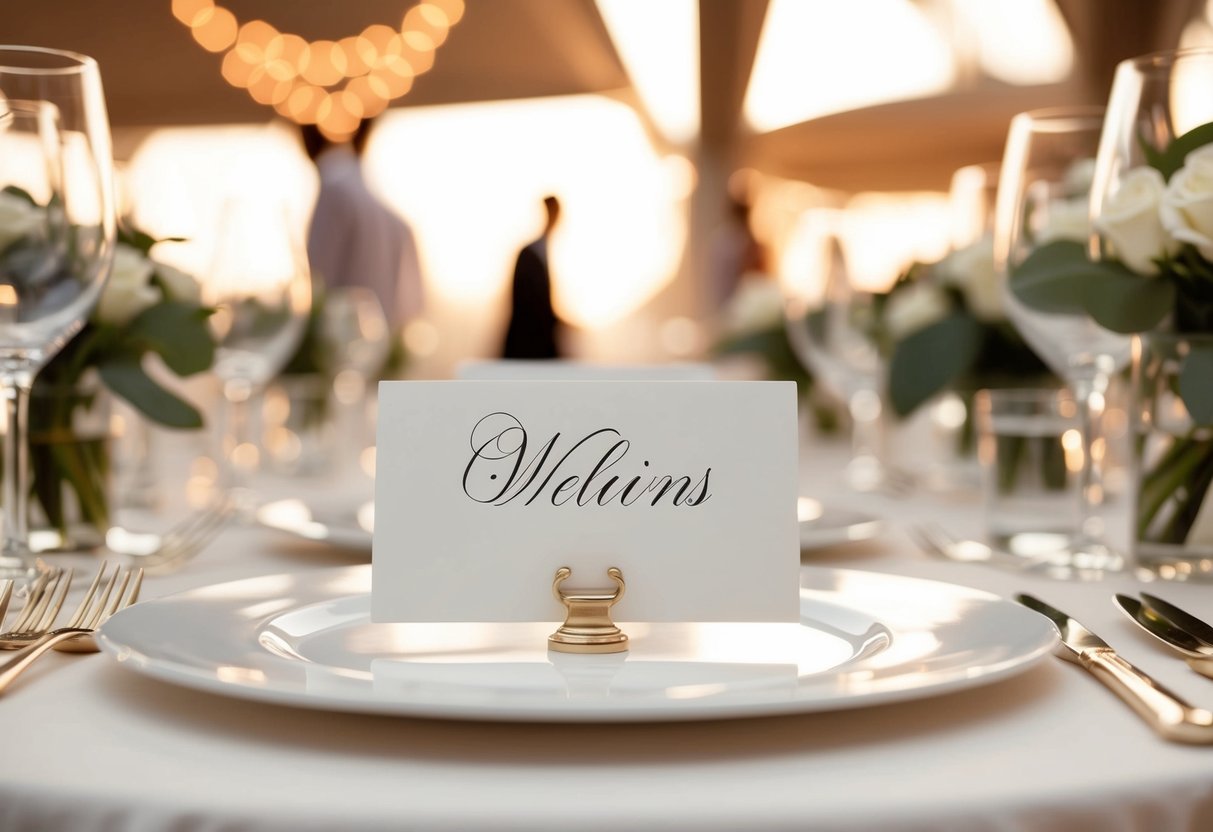
Making your wedding seating arrangements clear and easy to follow is essential. Thoughtful organization will help ensure that your guests know where to go and can enjoy the celebration without confusion.
Navigating RSVPs and Last-Minute Changes
Managing your RSVPs is a key step in finalizing your seating chart. Keep track of who has confirmed their attendance and who has not. It can be helpful to use a spreadsheet or a wedding planning app to stay organized.
As the big day approaches, you may need to make last-minute changes. Guests might have to cancel or someone might bring a plus-one. Be ready to adjust your seating chart and keep a flexible mindset. Clear communication with your guests is important, so let them know about any changes.
Utilizing Place Cards and Escort Cards
Place cards and escort cards add a personalized touch to your wedding seating plan. Place cards indicate where each guest should sit at their table. You can create them with pretty designs that match your wedding theme.
Escort cards are a great addition too. They guide guests to their assigned tables. These cards can be displayed creatively at the entrance. For example, you could use a vintage suitcase or a large frame to showcase them.
Both types of cards help avoid confusion, creating a warm welcome for your guests.
Displaying the Seating Chart
A well-organized seating chart display can set the tone for your reception. It acts as a central hub for guests to find their tables.
Make sure the display is easily visible at the entrance of the reception area.
Consider using different styles for your seating chart. For instance, you can opt for a framed chart, a wooden board, or even a chalkboard. Adding decorative touches, like flowers or lights, can make it eye-catching.
Keep the layout simple, grouping guests by tables or clusters. This makes it easy for everyone to navigate and find their way to the table of honor or any other spot.