
Who Gets the Husband’s Wedding Band? Understanding Ownership After Marriage
When planning your wedding, you might wonder, “Who pays for the husband’s wedding band?”
Traditionally, the groom or his family covers the cost of the bride’s wedding ring, while the bride or her family typically purchases the groom’s band. This long-standing tradition reflects a partnership based on mutual commitment and love.

As more couples embrace modern ideas, the process has evolved. Many couples now choose to share the costs, making the ring selection a personal and significant experience for both. This approach not only strengthens your bond but also emphasizes the importance of equality in your partnership.
Understanding these traditions can help you decide what’s best for your relationship. Whether you stick to the old customs or create your own special arrangement, the focus remains on the deep commitment you share as you prepare for your new life together.
Wedding Band Traditions and Etiquette
Wedding bands carry deep cultural significance and have evolved alongside changes in gender roles. Understanding these traditions can help you appreciate the importance of your wedding band in the ceremony.
Cultural Significance and Historical Roots
Historically, wedding bands have symbolized commitment and unity between partners. In many cultures, the ring is placed on the left hand, believed to connect to the heart through the “vein of love.” This tradition dates back to ancient Egypt and has influenced many societies over the years.
Traditionally, the bride’s family would often cover wedding expenses, including the husband’s band. Though customs varied, the shared meaning remained—your band represents love, loyalty, and the promise to support one another through life’s journey.
Modern Adaptations and Changing Gender Roles
Today, modern couples frequently reshape wedding ring etiquette. It’s not uncommon for the couple to jointly decide who purchases the wedding bands. This shift reflects changing gender roles and promotes equality in relationships.
Many women now purchase their husband’s wedding band, choosing styles that reflect their partner’s personality. Some couples also opt for matching bands, blending their individual tastes while honoring their union. This evolution shows that love and partnership can take many forms, and your decisions about wedding bands can be a reflection of your unique story.
Financing the Wedding Bands
When it comes to financing the wedding bands, understanding who is responsible for the costs is key. This can vary based on tradition and personal choices. Your financial situation and overall wedding budget also play important roles in making these decisions.
Who Buys the Wedding Bands?
Traditionally, the groom pays for the bride’s engagement ring and matching wedding band, while the bride purchases the groom’s wedding band. This custom has evolved, and many couples today share the costs.
You can discuss this openly with your partner. Each couple might choose different ways to split expenses based on their financial situation. In some cultures, families may contribute towards these costs, reflecting their involvement in the wedding.
It can be helpful to set a budget for wedding bands early in the planning process. This way, you can avoid overspending and ensure the bands meet your style and preferences.
Considering the Wedding Budget
Your wedding budget will influence many decisions, including the purchase of wedding bands. Start by determining the total amount you have available for all wedding expenses, including rings.
Create a budget breakdown:
- Wedding Venue: 40%
- Catering: 30%
- Attire: 10%
- Rings: 10%
- Other Expenses: 10%
Consider how much you can comfortably spend on the wedding bands. High-quality options are available at various price points. You might want to explore options like custom designs or even second-hand rings to fit your budget.
Engaging in financial planning for these rings will help you stick to your budget and reduce stress during wedding preparations.
Choosing the Right Wedding Bands
Selecting the perfect wedding band for your husband involves several important factors. You want to consider materials, personal preferences, and size. Each aspect contributes to finding a ring that not only looks great but also fits well into your lifestyle.
Materials and Durability
When choosing a husband’s wedding band, you’ll find various materials to consider. Popular options include gold, platinum, titanium, and tungsten. Each material has its own benefits.
- Gold is classic and comes in yellow, white, and rose variations.
- Platinum is highly durable and has a luxurious look.
- Titanium is lightweight and extremely strong.
- Tungsten is scratch-resistant and very durable.
It’s important to weigh durability against style and comfort. For someone active, titanium or tungsten may be the best fit, while gold or platinum may appeal more to those seeking traditional elegance.
Personal Preferences and Ring Size
Understanding personal preferences is crucial. Talk with your husband about styles he likes. Some might prefer a simple classic design, while others may favor modern, intricate patterns.
Be sure to take accurate measurements for ring size. A well-fitting ring enhances comfort and daily wear. You can measure his size at home using string or paper and then check against a ring size chart. Many jewelers will also size his finger professionally if you want to make sure it’s perfect.
Bridal Set and Groom’s Band Considerations
Sometimes, couples choose to coordinate their rings. If you want matching styles, consider how the groom’s wedding band complements the bride’s wedding ring. Look for similar materials, colors, or design elements.
Choosing a bridal set can simplify this process. Many sets are designed to fit together, creating a harmonious look. If your husband prefers a unique style, choose a ring that expresses his personality. Keep in mind, both rings symbolize your commitment, making the choice significant.
The Symbolism and Significance of Wedding Bands
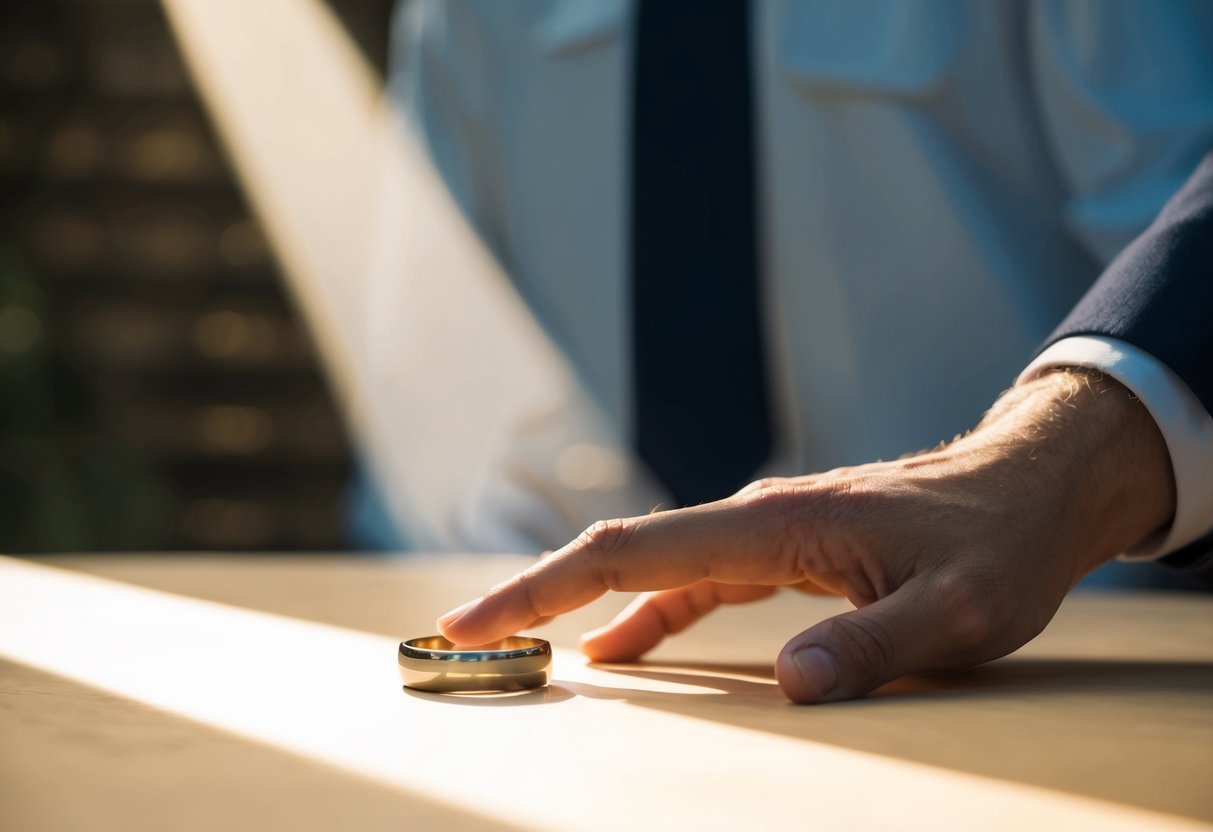
Wedding bands hold deep meaning in a relationship. They represent love and commitment between partners. When you wear this ring, it’s a visible sign of your shared commitment.
The circular shape symbolizes eternity. It shows that your love has no beginning and no end. This unbroken circle is a powerful reminder of your partnership.
In various cultures, wedding bands have special significance. They can symbolize honor and respect. This tradition highlights the importance of loyalty in a marriage.
Many people choose wedding bands made of precious metals like gold or platinum. These materials convey durability, just like your bond. They serve as a lasting reminder of your vows to each other.
Your wedding band is more than just jewelry; it’s a promise. Each time you look at it, you remember your love and your journey together. It serves as an everyday reminder of your commitment to one another.
Whether simple or ornate, each band tells a story. It reflects your unique love and partnership. Remember, your wedding band is a significant part of your marital journey.