
Who Gives the Bride Away at a Wedding? Understanding Traditions and Modern Choices
When it comes to weddings, one moment that stands out is the act of giving away the bride. Traditionally, the father of the bride walks her down the aisle and hands her over to the groom. This practice holds deep meaning, symbolizing a father’s love and support as his daughter begins a new chapter in her life.
However, this tradition can be more flexible than it might seem. Many couples choose to honor different family members or friends by having them take on this important role. Whether it’s a mother, sibling, or another loved one, you can customize this moment to reflect your personal values and relationships.
Exploring who gives the bride away not only leads to fascinating traditions but also highlights the beautiful connections that weddings celebrate. It’s a chance for you to think about who plays a vital role in your life as you prepare for this special day.
History and Significance
The act of giving away the bride carries deep historical roots and significant cultural meanings. This ceremony reflects traditions that have evolved over time, highlighting family dynamics and societal expectations in weddings.
Cultural Origins
The tradition of giving away the bride comes from many cultural practices. It often started in societies where marriages were arranged. In these cases, the father had the duty to find a suitable husband for his daughter.
This act symbolized a transfer of responsibility. The father would “give” his daughter to the groom, signifying that she was leaving her family to join another. This was also tied to the practice of a dowry, where families would negotiate terms, showing how the union linked two families.
Transition of the Bride
The transition of the bride is an essential part of the wedding ceremony. Traditionally, this moment was seen as more than just a formality; it was a symbolic gesture of uniting families.
While the father often plays a key role, today, brides may choose other family members to give them away. This flexibility reflects changing views on marriage and gender roles. The act of being “given away” now represents support and love rather than ownership. Each couple can decide what this moment means for them, making it personal and significant in their own way.
Roles and Responsibilities
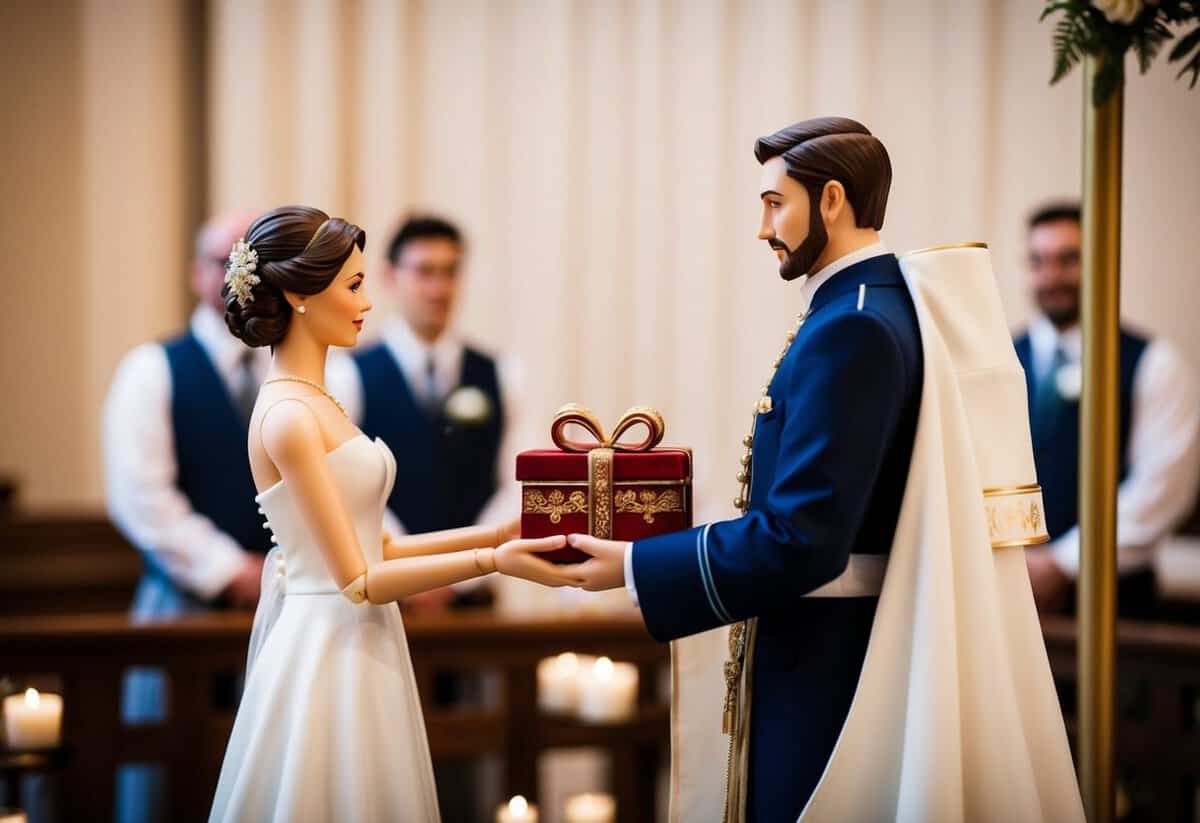
When planning a wedding, understanding the roles and responsibilities of key participants is important. Each person plays a special part in the ceremony, especially when it comes to the moment of giving away the bride.
Father of the Bride
Traditionally, the father of the bride plays a central role in this moment. You may hear him asked, “Who gives this bride away?” This question symbolizes the transfer of responsibility from the father to the groom.
As the father, your support helps establish the bond between the couple. Walking the bride down the aisle is an emotional experience. It reflects not just the tradition but also your relationship with your daughter. You can choose to present her in a way that honors family values and personal beliefs.
Many fathers express pride and love during this special walk. It’s a moment to cherish, both for you and for her.
Officiants and Witnesses
The officiant is another key player in the ceremony. This person guides the couple and ensures that everything runs smoothly. When it’s time to ask, “Who presents this woman?” the officiant sets the tone for this important transition.
Witnesses also have a role in supporting the union. They can provide legal validation of the marriage, adding to the significance of the occasion. Their presence emphasizes the importance of community and family in your life together.
Deciding who fulfills these roles can be influenced by personal preferences or traditions. Each choice reflects the couple’s values and strengthens their commitment to one another.
Contemporary Practices
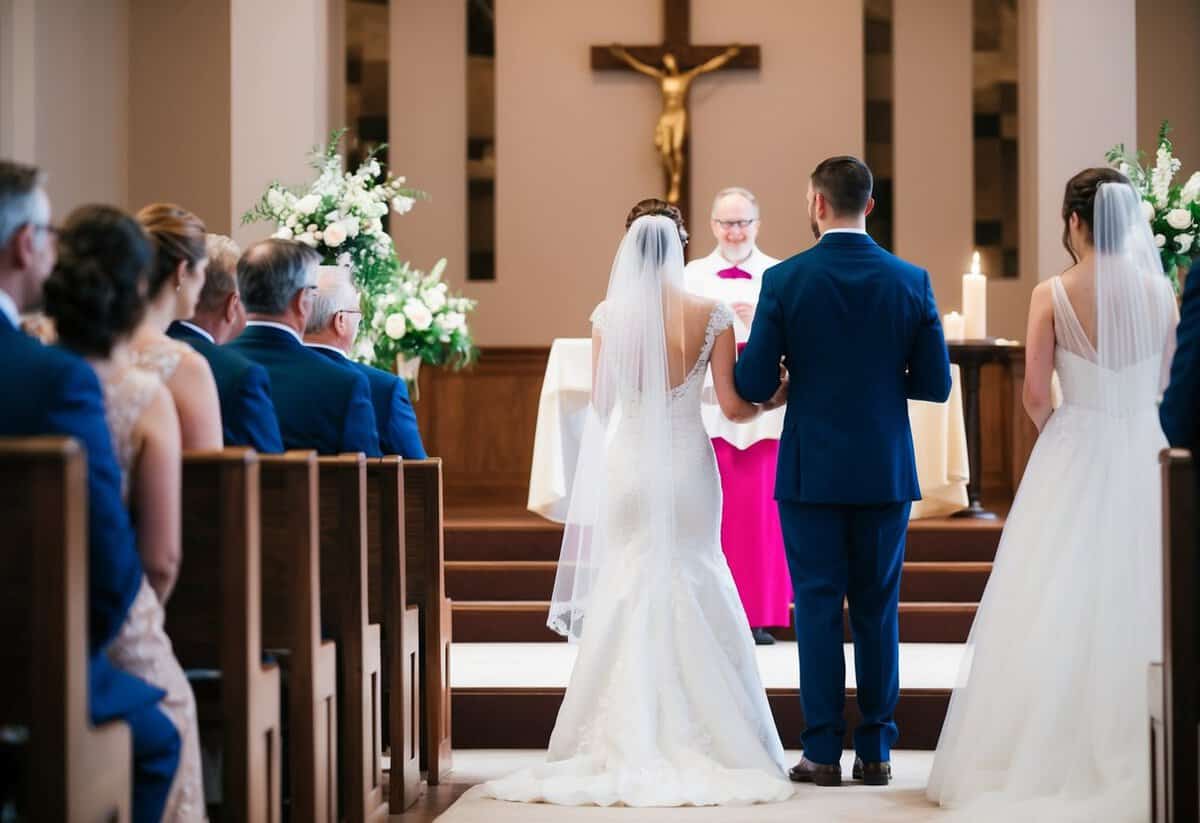
Many modern weddings are moving away from traditional roles and embrace a more personalized approach. This allows for unique celebrations that reflect the couple’s values and relationships. Here are some ways contemporary practices are taking shape.
Alternative Wordings and Gestures
Instead of the traditional phrase “Who gives this woman away?” couples are choosing alternative wordings to suit their style. For instance, many couples opt for phrases like, “Who supports this couple in their union?” This shift emphasizes the support from both families.
When it comes to the act of escorting the bride, it can involve multiple family members or friends. You might see both parents walking with you, or even close friends joining in. This inclusive approach highlights the importance of community and love in your journey.
Inclusive Customs
Modern weddings are more inclusive, especially for LGBTQ and same-sex couples. Many ceremonies now reflect diverse family structures. This allows partners to invite significant people in their lives to participate.
Customs such as family unity ceremonies are becoming popular. In these ceremonies, families light candles together. This symbolizes the merging of families and creating a supportive environment.
With these evolving practices, your wedding can truly represent who you are as a couple, celebrating love in all its forms.