
Who Gives the Ring First: Bride or Groom’s Tradition Explained?
As you plan your wedding, you might wonder about the ring exchange ceremony. Traditionally, the groom places the wedding band on the bride’s finger first, symbolizing love and commitment. This custom reflects important cultural traditions and gender roles in many societies, but it’s crucial to remember that times are changing.
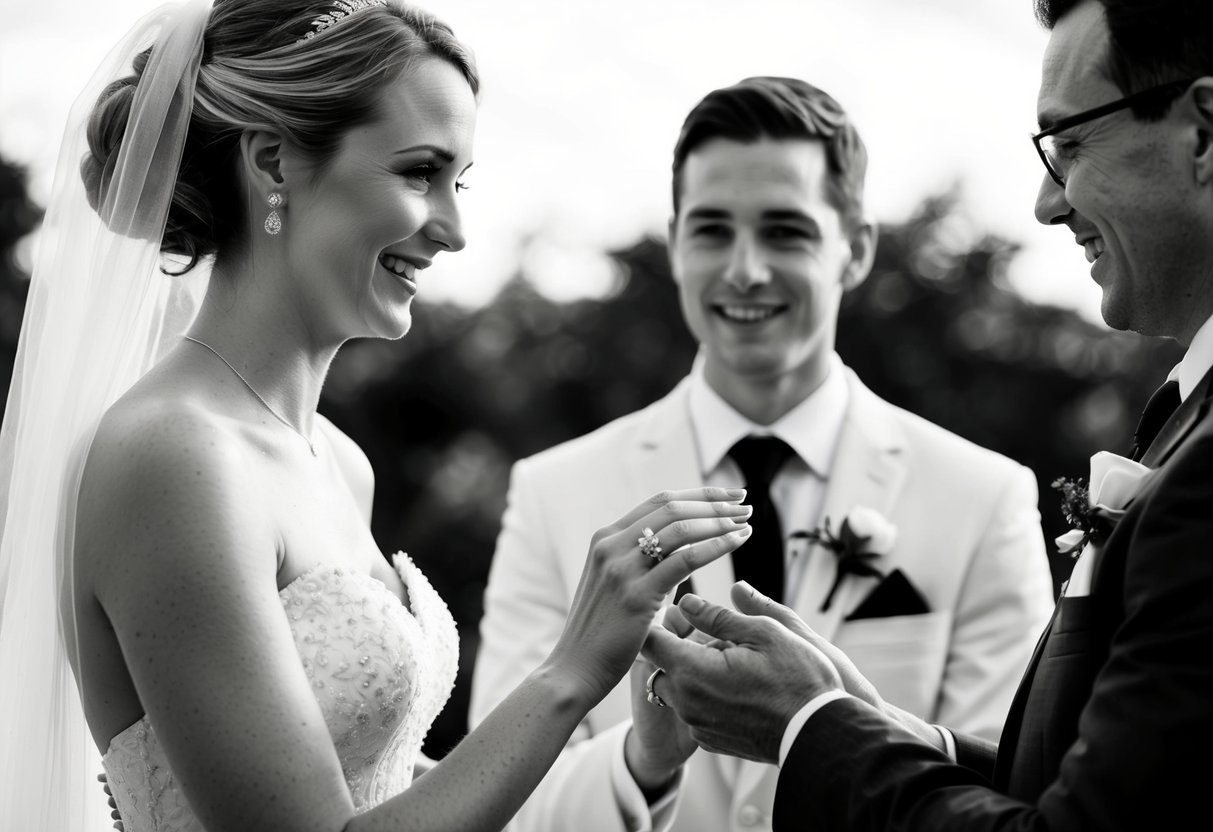
In modern weddings, couples often embrace their personal preferences. They choose to exchange rings simultaneously or even switch up the order. Whether you stick with tradition or create your own special moment, what truly matters is the love and partnership you share. Your wedding day is about celebrating your bond, and the way you exchange rings can be a beautiful reflection of that.
Engagement rings usually make a memorable appearance during this moment, as they can signify a promise of love before the wedding band. No matter what you choose, this ring exchange is a cherished part of the ceremony that embodies your journey together.
The Role of Tradition in Ring Exchange
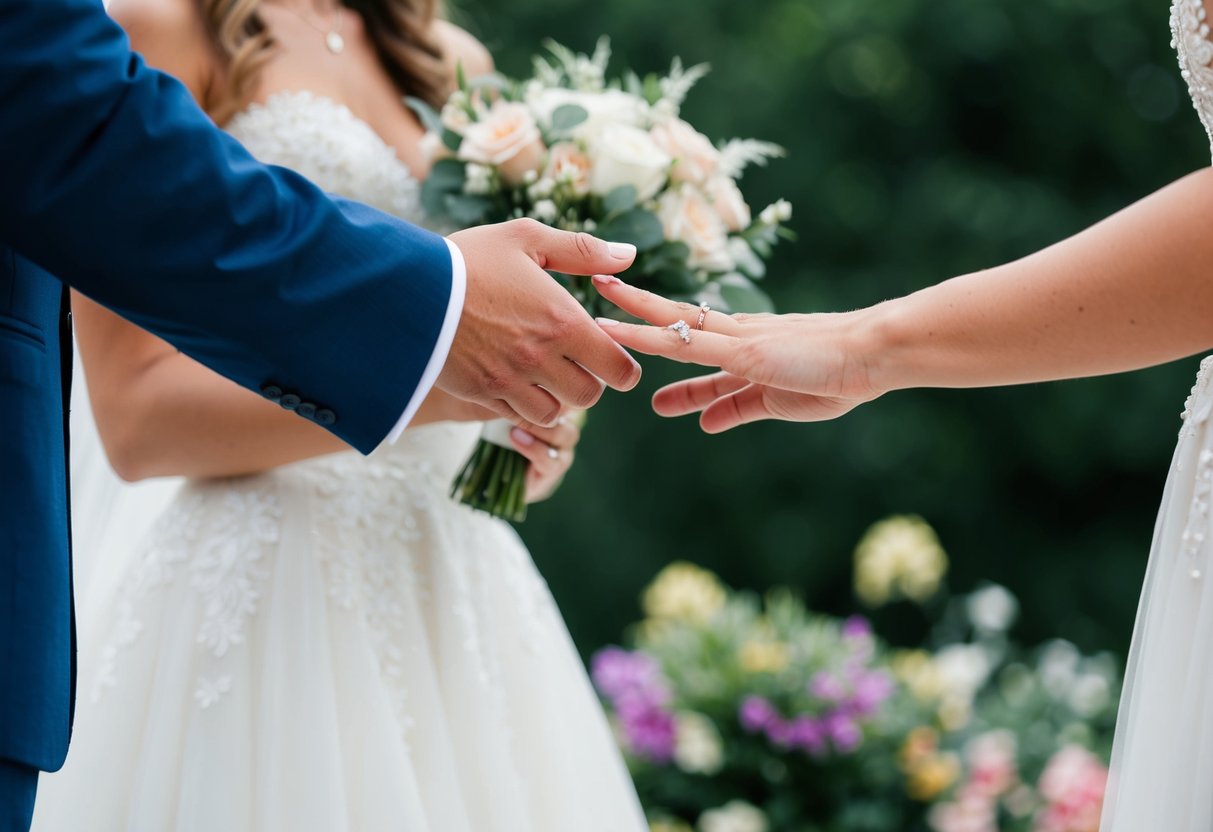
Tradition plays a significant part in the wedding ring exchange. Understanding its historical backdrop, gender roles, and cultural variations helps you appreciate the meaning behind this beautiful ceremony.
Historical Origins of the Wedding Ring
The concept of wedding rings dates back to ancient Egypt, where couples exchanged rings made from reeds, symbolizing their eternal bond. This tradition evolved over time and spread to different cultures. In many ancient societies, like the Romans, rings were seen as a representation of a formal declaration of love.
The circular shape of the ring symbolizes infinity, making it a perfect emblem for enduring commitment. Over the centuries, precious metals and gemstones became common materials, adding beauty and significance to the exchange.
Gender Roles and Ring Exchange
Traditionally, gender roles have shaped who gives the ring first. Customarily, the groom presents the ring to the bride in many cultures, showing his commitment and responsibility. This act is often accompanied by a meaningful gesture, such as saying, “With this ring, I thee wed.”
The bride then reciprocates, usually placing a ring on the groom’s finger. These roles may not apply to every couple today, as each couple can decide what feels right for them based on their unique circumstances or personal beliefs.
Cultural Variations in Wedding Customs
Cultural customs regarding ring exchange can differ widely. In Western traditions, the bride typically receives her wedding ring first. In contrast, some Eastern cultures may prioritize the groom’s ring.
Different religions also influence these practices, as various rituals have evolved over time. For instance, in certain Jewish ceremonies, the exchange is marked by the groom placing a simple gold band on the bride’s finger, symbolizing his promise.
These diverse customs highlight the rich tapestry of human relationships, revealing how love and commitment are celebrated around the world.
Navigating Modern Wedding Ring Exchanges
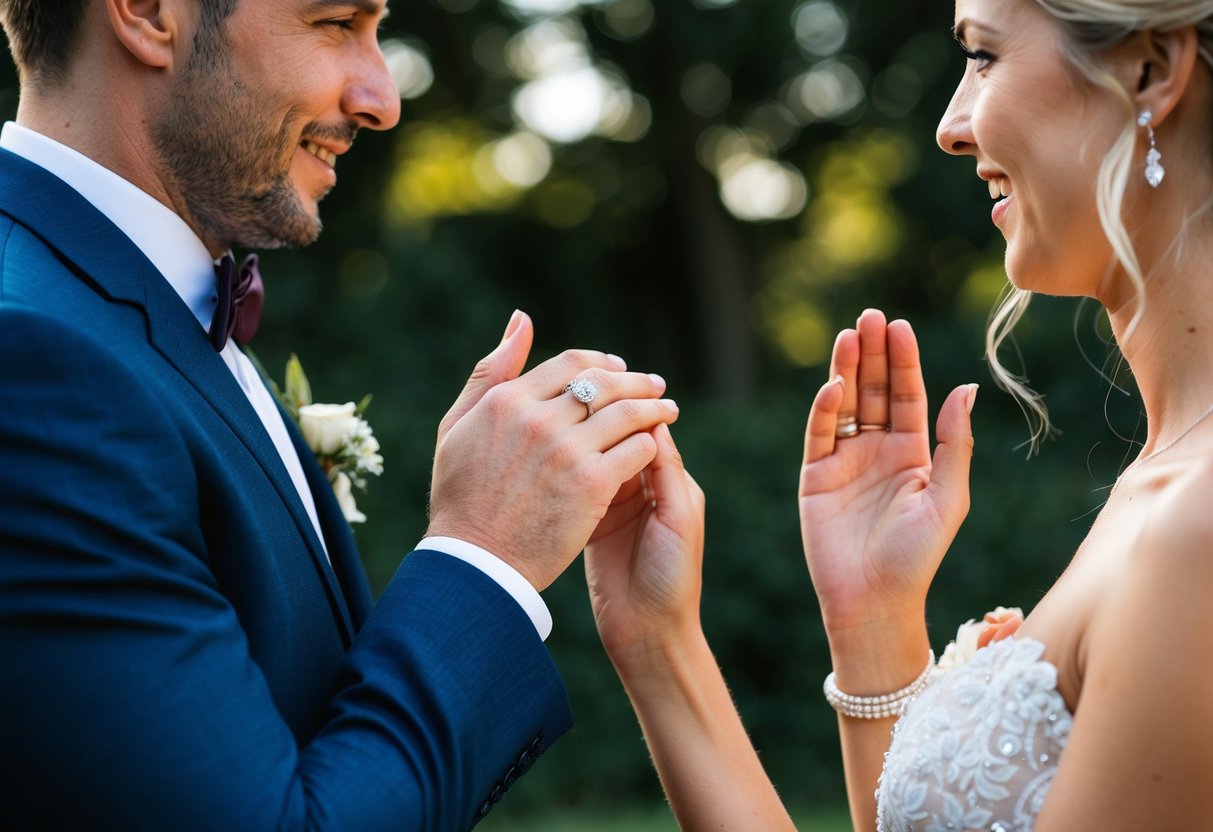
Modern weddings offer many ways to personalize the ring exchange to fit your style. You can create a ceremony that reflects your values and relationships. Here are some popular choices that couples often consider.
Personalization of the Ceremony
Personalizing your ring exchange is a meaningful way to make the ceremony yours. Think about what matters most to you as a couple.
You might want to write your own vows or choose to include a special reading that represents your love. Some couples even involve family members or friends in the process.
For example, you could ask your flower girl or ring bearer to present the rings. This moment adds a touch of charm and connects those you love to your special day. Customizing the details shows your personal style and makes the event uniquely yours.
Simultaneous Ring Exchange
The simultaneous ring exchange is growing in popularity among modern couples. This practice allows both partners to exchange rings at the same time, symbolizing equality in the relationship.
You can design this moment to match your comfort level. Some couples prefer to say their vows during the exchange, while others keep it simple. Choose what feels right for both of you.
This method highlights mutual commitment, making it a meaningful part of your celebration. It’s a great option for those opting for a nondenominational ceremony or wanting to break traditional norms.
Involvement of the Wedding Party
Including your wedding party in the ring exchange can enhance the experience. Your best man and maid of honor typically assist with the rings, but you can make it more interactive.
Consider having your wedding party share a brief thought or blessing during the exchange. This small touch can add emotional depth.
Additionally, if you have young participants like a flower girl or ring bearer, you can involve them in a fun way. Maybe they walk down the aisle together, carrying the rings. Their excitement can light up the ceremony and make it even more special.
The Order and Etiquette of Ring Placement
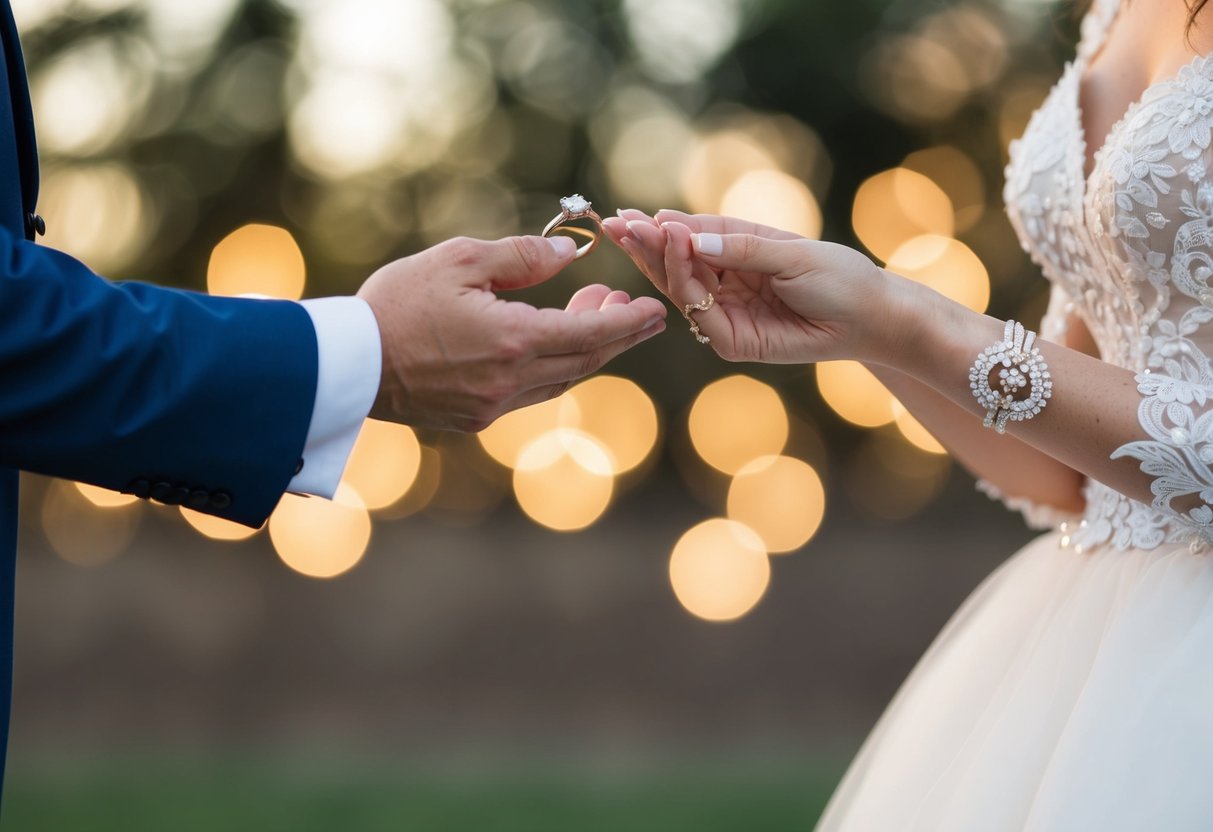
In a wedding ceremony, the order of ring placement holds significant meaning. Knowing how and when the rings are exchanged can make your ceremony feel more special and connected to tradition. Here’s what you need to know.
Traditional Sequencing in Ring Exchange
Traditionally, the groom places the wedding band on the bride’s finger first. This act symbolizes his commitment and love for her.
Afterward, the bride puts the wedding band on the groom’s finger. The sequence often follows the exchanging of vows, highlighting the importance of the promises made.
While this order is common, customs can vary by culture. Some may choose to exchange rings simultaneously or adapt their sequence based on personal preference or family traditions.
Officiant’s Role and Instructions
Your officiant plays a key role during the ring exchange. They typically guide you through the process, ensuring the moment is smooth and meaningful.
Before the ceremony, discuss with your officiant how you want the ring exchange to occur. They may provide instructions to help you and your guests understand the significance of this moment.
The officiant often prompts the couple with phrases to say while placing the rings, emphasizing love and fidelity. Their guidance can ease any nerves you might have during this essential part of your vows.
Modern Approaches to Exchange of Rings
Many couples today are choosing to mix tradition with their own personal flair. This can mean changing the order of who places the ring on whom or even how the rings are presented.
Some couples opt to exchange engagement rings during the ceremony, further enhancing its meaning. You may also include a promise ring to symbolize your commitment.
Modern ceremonies may also incorporate unique elements, like personalized vows or shared moments that highlight your relationship. This allows you to tailor the experience and make it uniquely yours!
Symbolic Moments Beyond the Ring Exchange
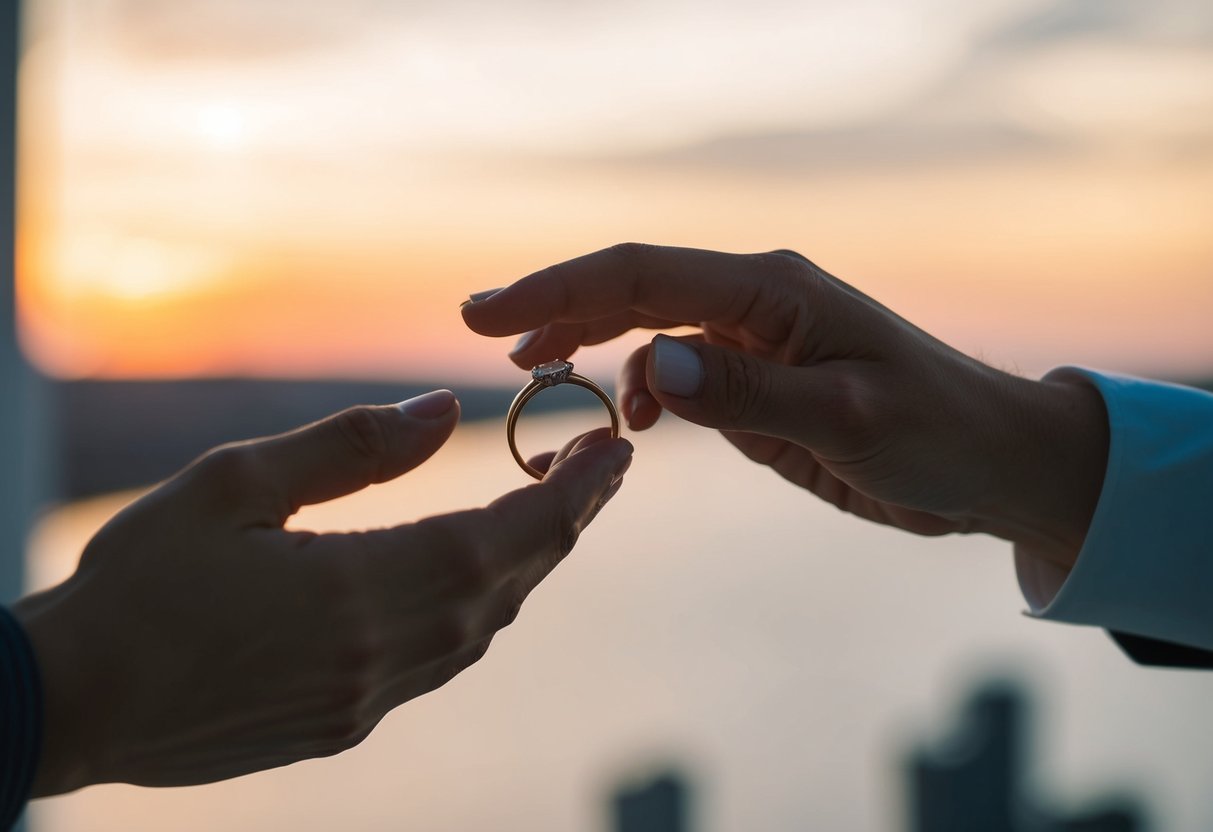
The ring exchange is a significant part of your wedding ceremony, but many other moments also highlight love and commitment. Wedding vows, the meaning of the rings, and the journey you begin together, all help deepen your connection as a married couple.
Expressions of Devotion in Wedding Vows
Your wedding vows are a heartfelt promise to one another. They often reflect your hopes, dreams, and values shared as a couple. This personal touch makes them special.
Many couples incorporate phrases that express eternal love and devotion. You might talk about standing by each other through thick and thin or share how much your partner means to you.
Writing your vows allows you to share your unique story. It can be a mix of serious and light-hearted words, showing the joy of your relationship. These moments make your ceremony memorable.
Significance of the Wedding Rings as Symbols
Wedding rings symbolize your love and commitment. They are circular, representing eternity, with no beginning or end. This shape reflects the lifelong journey you’re starting together.
When you wear these rings, they remind you of the promises made on your wedding day. Each glance at your ring reinforces your bond and shared life.
Many couples choose specific materials or designs that hold personal meaning. Whether it’s a simple band or an intricate style, the ring becomes a cherished symbol of your relationship.
Marking a Lifelong Journey Together
The moments in your ceremony mark the beginning of a wonderful adventure as a married couple. Your wedding signifies a commitment to support and love each other for life.
The ring exchange, vows, and shared experiences create a strong foundation. Together, you start building a future filled with laughter, challenges, and growth.
Each milestone you achieve strengthens your relationship. Remember to celebrate not just your wedding day but all the little moments that make your journey special.