
Who Gives the Ring to the Bride? Understanding Traditional Wedding Roles
During a wedding ceremony, the moment of the ring exchange is filled with love and importance. Traditionally, the groom gives the wedding ring to the bride, symbolizing his commitment and devotion. This gesture is more than just a physical exchange; it’s a meaningful moment that highlights the love and partnership forming between the couple.
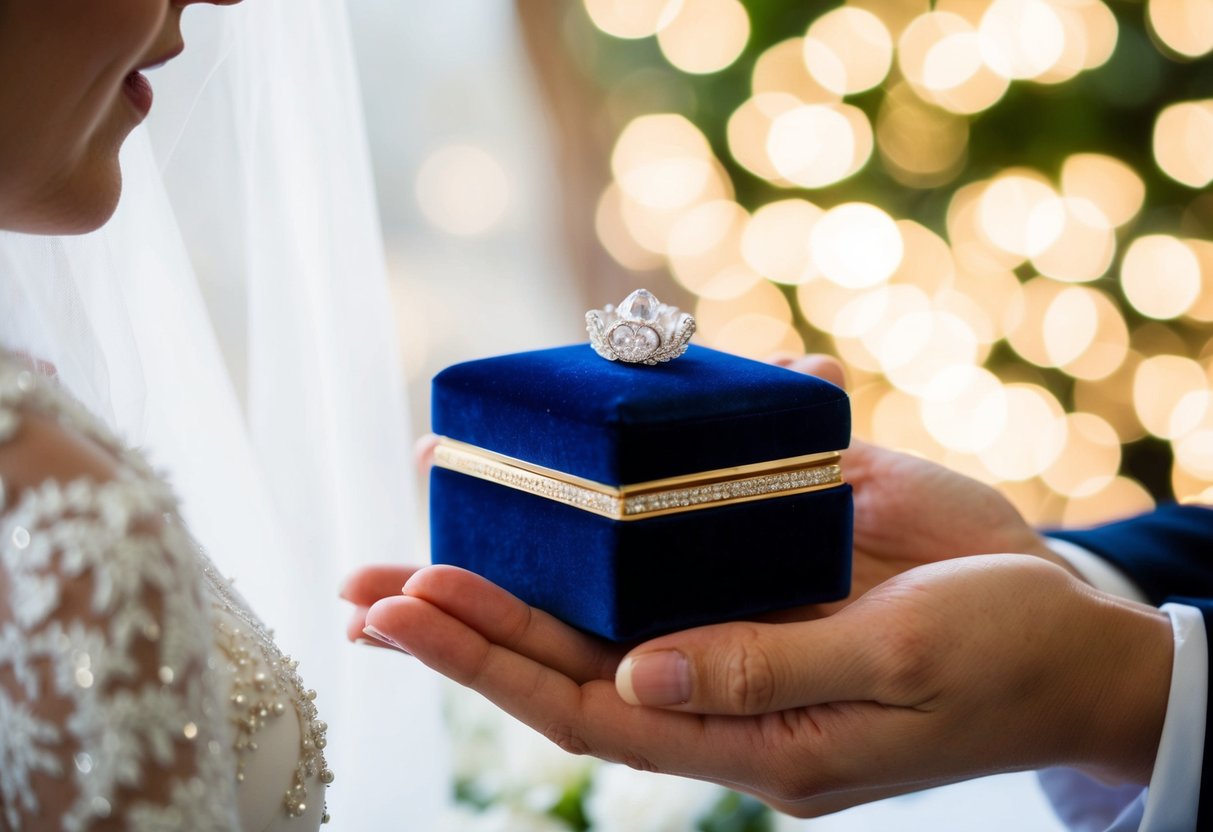
Many couples honor this tradition, but some choose to adapt it to reflect their own values and beliefs. You might find that some brides even give a ring to their grooms during the ceremony, showcasing a more modern approach to wedding traditions. Whether you embrace the classic or take a progressive stance, the ring exchange remains a cherished part of celebrating love.
Understanding the roles in the ring exchange helps you appreciate the deeper significance behind this beautiful act. It’s a key moment in the ceremony that represents the lifelong commitment both partners are making to one another.
The Ring Exchange Process
The ring exchange is a vital part of the wedding ceremony. It symbolizes the couple’s commitment to each other and marks a special moment in the celebration. Understanding the roles and the order of events can help ensure everything goes smoothly.
Roles in the Exchange
In a traditional wedding ceremony, each participant has a specific role during the ring exchange.
-
Groom: The groom typically goes first. He places the wedding band on the bride’s finger, symbolizing his love and commitment. As he does this, he often recites a phrase like, “I give you this ring as a sign of my love.”
-
Bride: After the groom, it’s your turn to exchange rings. You will place your wedding band on the groom’s finger. You might say a similar phrase, affirming your commitment to him.
-
Officiant: The officiant leads the ceremony and prompts the couple during the exchange. They often guide the couple through their vows and the ring exchange.
-
Best Man and Maid of Honor: These roles may vary. They help keep the rings safe until it’s time for the exchange.
Order of Events
The order of events during the ring exchange is important for a smooth ceremony.
-
Vows: The exchange of rings usually follows the recitation of vows. You promise to love and support each other.
-
Ring Exchange: After the vows, the groom places the wedding band on the bride’s finger first. This gesture is rich in tradition and meaning.
-
Bride’s Turn: Next, the bride places her wedding band on the groom’s finger. This completes the exchange and seals the vows made.
-
Ring Bearer: If you have a ring bearer, they may carry the wedding rings. They should hand them to the best man before the exchange.
This structured approach helps make the ring exchange memorable and meaningful for both of you.
Cultural and Personal Touches
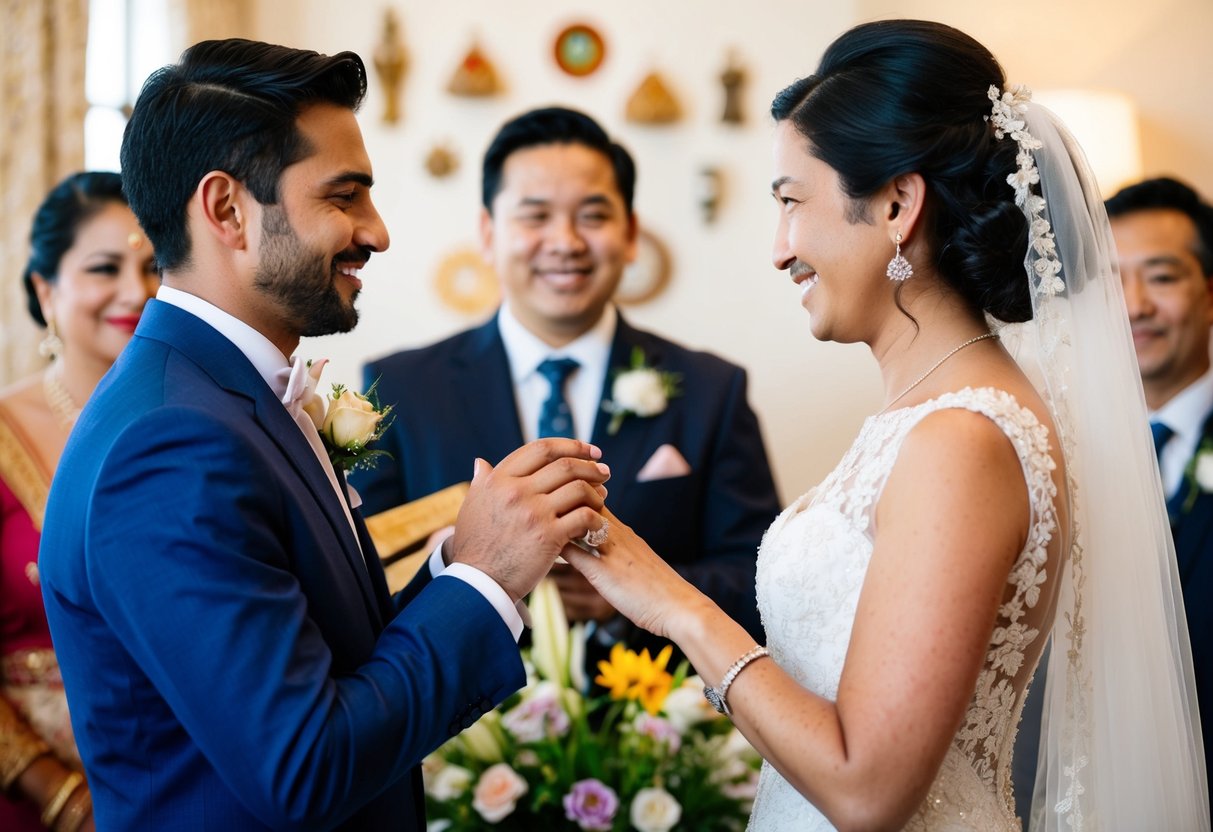
The exchange of rings during a wedding can vary widely based on cultural traditions and personal choices. Couples often blend these elements to create a ceremony that reflects their unique love story.
Cultural Variations
Different cultures have their own traditions when it comes to who gives the ring to the bride. For example, in many Western weddings, it is common for the groom to present the wedding band during the ceremony.
In contrast, some cultures have unique rituals. In Hindu weddings, the groom may place the ring on the bride’s finger after the “saptapadi,” or seven promises of marriage. This highlights commitment and partnership within their cultural framework.
Additionally, many religious traditions incorporate significant meanings behind the ring exchange. A wedding planner can help you understand these customs and incorporate them into your special day.
Personal Preferences
Your wedding rings are not just symbols; they reflect your personal style and choices. Many modern couples choose to personalize their rings, adding engravings or unique designs that tell their love story.
It’s also common to see promise rings exchanged as a prelude to marriage. Such personal touches make the ceremony special and memorable. You may want to work with a jewelry designer to create something that truly represents your relationship.
Symbolism and Significance
The exchange of wedding rings holds deep meaning in a wedding ceremony. It represents love, commitment, and the partnership you share. Let’s explore the symbolism behind this beautiful ritual.
Love and Commitment
When you give the ring to your partner, it symbolizes your love and commitment. The wedding ring is often seen as a circle, representing eternity and an unbreakable bond. This gesture reflects your wedding vows, which promise to stand by each other through thick and thin.
This moment is about mutual commitment. When you exchange rings, you’re not just giving a piece of jewelry. You’re making a declaration of your intent to share a lifelong journey together. The ring is a reminder of that promise, symbolizing the eternal love you both share.
Equality and Partnership
The ring exchange can also emphasize equality in your relationship. Traditionally, the groom places the ring on the bride’s finger. However, many couples today choose a more egalitarian approach.
You might decide on a simultaneous ring exchange, highlighting partnership and shared commitment. This practice shows that both partners value each other equally. It breaks away from traditional gender roles and reinforces the idea of a partnership built on respect and equality. By doing this, you strongly affirm that your union is a team effort, built on love and mutual respect.
Contemporary Trends and Choices
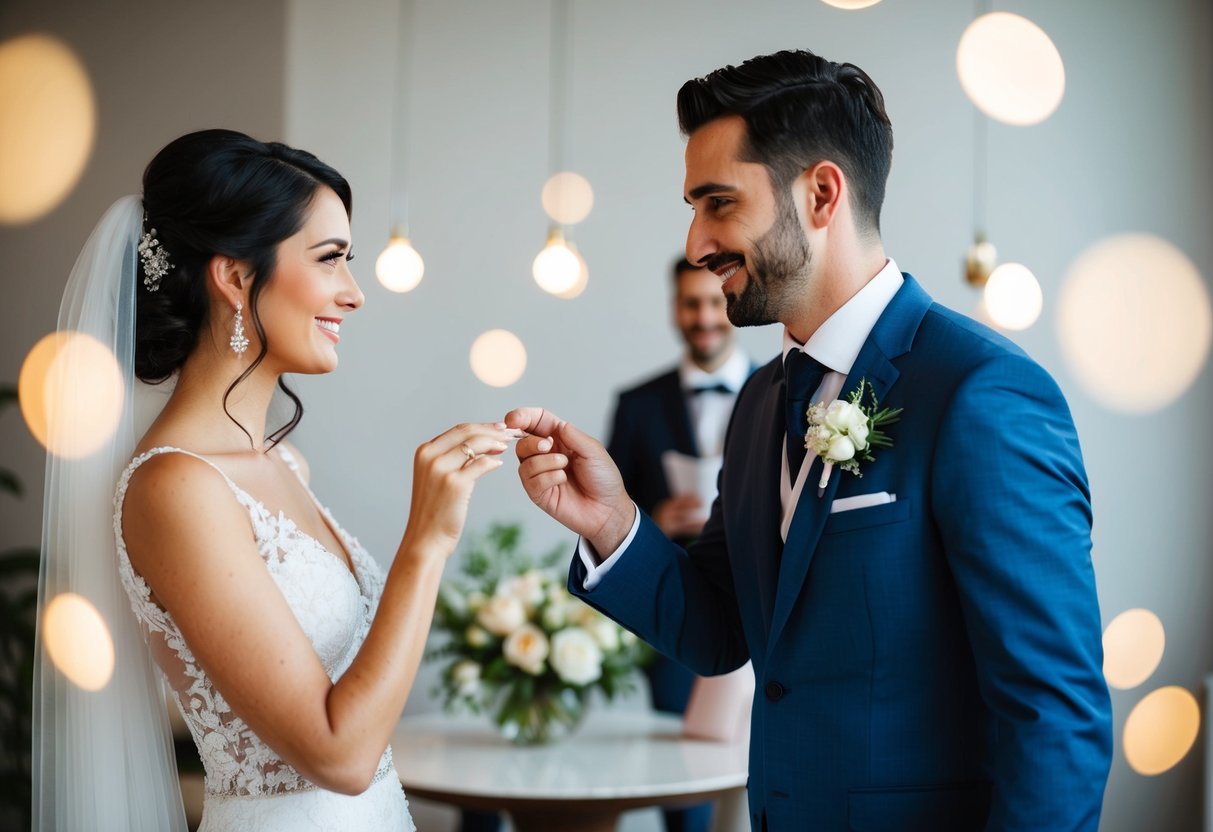
In today’s weddings, who gives the ring to the bride often varies based on personal preferences and cultural traditions. Understanding these modern trends can help you navigate your own wedding choices effectively.
Modern Interpretations
Many couples now choose to customize their wedding ring exchanges. You might decide that both partners present rings to each other, or even include special family members in the tradition.
Personal preferences play a significant role here. For instance, you could opt for an engagement ring or a dedicated anniversary ring, showcasing your unique love story. As modern weddings evolve, more couples embrace these personal choices rather than strictly following traditional customs.
Cultural variations also influence the choice of who gives the ring first. Some cultures favor the groom presenting the ring, while others might have different meanings around the exchange. This inclusivity of different practices makes your wedding uniquely yours.
After the Ceremony
After the wedding ceremony, the tradition of gifting rings doesn’t stop. More couples choose to upgrade or switch their wedding bands for anniversaries. You might want to get an anniversary ring that complements your original wedding band, adding a new layer to your love story.
During the reception, sharing the story of who gave the rings can be a touching moment. It adds a personal touch to the celebration. You can also discuss the meaning behind the styles you chose and why those are significant to you and your partner.
Modern ring etiquette encourages openness about preferences. Whether the rings symbolize love, commitment, or heritage, you have the freedom to make choices that reflect your values and relationships.