
Who Goes Down the Aisle First in a Wedding UK? Understanding the Order of Procession
When planning your wedding, you might wonder about the order of the wedding procession. In a traditional UK wedding ceremony, the bridal party typically walks down the aisle before the bride. The flower girl and page boys lead the way, setting the stage for the bride’s grand entrance. This entrance is often the most anticipated moment of the ceremony.
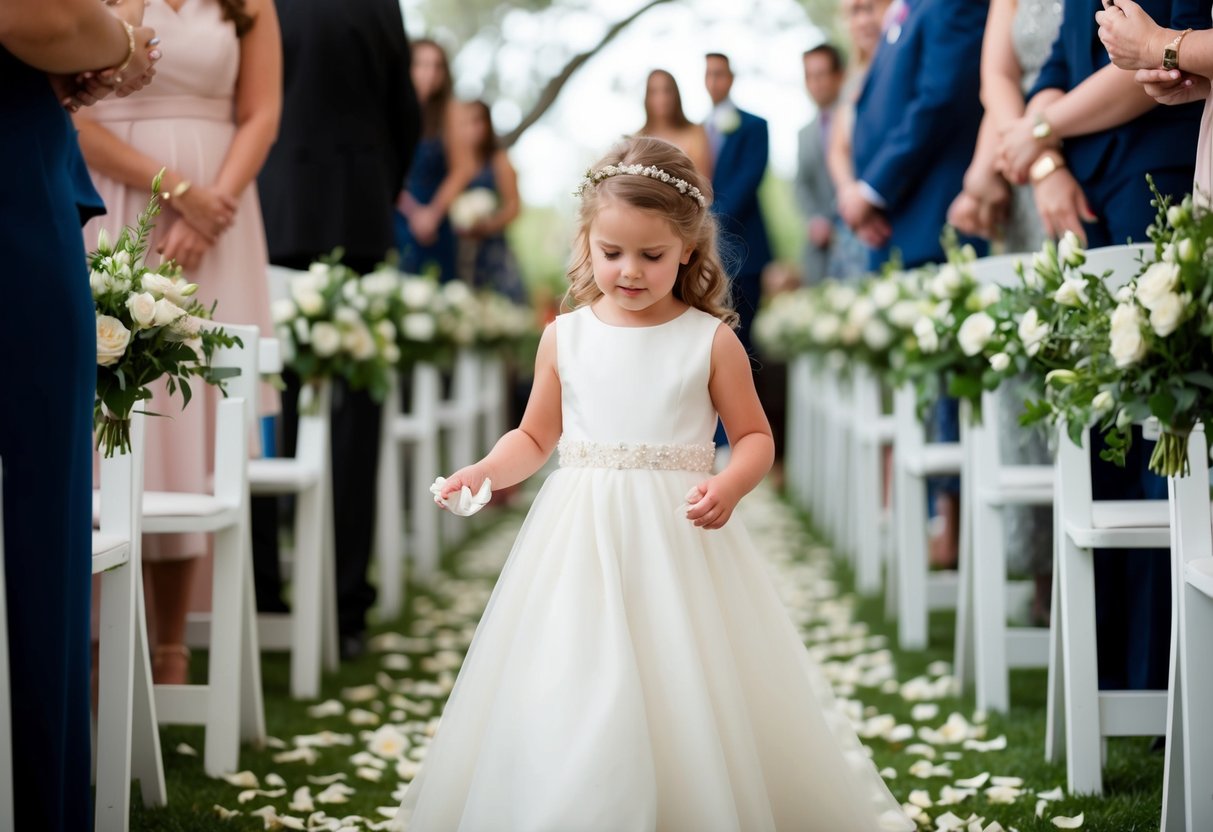
Understanding who walks down the aisle first can help you create a smooth flow for your special day. The ceremony venue also plays a role, as the layout might influence how you arrange the procession. Whether you choose to follow tradition or make your own rules, knowing the usual order can help you feel more confident about your plans.
As you prepare for your wedding procession, think about what feels right for you and your partner. This special moment should reflect your unique love story and bring joy to all your guests.
The Order of a Traditional UK Wedding Processional
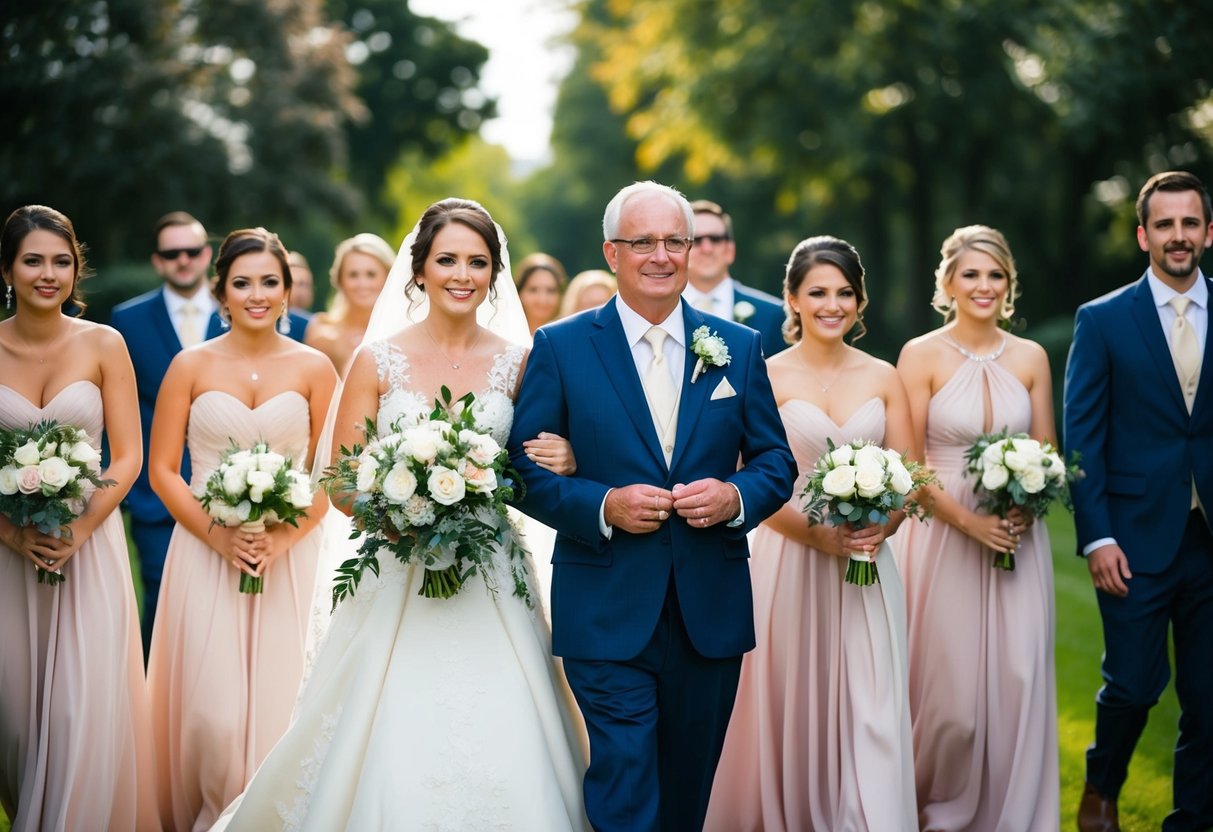
In a traditional UK wedding, the processional sets the stage for the ceremony. Each participant plays an important role, following a specific order that reflects the significance of the occasion. Here’s a closer look at the different steps involved.
Role of the Officiant and Groom
The wedding processional begins with the officiant and the groom. The officiant typically walks into the ceremony area first, taking their place at the altar. This establishes the formal start of the event.
Next, the groom enters, usually from the side or the front, depending on the venue setup. He stands ready at the altar alongside his groomsmen. This arrangement not only sets the tone but also symbolizes waiting for the bride’s arrival.
Entrance of the Groom’s Parents
After the groom, the parents of the groom often make their entrance. Traditionally, the mother of the groom walks down the aisle, followed by the father. They take their seats on the right side of the aisle, which is customary in UK weddings.
This moment honors the groom’s family, showing their support and importance in the ceremony. Their presence adds to the emotional weight of the processional, highlighting the family connection.
How Bridesmaids and Groomsmen Enter
Once the groom’s parents are seated, it’s time for the wedding party to come down the aisle. The groomsmen enter next, typically one by one, walking from the side. They take their places near the groom, creating a unified front.
Following the groomsmen, the bridesmaids enter. Usually, they walk down the aisle in pairs or individually. This stylish entrance builds excitement as the ceremony approaches the highlight — the bride’s arrival. The color of their dresses often matches the wedding theme, adding to the visual appeal.
Special Roles: Flower Girls and Ring Bearer
Adding charm to the ceremony are the flower girls and the ring bearer. They usually enter after the bridesmaids. Flower girls carry small bouquets or sprinkle petals along the aisle, creating a festive atmosphere.
The ring bearer carries the wedding rings, often on a small pillow. This role is crucial, as the rings symbolize the couple’s commitment. Their entrance brings an extra touch of innocence and joy to the processional.
The Bride’s Grand Entrance
The most anticipated moment of the processional is when the bride makes her entrance. Traditionally, the bride walks down the aisle accompanied by her father. This symbolizes a family bond and the bride’s transition to a new life.
As the bride approaches the altar, all eyes are on her. The atmosphere is filled with emotion as she wears her wedding gown, often the highlight of the day. This moment marks the beginning of the ceremony and the union between the couple.
Customizing the Wedding Procession
Your wedding procession can reflect your unique style and cultural background. It allows you to decide who walks down the aisle first and how the order flows. Here’s a closer look at various traditions followed in different ceremonies.
Christian Wedding Traditions
In many Christian weddings, the traditional order usually has the bride walking down the aisle last. Before her, the bridesmaids and groomsmen typically escort each other. Parents of both partners are seated before the ceremony begins. You might choose to have a flower girl and a ring bearer add a touch of charm to the procession.
Feel free to personalize this process! Some couples opt for the groom and groomsmen to walk in first, followed by the bridal party. This can create a unique entrance that suits your personality.
Jewish Wedding Customs
Jewish weddings have customs that significantly shape the procession. Often, the groom enters first, followed by the bridal party. The bride typically walks down the aisle escorted by both parents, symbolizing her connection to family.
Another impactful moment is the chuppah, or canopy, under which the couple stands during the ceremony. You can customize who walks with you to the chuppah, leading to a more personal touch.
Hindu Wedding Processional Variations
In Hindu weddings, the procession focuses on traditions that emphasize family and cultural values. The groom usually arrives first, often on a decorated horse or in a vibrant car, in a celebration known as the baraat.
The bride, surrounded by family members, follows him down the aisle. Rituals like the kanyadaan, where the bride’s father gives her away, often occur during this time. You can choose to adapt elements based on what feels right for you and your family.
Non-Religious Ceremony Options
For a non-religious ceremony, you have the freedom to create a processional that reflects your beliefs and values. There are no set rules, which means you can get creative!
You may choose who walks first, whether it’s a close friend, family member, or even pets. Including meaningful rituals or personal stories can make your ceremony feel special and true to you. Customization is fully in your hands.
Feel free to mix and match ideas from different traditions to create a procession that speaks to you!
The Finer Details of the Procession
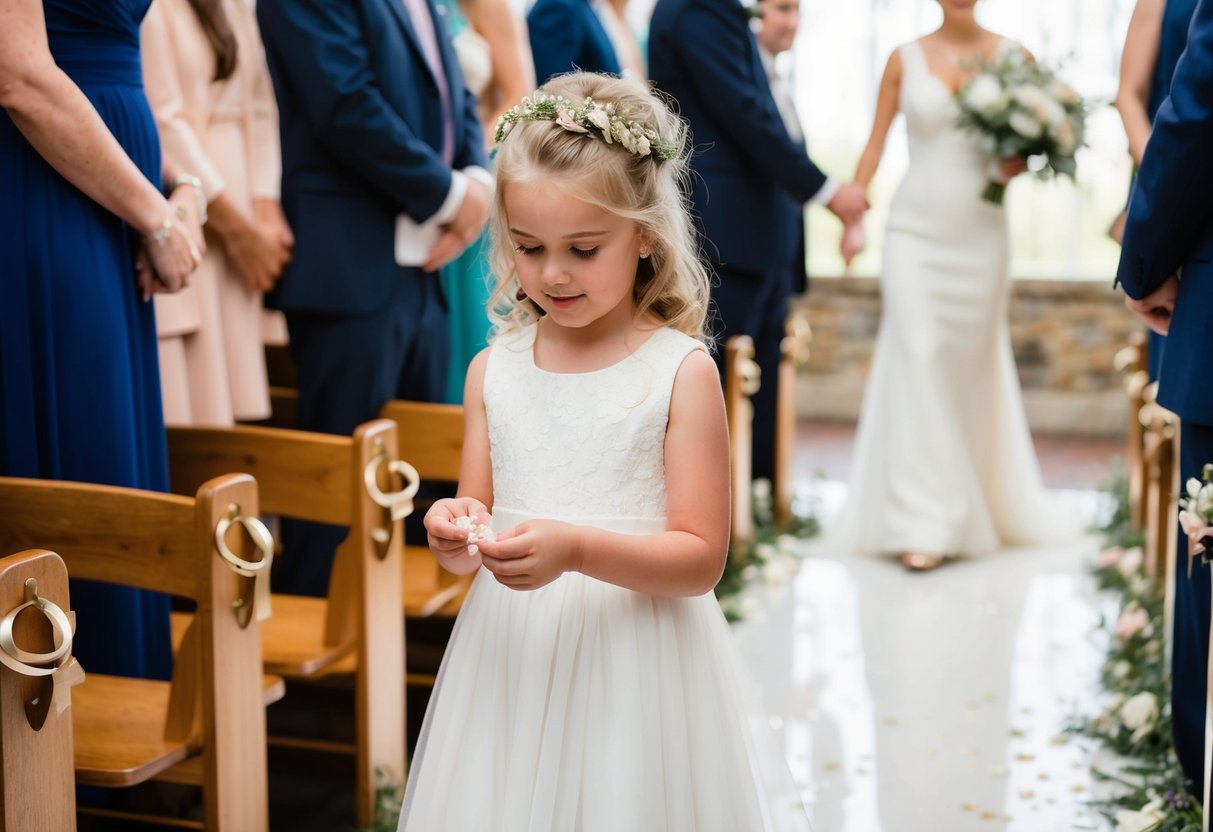
When planning your wedding procession, several key elements come into play. You will want to choose the right music, define the order of your wedding party, and clarify the roles of your parents. These details help create a memorable atmosphere for your big day.
Choosing Your Processional Music
Selecting your wedding processional song sets the tone for your ceremony. Consider what genre resonates with you. Traditional options include classical pieces or a modern love song.
Think about how the music reflects your relationship. You might also choose a meaningful tune, perhaps one you both share a fond memory of. Make sure to communicate your choice to your musicians or DJ in advance.
Order of Bridesmaids and Groomsmen
The order of bridesmaids and groomsmen is an important detail. Typically, the wedding party walks in pairs or one at a time.
You may choose to have the maid of honour walk alone or with the best man right before you. This can add elegance to the procession. Choose an order that feels right for you, whether that’s together or in a more traditional sequence.
Attire and Responsibilities of the Wedding Party
Your wedding party will come dressed in coordinating outfits that match your theme. Ensure the wedding dress complements the attire of bridesmaids. The groom and his groomsmen should look equally sharp.
Each member has important roles. The maid of honour supports the bride, while the best man helps the groom with tasks leading up to the ceremony. Ensure everyone knows their responsibilities for a smooth procession.
Parents’ Roles in the Procession
Involving parents adds a personal touch to the ceremony. The mother of the bride often plays a significant role. Sometimes, she walks down the aisle first or escorts family members.
The father of the groom is usually next in line, which can symbolize unity between families. Clarifying these roles early on allows everyone to know their place. Discuss preferences with your parents for a memorable experience.