
Who Goes Down the Aisle First? Understanding Wedding Traditions and Modern Choices
Deciding the order of who walks down the aisle can feel overwhelming, but it’s an important part of your wedding ceremony.
Traditionally, the groom’s parents start the wedding ceremony, followed by the mother of the bride. From there, the wedding party, including bridesmaids and groomsmen, walks together, leading up to the bride’s grand entrance.
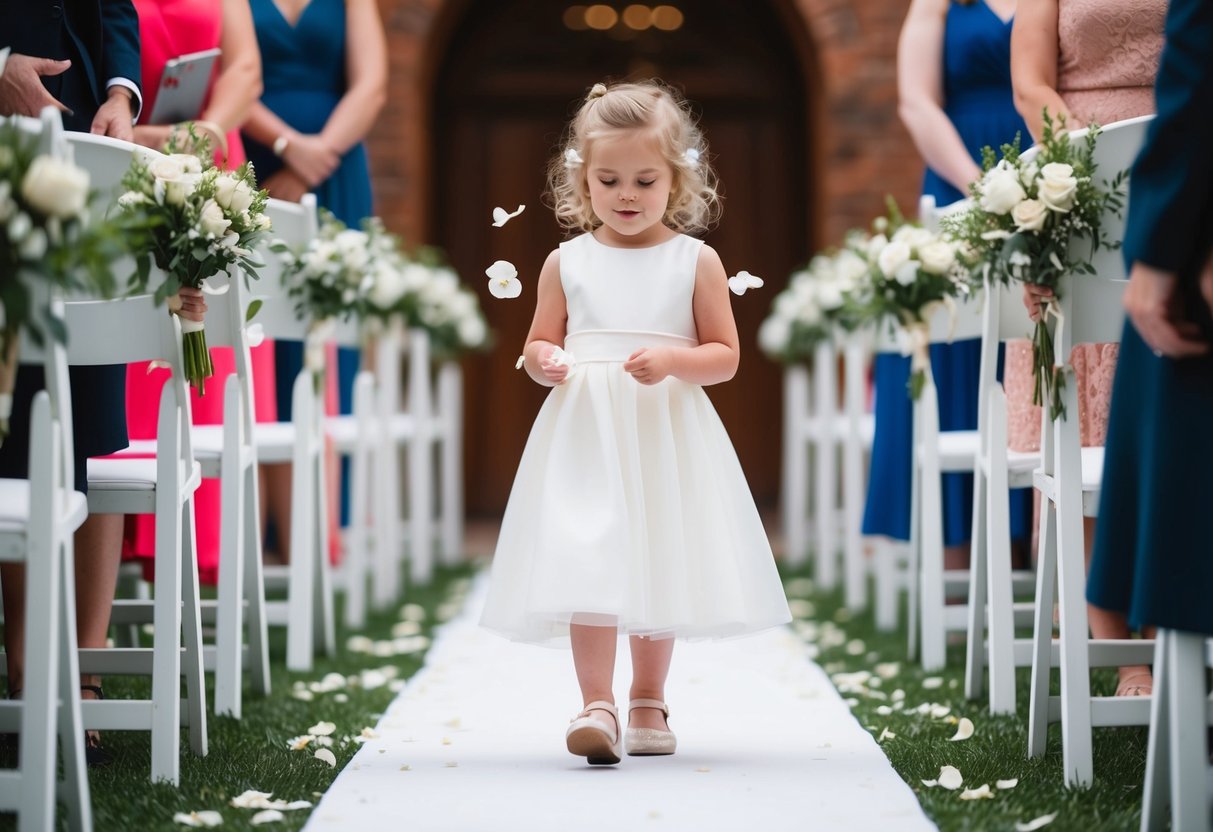
Many couples choose to customize their processional order, making it unique to their wedding day. You can have the officiant walk in first or include family members who play significant roles in your lives. This personalization adds a special touch to your ceremony and makes it memorable for both you and your guests.
Understanding the typical wedding processional order helps you plan effectively and reduces any stress. Knowing who goes down the aisle first sets the tone for the event and gets everyone excited for the celebration ahead!
Order of Entrance for Traditional Western Ceremonies
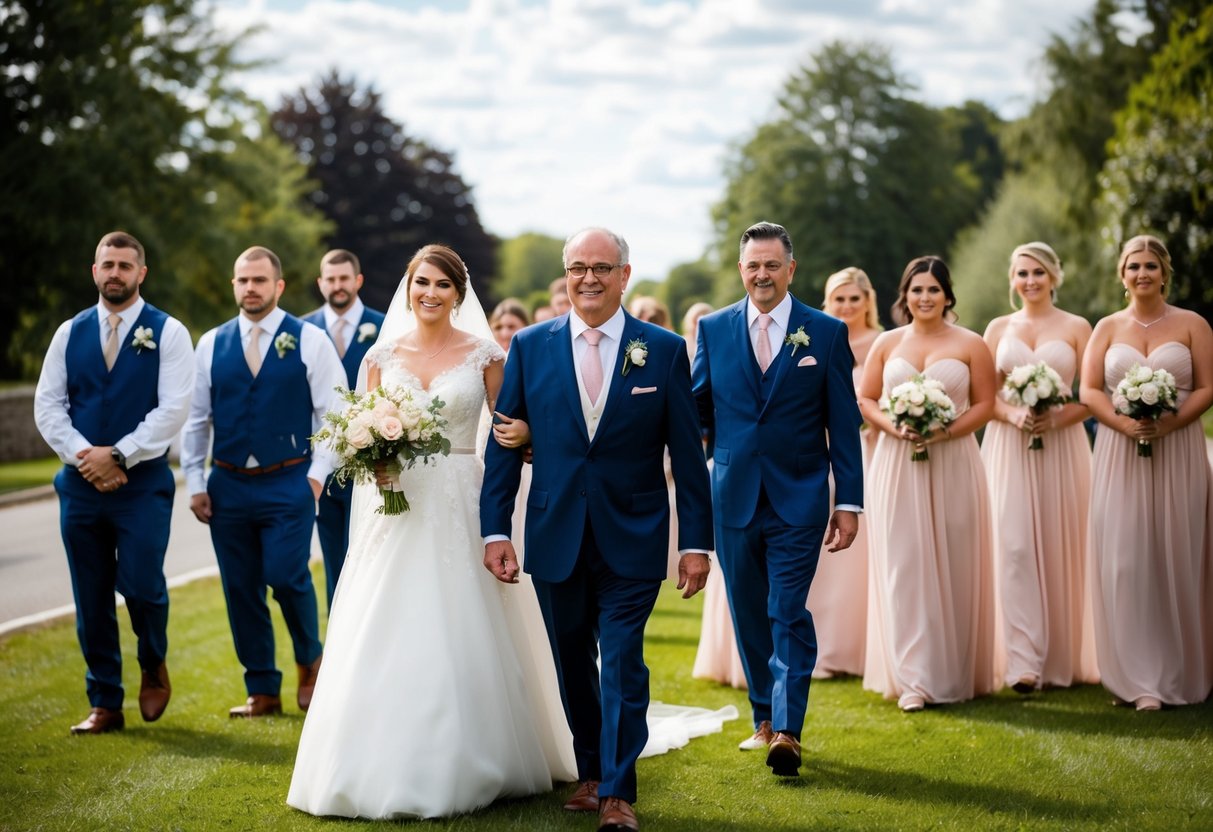
In a traditional Western wedding, the order of entrance is essential in setting the mood for the ceremony. You’ll want to plan who walks in and when to ensure everything flows smoothly on your special day.
Processional Basics
The processional is the beginning of your ceremony, where key people walk down the aisle. Typically, the music starts, and it signals the start. The first to walk down is often the grandparents of both the bride and groom.
Next, come the parents, usually starting with the mother of the bride followed by the mother of the groom.
After the parents, the wedding party walks in. This includes the groomsmen and bridesmaids. It’s common for them to walk in pairs, with the best man walking with the maid of honor at the end. This order ensures that the focus is gradually shifted towards the bride, creating anticipation.
The Role of Family Members
Family plays an important role during the processional. The mother of the bride is often the first family member to make a significant entrance. She usually walks slowly down the aisle, which helps to build excitement for the ceremony to come.
After her, the groom’s parents follow. For some couples, a special moment can also be created by having both sets of parents walk together. Including family members in this way highlights the blending of families, showing support for your union.
How the Wedding Party Proceeds
The wedding party has its own order to follow. Traditionally, the bridesmaids walk in first, starting with the one farthest from the bride and groom. After the rest of the bridesmaids, the maid of honor is the last to walk in, creating a moment of grandeur before the bride’s entrance.
Then, the ring bearer and flower girl can enter together or have the flower girl follow the ring bearer. Finally, the moment everyone has been waiting for arrives. The bride, often escorted by her father or another family member, walks down the aisle, marking the peak of the processional and capturing everyone’s attention.
Cultural Variations in Processionals
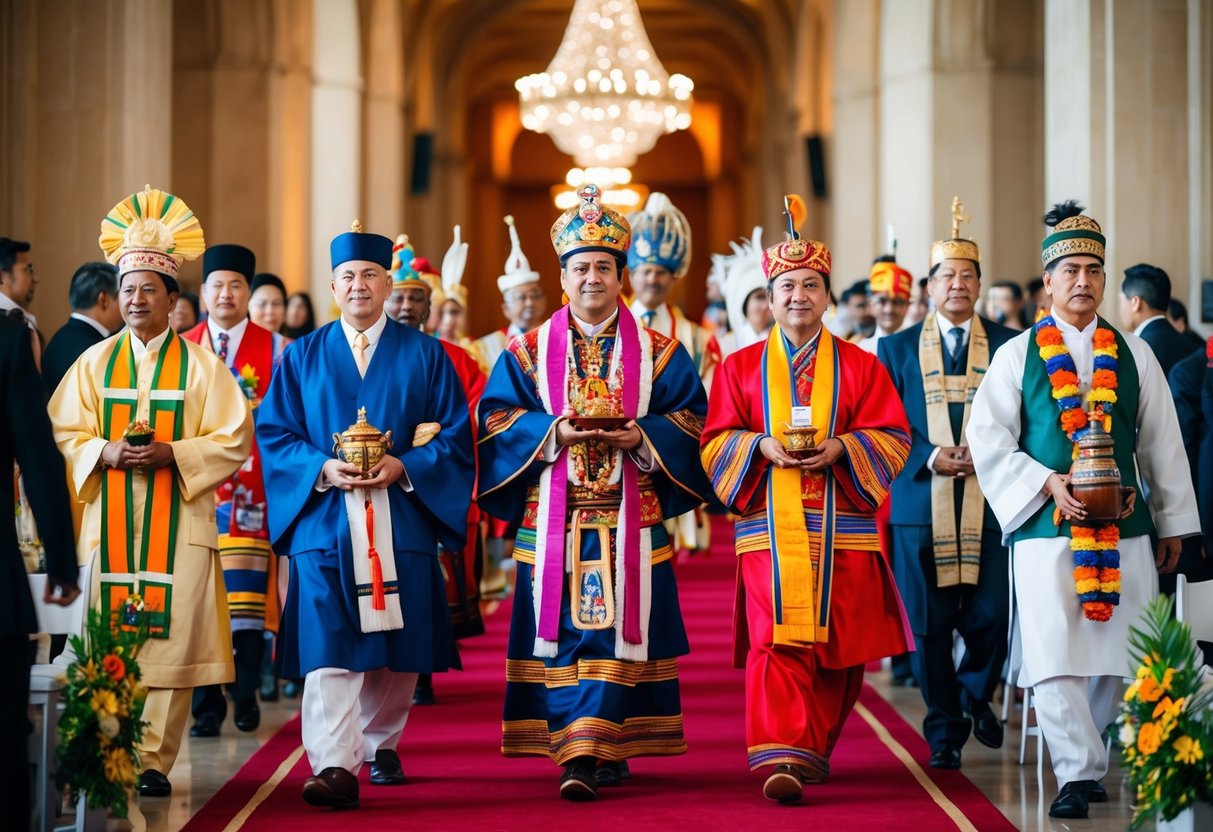
Processionals can vary greatly depending on cultural traditions. Each culture brings unique customs and meanings to the wedding ceremony, especially regarding who walks down the aisle first. Here are some common practices in Jewish, Hindu, and modern weddings.
Jewish Wedding Traditions
In a Jewish wedding, the processional often starts with the parents of the couple. Traditionally, the groom walks down the aisle first, followed by his parents. This signifies the start of the ceremony and honors the groom’s family.
Next comes the bride, typically escorted by her father or a significant person in her life. The chuppah, or wedding canopy, is set up at the altar, where the couple will stand during the ceremony.
The order of the procession can vary among families, but maintaining these traditions is important in many Jewish ceremonies. You might also see extended family members included in the processional, depending on personal preferences.
Hindu Wedding Customs
Hindu weddings are vibrant, full of rituals, and can include a lively procession called the baraat. In this celebratory segment, the groom typically arrives at the wedding venue on a horse or in a decorated vehicle, accompanied by family and friends, creating a festive atmosphere.
The bride is often the last to enter, usually arriving at a mandap, where the ceremony takes place. Before she arrives, family members and close friends might walk down the aisle to honor their roles in the couple’s lives.
This blend of raucous festivities and deep tradition emphasizes the joy and significance of the occasion.
Modern Interpretations and Mixing Traditions
Many couples today embrace modern interpretations of wedding processions. You might see a mix of different cultural elements, even in a nondenominational wedding.
For example, a couple may choose to have their parents walk together at the beginning or include siblings and close friends in their entrance. The processional order can be tailored to reflect personal values and family backgrounds.
This flexibility allows for creativity and personalization in wedding planning, breaking from traditional norms while still honoring important cultural aspects. You can make your wedding unique by considering what resonates most with your story as a couple.
Pre-Wedding Preparations and Considerations

As you prepare for your wedding, there are several important factors to consider. Making decisions about music, readings, and the order of the ceremony can create emotional moments that make your day memorable.
Choosing Music and Readings
Selecting the right music is crucial for setting the tone of your ceremony. You might want to choose a special wedding processional song that resonates with you. Think about including a prelude that plays while guests arrive.
When considering readings, select texts that reflect your values or love story. You can ask family members or close friends to read these passages to involve them in your celebration. Customizing the music and readings can make your ceremony feel personal and unique.
Deciding the Order of the Ceremony
The correct order of a wedding ceremony plays a key role in guiding your guests through the event.
Typically, the ceremony starts with the processional, where the wedding party, including family members, walks down the aisle.
You can place great importance on how both parents are involved. For example, if stepfamilies are part of your life, consider how you will include them in the order. This respect can create emotional moments that honor everyone involved.
Involving Stepfamily and Honored Guests
Sometimes, including stepfamilies can be tricky. But it’s essential for a harmonious celebration. Discuss how your stepmother or stepfather will participate in the ceremony. Perhaps they can escort the bride or groom or even be part of the processional.
You may also want to acknowledge honored guests in your wedding program. This could include special friends or mentors who have impacted your life. By doing this, you create a space for everyone who means something to you, making your day even more special.