
Who Goes First in a Wedding? Understanding Ceremony Traditions and Etiquette
When it comes to weddings, one important question often arises: who goes first in the ceremony? Traditionally, the groom enters first, often accompanied by his parents. This practice allows everyone to focus on the bride as she walks down the aisle, marking a significant moment in the ceremony.
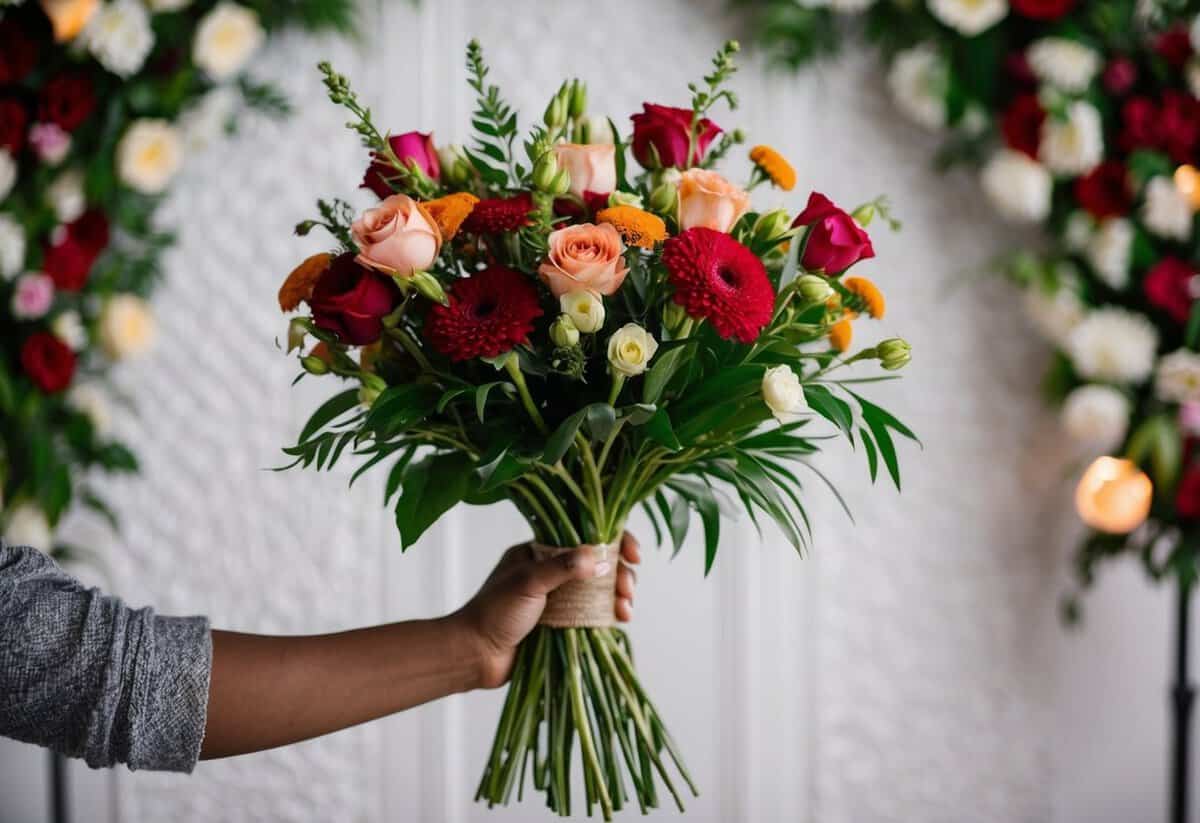
In modern wedding planning, couples have the flexibility to personalize this tradition to fit their values and preferences. Many now choose to break from convention, allowing either partner to walk down the aisle first. This shift reflects a broader approach to wedding etiquette, embracing inclusivity and a celebration of all love stories.
Navigating the details of who goes first can set the tone for your big day. It’s not just about tradition anymore; it’s about what feels right for you and your partner.
As you plan your ceremony, consider how this choice can represent your unique relationship and the support of your loved ones.
The Order of Events for a Wedding Ceremony
When planning your wedding, it’s important to think about who walks down the aisle and in what order. This sets the tone for your ceremony and includes both family and wedding party members.
Determining the Processional Order
The wedding processional order is crucial for the smooth flow of the ceremony. Starting with family members is traditional. Usually, the grandparents take their seats first, followed by the mother of the bride and father of the bride.
Next, it’s common for the groom and his groomsmen to enter together. Depending on your wishes, the best man may walk with the groom or enter separately. After this, the bridesmaids walk down the aisle in pairs, often escorted by groomsmen.
Finally, the flower girl and ring bearer follow, adding a charming touch. Lastly, the bride makes her big entrance, often escorted by her father or chosen family member. This order creates an emotional build-up for your special moment.
Roles of Family and Wedding Party Members
Each person involved in the ceremony has a special role. The mother of the bride plays a big part in coordinating the family and may also help with seating guests.
The groom typically stands at the altar with his best man, who offers support. Bridesmaids can help keep the bride calm and assist during the ceremony. The maid of honor is often very involved, holding the bride’s bouquet and helping with logistics.
Flower girls and ring bearers add sweetness to the event. It’s important to ensure they know their roles well to avoid any confusion. Communicating with all party members ahead of time helps create a smooth processional, allowing everyone to enjoy the moment.
Wedding Invitations and Stationery Etiquette
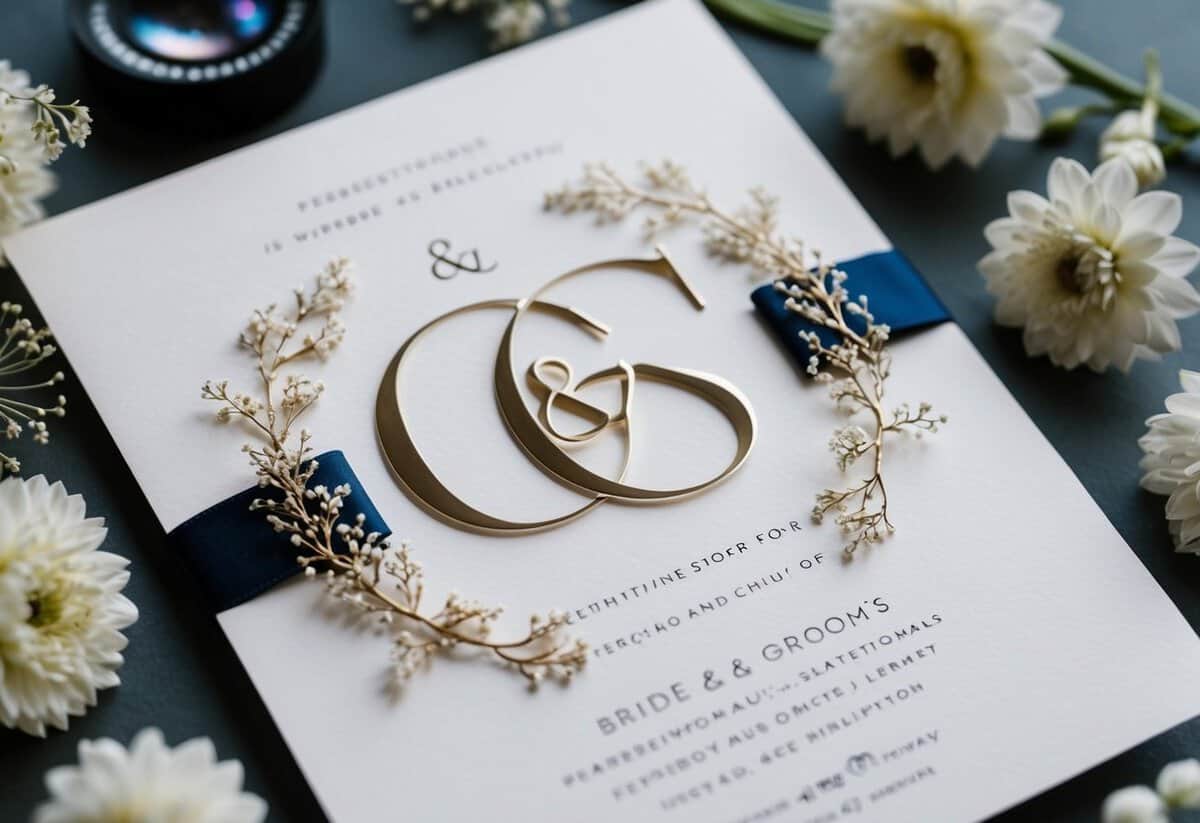
When planning your wedding, knowing how to present names on invitations and what details to include is key. This helps set the tone for your big day and ensures your guests have all the necessary information.
The Presentation of Names
The way you list names on your invitation matters. Traditionally, the bride’s name comes first. This shows respect for the families involved. After the wedding, it’s common for the groom’s name to be listed first on stationery.
If you are a same-sex couple, you have the freedom to choose who goes first. Consider using alphabetical order or simply personal preference. Make sure to write full names, as this adds a touch of formality to your wedding invitations.
When addressing envelopes, use formal titles like Mr., Mrs., or Ms. to match the style of your formal stationery. Small details like these help convey the seriousness and joy of marriage.
Additional Details to Include
Include important wedding details on your invitations. Apart from the names, make sure to mention the date, time, and venue of the ceremony. You can also add information about the dress code, so guests know what to wear.
Don’t forget to ask for RSVPs, as this helps with planning. Include a link or card for guests to confirm their attendance. If you have a gift registry, you might want to add that information to your wedding card as well.
For informal gatherings, you can adjust the wording to be less formal. Finally, consider including details like hotel welcome bags for out-of-town guests. This ensures everyone feels prepared and welcomed.
Cultural and Modern Considerations
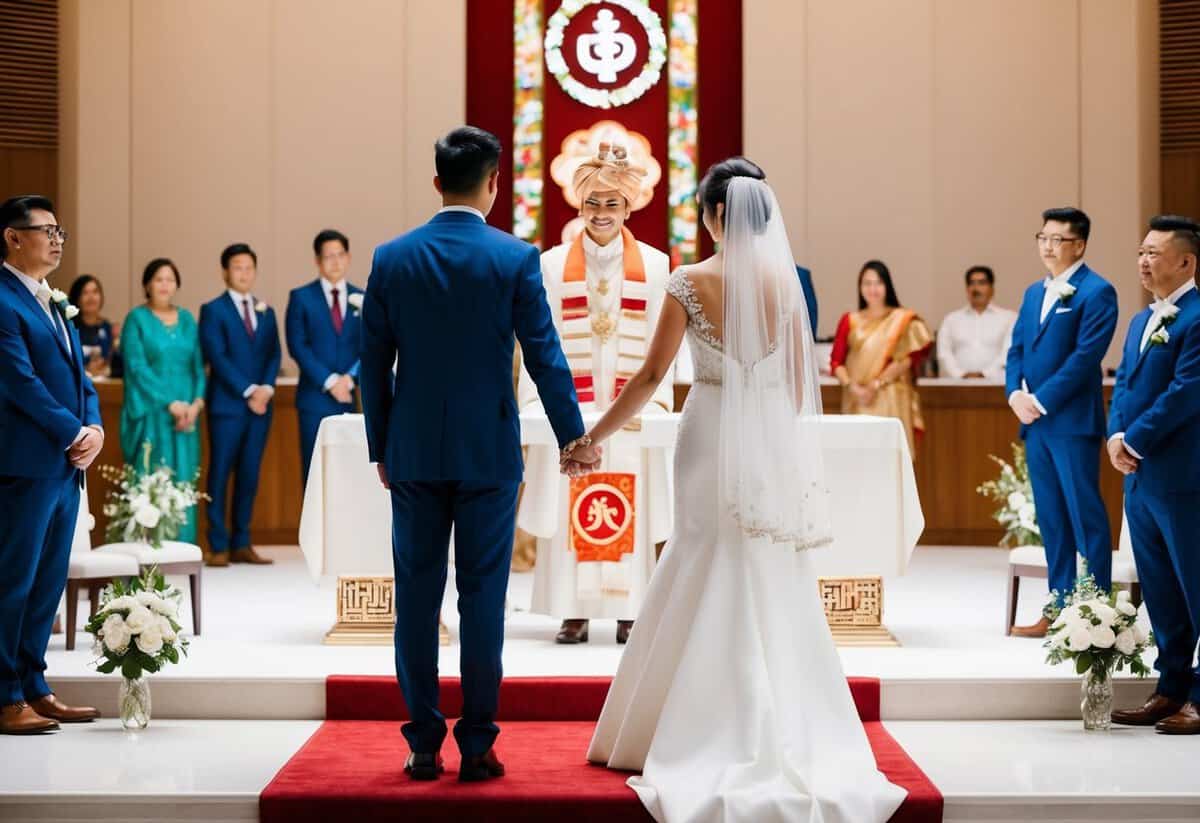
When planning a wedding, understanding cultural traditions and modern practices is essential. Discussing these aspects can help ensure that your celebration reflects both respect for traditions and the uniqueness of your relationship.
Respecting Traditions and Personal Choices
Many wedding ceremonies are influenced by cultural traditions. For instance, in Hindu weddings, the order of the ceremony can be quite specific. In some cultures, it is customary for the bride’s name to go first, symbolizing her role in the union.
Your family’s traditions may also play a role in your decision. Engaging family members in conversations about these customs can not only honor your heritage but also show respect. Remember, it’s important to balance tradition with your personal preferences.
You have the option to blend traditional and modern choices. This way, you can create a ceremony that feels right for both of you.
Inclusion and Adaptation in Contemporary Weddings
In modern weddings, the focus is often on equality and inclusion. Many couples now prioritize making personal choices that reflect their relationship. For same-sex couples, the question of who goes first can become even more meaningful.
Many couples now prioritize making personal choices that reflect their relationship. For same-sex couples, the question of who goes first can become even more meaningful.
In the past, the traditional order of names was often used without question. But in today’s weddings, many couples are choosing to change this. Communicating openly with your partner about what each of you prefers is vital. Addressing decisions like the order of names can help create a sense of unity between you two.
In the past, the traditional order of names was often used without question. But in today’s weddings, many couples are choosing to change this. Addressing decisions like the order of names can help create a sense of unity between you two.
Consider adapting the traditional order to better fit your lifestyle. Tailoring these elements in your wedding can make the celebration more personal while still respecting the spirit of the ceremony. This approach not only respects traditions but also embraces the modern values of love and partnership.