
Who Goes in the Main Table at a Wedding? A Guide to Seating Arrangements
Planning your wedding means making many important choices, and one of the biggest is deciding who sits at the main table. Typically, the main table includes you, your spouse, and your immediate family members, such as parents and siblings. This special seating arrangement helps highlight the support of your loved ones on this significant day.
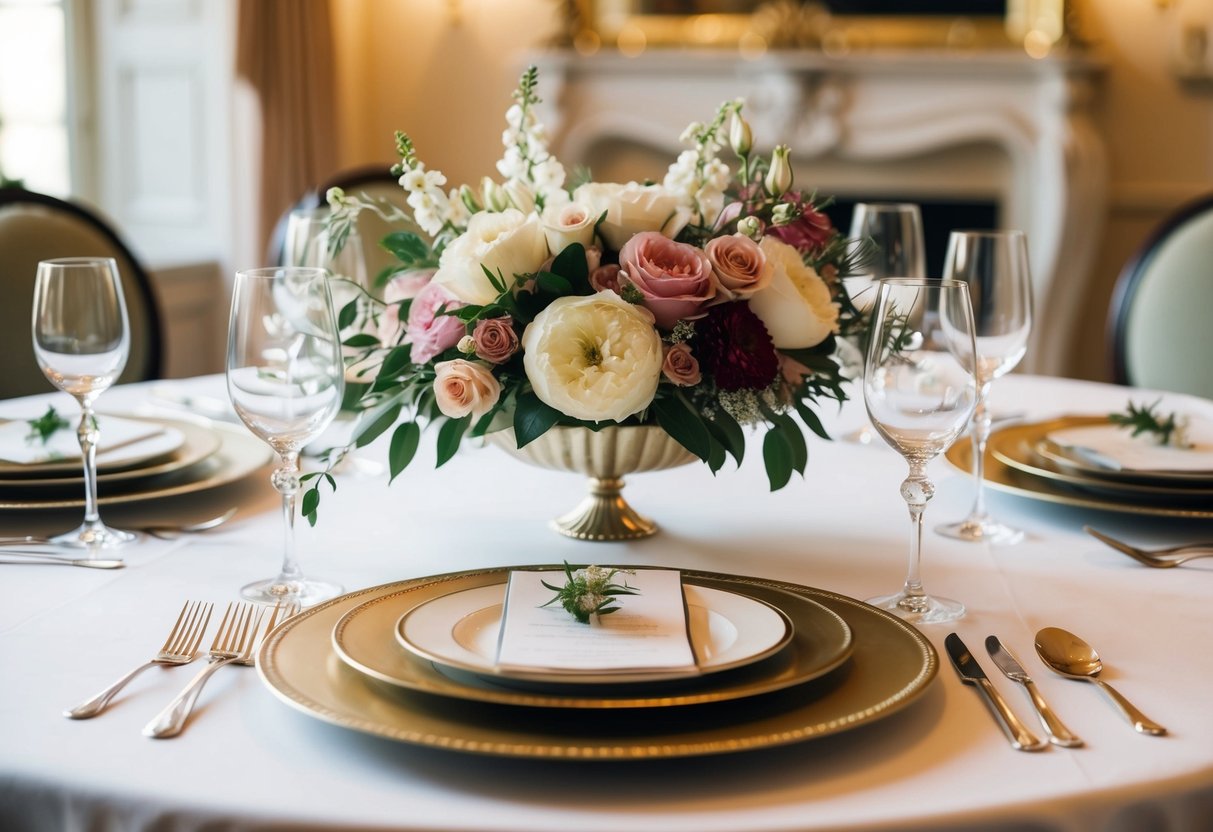
As you think about your wedding reception, consider who you want by your side during the celebration. You might choose to include your wedding party or other close friends at the table. It’s a great way to share those joyful moments with the people who mean the most to you.
Arranging the seating can feel overwhelming, but it doesn’t have to be. By focusing on who you want to celebrate with you, planning the main table can become an enjoyable part of your wedding planning process.
Understanding the Main Table at a Wedding
The main table at a wedding is where key people sit during the reception. Its design and arrangement reflect your style and the importance of those involved. Let’s explore its significance, traditional setups, and how modern couples might choose to arrange the seating.
Significance of the Main Table
The main table, often called the top or head table, holds great meaning. It’s a focal point where the couple and their closest family members celebrate together. This table is a way to honor those who have supported you throughout your relationship.
Choosing who sits at this table also creates an atmosphere of love and support. It sets the tone for the entire reception, allowing guests to see who is closest to you.
Traditional Top Table Setup
In a traditional setup, the couple sits with their parents. This arrangement emphasizes family ties. You might also include siblings or the bridal party members, like the maid of honor and best man.
Typically, the table is rectangular and positioned at the front of the reception area. This way, all guests can easily see and interact with you. Depending on family size, you may need to plan thoughtfully to ensure everyone fits comfortably.
Modern Couples and Alternative Arrangements
Many modern couples opt for alternative arrangements to reflect their personalities. For example, a sweetheart table features just the couple, providing intimacy on their special day.
You may also choose a family-style head table, where immediate family sits together, promoting a sense of unity. Regardless of your choice, the table layout can still emphasize your personal style while adapting to your unique wedding vision.
Who Sits at the Main Table?
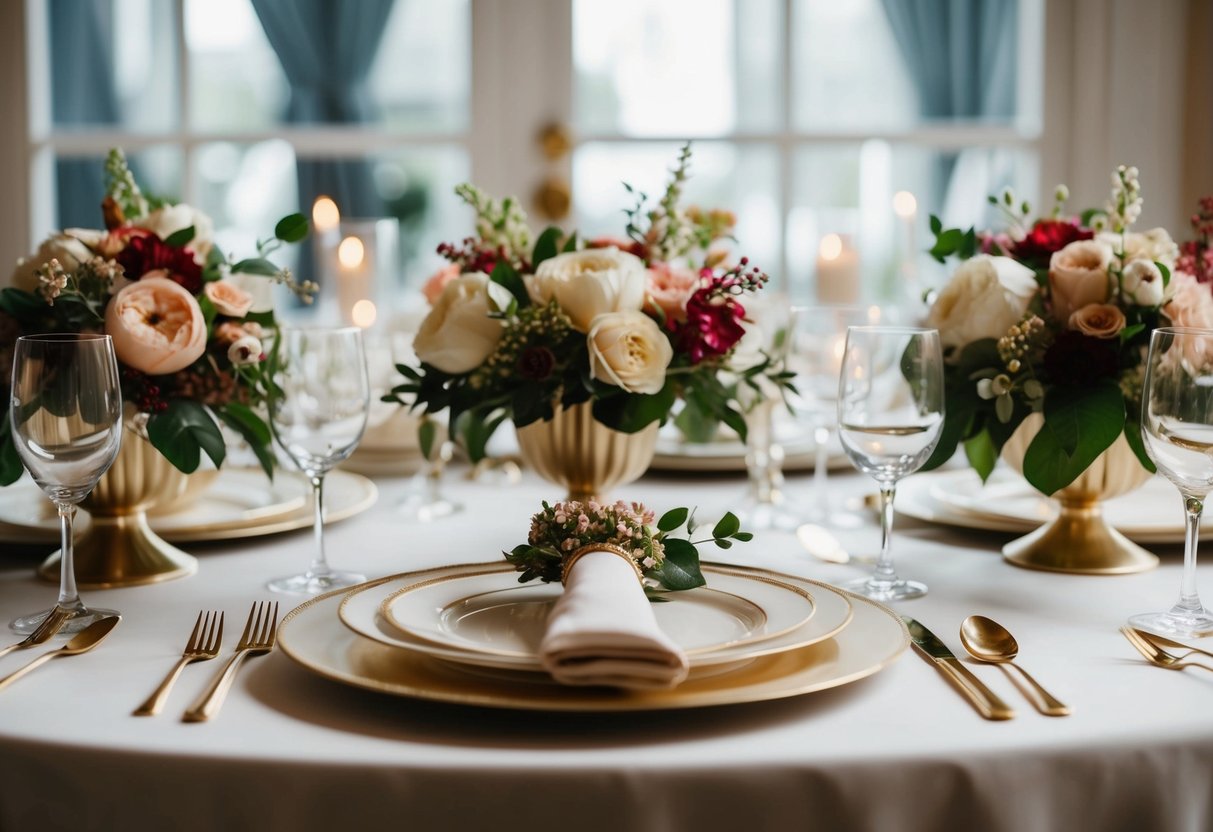
The main table, often called the head table, is a focal point at a wedding reception. It typically includes the bride and groom along with their closest family and friends, highlighting the important roles each person plays in the couple’s lives.
Roles and Responsibilities of the Wedding Party
At the main table, you will usually find members of the wedding party, such as the best man and maid of honor. Their roles go beyond just being seated at the table. They often help with important tasks throughout the day, like planning the reception and toasting the couple.
It’s common for the bride and groom to share their seating with these key figures. This arrangement highlights their support and importance in the couple’s life. Couples might choose to include additional members like bridesmaids and groomsmen, depending on the size of the wedding.
Family Members at the Main Table
When it comes to family, you should consider seating immediate family members, such as parents and siblings, at the main table. This includes both sets of parents. For many couples, this can be a way to honor family ties and emphasize the joining of families.
You could also create a more personalized experience by seating grandparents or other significant relatives if space allows. This approach acknowledges their special role in your life. It’s essential to check with family members about their comfort and any seating preferences, especially if there are sensitive dynamics.
Navigating Family Dynamics and Divorced Parents
If you come from a blended family or have divorced parents, seating at the main table can get tricky. You might want to seat your parents at separate tables to reduce tension. It’s crucial to maintain a sense of harmony on your big day.
Another approach is to discuss seating preferences with your parents before the wedding. This conversation can help manage expectations. Clearly communicating your choices to your family can prevent misunderstandings during the event, ensuring the focus stays on celebrating love and unity.
Seating Etiquette and Arrangement Tips
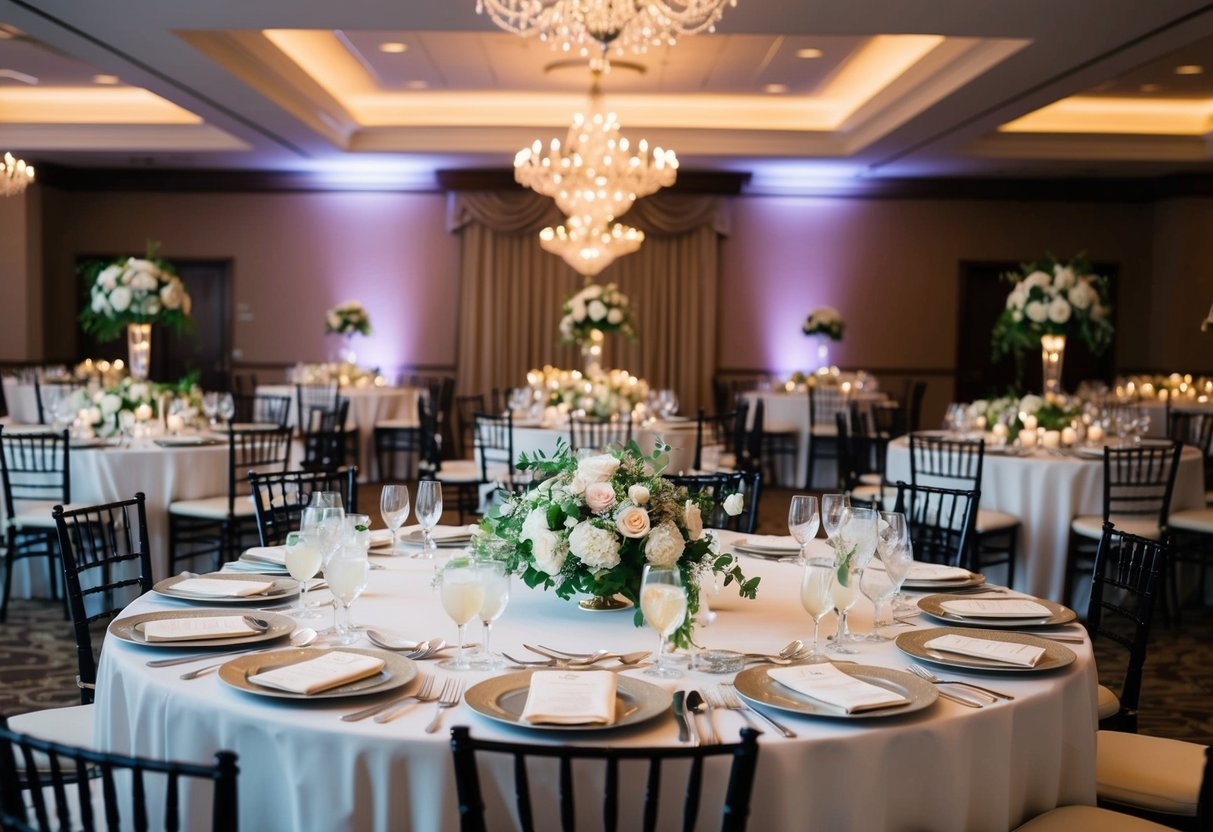
Creating a thoughtful seating plan can enhance the wedding experience. It ensures your guests feel comfortable and enjoy spending time together. Here are some essential tips for developing your seating chart and arranging the head table, along with considerations for plus-ones and children.
Developing a Seating Plan
Start by making a list of all your guests. Group them by connections, such as family, friends, or coworkers. This can help you see who might enjoy sitting together.
Consider the size of the tables. For instance, round tables usually seat eight to ten guests, while rectangular tables may hold more.
Be mindful of seating etiquette. Place parents and the officiant near you and your spouse. This adds a special touch to the celebration. Additionally, avoid seating ex-couples or people who may not get along together. Clear communication with your guests can help avoid awkward situations.
Head Table Seating Considerations
The head table is prominently placed and typically features the couple and their immediate family. You can seat parents along with you or choose a more relaxed format with the wedding party.
There’s no one right way to arrange this table. Some couples opt for a long rectangular setup, while others prefer a u-shape.
Make sure it’s a comfortable space, with enough room to move around. You want to ensure everyone feels welcome. Remember, your head table might set the vibe for the whole event, so think through the relationships and dynamics involved as you decide who sits where.
Incorporating Plus-Ones and Children
Deciding on plus-ones can add another layer to your seating plan. Many guests appreciate the option, especially if they’re in a long-term relationship. You can create a separate table for couples who don’t know many attendees. This can help them mingle comfortably.
When it comes to children, consider having a designated kid’s table. Make it fun with activities or treats to keep them entertained.
For young children, like ring bearers and flower girls, think about their seating needs. They can sit with their parents or at the kid’s table to keep them close while allowing for a fun atmosphere.
Finalizing the Wedding Seating Arrangement
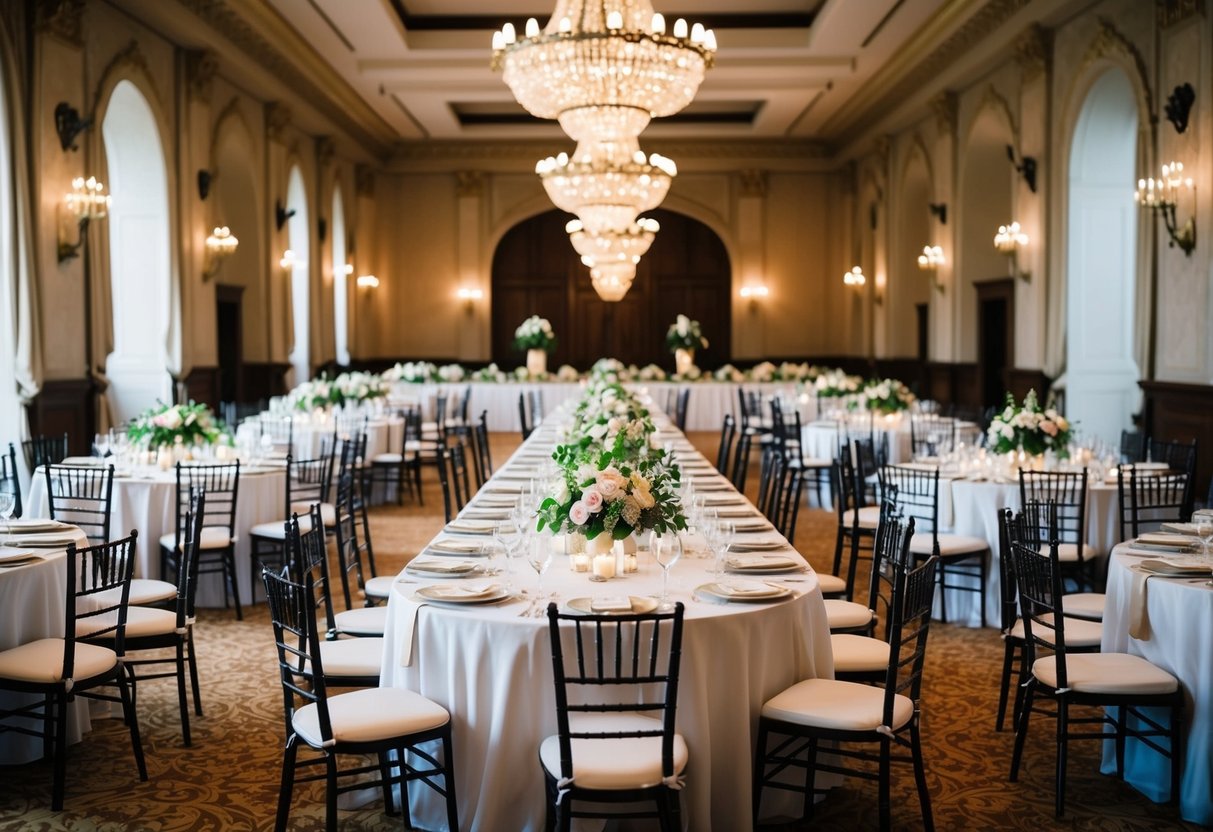
Planning the seating arrangement for your wedding can be both exciting and challenging. Getting it right ensures everyone enjoys your celebration and feels comfortable. Here are important aspects to consider, focusing on communication with guests and your wedding planner’s role.
Communication with Guests
Effective communication with your guests is key to finalizing your seating arrangement. Start by collecting RSVPs to confirm who will attend. This helps you create an accurate guest list.
You can use a simple spreadsheet to track responses. Include columns for guest names, plus-ones, and any special requests.
As you plan, reach out to guests about their seating preferences, especially those in your family table or close friends. This shows you value their comfort.
Additionally, inform guests about any kid-friendly tables or seating for those with special needs. Clear communication ensures everyone is prepared for your wedding day and helps avoid confusion at the event.
Wedding Planner’s Role in Seating
Your wedding planner plays a crucial role in organizing the seating arrangement. They can guide you through the process and help manage the guest list effectively.
A planner can suggest seating layouts that promote smooth flow during dinner. For example, they can help position party tables near the main table for easy access.
They also know how to handle sensitive family dynamics, ensuring everyone is seated comfortably. If there’s a potential conflict, they can offer solutions that keep the atmosphere light and enjoyable.
Your planner can also coordinate with the catering staff about the seating plan. This ensures that food service runs smoothly, enhancing the overall experience for you and your guests.