
Who Helps the Bride Get Dressed? A Look at the Supportive Roles on Her Big Day
On your wedding day, as you prepare to say “I do,” the help you receive can make a world of difference. The person who typically assists the bride in getting dressed is often her maid of honor, along with her mother and close family members. They not only help you with your gown, veil, and accessories but also provide emotional support during this exciting and sometimes stressful time.
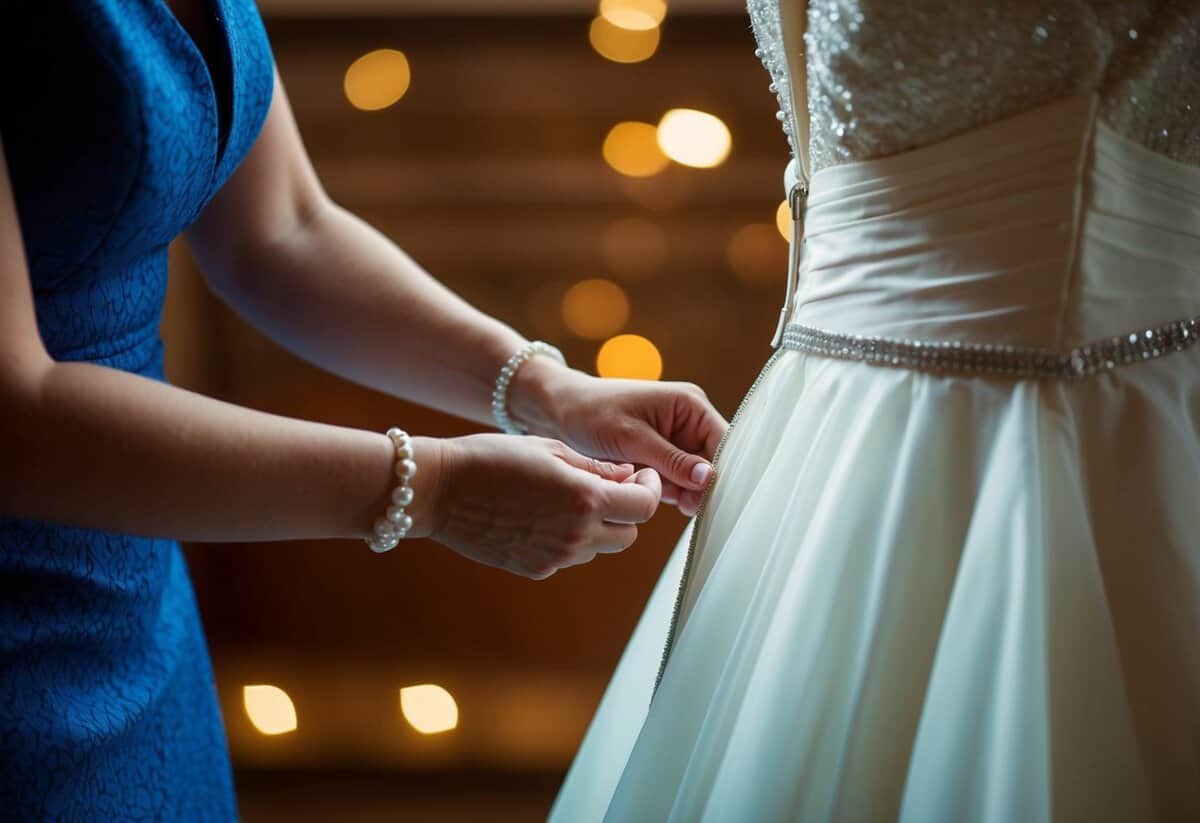
Your maid of honor is by your side, making sure everything fits perfectly and that you feel confident as you get ready for the ceremony. While she helps you manage your train and bouquet, your mother may be there to calm your nerves and offer words of encouragement.
Together, they ensure that you’re not just looking great but feeling great too.
As you step into your dress and get ready to embark on this new journey, remember that these moments with your closest friends and family will create lasting memories. Their support plays a vital role in making your wedding day special and unforgettable.
Roles of the Bridal Party
The bridal party plays a vital role in your wedding day. Each member has specific duties that help support you and make the day smoother. Understanding these roles can help you choose the right people to stand by your side.
Maid of Honor and Matron of Honor Duties
The maid of honor or matron of honor is your key support person. She helps you during the planning and on the wedding day. One essential duty is assisting you with your wedding dress.
She ensures everything is in place, including your veil and jewelry. She also organizes the bridal party for photos and assists with the timeline. In some cases, she may hold your bouquet while you walk down the aisle.
Additionally, she can help with the emotional support you might need. Her presence can make you feel more at ease during the ceremony.
Bridesmaids’ Responsibilities
Bridesmaids are there to support you every step of the way. They help with wedding planning tasks, such as addressing invitations and choosing bridesmaid dresses.
On the wedding day, their duties include getting dressed together, helping each other with hair and makeup, and being ready for photos. They are also responsible for keeping the mood light and fun.
In some cases, bridesmaids participate in tasks like setting up decorations or assisting with guest coordination. Their support helps you enjoy the day without any added stress.
The Mother of the Bride’s Role
The mother of the bride often takes on a leadership role in the wedding planning process. She works closely with you to help organize details and manage schedules.
Her responsibilities can include assisting with seating arrangements and coordinating with vendors. On the big day, she may help you get dressed and ensure you have everything you need.
After the ceremony, she often greets guests and helps maintain the flow of the event. This support is key to making you feel comfortable and ready to celebrate your special day.
Involvement of the Mother of the Groom
The mother of the groom also plays an important role. She can help with planning by connecting with your family and ensuring his family members are informed and included.
On the wedding day, her involvement might include greeting guests and assisting with seating arrangements. She may also help organize any events occurring on her side of the family, like the rehearsal dinner.
Having her support adds to the warmth of the occasion. Her involvement can create a sense of unity between both families on such a significant day.
Wedding Attire and Styling
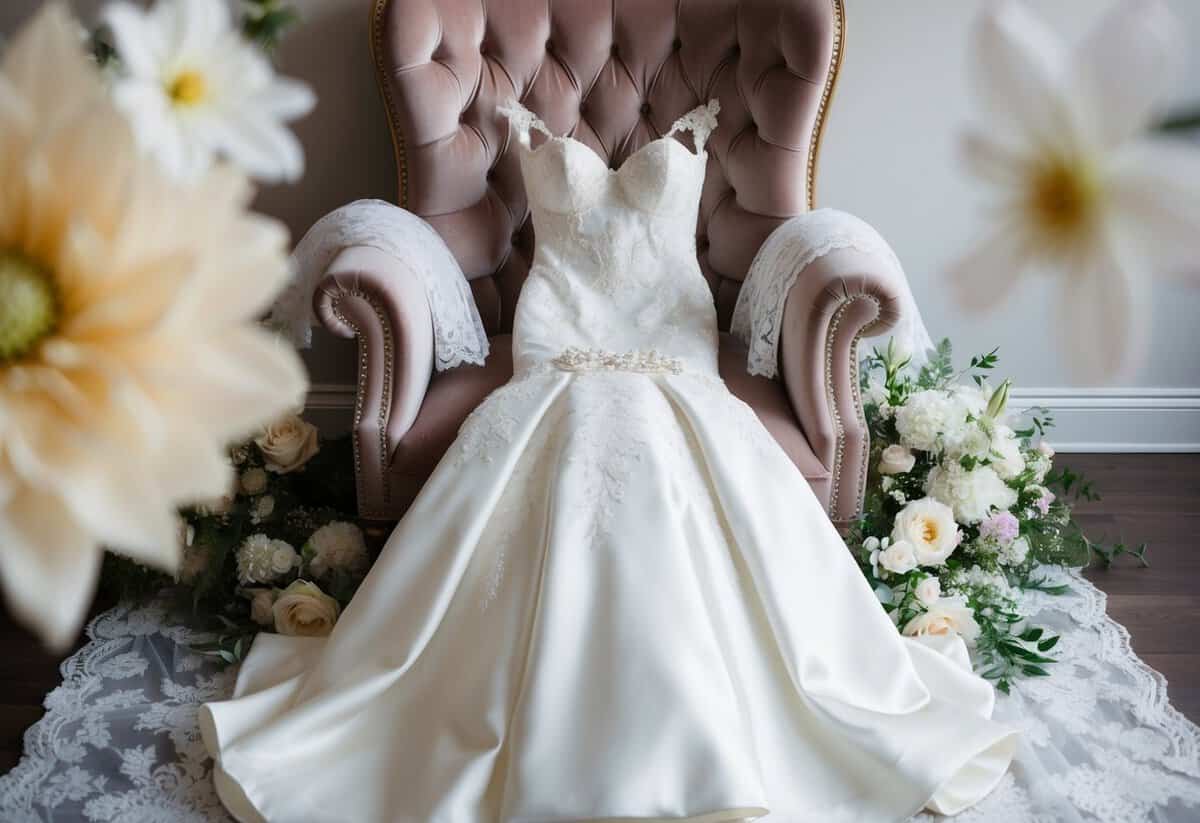
When planning for your special day, the choices you make about your wedding attire and styling are essential. From selecting the perfect dress to coordinating accessories, every detail contributes to your overall look.
Selecting the Wedding Dress
Choosing your wedding dress is one of the most exciting parts of wedding planning. Consider your personal style and what makes you feel comfortable. Whether you envision a classic ball gown or a sleek, modern silhouette, the right dress will boost your confidence.
Start by visiting bridal boutiques to explore different styles. Try on various shapes, such as A-line, mermaid, or empire waist, to see what flatters your figure. Take note of fabrics too—lace, satin, and chiffon each offer a different vibe. Don’t forget to factor in the season, as this can influence your fabric choice.
Dress Fittings and Alterations
Once you’ve selected your dream dress, fittings are essential to ensure a perfect fit. Schedule your first fitting as soon as you receive your gown. Bring along your chosen undergarments and any accessories you plan to wear.
During fittings, a skilled seamstress will make adjustments for comfort and style. Common alterations may include adjusting the hem, tailoring the bodice, or adding bustle options for the reception. Don’t hesitate to express any concerns—this is your special day, and you deserve to feel flawless!
Choosing the Wedding Colors and Style
Your wedding colors set the tone for your entire celebration. Consider shades that reflect your personality and the season. Soft pastels are lovely for spring, while rich jewel tones work well for fall.
When selecting colors, think about how they will appear together. For instance, if your gown is white, choose complementary shades for your bridesmaids and flowers. Creating a color palette helps unify your wedding décor, attire, and floral arrangements.
Coordination of Accessories and Bouquet
Accessories play a vital role in completing your wedding look. Start with your jewelry—consider wearing family heirlooms or items that match your dress’s style. Simple pieces often work best, allowing your gown to shine.
Your bouquet is another key element to think about. Choose flowers that complement your dress and colors. For example, if you opt for a romantic gown, consider a soft, cascading bouquet. Discuss your ideas with a florist to incorporate your favorite blooms in a way that enhances your overall style.
The Wedding Day Timeline
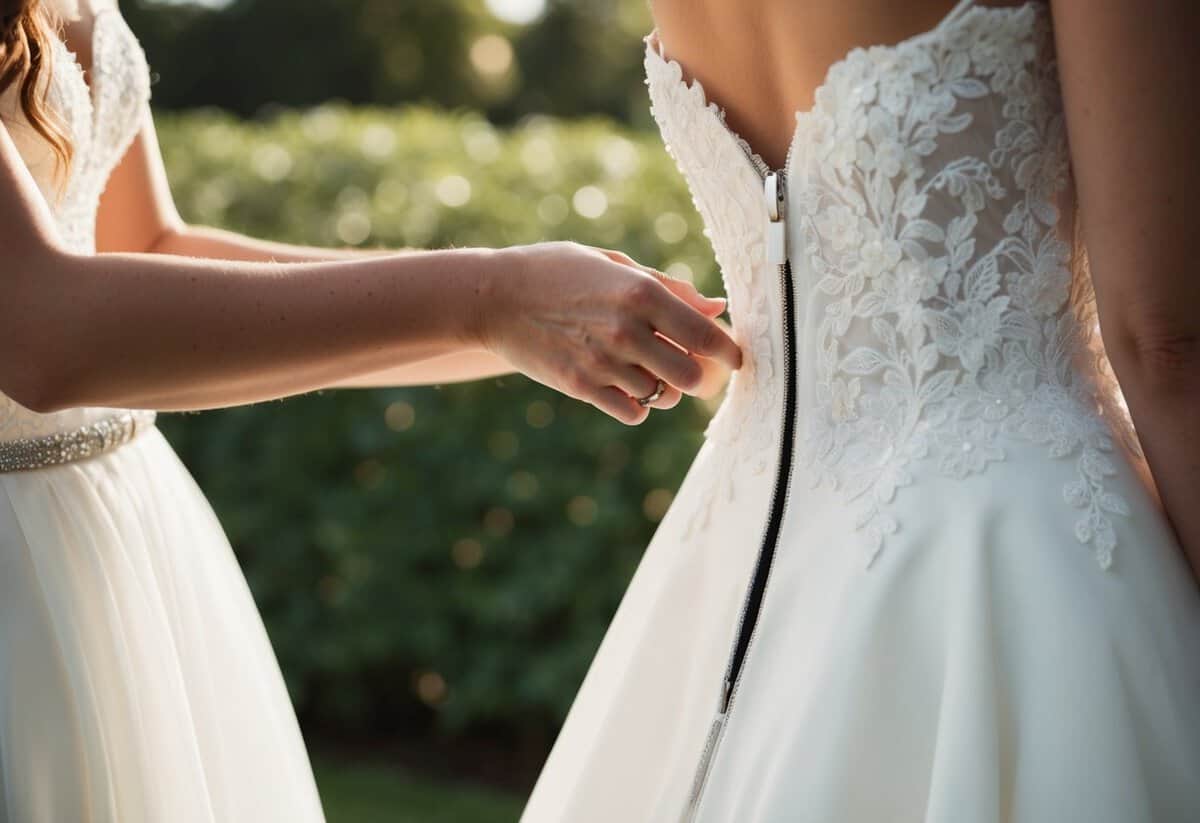
A well-planned wedding day timeline can ensure everything runs smoothly. Knowing what to expect during the morning preparations, getting ready activities, and how to coordinate your ceremony and reception is essential for a stress-free experience.
Morning Preparations
Start your wedding day early, allowing ample time for the bride and her party to get ready. Begin with hair and makeup appointments, which should ideally be scheduled for at least four hours before the ceremony.
- Assign Roles: Designate someone to help manage the timeline, whether it’s a wedding planner or a trusted friend.
- Breakfast and Hydration: Don’t forget to eat and stay hydrated. You’ll want energy for this busy day!
- Outfit Ready: Lay out your dress, veil, and accessories the night before to avoid last-minute scrambling.
These preparations set a positive tone for your day.
Getting Ready Activities
Getting ready involves not just dressing but also connecting with your loved ones. Use this time to build excitement and capture special moments.
- Photography: Schedule your photographer to arrive early. Capture candid moments as you and your bridesmaids get dressed.
- Help from Friends: Have your bridesmaids assist with your dress and accessories, including fastening buttons or adjusting your veil.
- First Look: Consider planning a first look with your groom for beautiful wedding photos in a private moment before the ceremony.
These activities create lasting memories and enhance the overall experience.
Ceremony and Reception Coordination
After you’re dressed and ready, the focus shifts to the ceremony and reception. Timing is key for a smooth transition.
- Arrival at Venue: Make sure you and the bridal party arrive at the venue with enough time to settle in. Aim for 30 minutes before guests arrive.
- Ceremony Timing: Confirm that the ceremony starts on time. This ensures your guests are engaged and sets the right mood for the day.
- Reception Details: Keep track of the reception schedule, including speeches, first dances, and cake cutting. This will ensure everyone knows where to be and when.
Good coordination allows for seamless enjoyment of both the ceremony and reception.
Pre-Wedding Events and Support
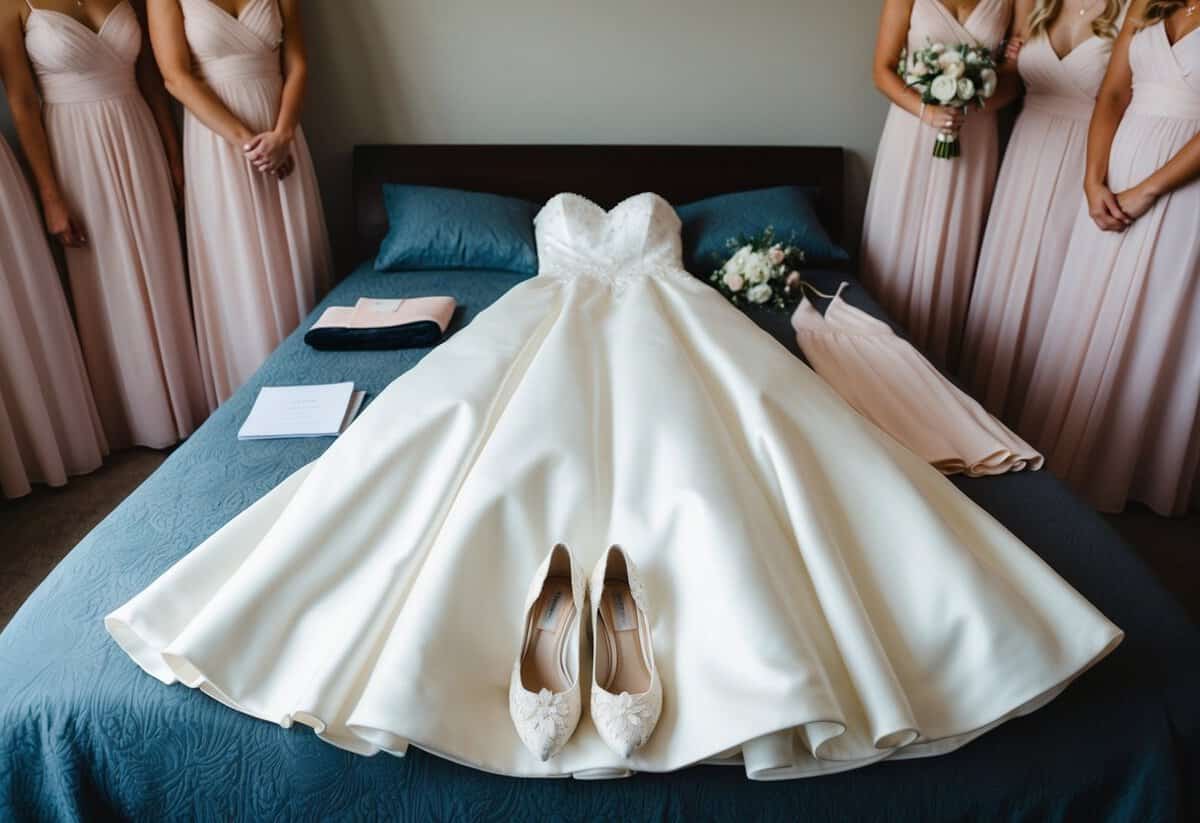
As the big day approaches, your wedding party plays a vital role in providing support through various events. From planning exciting parties to helping with dinner arrangements, these activities create lasting memories and strengthen bonds.
Planning the Bachelorette Party
Your bachelorette party is an exciting way to celebrate with your closest friends. You can brainstorm fun ideas together, like a weekend getaway, a spa day, or a themed party at home.
Make a guest list with your wedding party to invite everyone you’d like. This is a great moment for moral support and laughter, helping you unwind before your big day.
Consider setting a budget that works for everyone. If you want, you can assign different tasks to your friends for better organization.
Bridal Shower Arrangements
The bridal shower is another special event where your friends and family gather to celebrate you. Your wedding party often takes charge of the planning.
They can help create a guest list, choose a venue, and select a theme. You might enjoy a cozy get-together at home or a fancy event at a restaurant.
Games, gifts, and food will make the day memorable. With their assistance, your shower can be a beautiful reflection of your personality and style, surrounded by those who care for you.
Assistance with Rehearsal Dinner
The rehearsal dinner is essential for easing any nerves before the wedding. This event allows everyone to come together, including family and friends from both sides of the aisle.
Your wedding party can help coordinate this dinner. They can assist in selecting the venue and managing the guest list.
This is the perfect opportunity for everyone to mingle and bond.
Don’t forget to discuss your preferences for the menu and any special activities you might want. With their support, you’ll have a smooth and enjoyable evening, setting the right tone for the following day.