
Who Insisted the Word Obey Be Dropped from Her Wedding Vows? Exploring Modern Wedding Traditions
When you think about traditional wedding vows, many people recall the phrase “to love, honor, and obey.” However, this wording has changed over the years. Kate Middleton, Princess of Wales, is a notable figure who insisted that the word “obey” be dropped from her wedding vows during her marriage to Prince William.
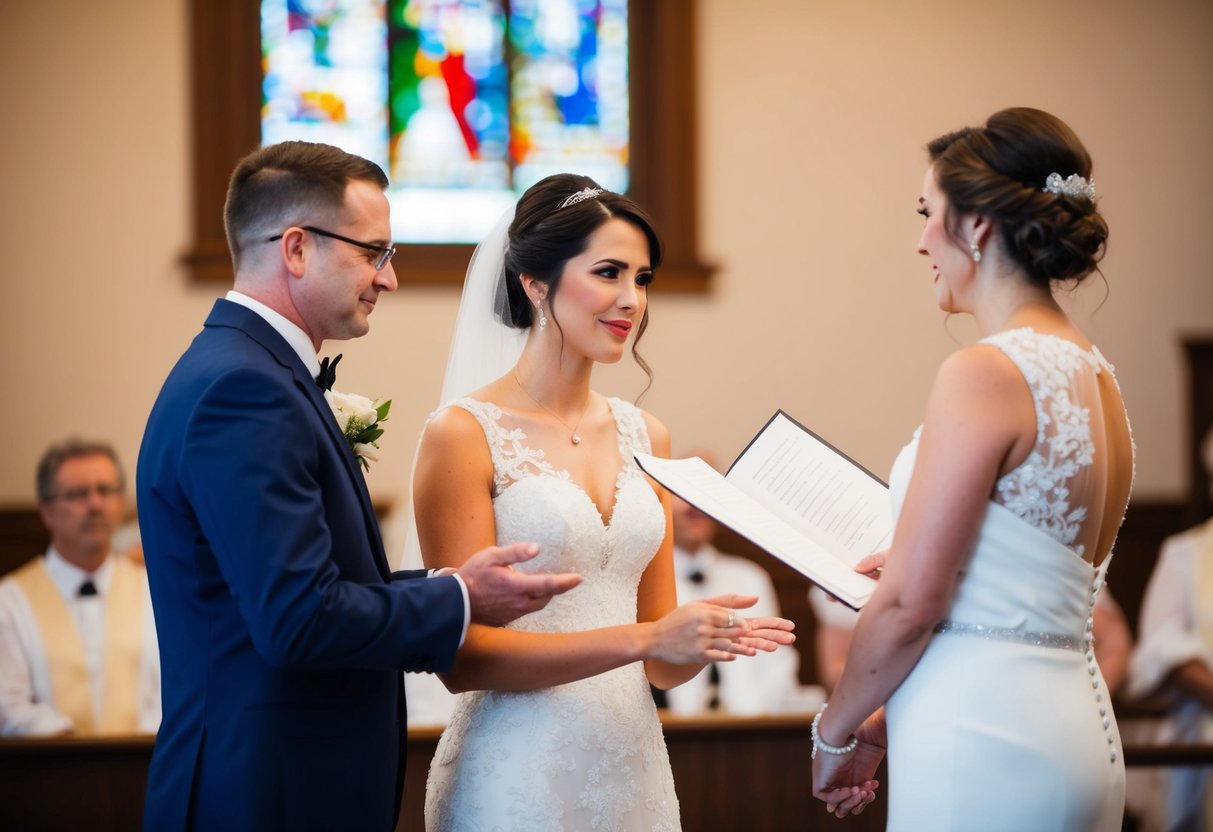
This change is part of a larger movement that reflects evolving views on marriage. Many believe that vows should represent equality and mutual respect between partners. By omitting “obey,” couples not only modernize their commitments but also align them with contemporary values of partnership.
As you explore the history and significance of this phrase in wedding vows, you’ll discover how societal shifts have influenced what people promise on their wedding day.
Historical Context of Wedding Vows
Wedding vows have deep roots in tradition and reflect the values of different religions. Understanding these customs helps you appreciate how vows have changed over time and why certain words carry significant meaning.
Church Influence on Wedding Traditions
Churches have played a crucial role in shaping wedding vows. The Church of England and the Episcopal Church, for example, have been guided by the Book of Common Prayer. Vows have evolved through various liturgical reforms, especially during the Second Vatican Council.
These reforms often aimed to enhance the personal connection between couples and the divine. For many, wedding vows became a way to express commitment, with phrases like “love, honor, and obey” being central to traditional ceremonies.
The Role of ‘Obey’ in Traditional Vows
The word “obey” has a long history in wedding vows. Originally, it emphasized a sense of duty between partners. In traditional vows, particularly in Catholic and Anglican ceremonies, it signified the bride’s commitment to support and follow her husband.
However, the meaning of “obey” has changed with societal views on marriage. Many couples no longer resonate with the hierarchy once implied by this word. The Episcopal Church officially removed “obey” from its vows in 1922, reflecting a shift towards equality.
This change marks a significant departure from the past, showing how marital commitments now emphasize mutual respect and partnership.
Changing Dynamics in Marriage Ceremonies
Marriage ceremonies have evolved significantly over time, reflecting changing societal values. The shift from traditional language to more modern expressions emphasizes equality and partnership. This change is evident in the choices couples make when exchanging vows.
Princess Diana’s Decision
Princess Diana made a notable choice during her wedding to Prince Charles in 1981. Instead of the traditional wording, including “honor and obey,” she opted for a more modern approach. This decision highlighted her belief in partnership and mutual respect within marriage.
By choosing to use “love and cherish” instead, she set a tone that resonated with many. This change symbolizes a broader acceptance of personalized vows, allowing couples to express their unique commitments. Diana’s choice encouraged others to rethink what vows represent in modern marriage.
Modern Interpretations of Equality in Vows
Today, many couples prioritize equality in their wedding vows. Traditional phrases like “honor and obey” are increasingly seen as outdated. Instead, you might see vows that emphasize partnership, commitment, and respect.
Personal preferences guide how you create your vows. Some couples craft their own to reflect shared values and beliefs. This shift showcases the importance of love and mutual respect in relationships. The focus is now on the couple’s connection rather than adhering strictly to tradition.
By customizing your vows, you not only honor your love but also recognize the evolving dynamics of marriage.
Alternative Approaches to Vows
Many couples today prefer to express their feelings and commitments in unique ways during their wedding ceremony. These alternative approaches highlight themes of mutual love, trust, and the evolution of wedding vows from traditional phrases to more personalized expressions.
Personalized Wedding Vows
Creating personalized wedding vows allows you to express your love and commitment in your own words. This approach reflects your unique relationship and the journey you’ve shared.
You can include specific values and promises that matter to you, such as trust and communication. By doing so, you create a vow that feels genuine and relevant to your partnership.
Consider discussing shared experiences or dreams for the future. You might say something like, “I vow to support you as we chase our dreams together.” Personalized vows make the ceremony feel intimate and special, celebrating your unique bond.
Global Perspectives on Vow Exchange
Wedding vows vary greatly around the world, showcasing diverse cultural beliefs about commitment and love. In some cultures, vows emphasize family connections, while others focus on the couple as equal partners.
For example, Indian weddings often include promises that honor the couple’s responsibilities to each other and their families. Similarly, many Western vows now focus on equality, expressing mutual support.
You might encounter phrases like “love, honor, and cherish,” which emphasize the importance of respect and partnership. Understanding these perspectives can help you find inspiration for your own vows and create a ceremony that resonates with your values.