
Who Is Best to Officiate a Wedding? A Guide to Choosing the Right Person for Your Special Day
Choosing the right person to officiate your wedding is crucial for setting the tone of your special day. The best officiant for your wedding depends on your personal style, beliefs, and what feels right for you as a couple. Whether you prefer a religious leader, a close friend, or a professional officiant, this decision can significantly impact your ceremony.
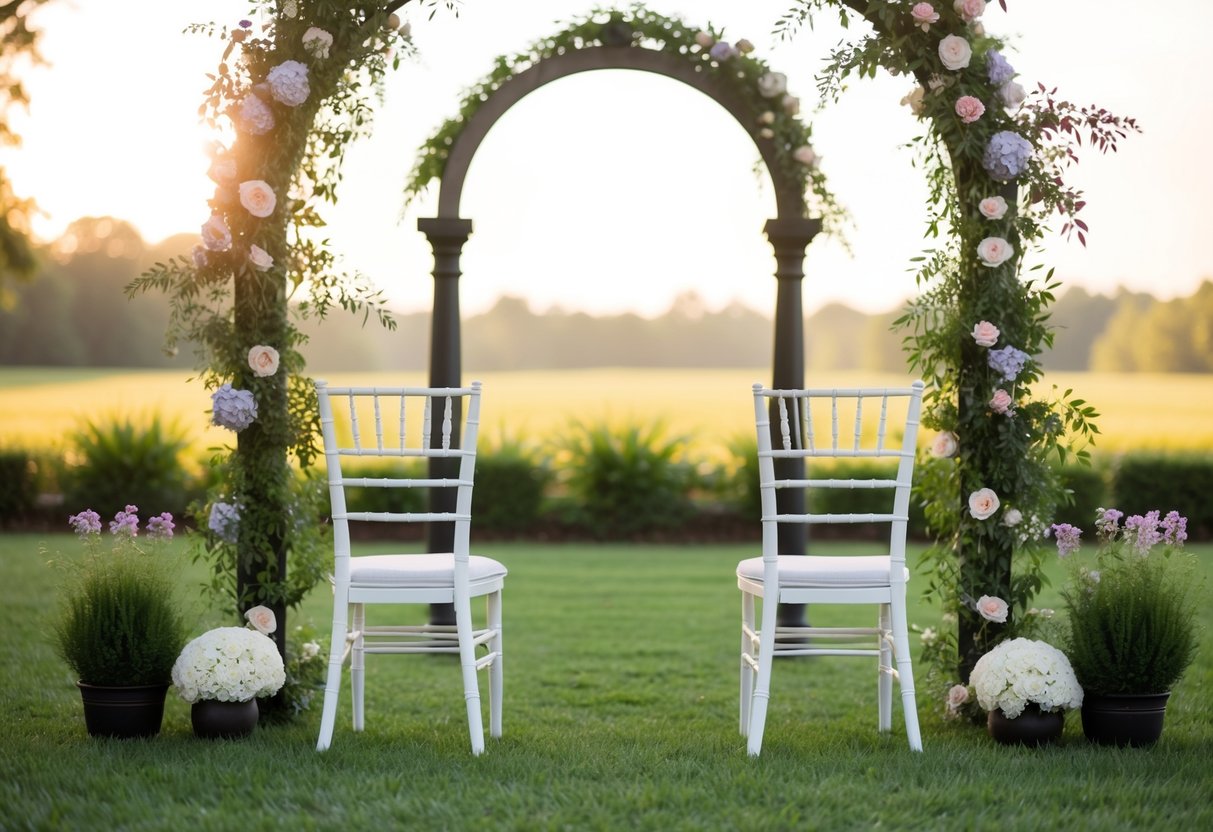
Think about the atmosphere you want to create. Do you envision a formal setting with traditional vows, or something more casual and personalized? Each type of officiant brings a unique approach to the wedding ceremony that can make your day unforgettable.
Exploring your options can lead you to the perfect fit that resonates with both of you.
As you dive into this process, remember the importance of connection and comfort with your officiant. You’ll want someone who understands your vision and can convey your love story in a meaningful way. With the right choice, your wedding ceremony will reflect your relationship and celebrate your journey together.
Understanding Officiants and Wedding Ceremonies
When planning your wedding ceremony, choosing the right officiant is key. They play a vital role in making your day special and personal, ensuring everything goes smoothly. Let’s look at the types of officiants available and what their responsibilities entail.
Different Types of Wedding Officiants
You have several options when it comes to choosing an officiant for your wedding. Here are the main types:
-
Professional Officiant: These individuals specialize in officiating weddings. They are often experienced and can help create a personalized ceremony script.
-
Civil Officiant: Generally, these officiants are authorized by the government to perform marriages. They focus on the legal aspects of the wedding but can also add personal touches.
-
Religious Officiant: If you want a ceremony tied closely to your faith, a religious officiant may be your best choice. Examples include priests, ministers, or rabbis.
-
Certified Celebrant: These officiants have specific training and certification. They can create a unique ceremony that reflects your values and beliefs.
You can also consider options like those from the Universal Life Church, which allows you to have a friend or family member officiate your wedding after they become ordained.
The Role of an Officiant
The officiant’s responsibilities go beyond just leading the ceremony. They play a crucial role throughout the planning stages and on the wedding day.
-
Pre-Ceremony Planning: Your officiant will likely meet with you several times before the wedding. This helps them understand your vision and gather details for the ceremony script.
-
Writing the Script: A key part of their job is crafting a ceremony outline. This includes deciding on readings, personal vows, and any rituals you wish to include.
-
Leading the Ceremony: On your wedding day, the officiant guides everyone through the ceremony. They ensure that the vows and ring exchange flow smoothly.
-
Legal Responsibilities: After the ceremony, the officiant signs the marriage license. They also handle its filing with the local government.
Legal and Certification Considerations
Choosing the right officiant involves understanding their legal status and the necessary certifications. This ensures that your wedding ceremony meets all required legal standards.
Ordination and Legal Authority to Officiate
To officiate a wedding, the person must have legal authority. This often comes from being ordained through a recognized organization. Many couples choose to have a friend or family member officiate and get them ordained online.
One popular option is the Universal Life Church, which allows anyone to get ordained quickly. In some cases, people may also obtain a one-day marriage designation if they are not permanently ordained.
It’s essential to check the specific laws in your state or county. Each location has its own requirements, so make sure your chosen officiant meets them to ensure everything is valid.
Marriage License and Certificate
Before your ceremony can take place, you and your partner need to obtain a marriage license. This license is a legal document allowing you to wed and usually requires both parties to provide identification and other information.
After the ceremony, the officiant must sign the marriage certificate, which is filed with the local government. The marriage certificate is proof of your union and may be needed for various legal matters.
Make certain that your officiant knows how to properly complete and submit this document. Proper handling of the marriage license and certificate is critical for the legality of your marriage.
Planning the Ceremony
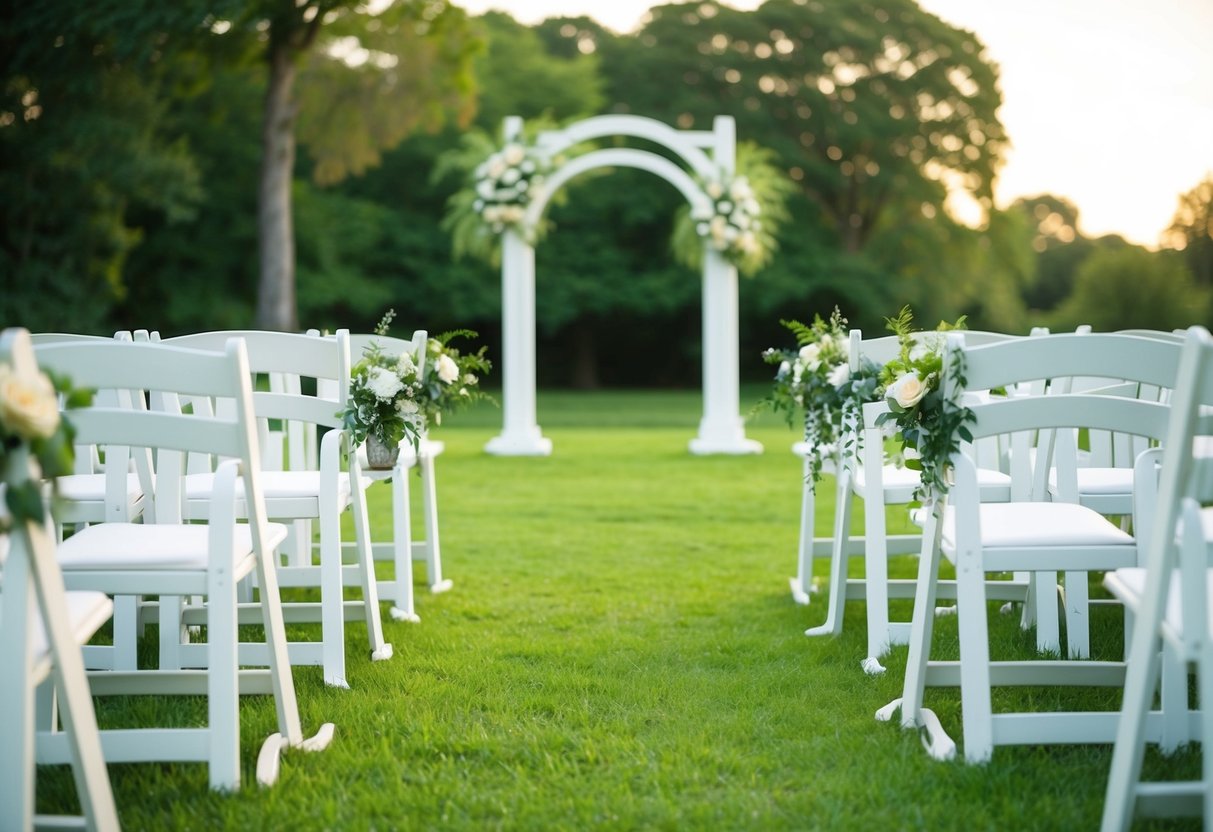
Planning the ceremony is an important part of officiating a wedding. You want to create a memorable experience that reflects the couple’s love and values. This involves crafting a meaningful script and adding personal touches for the guests to enjoy.
Creating a Meaningful Wedding Ceremony Script
Crafting the wedding ceremony script is a key task. Start with a ceremony outline that includes components like the opening remarks, exchange of vows, and final pronouncement. This helps you keep the flow organized.
Make sure to include the couple’s stories and values. Use their wedding vows that they’ve written for a personal touch. Aim for a tone that resonates with them, whether it’s serious, light-hearted, or a blend of both.
Don’t forget to practice delivering the script. Eye contact with the couple and guests will make the ceremony feel more intimate. A well-prepared officiant can keep the mood joyful and relaxed.
Incorporating Personal Touches
Adding personal touches enhances the ceremony experience. Talk to the couple about their journey together. You can include special readings, songs, or traditions that resonate with their relationship.
Consider including family or friend contributions, such as a message or honoring loved ones who can’t attend. This creates a more inclusive environment for the wedding guests.
Use anecdotes or memories that highlight the couple’s bond. Personal elements make the ceremony feel special and engaging. They will keep everyone connected during the marriage ceremony, enhancing the emotional impact for both the couple and their guests.
Budget and Officiant Fees
Your wedding budget plays a big role in choosing an officiant. First, establish how much you can allocate for this part of your wedding. Fees can range from $200 to over $1,000 based on the officiant’s experience and services.
Consider what’s included:
- Rehearsal attendance
- Personalized ceremony writing
- Travel costs
Professional officiants may charge higher fees for customized services. If you prefer a simple ceremony, a civil wedding officiant might be more affordable. Always ask for a detailed quote and make sure you understand what you’d receive for the price to avoid surprises later.