
Who Is Invited to Rehearsal? A Guide for Participants and Organizers
When planning your rehearsal dinner, it’s essential to know who should be invited to create an intimate and enjoyable atmosphere. Typically, you should invite your immediate family, the entire wedding party, and any special guests who will be part of the rehearsal events. This gathering is not just a dinner; it’s a chance for everyone to bond before the big day and ensure everyone feels comfortable.
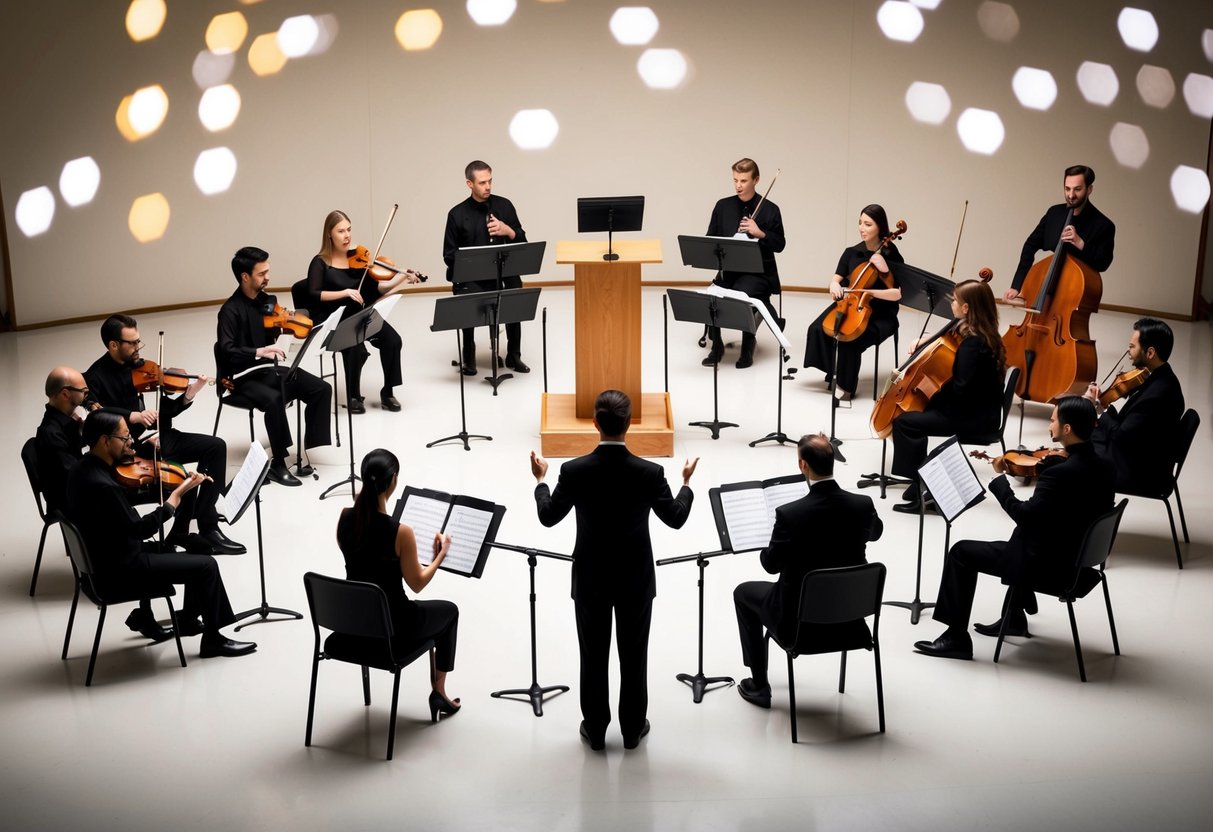
As the wedding day approaches, the rehearsal serves as a key moment for practice, so it’s important that those involved in the ceremony are present. This usually includes your officiant, readers, and parents, along with the bridesmaids and groomsmen.
Remember, the rehearsal dinner can be a wonderful pre-wedding celebration, allowing you to share laughs and good food with your closest friends and family.
Deciding the guest list might feel overwhelming, but keeping it to those actively involved in the wedding will help keep the event focused and special. Engaging your loved ones in this way builds excitement and strengthens connections before you say “I do.”
Determining the Guest List
Creating a guest list for your rehearsal dinner involves careful thought. You want to include key people who will be part of your wedding while keeping it manageable. Here’s how to break it down into core and extended attendees.
Core Attendees
The core attendees are the most important guests for your rehearsal dinner. This group includes your immediate family, wedding party members, and any officiant involved in the ceremony.
- Immediate Family: This typically means your parents and siblings. Their presence is crucial for support and unity.
- Wedding Party Members: Include your best man, maid of honor, and bridesmaids and groomsmen. They’ve been part of your wedding journey and should be included.
- Officiant: Make sure to invite your officiant along with their spouse if they are married. This acknowledges their role in your ceremony.
Including these core guests ensures that you have the essential people around you during this special time.
Extended Attendees
In addition to your core group, consider who falls into the extended attendees category. This can add warmth to the occasion while keeping things intimate.
- Close Friends: Invite friends who are integral to your life. Their support means a lot as you prepare for the big day.
- Aunts and Uncles: Depending on your relationship, inviting a few aunts and uncles can be a nice touch. They often enjoy being part of family gatherings.
- Grandparents: If they’re able to attend, including grandparents brings generations together.
- Close Extended Family: Think about inviting cousins or other relatives who are close to you. Their presence can enhance your celebrations.
- Plus-Ones: Consider allowing wedding party members and close friends to bring a plus-one. This adds to the joyful atmosphere of the dinner.
Balancing core and extended attendees will help create a memorable evening leading up to your wedding day.
Invitations and Etiquette
When planning your rehearsal dinner, sending the right invitations and following etiquette is key. You want to ensure that everyone important is included while making the process smooth and enjoyable.
Rehearsal Dinner Invitations
You should aim to send out your rehearsal dinner invitations at least four to six weeks before the wedding. This gives everyone enough time to RSVP and make travel plans if needed.
Most couples choose to send a casual email or digital invite since the guest list is typically smaller. You might include the date, time, location, and any special instructions.
Make sure to clearly state who is invited. Usually, all members of the wedding party, immediate families, and important figures like the officiant should be included. You can find more about who to invite from The Knot.
Plus-One Protocols
Deciding on plus-ones can be tricky, but it’s important to make sure everyone feels included.
The general rule is to allow plus-ones for guests who are in committed relationships. This includes partners and spouses, but not casual dates.
For the wedding party, you should typically allow each member to bring a guest. This helps everyone feel more comfortable and included.
If you have a smaller guest list, consider whether a plus-one is necessary. If budget or venue size is a concern, you can politely indicate that plus-ones may not be included for everyone. Clear communication is important to avoid hurt feelings. For more about rehearsal dinner etiquette, check out Brides.
Planning for Out-Of-Town Guests

When planning a wedding, it’s important to ensure that your out-of-town guests feel welcome and accommodated. Think about their travel experience and how you can make the wedding weekend enjoyable for them. Provide clear information about stay options and activities to make their trip memorable.
Accommodations and Welcome Party
First, make arrangements for accommodations. Consider booking a block of rooms at a nearby hotel to help your guests find convenient lodging. This can often lead to discounted rates and ensures everyone is close to the wedding venue.
A welcome party can be a great way to greet your out-of-town guests. This event can take place the night before the rehearsal dinner. It gives everyone a chance to meet and mingle in a relaxed setting. You can include informal activities like games or a casual buffet.
Don’t forget to communicate all the details regarding accommodations and the welcome party through your wedding website or invitations. Sharing this information early allows guests to plan accordingly.
Transportation and Itinerary
Providing transportation options is key, especially for out-of-town guests who may not be familiar with the area.
If your wedding is a destination wedding, consider arranging shuttles for guests from the hotel to the venue. This helps simplify their travel and relieves any stress.
Create a clear itinerary for your wedding weekend. Include important events such as the rehearsal dinner, welcome party, and wedding ceremony. Share this itinerary ahead of time so guests know what to expect.
You may also want to highlight local attractions for guests to explore during their stay. This can enhance their experience and give them reasons to enjoy the weekend beyond the wedding events.
Keep the information accessible and organized to ensure your guests have everything they need for a fantastic experience.
Budgeting and Final Preparations
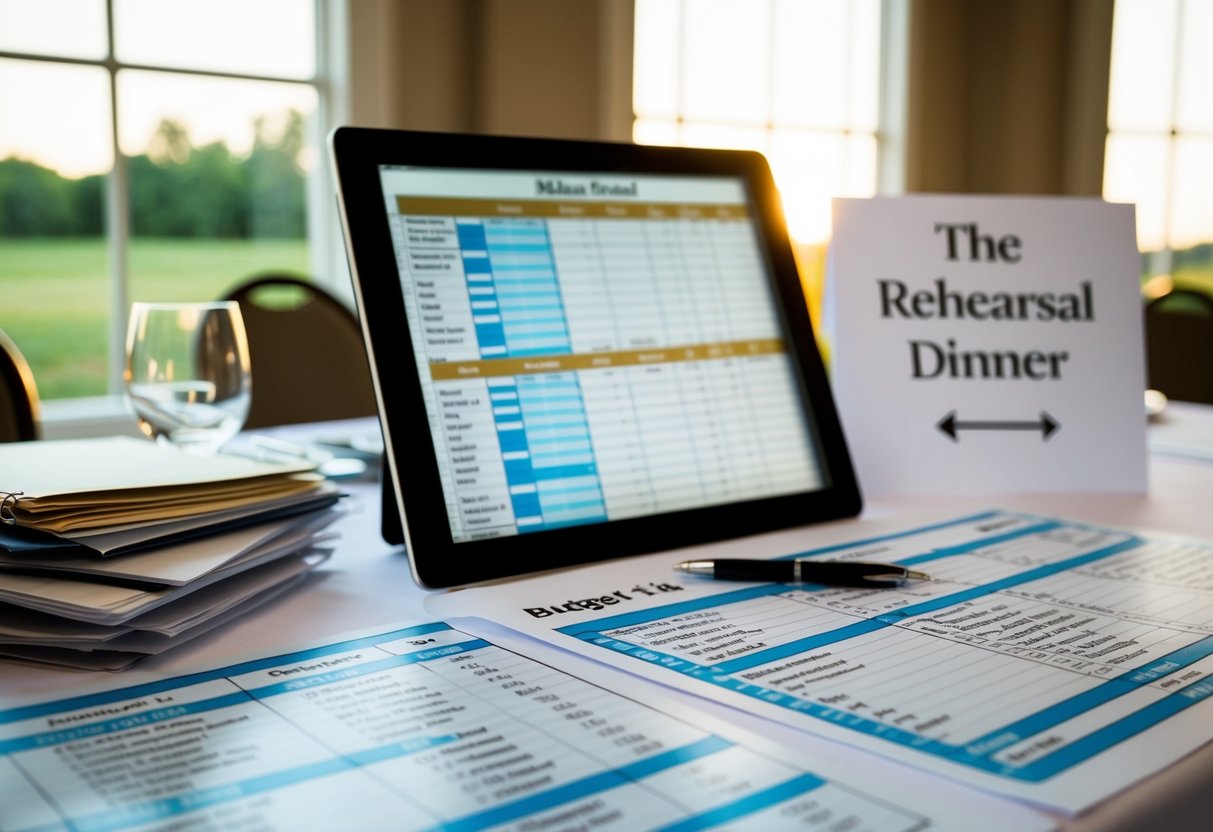
Planning a rehearsal dinner involves careful budgeting and attention to last-minute details. These steps help ensure everything goes smoothly as you get ready for your big day.
Budget Considerations
Start by setting a clear budget for the rehearsal dinner. Consider costs for the venue, food, drinks, and decorations. Typically, restaurants charge around $75-$85 per person.
Make a list of all potential expenses. This can include:
- Venue rental fees
- Catering costs
- Rentals for tableware
- Decorations
If your budget allows, think about inviting extended family and close friends. This can create a more inclusive atmosphere and make for heartfelt rehearsal dinner toasts that everyone will cherish.
Last-Minute Details
As the date approaches, focus on those final details. Make sure you confirm your guest list to ensure you account for all RSVP responses.
Prepare your rehearsal dinner toasts in advance. Keep it light and heartfelt, allowing your loved ones to express their feelings.
A week before, check on the menu and confirm any dietary restrictions. Also, consider small touches, like name cards or a list of fun activities. A good plan will create a relaxed vibe, allowing you and your guests to enjoy the evening.