
Who is Normally Invited to a Wedding? Understanding Your Guest List Options
When planning a wedding, knowing who to invite can feel overwhelming. Typically, you will invite close family, friends, and members of the wedding party. This group often includes parents, siblings, best friends, and anyone you want by your side on your special day.
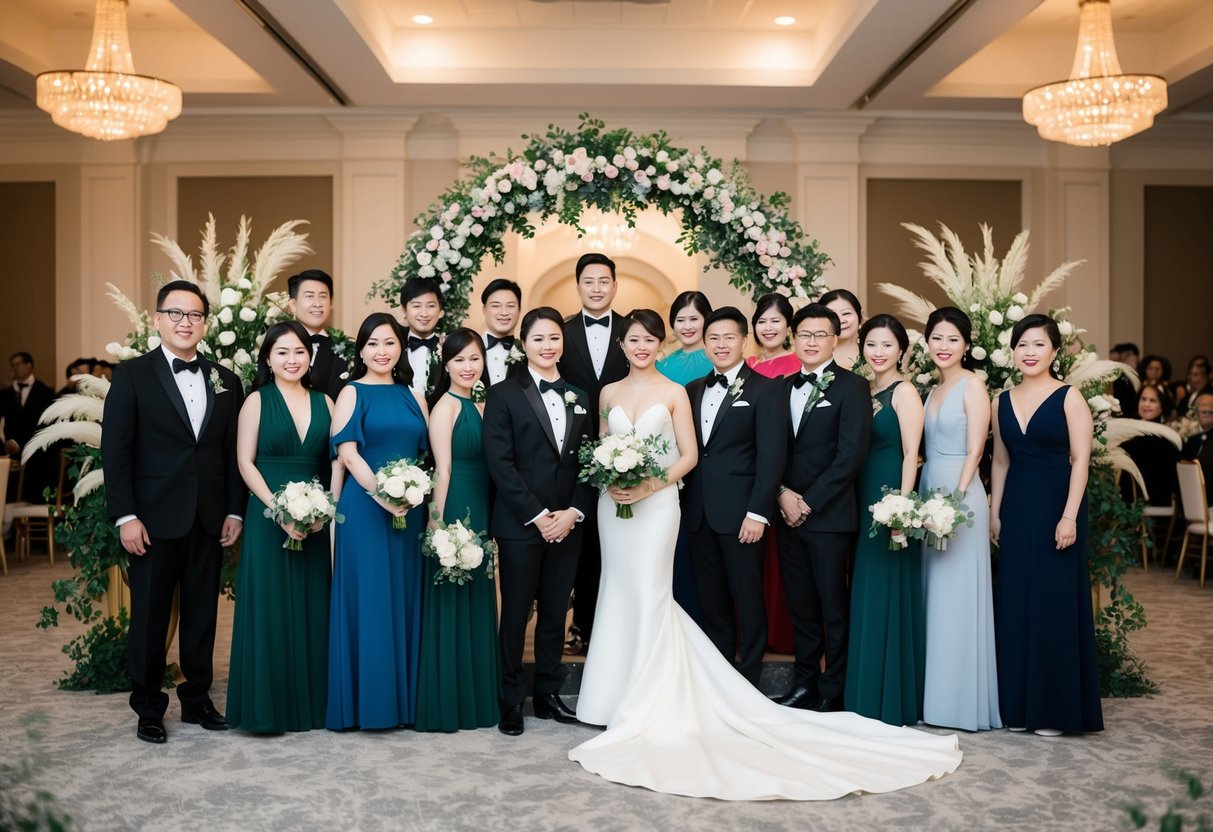
Apart from the main guests, there are others like coworkers and distant relatives who may also be included, depending on your relationship and budget.
Some couples choose to keep it intimate with only close friends and family, while others go for a larger celebration.
Understanding the common practices for wedding invitations can help you create a guest list that feels right for you. As you think about who to invite, consider the people who matter most in your life.
Creating Your Wedding Guest List
Creating a wedding guest list involves careful thought about who will be part of your special day. It is essential to include key people who matter most to you while considering your wedding budget and venue capacity.
Immediate Family and Close Family Members
Your immediate family is the first group to invite to your wedding. This usually includes parents, siblings, and their partners. They are often your biggest supporters and will want to celebrate this milestone with you.
Next, consider close family members like grandparents, aunts, uncles, and cousins. Including them can strengthen family bonds and make your day even more meaningful. If someone has recently passed away, consider how this might affect your family dynamics when planning your guest list.
Best Friends and Close Friends
Your best friends should also be high on your guest list. They likely know you well and have shared many important moments with you. Think about your closest friends and who truly supports you.
When making decisions, consider their relationship with your partner too. A shared history helps create a warm atmosphere at your wedding.
If you have a large friend group, choose those who have stayed in touch and uplift your spirits regularly. This way, your day feels intimate and joyful.
Extended Family and Distant Relatives
Extended family members also play a role in your guest list. This group can include distant cousins, second cousins, and family friends. Weigh the depth of your connection with these relatives.
If you maintain regular contact with them, consider inviting them as well. Be mindful of your wedding budget and venue capacity when including these guests. You can also decide whether to send a wedding invitation by considering family dynamics.
Work Colleagues and Acquaintances
Deciding whether to invite work colleagues depends on your relationship with them. If you have close friendships at work, it may make sense to include them. However, aim for a balance between professional and personal.
You don’t need to invite every person you work with unless you feel strongly about it. Consider whether your relationship with these colleagues brings you joy.
Remember that including too many acquaintances can stretch your wedding budget and limit your venue capacity.
Important Considerations for Invitations
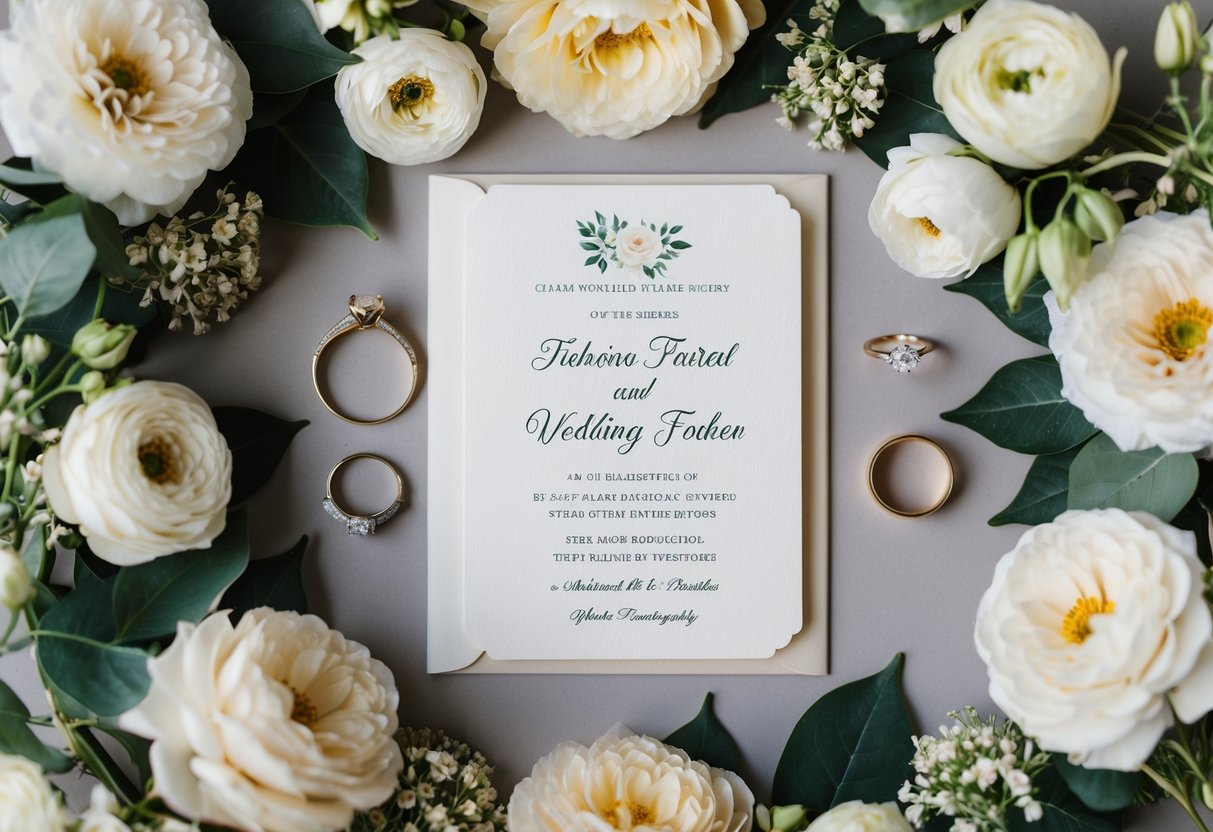
When planning your wedding invitations, there are several key factors to keep in mind. It’s vital to think carefully about your guest list, especially regarding plus-ones, out-of-town guests, and your venue’s capacity.
Plus-Ones and Relationship Status
Deciding who gets a plus-one can be tricky. Typically, close friends and partners of your guests should be included. You don’t want anyone to feel left out, especially if they’re in a relationship.
Consider your guests’ feelings and relationships when you make this decision.
For example, if a friend is dating someone long-term, it’s considerate to invite their partner. Making a list of everyone’s relationship status can help you decide fairly.
Out-of-Town Guests and Accommodations
Inviting out-of-town guests can add joy to your special day. Many couples choose to invite friends and family who may need to travel.
To make their experience enjoyable, consider providing information about nearby accommodations. You can suggest hotels or rental options.
You might even arrange group rates or a block of rooms at a hotel. This way, guests can stay close to the venue and enjoy their time without stress.
Venue Capacity and Guest Comfort
Your venue’s capacity is a significant factor in deciding your guest list. Always check how many guests your venue can comfortably accommodate.
It’s essential to prioritize guest comfort, which means not overcrowding the space. Leave room for movement and mingling.
Also, think about seating arrangements and logistics. Ensuring everyone has a comfortable spot will enhance the overall experience.
Balancing your ideal guest list with venue limits will require careful planning, but it’s crucial for a successful event.
Special Wedding Celebrations and Events
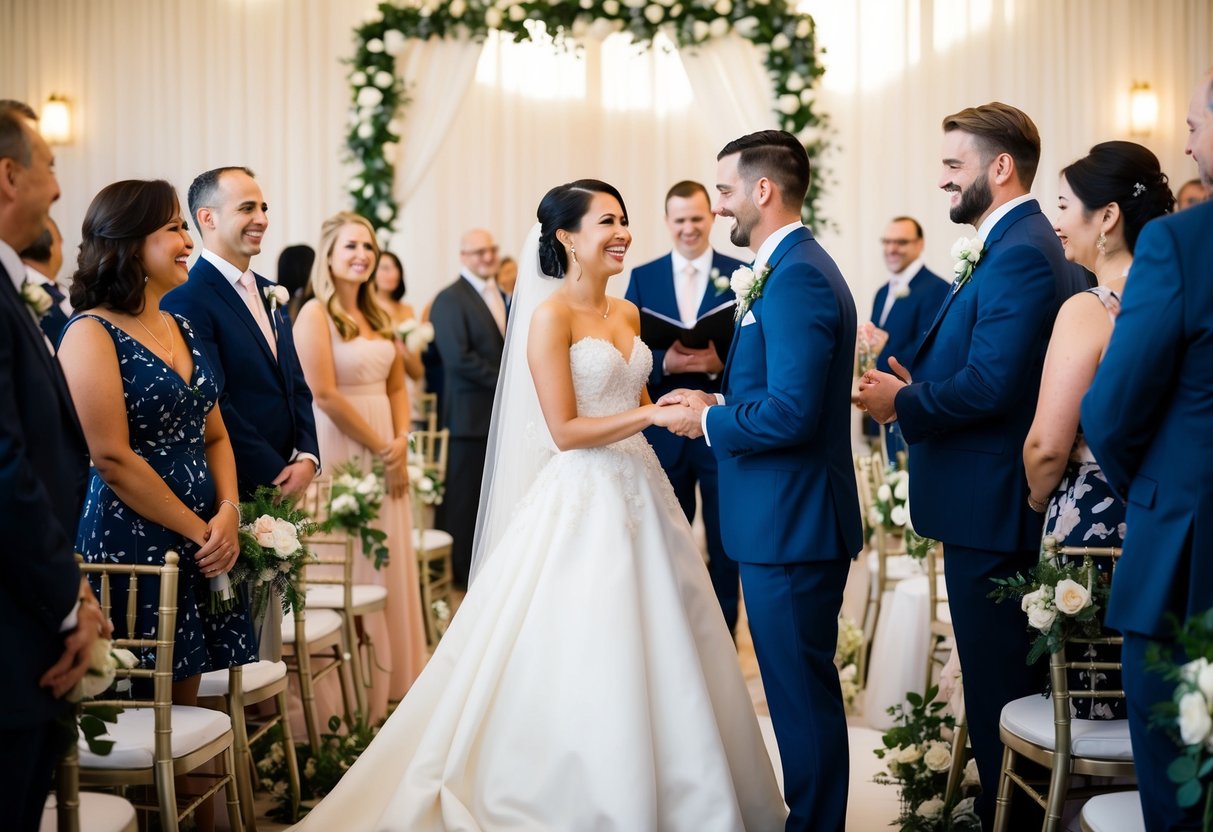
Wedding celebrations often include various special events that bring friends and family together before and after the big day. Each occasion has its own purpose and invites a specific group of people, making your wedding journey even more memorable.
Engagement Party and Bridal Shower
The engagement party is typically the first celebration you’ll have. This event happens soon after you get engaged and often includes family and close friends. It’s a great way to share your excitement and start planning for the wedding.
The bridal shower usually takes place a few weeks or months before the wedding. Traditionally, this event is hosted by your bridal party or close friends.
Guests typically include women who are important to you, such as family and friends. Activities often involve games, gift giving, and celebrating you as the bride. This creates a fun, supportive atmosphere leading up to the wedding day.
Bachelorette Party and Rehearsal Dinner
The bachelorette party is a celebration for you and your closest friends before you say “I do.” This event is often organized by your maid of honor and allows you to bond with your friends.
Expect fun activities like going out, having a spa day, or trying a new adventure together.
The rehearsal dinner takes place after the wedding rehearsal. This dinner allows both families to meet and enjoy a meal together.
It typically includes your wedding party and close family members. The rehearsal dinner sets the right tone for the following day and is a chance to relax and celebrate before the festivities begin.
Wedding Ceremony and Reception
The wedding ceremony is the main event where you and your partner exchange vows. You’ll want to invite family, close friends, and anyone who holds significant meaning in your life. This creates a loving environment as you begin your life together.
After the ceremony, the reception follows. Here, the celebration continues with food, drinks, and dancing.
You should invite everyone who attended the ceremony, along with other important people in your life. A good mix of guests ensures a lively atmosphere as everyone comes together to celebrate your union.
Welcome Party and Post-Wedding Events
The welcome party is often hosted before the wedding day to greet out-of-town guests. This gathering offers a relaxed setting for family and friends to mingle. It’s a great way to kick off the festivities and make everyone feel included.
After the wedding, there may be post-wedding events such as brunch or thank-you gatherings. These events provide a chance to reconnect with friends and family in a more casual setting. Inviting key guests from your wedding celebration shows your appreciation for their presence during such a special time.