
Who Is on the Top Table at a Wedding? Understanding the Key Roles and Seating Arrangements
When planning your wedding, one important detail to consider is who will sit at the top table. The top table includes the bride and groom, along with their parents. This makes it a special place for family and close friends. This main table often takes center stage during the reception, allowing your loved ones to share in your joy as you celebrate this memorable day together.
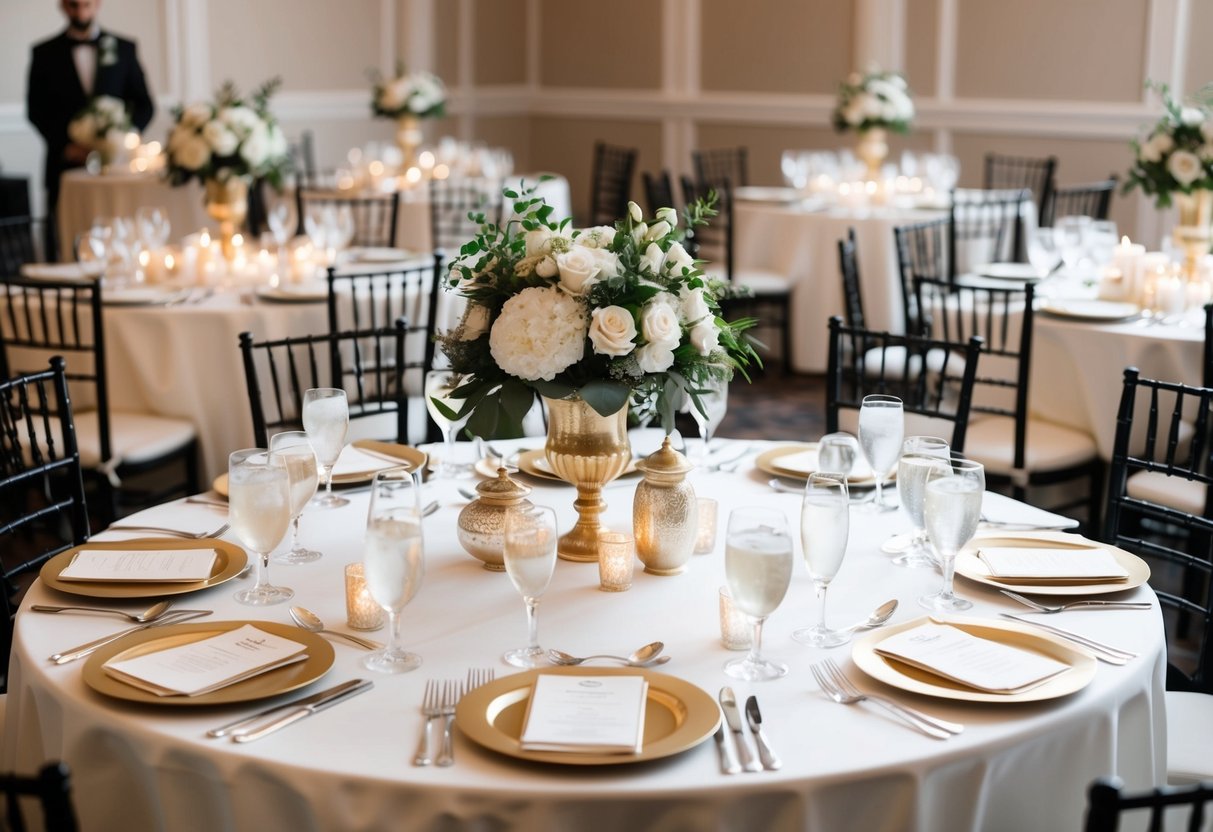
Some couples choose a sweetheart table for just the two of you, while others prefer the traditional setup with the wedding party close by. This choice can affect your overall reception atmosphere, so think about what feels right for you. If you want to acknowledge your parents or best friends, including them at the top table can help create meaningful moments throughout your special day.
No matter how you decide to arrange the top table, understanding these roles will help you with your wedding planning. Make sure that you feel comfortable with the arrangement, so your focus can be on enjoying every moment of this unforgettable occasion.
The Significance of the Top Table
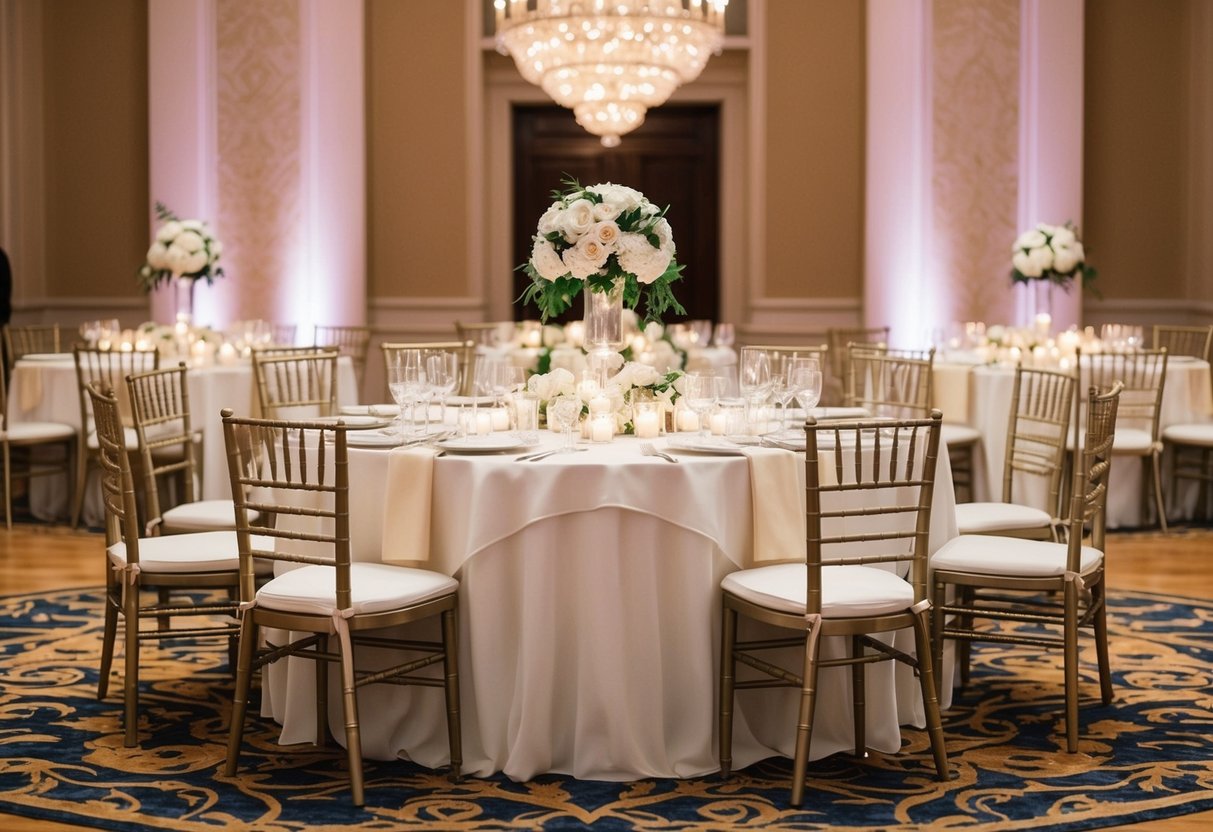
The top table plays a vital role in your wedding. It represents the couple’s relationship with their loved ones and sets the tone for the celebration. Understanding its significance can help you make informed choices about who to include and how to arrange this important space.
Understanding the Top Table
The top table is where you and your partner will sit during the reception. This table typically features you, your parents, and sometimes other close family members. It’s positioned prominently so guests can easily see you.
Traditionally, the arrangement includes the bride and groom at the center, with parents on either side. In some cases, couples choose a sweetheart table, which is just for the two of you. This offers a more intimate setting. If you opt for a head table, it can include the entire wedding party, allowing all your closest friends to share the spotlight with you.
Tradition vs. Modern Interpretations
Tradition plays a big part in deciding who sits at the top table. Many follow the long-standing practice of including the bride and groom, parents, and best man and maid of honor.
However, modern interpretations allow for more flexibility. For example, you might want to include siblings or other important friends. You could also create a more casual vibe by opting for a sweetheart table, focusing solely on you and your partner.
Your family dynamics can influence this choice. Some families may prefer a traditional setting, while others may embrace a more relaxed approach. Deciding what feels right for you and your loved ones is key.
Designing Your Top Table
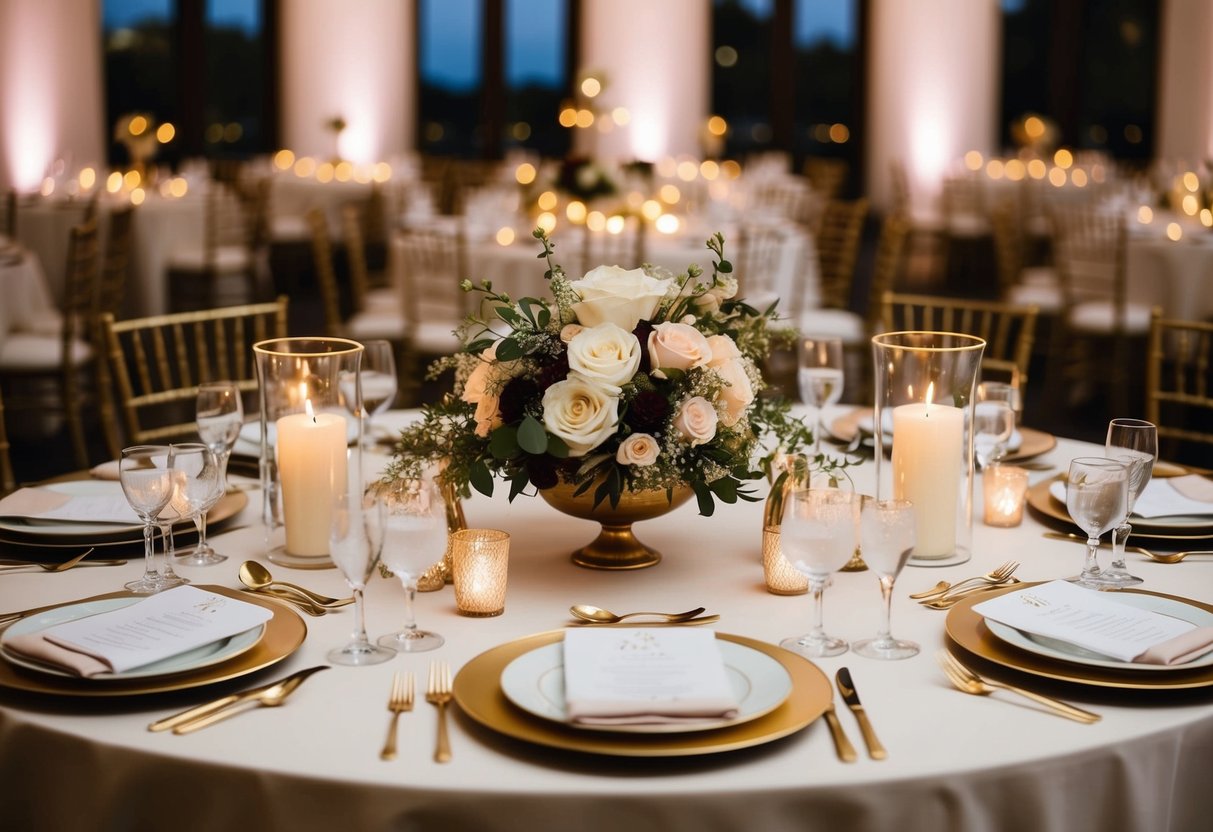
Creating the perfect top table for your wedding is essential for setting the right tone. You want it to reflect your style and include the important people in your life. Let’s explore different layouts, seating arrangements, and ways to incorporate family members.
Top Table Layout Options
There are several layouts to consider for your top table. The most traditional option features a long top table, where you and your groom sit with your parents. This layout emphasizes family and connection.
Alternatively, a round top table can create a more intimate atmosphere. It allows everyone to see each other easily, enhancing conversation. If you have a larger wedding party, you might allocate a separate long table for them while keeping your top table for just immediate family.
Seating Arrangements & Etiquette
When arranging seating, think about dynamics and comfort. Place the bride and groom front and center, as they are the stars of the day. Next to them, you can have the parents or closest family members, depending on your family structure.
If step-parents are involved, ensure they feel included. You can seat them on either side of the couple or consider creating an additional table for them. Avoid awkwardness by maintaining a good balance and being mindful of relationships.
Incorporating Family Members
Deciding who sits at the top table involves considering family roles and connections. Beyond parents, think about including siblings and any special family members who played a significant role in your journey as a couple.
If you want to break tradition, invite your whole wedding party to join you at the top table. This choice makes your celebration feel more like a party and emphasizes your friendships. Be sure to communicate with everyone involved to keep feelings positive and ensure everyone knows their spot.
Top Table Logistics
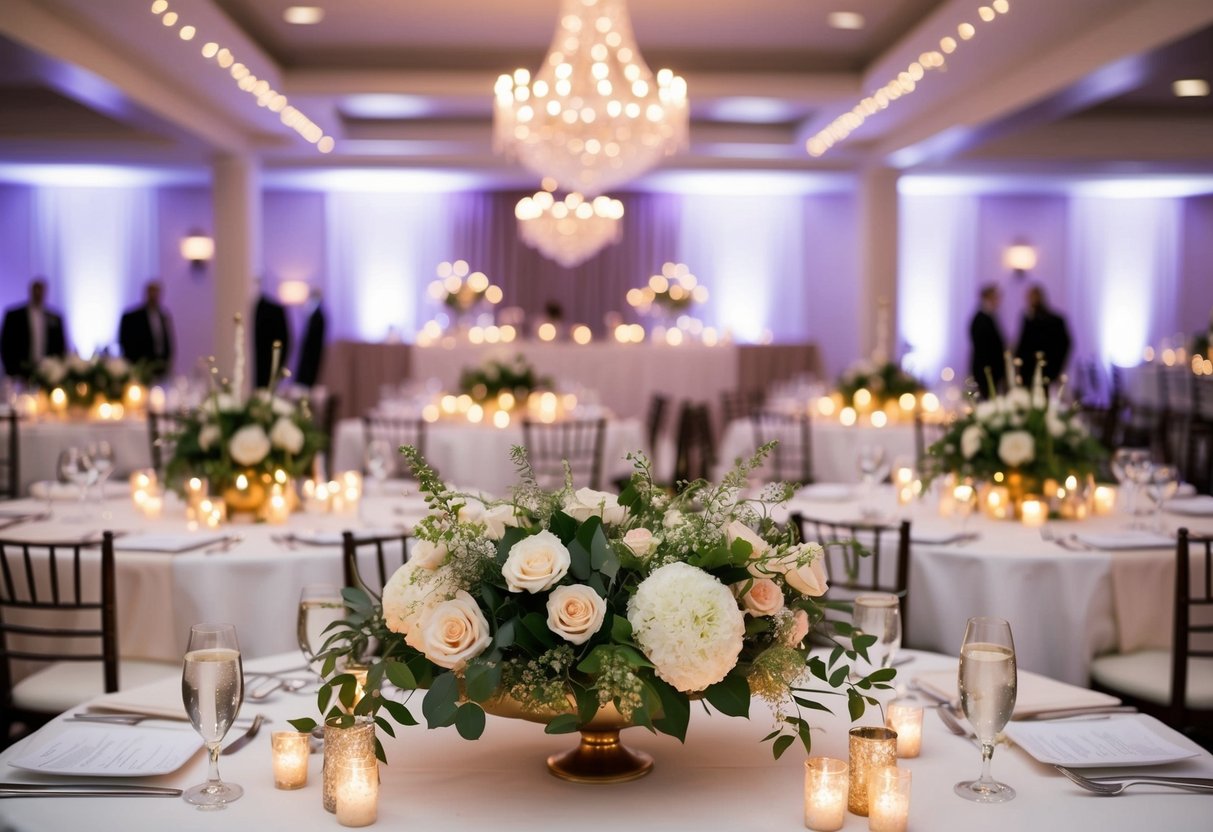
Planning the top table is an important part of the wedding reception. It involves organizing the guest list, addressing family dynamics, and managing seating plan stress. Each step is essential to ensure a smooth and enjoyable experience for everyone.
Managing the Guest List
Creating your guest list can feel overwhelming. Start by identifying who will sit at the top table. Typically, this includes the bride and groom, their parents, and the best man and maid of honour.
Consider adding close family members or key friends if there’s room. Make sure to communicate clearly with loved ones about the seating plan. To avoid tension, discuss any specific requests or preferences in advance.
You might want to create a simple table that lists all the guests and their relationships to the couple. This can help simplify the process.
Navigating Family Dynamics
When it comes to family, things can get complicated. You might face different dynamics that impact seating arrangements. For example, divorced parents or stepfamilies may require sensitive handling.
It’s crucial to talk with your families early in the planning process. Share your vision for the top table and gather their input. This open communication can help lessen any potential stress.
In some cases, you might choose to sit certain family members at a different table. Make sure to balance feelings while prioritizing everyone’s comfort during the reception.
Addressing Seating Plan Stress
The seating plan can be a major source of stress when planning a wedding. You want everyone, including your bridal party, to feel comfortable.
Begin by considering the relationships between guests. Keep friends and family together, but avoid any known tensions.
Using software or seating chart apps can make this easier. Visualizing your plan on paper or digital formats can help you make adjustments quickly. Don’t hesitate to get help from your wedding planner or trusted friends.
Special Moments at the Top Table
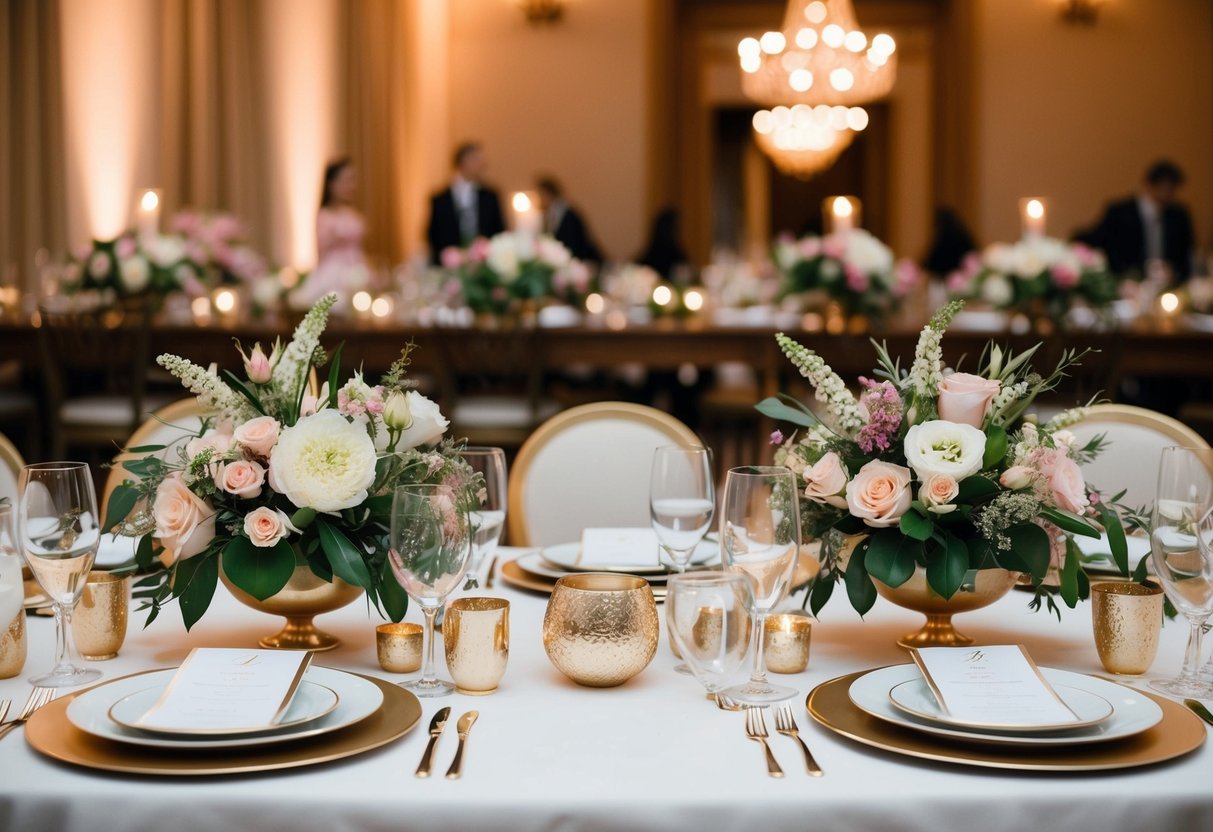
At the top table, you share crucial moments that add to the joy of your special day. This is where speeches create lasting memories and the dining experience shines, making your wedding breakfast unforgettable.
Speeches and Toasts
Speeches are one of the most heartfelt parts of your wedding. They allow close friends and family to share stories about you and your partner. The couple often starts with a thank-you, followed by heartfelt toasts from parents and best friends.
You can prepare ahead of time. Consider jotting down key points you’d like to include. A mix of humor and sentiment works well to keep guests engaged.
For example, you might include fun anecdotes about your relationship or what you admire about each other. Keep your speeches under five minutes to maintain everyone’s interest. This moment allows you to express gratitude and appreciation to those who have supported you along the way.
Creating an Intimate Dining Experience
Creating an intimate dining experience at the top table is essential for fostering connection. Depending on the layout, a sweetheart table can give you and your partner a cozy space to enjoy your meal together while still being close to your loved ones.
Choose a menu that reflects your tastes. This might include favorite family recipes or regional dishes.
Consider meal courses that spark conversation. For example, share a light appetizer and a unique main dish.
Thoughtful touches like personalized place settings or a small welcome card can enhance the atmosphere.
The goal is to create a warm environment where everyone feels included. Keeping the seating arrangement simple helps everyone feel connected during the wedding breakfast. This will add to the special memories you’re making with your guests.