
Who Is Supposed to Pay for Wedding Bands? A Guide for Couples
When planning your wedding, one important question often comes up: who should pay for the wedding bands? Traditionally, the bride’s family pays for the groom’s ring, while the groom pays for the bride’s bands. Yet, this can vary depending on personal choices and modern practices.
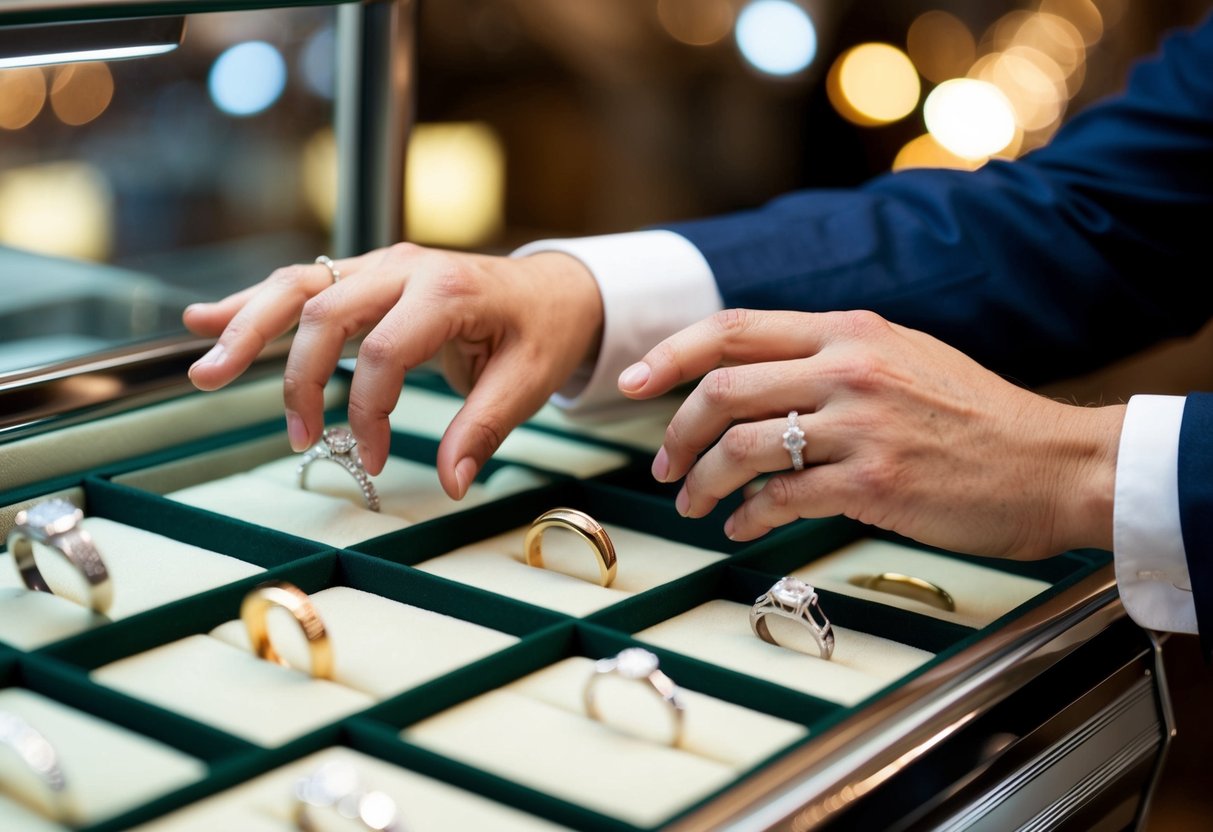
It’s common for couples to discuss finances together and decide what works best for them. Some might take turns buying each other’s rings, especially if one partner handled the cost of the engagement ring. This more modern approach can reflect the teamwork needed in a marriage.
Understanding these options can help you make decisions that align with your values as a couple. By knowing the traditions and modern practices, you can navigate this aspect of your wedding planning with confidence.
Understanding Who Buys the Wedding Bands
The question of who pays for wedding bands can vary based on tradition and personal values. Understanding these two perspectives can help you and your partner decide what works best for both of you.
Traditional Approach
Traditionally, the groom pays for the bride’s engagement ring and wedding band. Meanwhile, the bride is expected to purchase the groom’s wedding band. This arrangement has roots in older customs where weddings were often formal agreements supported by families.
In some cases, families might contribute financially to help. The average cost of wedding bands varies greatly, often ranging from $200 to $2,500, depending on materials and design. You can also see how couples might adjust these expectations based on their financial situations and preferences.
Modern Perspectives and Egalitarian Approaches
Today, many couples take a more egalitarian approach. This means that financial responsibilities are often shared or divided based on preference and communication. You might choose to split the costs of your bands, or one partner may cover each other’s bands if they bought the engagement ring.
This flexible arrangement allows couples to align their values and financial situations. It reflects a shift towards mutual decision-making and shared expenses. Open and honest discussions about money can help you both feel comfortable with your choices. By negotiating who buys what, you ensure both partners are included in this meaningful purchase.
Factors Influencing the Cost of Wedding Bands
When choosing wedding bands, several key factors affect their cost. Understanding these elements can help you make informed decisions that align with your wedding budget and personal style.
Material Choices and Their Impact on Pricing
The material you select for your wedding band significantly influences its cost. Common choices include yellow gold, white gold, rose gold, and platinum.
- Gold is a popular option, with prices varying based on purity. For example, 14K gold is less expensive than 18K gold.
- Platinum offers durability and a luxurious feel but usually comes at a higher cost due to its rarity.
- Consider gemstones as well. Bands featuring diamonds or other stones will increase the price, depending on size and quality.
Your financial situation will guide your choice of material to match both your style and budget.
Customization and Engraving Costs
Customizing your wedding band may add to the price, but it can make the piece uniquely yours. Options for customization include specific designs or adding engraving to the inside or outside of the rings.
- Simple engravings might cost around $50 to $100, while more intricate designs can be pricier.
- Depending on the jeweler, custom designs can vary in cost, sometimes reaching hundreds of dollars.
Taking time to evaluate how much customization you desire helps align with your wedding budget while ensuring your rings reflect your personalities.
Matching Bands and Symbolic Significance
Choosing matching wedding bands can also affect the overall cost. Couples often select matching styles or complementary designs to symbolize their bond.
- Matching bands can create a unified look that visually represents your relationship.
- The cost may vary depending on the complexity and materials used.
This choice resonates with many couples, as the symbolic connections enhance the meaning behind the rings. Investing in matching or complementary designs can also be a beautiful way to celebrate your commitment.
Planning and Budgeting for Wedding Band Expenses
When planning for your wedding bands, it’s vital to understand your financial situation and set realistic expectations. This ensures you stay within your budget while getting the perfect rings that match your lifestyle.
Assessing Financial Capabilities and Setting Expectations
Start by evaluating your financial situation. Consider your income, savings, and any help you might receive from family. Knowing how much you can comfortably spend will guide your choices.
Set clear expectations about the cost of wedding bands. The average wedding band can range from $200 to $2,500 depending on the metal, design, and jeweler. It’s wise to include a little extra for taxes and potential resizing.
Open communication with your partner is key here. Discuss what you both want and agree on a price range that works for you. This helps avoid misunderstandings later in the process.
Allocating Funds Within the Wedding Budget
Once you have a budget, decide how to allocate funds for wedding bands. Look at your overall wedding expenses, including venues, catering, and attire.
Make a list of all anticipated costs. Next, determine how much of your budget you can set aside specifically for wedding bands. Here’s a simple breakdown:
- Wedding Venue: 40%
- Catering: 20%
- Attire: 15%
- Wedding Bands: 3%
Adjust these percentages based on your priorities, but don’t forget to capture your rings in this picture. Planning wisely ensures everything fits within your wedding budget while allowing you to focus on creating a memorable day.
Selecting and Purchasing the Right Wedding Bands

Finding the perfect wedding bands is an exciting journey. It’s important to consider your lifestyle and preferences while also engaging with a professional jeweler to ensure quality. Here’s how to navigate this process.
Choosing Rings That Suit Your Lifestyle
Think about your daily activities when selecting your wedding bands. If you have an active lifestyle, opt for durable materials like titanium or tungsten. These metals withstand wear and tear better than softer ones.
Consider the width and design of the ring, as these can impact comfort. A narrower band may feel lighter but choose a design that reflects your style.
Don’t forget about ring size. Getting measured by a professional guarantees a good fit. You want your wedding band to be comfortable enough for everyday wear, plus it should match well with your engagement ring.
Engaging with a Professional Jeweler for Quality and Advice
Working with a professional jeweler can enhance your experience. They provide valuable insights about styles and materials that suit your preferences. Many jewelers also offer custom designs, letting you personalize your rings even more.
During your visit, feel free to ask questions about the types of metals and the differences in care. A jeweler can explain the pros and cons of each option and help you choose what works best for you.
Finally, don’t forget to discuss warranties and return policies. A reliable jeweler will offer clarity, which is crucial for your peace of mind. This way, you’re not just buying a ring; you’re investing in a piece of your story.