
Who Is Supposed to Pay for Wedding Dress? Understanding Tradition and Modern Choices
When planning your wedding, you might wonder about the costs involved, especially when it comes to the wedding dress. Traditionally, the bride’s family is expected to cover the cost of the wedding dress, but there can be many variations depending on personal circumstances and preferences. Understanding who pays for what can help you manage your wedding budget more effectively and avoid any misunderstandings.

Many modern couples are breaking away from traditional norms. You may find that brides contribute a portion of the cost themselves, or family members may share the expense. This shift often depends on factors like the couple’s age and financial situation.
Knowing who is responsible for these costs can help you plan better and alleviate any financial stress.
As you explore your options for the perfect dress, it’s important to have open conversations with your family and fiancé about budgeting. This will allow everyone to feel comfortable and included in the planning process.
Understanding Wedding Costs and Responsibilities
When planning a wedding, it’s important to know who is financially responsible for different expenses. This can help reduce stress and ensure clarity between you and your families.
Determining Who Pays for What
The costs of a wedding can add up quickly. Traditionally, the bride’s family often covers expenses like the wedding dress, flowers, and photography. On the other hand, the groom’s family might pay for the rehearsal dinner and the officiant’s fee.
In recent years, many couples pay for their own weddings. It’s common for both families to contribute financially. You should communicate openly about what each family is willing to cover. Understanding each person’s role helps keep the planning process smooth.
The Role of Wedding Etiquette
Wedding etiquette plays a crucial role in determining who pays for what. Traditionally, the bride’s family handles most costs. This includes items like the ceremony, the reception, and the invitations.
However, traditions can vary based on culture and personal preferences. Some couples choose to break from tradition, leading to mixed payment arrangements. You might also consider creating a budget together to outline all expenses clearly.
This approach helps balance costs and prevents misunderstandings with family members. Remember, it’s about what works best for you, so don’t hesitate to adapt traditions as needed.
Modern Approaches to Wedding Expenses
Today, financial roles for weddings are changing. Many couples take a more balanced approach, sharing costs to fit their situation. For instance, younger couples often pay a larger portion of the expenses themselves.
You can consider splitting costs for specific items, like the wedding dress or venue, according to your family’s financial abilities. Some couples even set up crowdfunding or wedding gift funds to help cover their expenses.
The most important aspect is to have those honest conversations early. Clear communication can lay the groundwork for a successful wedding planning experience that includes everyone involved.
Breaking Down the Wedding Budget
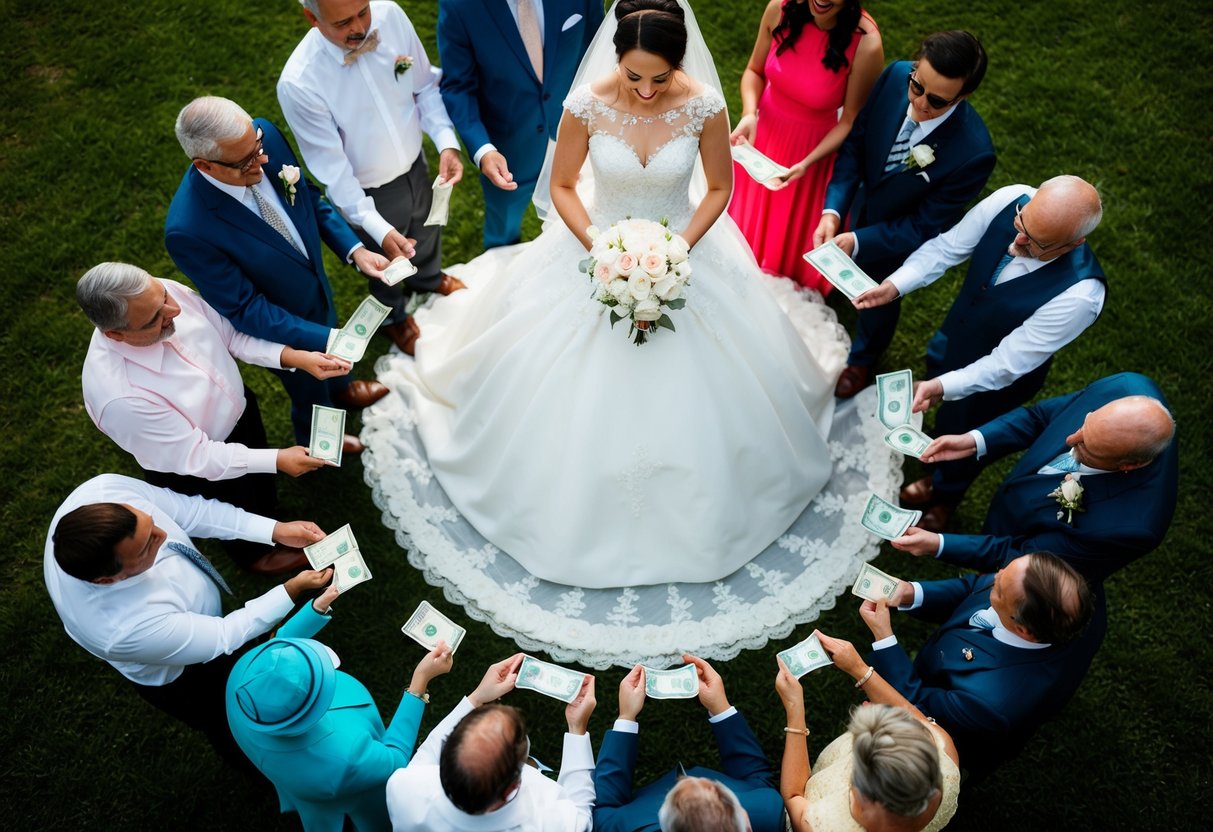
A wedding budget involves many key components that you need to manage wisely. From major expenses like the venue to smaller but essential costs, understanding where your money goes is crucial for planning.
Allocating Funds for Major Wedding Elements
When planning your budget, focus on these major costs:
- Venue: This often takes up the largest chunk of your budget. Consider both the ceremony and reception venues.
- Food and Drinks: Catering is essential, so decide if you’ll have a sit-down meal or buffet. Don’t forget about beverages!
- Wedding Rings: Set aside money for the couple’s wedding bands. These can range from simple to elaborate designs.
- Officiant Fee: Hiring someone to officiate can vary in cost. Check local rates for a better idea.
- Marriage License: There’s usually a fee to obtain a marriage license; this can vary widely by location.
Additionally, don’t forget the rehearsal dinner. This can bring everyone together and generally costs less than the main meal.
Hidden Costs in Wedding Planning
While budgeting, it’s easy to overlook hidden costs. Here are some common examples:
- Alterations: Your wedding dress may need adjustments. Factor in costs for tailoring.
- Tax and Gratuity: Both food and service usually have added taxes and tips. Often, those can add up to 20% or more.
- Decor and Flowers: While you plan for these costs, any last-minute changes can escalate expenses.
- Honeymoon: Don’t forget a portion of your budget for a getaway after the wedding.
Keep an eye on these hidden expenses. Planning ahead will save you stress as the big day approaches!
Attire and Aesthetics: Who Covers What?

When planning a wedding, understanding who pays for different items can help prevent confusion and maintain harmony. The following sections cover attire for the couple and their party, beauty services, and floral arrangements, highlighting key responsibilities.
Gowns, Suits, and Accessories
The wedding dress is often a significant cost, usually covered by the bride and her family. This can include the dress, veil, and any accessories. The average bride budgets around $1,900 for her attire, but this can vary widely.
Bridesmaids typically pay for their own dresses, while groomsmen cover their suits. It’s a good idea to provide guidelines on colors and styles to ensure the wedding party looks coordinated.
If you have a wedding planner, they can help you navigate these expenses. They may suggest rental options or even provide packages that can save some money on attire.
Hair, Makeup, and Pre-Wedding Events
Beauty services are another key area in wedding planning. You might choose to cover hair and makeup for yourself, which can range from $100 to $500 or more, depending on the services.
Brides often treat their bridesmaids to hair and makeup to ensure everyone looks their best. This might lead to a collaborative approach where costs are shared. Planning a pre-wedding event, like a spa day, can also be a fun way to bond with your party while preparing for the big day.
Discussing beauty plans with your wedding planner can help streamline these costs. They may also offer recommendations for trusted vendors.
Floral Arrangements and Decor
Floral arrangements are often covered by the bride and her family. This includes bouquets, boutonnieres, and ceremony decorations.
Establishing a budget for flowers early on is crucial. Wedding planners can help manage costs while ensuring you get the best arrangements for your theme.
Don’t forget about decor! Some couples may opt to share these costs, particularly for centerpieces or venue decorations. Discuss preferences with family to find a plan that works for everyone.
The Finer Details of Wedding Contributions
When planning your wedding, each aspect comes with its own costs. Understanding who typically pays for what can help avoid confusion and make financial discussions easier. Let’s break down some key contributions.
Invitations and Stationery Expenses
Invitations set the tone for your wedding day. Traditionally, the bride’s family covers this cost. This often includes save-the-dates, invitations, and thank-you cards.
You can expect to spend $400 to $800 on quality invitations. Depending on your theme, you might choose elegant stationery or fun, unique designs. Don’t forget the cost of postage!
If you’re including your wedding party in the invitation process, they might help with specific invitation types. Couples sometimes ask for help with address lists or crafting DIY invites.
Photography and Memories
Capturing your big day is essential. Photography is one of the most significant expenses. While the bride’s family often picks up this bill, couples today sometimes share costs.
A professional photographer can range from $1,000 to $5,000. Think about including a second shooter or opting for a package that covers pre-wedding events. Consider a videographer as well for a cinematic touch, enhancing the memories you’ll cherish forever.
Don’t forget about the wedding album! This might be a separate cost but is worth it for saving your memories.
The Ultimate Send-off: Funding the Honeymoon
Honeymoons can be a fantastic way to celebrate your marriage. Traditionally, the groom covers this expense, but many couples are now creating a honeymoon fund to share this cost.
Decide what kind of trip you want. Are you looking for a relaxing beach vacation or an adventurous mountain retreat? Costs can vary widely, so having a clear budget is crucial.
Consider using a wedding registry for your honeymoon. You can ask guests to contribute to specific experiences, like a romantic dinner or adventure tours. This approach helps you create lasting memories of your first trip together.