
Who is Traditionally a Groomsman? Understanding the Role in Weddings
When it comes to weddings, a groomsman is important and carries a lot of tradition. The groom chooses a close friend, family member, or colleague to support him on his big day. These individuals stand alongside the groom during the ceremony and help with various tasks leading up to the wedding.
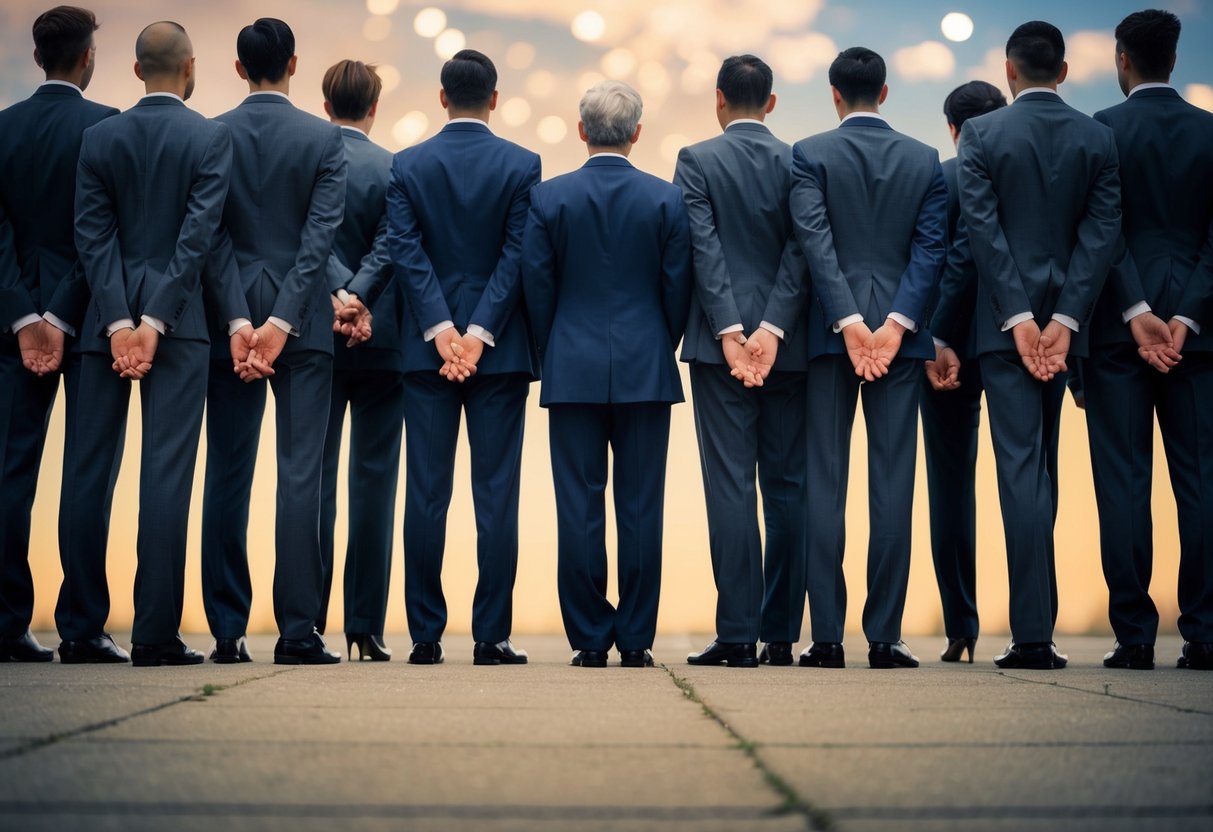
Being a groomsman is not just about wearing a suit; it comes with responsibilities. Groomsmen often assist in planning events like the bachelor party and may help to coordinate details for the wedding day itself. The best man, usually a close friend or brother of the groom, takes the lead in these activities and often gives a speech at the reception, adding to the special moments of the day.
Understanding who is traditionally selected as a groomsman can give you insight into the overall dynamics of a wedding party. It’s a role rooted in friendship and support, making it a meaningful part of the wedding celebration.
Roles and Responsibilities
As a groomsman, you play a key role in supporting the groom throughout the wedding journey. Your tasks begin well before the wedding day and involve various responsibilities that help ease the planning process and ensure a memorable celebration.
Pre-Wedding Functions
One of your main duties is to assist with the planning of the bachelor party. This often involves brainstorming ideas, booking venues, and coordinating with other friends. While the best man typically leads this, your involvement is crucial to make the event special.
You’ll also help during the rehearsal dinner. This is a chance for everyone to gather and get to know each other. You can help keep things organized and relaxed, supporting the groom as the day approaches.
Finally, be prepared for speeches. You might need to write and deliver a toast. This is a meaningful part of the festivities, so your words should be heartfelt and celebratory. Emotional support for the groom during this time is invaluable, as weddings can be a mix of excitement and stress.
Groomsman Attire and Presentation
Your attire as a groomsman plays a key role in the wedding’s overall look. It’s important to blend well with the theme while also looking sharp and polished. Here are a couple of important aspects to consider regarding groomsman attire and how you present yourself at the wedding.
Matching the Wedding Theme
The attire should reflect the wedding theme set by the couple. If it’s a formal wedding, a classic tuxedo is a great choice. For a more casual vibe, you might opt for well-fitted suits or stylish dress shirts and pants.
Make sure the colors fit within the chosen palette. This could mean matching shades with the bridesmaids or choosing complementary colors. Consider adding unique touches, like pocket squares or ties, that can enhance the look while keeping everything cohesive.
Ceremony and Reception Dress Code
The dress code for both the ceremony and reception is usually outlined by the couple. Pay close attention to any guidelines they provide. This could range from strict black-tie attire to more relaxed outfits.
Make sure to confirm details like whether to rent or buy your attire. If you need alterations, having your suit ready at least a month prior will give you enough time for adjustments. This way, you can avoid any last-minute stress. Dressing appropriately for both the ceremony and the reception shows respect for the couple and the event.
The Groomsman in the Ceremony
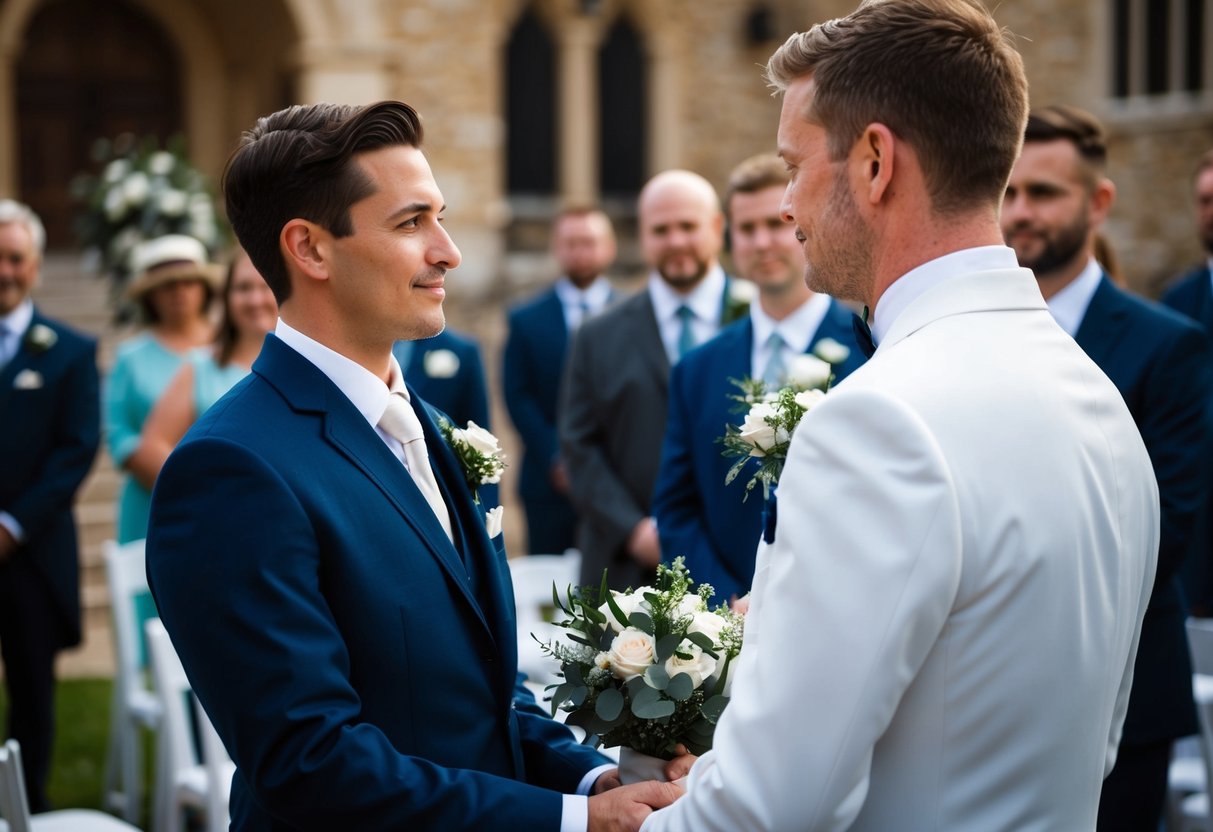
During a wedding ceremony, the groomsman plays vital roles that enhance the experience for the couple and guests. From supporting the groom to participating in processions, these responsibilities are key to a successful day.
Supporting Roles
As a groomsman, you are more than just a guest; you are a crucial part of the wedding team. Your main task is to support the groom throughout the day. This includes helping him get ready, ensuring he stays calm, and attending to his needs.
You will also assist during the ceremony itself. This can involve handing out programs to guests as they arrive, guiding them to their seats, or simply being available for any last-minute questions.
You should be aware of the schedule and expectations to ensure everything runs smoothly. Knowing what to do allows you to be confident and supportive, especially during the emotional moments of the ceremony.
Procession and Recession Participation
In the procession, you will walk down the aisle, often paired with a bridesmaid. This moment is significant, as it sets the tone for the ceremony. Make sure to stand tall and smile, as you represent the groom’s support.
After the vows, you will also be a part of the recession, walking back down the aisle with the bride and groom. This is another chance to shine, showing joy for the couple’s new beginning.
Being part of these moments helps create lasting memories, both for you and the couple.
The Evolving Traditions of Groomsmen
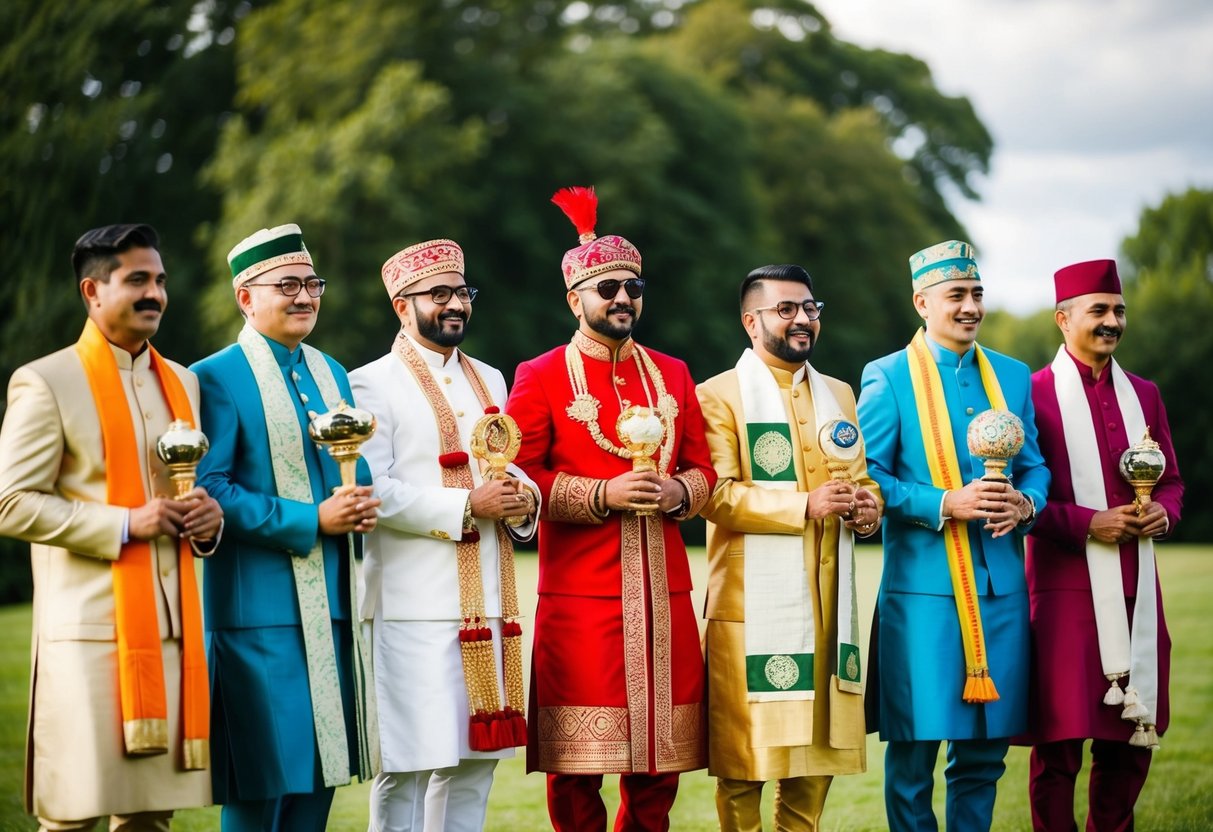
The role of groomsmen has changed over time, adapting to modern values and various wedding customs. Today, you will see inclusive roles and diverse choices that reflect personal preferences, moving beyond strictly traditional norms.
Inclusive Roles and Non-Traditional Choices
In recent years, many couples have embraced the idea of a groomswoman or groomswomen, welcoming female friends and family into the groom’s party. This shift reflects a more inclusive approach to wedding parties.
Your wedding reception is a chance for everyone to feel valued and represented. This inclusiveness can help to strengthen bonds and celebrate unity among all the guests.
Some couples also choose non-traditional roles such as having their children as attendants. Others may feature close friends instead of relatives. Personalized weddings allow you to decide who stands by you, creating unique memories.
Historical Perspective on the Groomsman’s Role
Groomsmen played crucial roles during weddings in the past. This tradition dates back centuries, with connections to customs like marriage by capture. Originally, groomsmen were meant to protect the groom’s interests, often acting as swordsmen or male attendants.
In traditional weddings, groomsmen would help in securing the dowry and ensuring a safe passage for the bride. Over time, their role has shifted from protection to support, helping to plan events like the bachelor party.
Today, the groomsman tradition remains meaningful, even if the original reasons have changed. You can celebrate this rich history while still making it your own at your wedding.