
Who Is Usually Invited to a Destination Wedding? Understanding Your Guest List Options
When planning a destination wedding, you might feel overwhelmed by creating the guest list. You usually prioritize your closest family and friends. Think about who will truly support you on your special day while also considering who can make the trip.
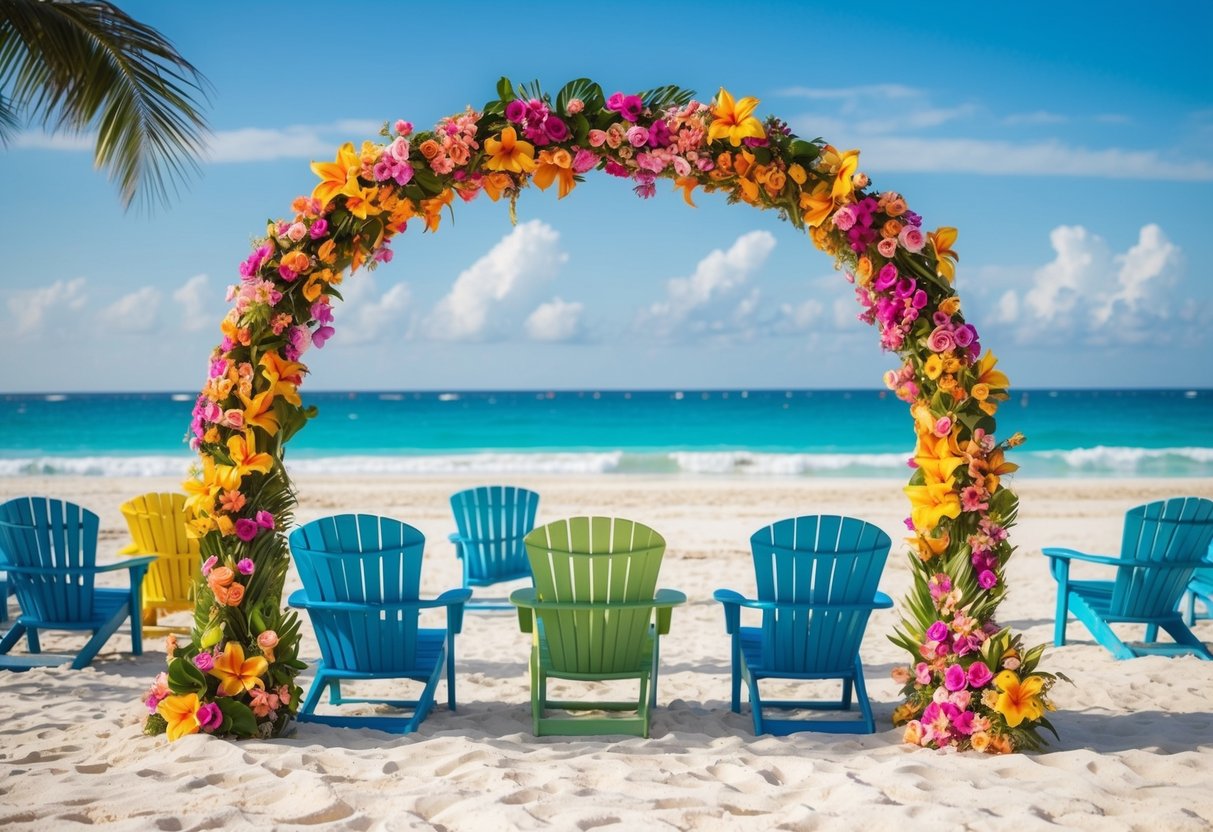
Aside from immediate family, think about friends who have been there through thick and thin. It’s common to invite a mix of loved ones, but keep in mind that a destination wedding typically results in a smaller guest list. Balancing who is there with the location can make your celebration feel more intimate and meaningful.
As you plan, be open with your guests about the logistics, including travel and accommodation. This will help them feel more comfortable as they make their arrangements. The goal is to create lasting memories with those who matter most to you.
Creating Your Destination Wedding Guest List
Making your destination wedding guest list can feel challenging. You want to invite those who matter most, while also considering travel and accommodation needs. Here are some important groups to think about.
Immediate Family and Close Relatives
Start with your immediate family. This typically includes your parents, siblings, and possibly grandparents. These people are often the most important to include in your celebration.
Next, consider extended family. Aunts, uncles, and cousins might also make the list if you share a close bond. Communicate with your family about your plans. You may find out that some relatives are eager to attend.
For some couples, keeping the event intimate is key. Including immediate family can help create that close atmosphere. Just remember to balance families and listen to their thoughts.
Your Circle of Closest Friends
Your friends are a huge part of your life. Choose those who have supported you and your partner through thick and thin. Think about your college buddies, work friends, and childhood pals.
Inviting people who truly mean something to you makes the event special. Consider how often you see these friends. If they play a regular role in your life, they belong on your guest list.
A good tip is to start with an A list for those you can’t imagine celebrating without. You can also create a B list for additional friends. This helps keep the list manageable.
Determining Plus-Ones and Children
When deciding on guests, consider plus-ones. If you have single friends, giving them the option to bring a date can make attending more appealing.
Make sure to ask yourself if it’s necessary for them to bring someone. Think about how well you know their partner. If they’re in a committed relationship, it’s usually good to invite them.
For children, consider your guest dynamics. If many close friends have kids, it might be nice to include them. However, if you want an adults-only event, it’s best to communicate this clearly.
Invitations and Communications
Planning your destination wedding means you’ll need a solid plan for getting the word out to your guests. Sending out save-the-dates and invitations is essential, as is creating a wedding website for easy access to all the details.
Sending Out Save-the-Dates and Invitations
Start by sending out save-the-dates at least six to eight months before your wedding. This gives your guests time to make travel arrangements. You can opt for postcards or digital invitations to save money and time.
When it’s time for formal invitations, make them detailed. Include the date, location, travel information, and accommodation options. Use elegant wording that matches your wedding’s style.
Don’t forget to include RSVP instructions. Whether you prefer online replies or traditional mail, make it easy for guests to respond. Consider setting a deadline for RSVPs that allows you to finalize your plans.
Creating a Wedding Website for Details and Updates
A wedding website is a fantastic tool for keeping everyone informed. It’s a central place for all the important wedding details.
Include essential information like dates, timelines, and location. Create sections for travel tips, nearby accommodations, and local attractions. This helps guests plan their trip more easily.
Make sure to provide a way for guests to RSVP directly on the website. This option is often more convenient and helps you stay organized. Remember to keep the website updated with any changes or additional information as your wedding date approaches.
Coordinating Travel and Accommodations
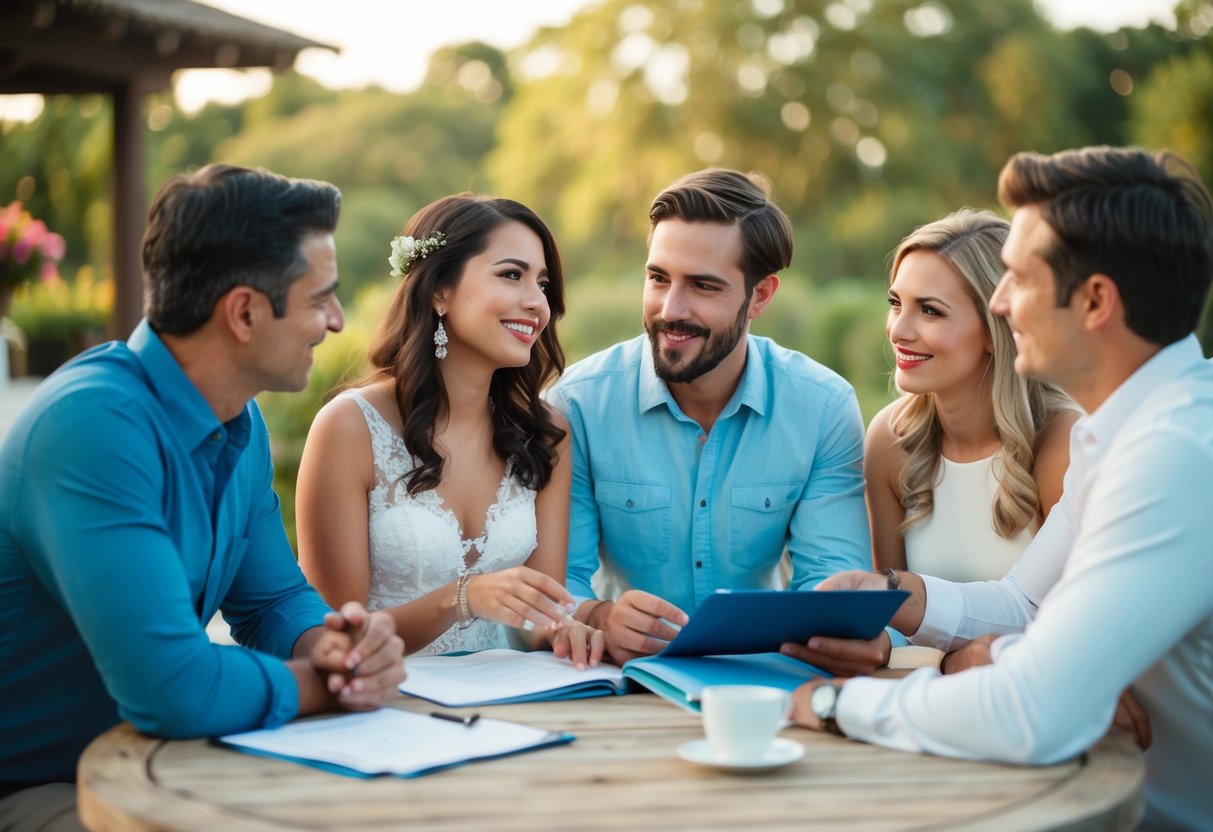
When planning a destination wedding, helping your guests with travel and accommodations is essential. You’ll want to arrange hotel blocks and communicate logistics clearly to ensure everyone feels comfortable and welcomed.
Arranging Hotel Blocks and Group Discounts
Start by researching hotels near your venue. Look for places that can accommodate your guests comfortably. Booking a block of rooms can offer discounts and ensure everyone stays close together.
Contact the hotel to ask about group rates. Often, hotels provide lower prices for large parties. Make sure to reserve enough rooms for your guest list.
Spread the word about these accommodations. Share details on your wedding website or send information through invites. This helps guests plan ahead and can ease their travel budget.
Communicating Travel Costs and Logistics
It’s important to openly discuss travel costs with your guests. Be clear that they are usually responsible for their airfare and hotel expenses.
Provide suggestions for budget-friendly options nearby. Consider creating a list of recommended hotels with contact details.
Alongside accommodations, offer tips on transportation. Include information about shuttles, car rentals, or public transport in the area. This will help your guests navigate smoothly on your big day.
Schedule of Events for Attendees
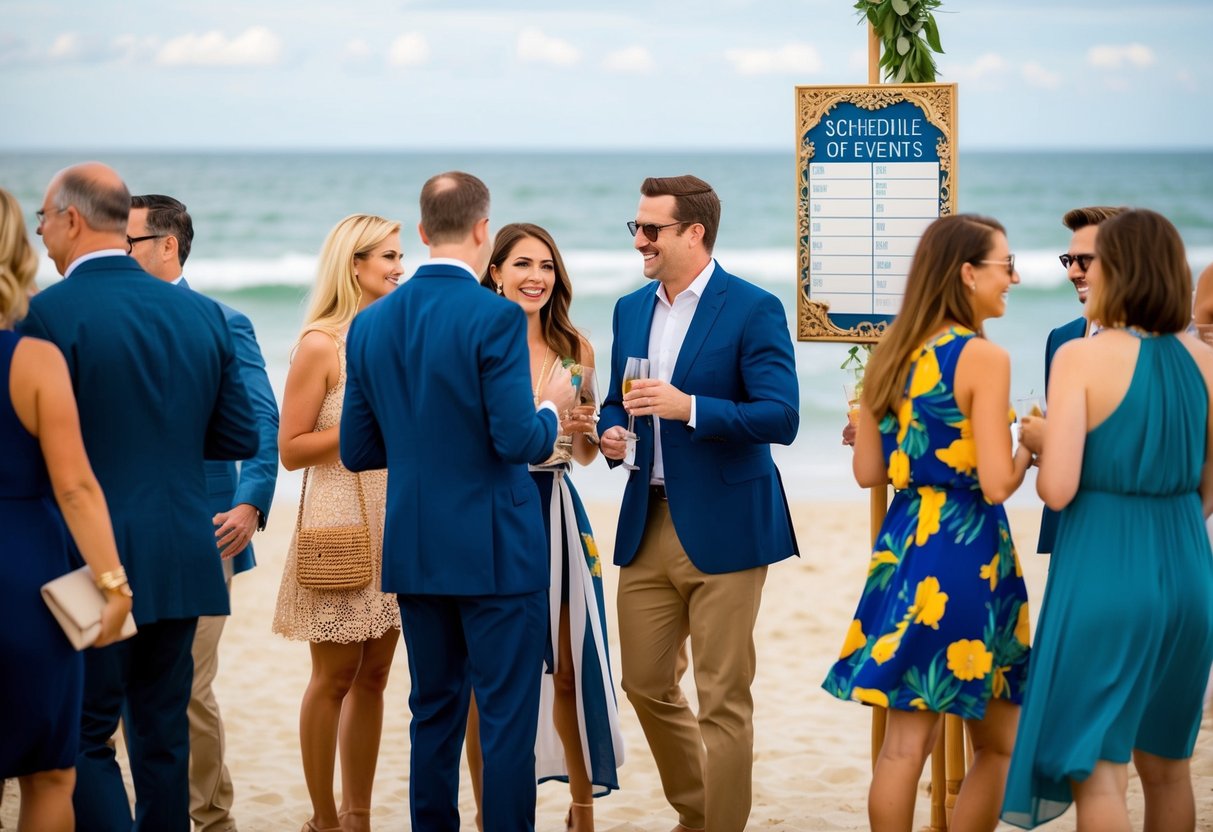
Planning the schedule of events for a destination wedding can enhance the experience for you and your guests. It helps everyone feel welcomed and connected throughout the celebration. Here are some essential aspects to consider for your events.
Organizing Multiple Events
Destination weddings typically include various events spread over several days. You may want to plan a casual get-together, a rehearsal dinner, and the wedding ceremony itself. Organizing these events creates a fun atmosphere and allows guests to bond.
A suggested schedule might look like this:
- Day 1: Arrival and welcome dinner
- Day 2: Rehearsal and rehearsal dinner
- Day 3: Wedding day activities
Work closely with your wedding planner to arrange the best locations and times. Ensure that guests know the schedule well in advance. This will help them prepare and look forward to all the happenings.
Welcoming Guests with a Rehearsal or Welcome Dinner
A welcome dinner is a fantastic way to greet your guests upon arrival. This can be a laid-back meal where everyone gets to meet, share stories, and enjoy local cuisine.
Consider setting this up the night before the wedding or a few days into the trip.
A rehearsal dinner, usually held the night before the wedding, allows the wedding party to practice and gather. You can invite immediate family, the wedding party, and anyone involved in the ceremony.
These dinners foster connections, making your guests feel valued and engaged. A thoughtful welcome can set a positive tone for the rest of your destination wedding events.