
Who Normally Sits at the Head Table at a Wedding? A Guide to Seating Arrangements
When planning your wedding reception, figuring out the seating arrangement for the head table can feel like a daunting task. Typically, the head table includes the bride and groom, their wedding party, and sometimes their families, highlighting the union of two families. This special table not only serves as a focal point during the celebration but also reflects the love and support surrounding you on this important day.
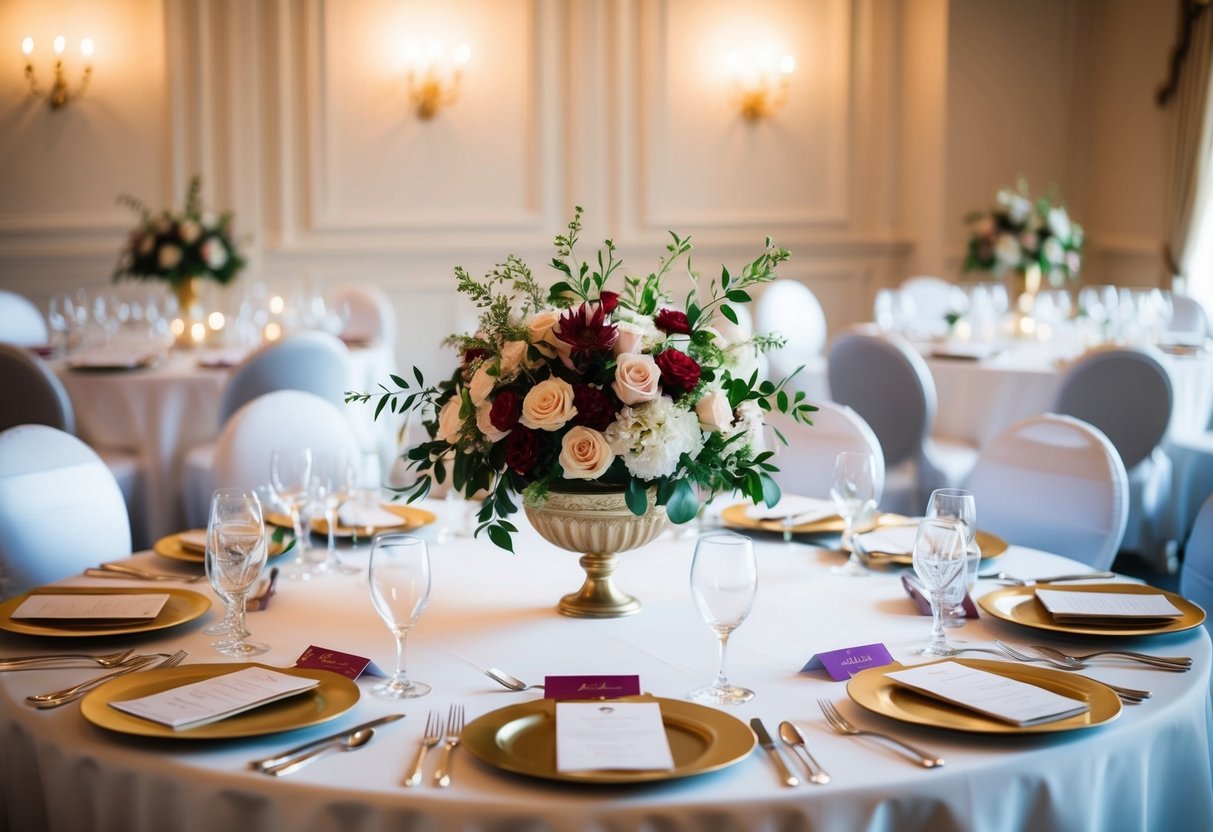
As you consider who should sit at the head table, think about including your closest friends and family members. This can include your maid of honor, best man, and siblings, who have played significant roles in your lives.
By placing them at the head table, you’re not just celebrating your love for each other but also the bonds with those who mean the most to you.
Seating arrangements for the head table might vary, but the goal is the same: to create a warm and welcoming environment where you can share joy and laughter with your loved ones. Making these choices with care will help ensure that you feel surrounded by support as you embark on your new journey together.
The Wedding Head Table Explained
The head table is a central feature at weddings, surrounding the newlyweds with family and friends. Understanding its role, traditional arrangements, and modern variations can help you plan the perfect seating.
Role and Significance of the Head Table
The head table is often seen as the heart of the reception. It typically seats the bride and groom along with important figures in their lives. This may include the wedding party, such as the maid of honor and best man, who support the couple throughout the day.
The head table symbolizes unity and love. Guests often look to this table for the couple’s reactions during speeches and toasts. This area also sets the mood for the celebration, making it a crucial spot during the event.
Traditional Seating Arrangement
In traditional setups, the head table may be arranged as a long table with the bride and groom at the center. They often sit next to their maid of honor and best man, followed by other members of the wedding party.
Sometimes, both sets of parents are included. This arrangement displays familial bonds and support, creating a warm atmosphere. It follows the etiquette rule that key players in the couple’s lives should be recognized during the celebration.
Modern Variations to the Head Table
Modern weddings often embrace flexibility in head table arrangements. Some couples may choose a sweetheart table, where just the bride and groom sit alone. This option offers intimacy during the reception.
You might also find shorter, more casual tables with fewer guests, emphasizing personal connections. Some couples even mix groups from different sides of the family and friends, fostering a relaxed vibe.
These modern variations allow you to tailor the experience to fit your unique style and preferences.
Seating Strategies for a Perfect Wedding Reception
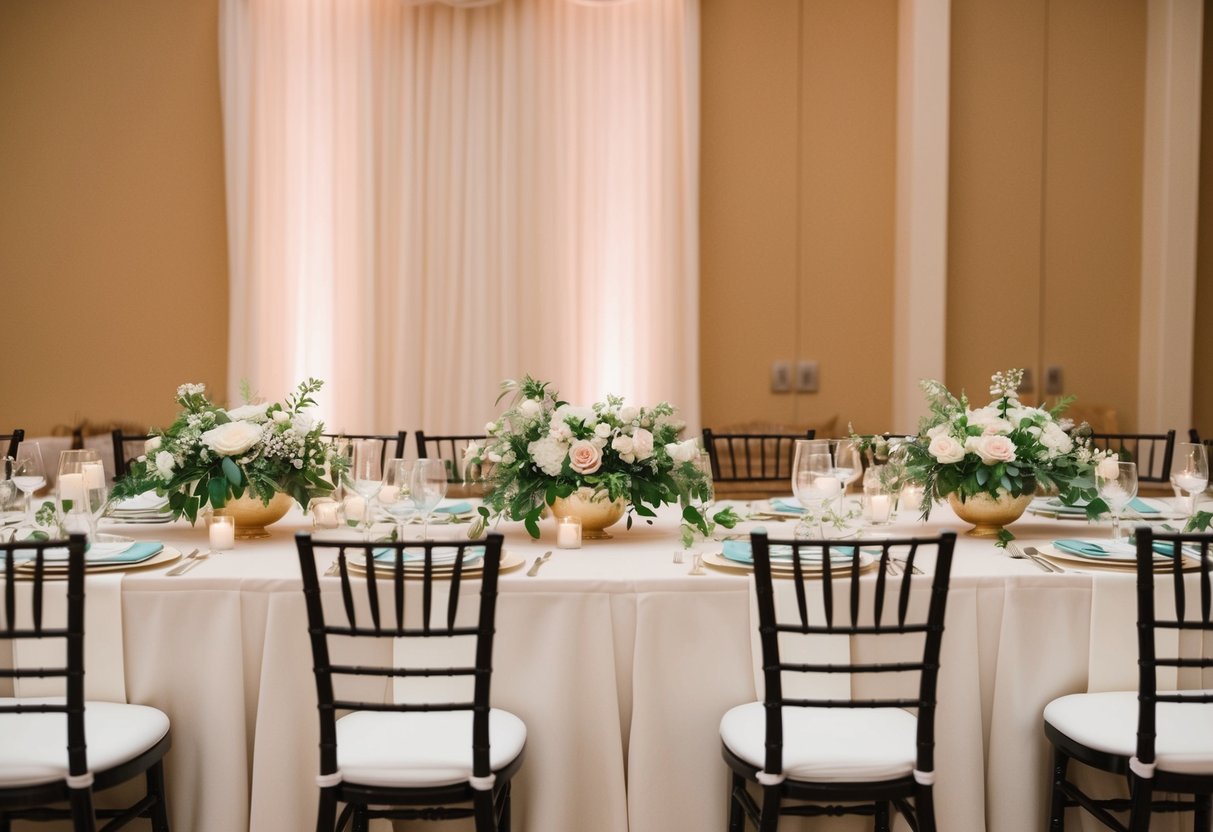
Your wedding reception seating strategy is crucial for ensuring everyone feels comfortable and enjoys the day. Thoughtful planning helps manage the dynamics among family and friends.
Creating a Seating Chart
Start with a clear seating chart to avoid any confusion. Determine your immediate family and close friends who should sit near you at the head table.
Consider a list of everyone invited. Group them by relationships and comfort levels. Each table can have a mix of guests to encourage mingling. You can create designated family tables for parents and siblings.
If you prefer a more relaxed atmosphere, let some guests choose their own seats. This option works well for cocktail-style receptions. Just ensure you have a few reserved spots for the bride and groom.
Handling Unique Family Dynamics
Family dynamics can influence seating arrangements. If you have divorced parents, consider their relationships. It might be best to seat them at separate tables.
Communicate your plan to both sides ahead of time. This reduces tension and allows everyone to enjoy the occasion. If you’re concerned about potential conflicts, seat friends with similar interests nearby.
Balancing your guests’ preferences can promote a more relaxed dining space.
Considering Guests’ Comfort and Social Dynamics
Think about your guests’ comfort when arranging seats. Place those who are comfortable with each other together. This builds a friendly atmosphere.
For guests who may not know many people, seat them with easy-going individuals. A mix of personalities helps encourage conversation.
Also, consider any special needs guests may have. Ensure their seating is easily accessible and comfortable. This thoughtful consideration shows your attention to detail and improves the overall experience for everyone.
Key Members at the Wedding Head Table
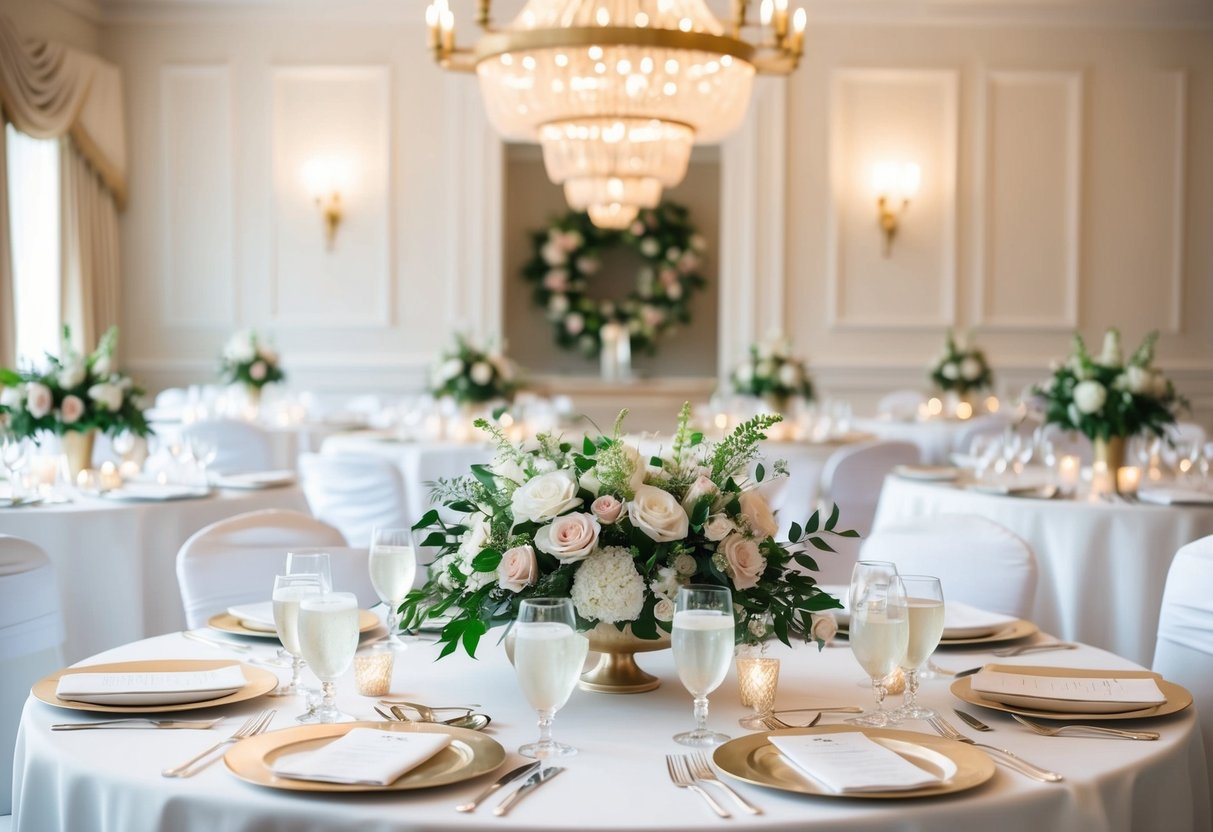
The head table at a wedding is a special spot filled with the important people in your lives. Understanding who typically sits there can help you plan your seating arrangements smoothly.
Immediate Family and Special Guests
At the head table, you usually have key family members like your parents. The bride’s mother and the groom’s father often sit at each end, providing love and support. You can also include siblings or grandparents who have a close bond with you.
Additionally, you might want to invite special guests, like mentors or family friends who mean a lot to you. This makes the head table feel more personal and welcoming. Consider reserving seating for these VIPs to make them feel honored and involved in your big day.
Honor Attendants and Their Roles
Your honor attendants, such as the maid of honor and best man, play vital roles. They are there to support you throughout the day, helping with anything from planning to emotional support.
You might also want to include other members of your wedding party, like bridesmaids and groomsmen. They offer friendship and encouragement as you enter this new chapter together.
In addition, you can have child attendants, like flower girls and ring bearers, at the head table. This adds a sweet touch and allows the kids to feel special and included in the festivities.
Accommodating Plus-Ones
Plus-ones are an important part of your head table seating. If members of your wedding party have significant others, it’s a kind gesture to include them at the head table.
Having your guests’ partners there can create a warm atmosphere. You will also want to consider how many extra seats to allow for plus-ones, ensuring you have room for everyone.
When planning, make sure to discuss with your wedding party about who they would like to invite as their plus-one. This adds a sense of togetherness and joy to your celebration, making it unforgettable for everyone involved.