
Who Normally Sits on the Top Table at a Wedding? Understanding the Seating Arrangement
On your special day, the top table is a key spot at the wedding reception. The bride and groom typically sit at the center, often flanked by their parents. This arrangement allows the happy couple to be surrounded by their closest family and friends as they celebrate together.
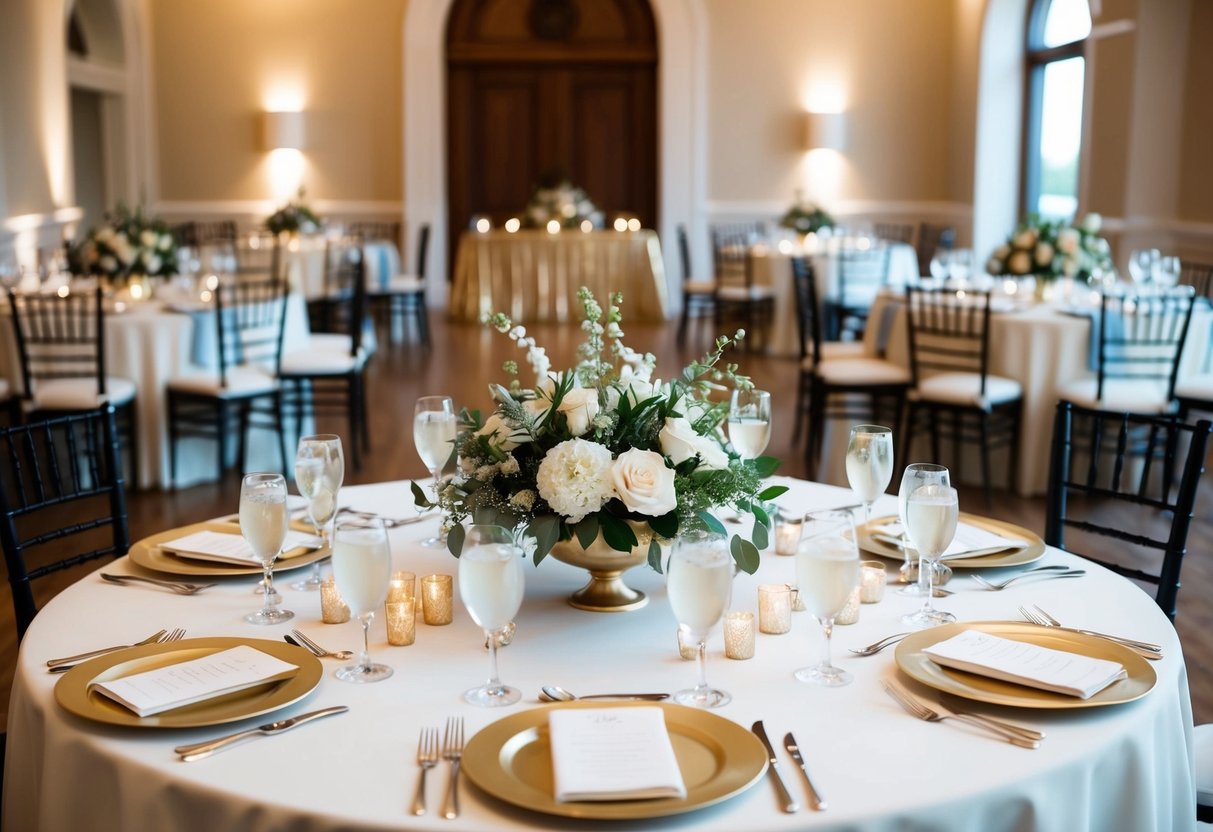
Choosing who sits at the top table can be a bit tricky, especially with a large wedding party. Many couples decide to keep it simple by seating immediate family only, which may include siblings, parents, and sometimes grandparents. This way, you can enjoy an intimate atmosphere with those who mean the most to you.
Understanding traditional seating helps you plan your wedding better. It sets the tone for how guests view the celebration and gives everyone a clear idea of where to go. Planning this part carefully ensures that your special day runs smoothly and beautifully.
Understanding the Traditional Top Table Layout
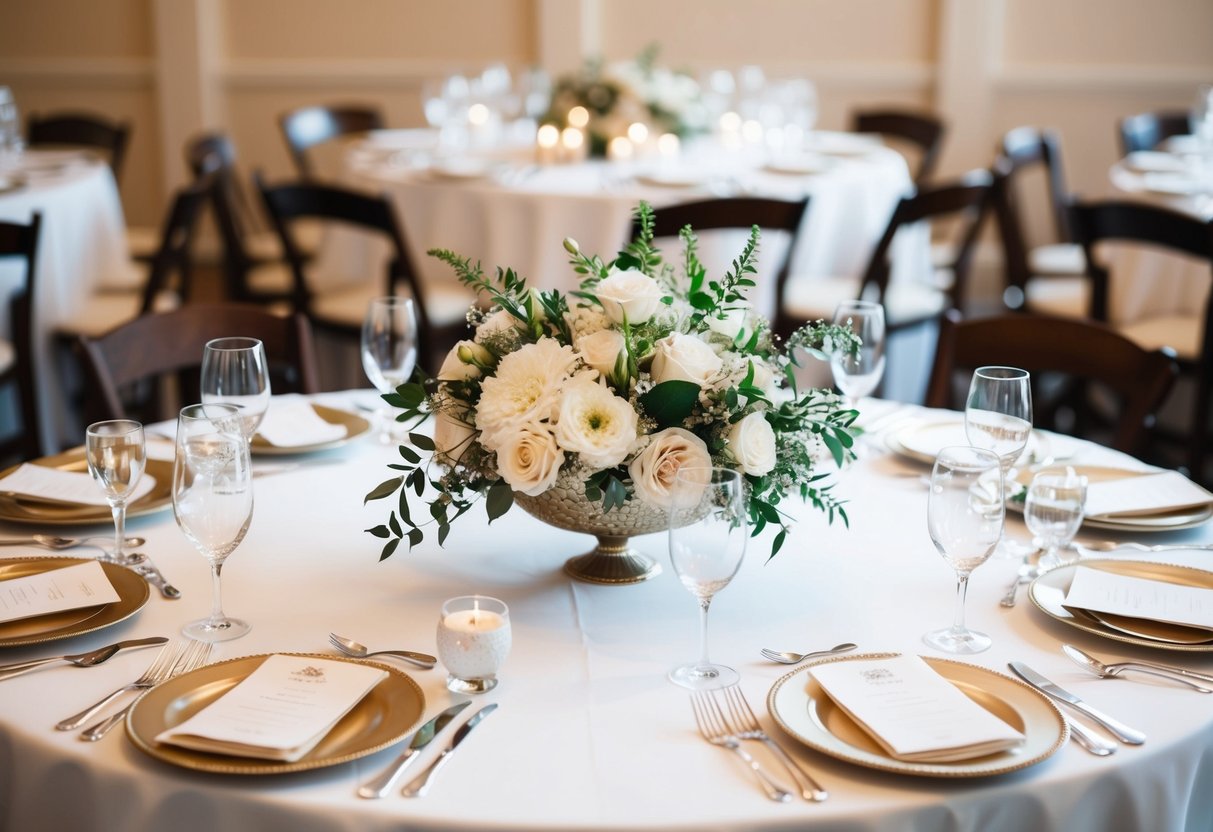
The traditional top table layout is important for creating a meaningful setting during your wedding reception. It ensures that key people are honored and seated in a way that reflects their significance in your life.
Roles and Placement of Key Individuals
At the traditional top table, the bride and groom sit at the center, symbolizing their union. To their right and left are the best man and maid of honor. This setup keeps the focus on the couple while allowing them to share the moment with their closest friends.
Next, the parents typically sit beside the couple. The bride’s parents may occupy the seats closer to her, while the groom’s parents sit next to him. This placement respects family ties and acknowledges their roles in each person’s life. In some cases, siblings might also table, especially if they are part of the wedding party.
Navigating Family Dynamics and Divorced Parents
When seating divorced parents or stepparents, things can get a bit tricky. You need to consider family dynamics and aim for harmony. Communicate with all family members early on to avoid surprises.
For divorced parents, you may opt for a seating arrangement where they are at separate tables. Alternatively, if both parents are amicable, they can sit together for the day. If you have stepparents, they should be included in the layout too, maybe sitting next to their partners. Balancing these dynamics requires sensitivity and thoughtfulness to keep everyone comfortable during your celebration.
Exploring Alternative Seating Arrangements
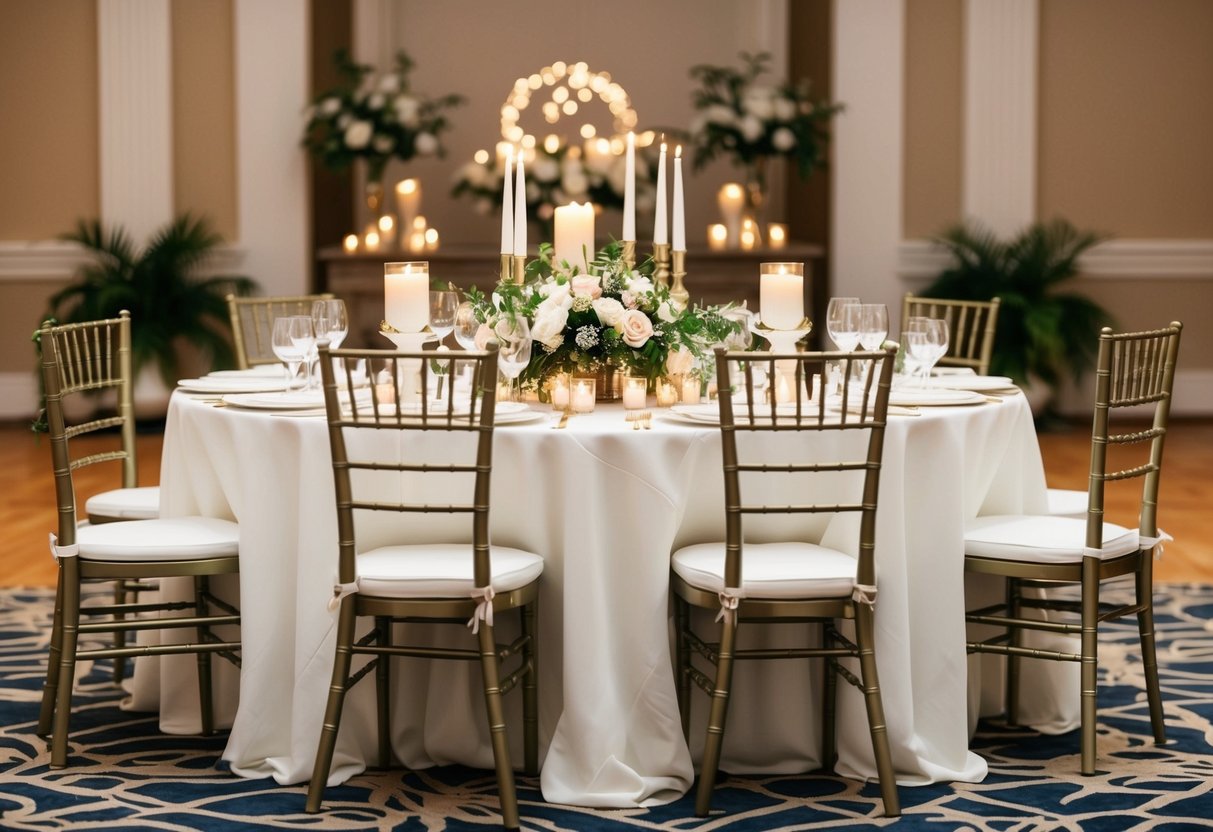
When planning your wedding, consider how different seating arrangements can create the right atmosphere for your special day. Alternative options can make the event more personal and enjoyable for you and your guests.
The Sweetheart Table Option
A sweetheart table is a popular choice for couples who want a more intimate setting. This table is typically smaller and is reserved just for you and your partner.
Benefits of a sweetheart table include:
- Privacy: You can enjoy moments together without distractions.
- Focus: Guests will see you both clearly during speeches and dances.
This setup works well for same-sex couples too. You can choose any layout that feels right for you. Many couples like to position the sweetheart table in front of the audience, enhancing the connection between you and your guests while maintaining an intimate vibe.
Innovative Table Layouts and Designs
If you prefer a more inclusive arrangement, think about setting up round tables or a mix of long and round tables. This style encourages interaction and engagement among guests.
For example:
- Round Tables: These allow for conversation and are better for smaller groups.
- Long Tables: Perfect for large gatherings, giving a communal feel.
Incorporating personal preferences into the seating plan can enhance the atmosphere. Think about your friends and family dynamics when planning. Whatever layout you choose, make sure it reflects your personalities and creates a comfortable environment for everyone.
Creating Your Wedding Seating Plan
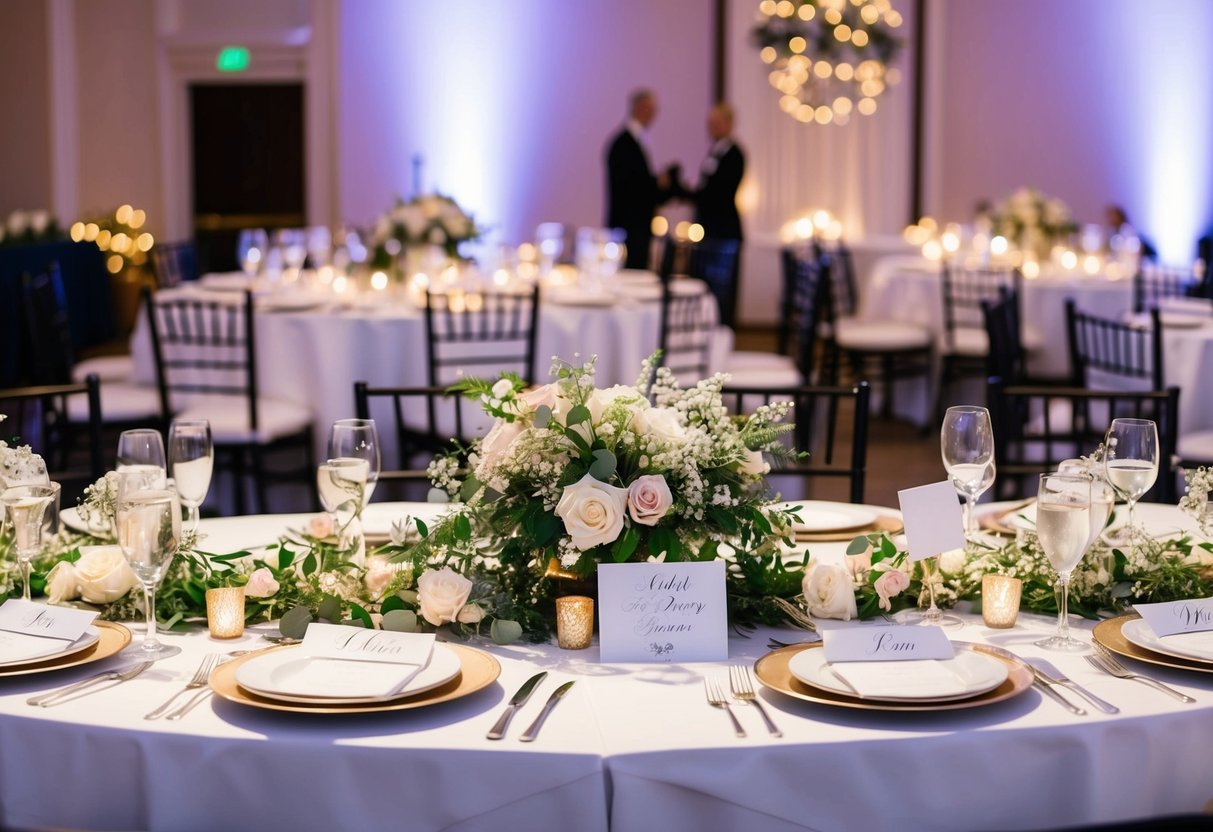
A well-thought-out seating plan helps your wedding run smoothly. It ensures that guests are comfortable and that the atmosphere is pleasant. You’ll want to manage your guest list and their RSVPs carefully while keeping communication clear.
The Importance of the Seating Chart
Your seating chart plays a crucial role in setting the mood for the event. A thoughtful arrangement can promote interaction among guests who might not know each other.
Start by determining who sits at the top table. This is usually where you, your partner, and your closest attendants will sit. For your party table, place friends and family who share common interests.
Consider dynamics when assigning seats. You don’t want family feuds to ruin the celebration. Create a seating chart using a simple layout, like this:
| Table Number | Guest Names |
|---|---|
| 1 | Jane, John |
| 2 | Sarah, Mike |
| 3 | Emily, Tom |
This way, you can visualize the layout better.
Managing Guest List and RSVPs
Managing your guest list might feel daunting, but you need it for a successful seating plan.
When you send out invitations, make sure to include a clear RSVP deadline. This helps you keep track of who will be attending.
Once you have your RSVPs, update your seating chart. If a guest can’t attend, consider their invitees. They may need to rearrange with friends or family.
Make sure to communicate any changes about seating. You can do this personally or by using a wedding planner. Clear communication helps avoid confusion on your big day.