
Who Pays for a Wedding in 2024? Understanding Modern Traditions and Responsibilities
When you plan your wedding, figuring out who pays for what can feel overwhelming. In 2024, couples often share the costs, with many covering a significant portion themselves due to changing traditions. Understanding these roles can help ease some of the stress as you create your wedding budget.
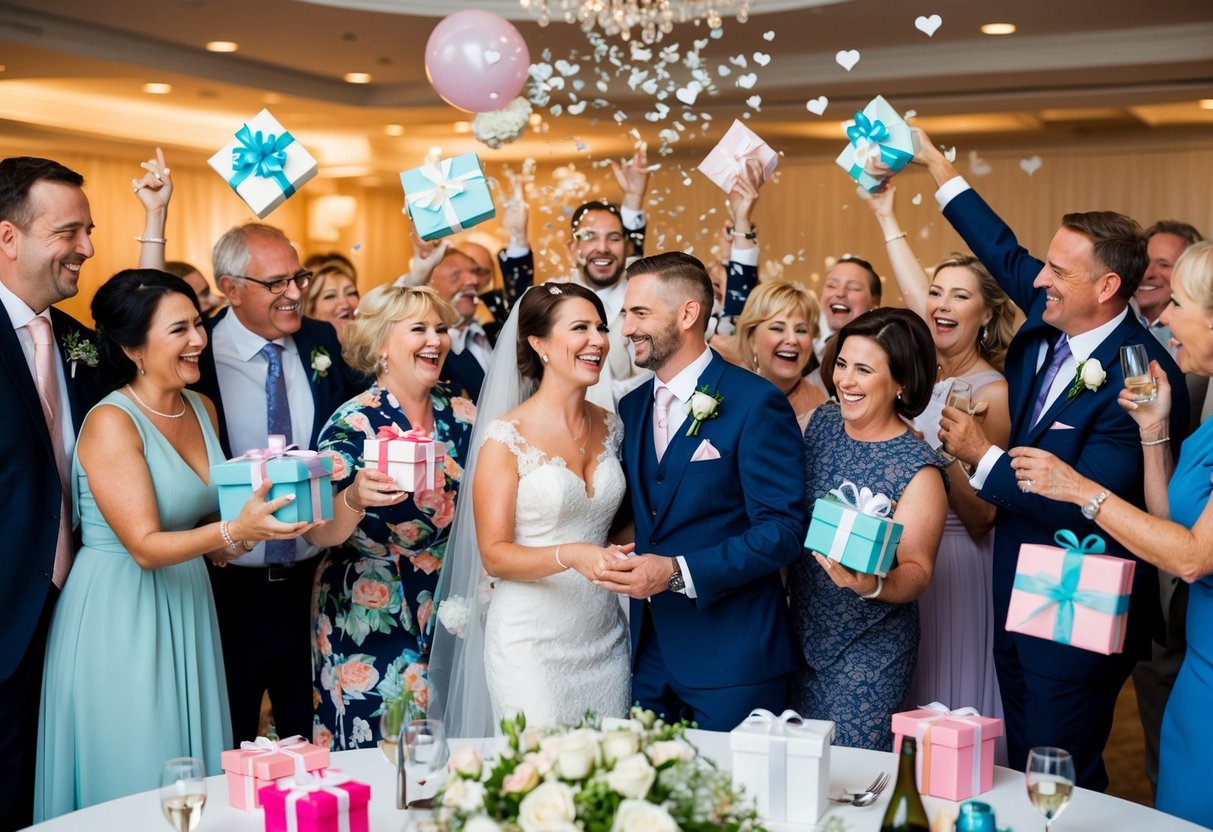
Traditionally, the bride’s family was expected to handle most expenses, but this has shifted in recent years. Many couples, especially those getting married later in life, are more financially independent and prefer to split the costs with their families. This change opens up discussions about what each party can contribute, allowing you to plan effectively.
As you navigate the details of wedding planning, remember that open communication with your family can lead to a smoother process. Whether you follow tradition or establish your own payment plan, the key is finding an arrangement that works best for you and your partner.
Understanding Wedding Finances
Planning a wedding involves navigating a variety of financial responsibilities. The way costs are covered can vary widely based on traditions and modern practices. Here’s a closer look at how these factors shape wedding expenses.
The Role of Tradition in Wedding Expenses
Traditionally, the bride’s family has been expected to cover many of the major wedding expenses, such as the venue, catering, and floral arrangements. The groom’s family often takes care of costs like the rehearsal dinner. This setup comes from long-standing customs but can lead to misunderstandings about who pays for what.
In 2024, personal choices and family dynamics play a big part. Each couple may adapt these customs based on their unique circumstances. It’s beneficial to have open discussions with both families. Doing so can help clarify financial contributions and ensure everyone is on the same page.
Modern Adaptations to Wedding Funding
Today, many couples choose to share costs more equally. It’s common for both families to contribute, or couples may even pay for their wedding themselves. This shift reflects changing values regarding marriage and family roles.
You should also consider alternatives like crowdfunding or asking for contributions instead of gifts. Many couples are moving towards more budget-friendly options. This approach allows for better control over expenses while still having a memorable celebration.
Managing a Wedding Budget
Creating a budget is essential when planning your wedding. Start by outlining all potential costs such as venue, food, attire, and entertainment. The average cost of a wedding in 2024 can be around $33,000, making it crucial to have a clear financial plan.
You can create a simple table to track expenses:
| Expense Category | Estimated Cost | Actual Cost |
|---|---|---|
| Venue | $10,000 | |
| Catering | $5,000 | |
| Photography | $3,000 | |
| Attire | $2,000 | |
| Miscellaneous | $3,000 |
This chart can help you stay organized. Adjust your budget based on family contributions and any savings you can achieve. Regularly update this table to keep track of where your money is going.
Key Wedding Costs and Considerations
Planning a wedding involves many key costs that you should consider carefully. Understanding these expenses will help you budget effectively and ensure you don’t miss important details.
Venue and Catering
Choosing the right venue is one of the biggest expenses you’ll face. Prices can range widely depending on the location and amenities offered. A popular choice for weddings is a banquet hall or outdoor garden, costing anywhere from $3,000 to $15,000.
Catering also plays a big role in your budget. Typically, a meal per guest ranges from $30 to $150 based on the menu you select. Consider whether you want plated meals, buffet-style service, or food stations. Remember, food and venue together can make up over 40% of your total budget.
Attire, Rings, and Beauty
Wedding attire is essential for making your day special. A wedding dress can cost between $1,000 and $3,000, while grooms’ suits often start around $300. Don’t forget about alterations, which may add another $100 or more.
Wedding rings are another key expense. You might spend around $1,000 to $5,000 on rings, depending on the materials and design. Beauty services, including hair and makeup, can range from $150 to $600 for the bride and bridal party.
Photography and Videography
Capturing your day is crucial for memories that last a lifetime. The average cost for photography is around $3,500 to $6,500, while videography ranges from $3,000 to $6,000. Think about hiring professionals for both to ensure high-quality results.
When selecting your photographer or videographer, look at their portfolios to find a style that matches your vision. You might want to consider a package that covers both services for potential savings.
Decorations and Floral Arrangements
Flowers and decorations set the mood for your wedding. Floral arrangements may cost anywhere from $1,500 to $5,000, depending on the types of flowers and number of arrangements.
Consider including centerpieces, bouquets, and altar decorations. You can save money by choosing seasonal flowers and DIY decorations or finding a reliable florist who offers packages.
Entertainment and Music
Music and entertainment bring life to your celebration. Hiring a DJ typically costs between $1,000 and $2,500, while a live band can range from $2,000 to $10,000.
Think about what vibe you want to create. You can also look for packages that include both ceremony and reception music. If you’re on a tighter budget, consider using a playlist or hiring a solo musician for a more intimate atmosphere.
Stationery and Invitations
Don’t overlook the importance of invitations and stationery as they set the tone for your wedding. You might spend about $400 to $800 on invites, save-the-dates, and thank-you cards.
Consider the cost of custom designs or themed stationery, which could add to your budget. You can reduce costs by opting for digital invites or DIY printing. Remember to include postage and any additional enclosures like RSVP cards in your budget.
Pre- and Post-Wedding Events
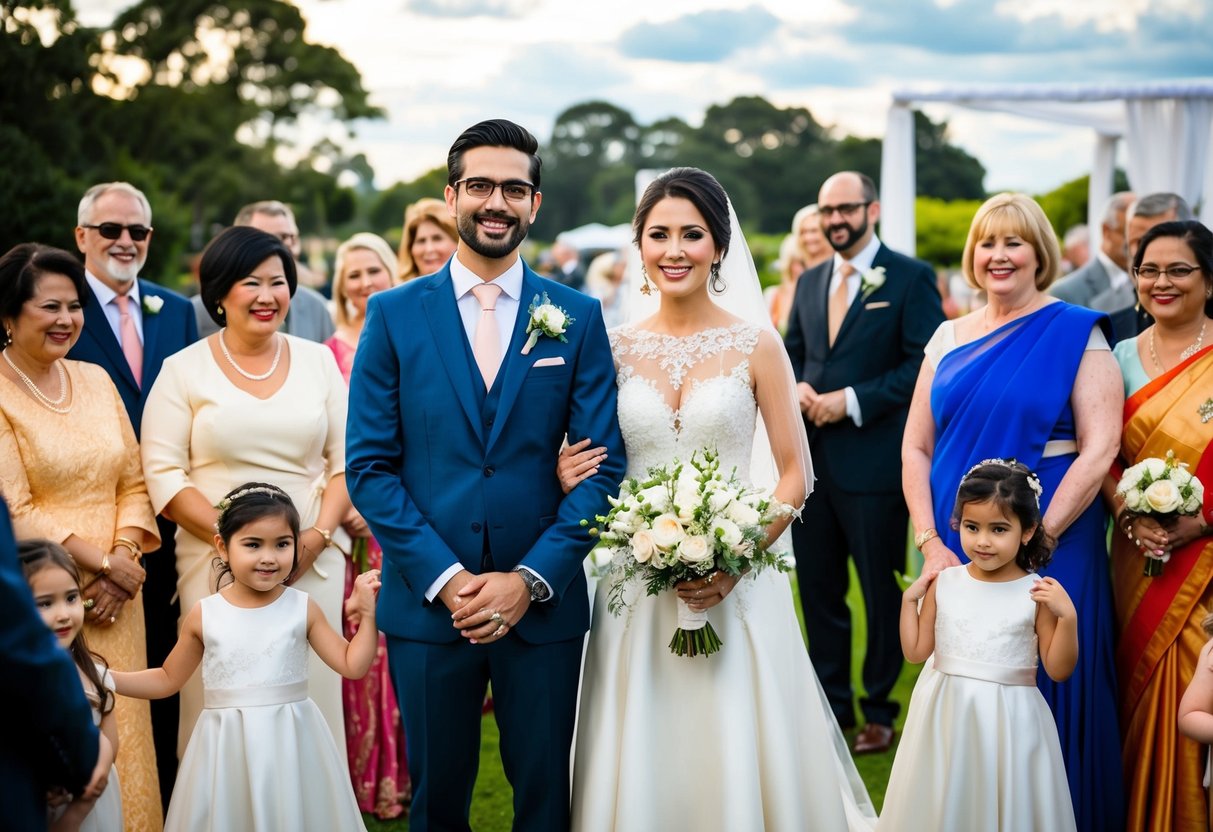
Planning your wedding includes several important events leading up to the big day and afterwards. These gatherings help celebrate your union and create lasting memories with friends and family. Here’s a look at these special occasions.
Engagement Celebrations
When planning your wedding, you may host an engagement party as the first celebration. This gathering introduces your families and friends to each other. It can be as simple as a dinner at home or a larger event at a venue. Traditionally, the host of the engagement party takes care of the costs, often falling on the bride’s parents.
When planning, consider a guest list that reflects both families. You can incorporate fun elements like games or a toast to commemorate the occasion. Gifts are not always expected, but many guests may still want to bring something for the couple.
Bachelor and Bachelorette Parties
These fun events are dedicated to the bride and groom before their wedding. Typically, bachelor parties are planned for the groom by his best man and friends, while bachelorette parties are organized for the bride by her maid of honor and close friends.
Activities can range from a weekend getaway to a night out on the town. Be sure to set a budget that everyone is comfortable with. Guests often chip in for costs, but the best man or maid of honor usually covers the main expenses.
Rehearsal Dinner and Bridal Showers
The rehearsal dinner occurs the night before the wedding. It’s an opportunity to thank everyone involved in the wedding. Traditionally, the groom’s family pays for this meal, but this can vary.
Bridal showers are usually hosted by friends or family. They focus on gifting items for the bride, often from the wedding registry. Food and drinks can be simple or elaborate, depending on the host’s preferences. Keep in mind that both events are great chances for mingling before the wedding day.
The Honeymoon
After your wedding, you may choose to celebrate with a honeymoon. This trip allows you to relax and enjoy time together. Some couples opt for a honeymoon fund within their wedding registry, allowing guests to contribute to the vacation instead of traditional gifts.
When planning your honeymoon, consider your budget and interests. Whether you want a beach escape or an adventurous trip, many options exist. It’s essential to communicate with each other about the destination and costs to make the best choice.
Roles and Responsibilities
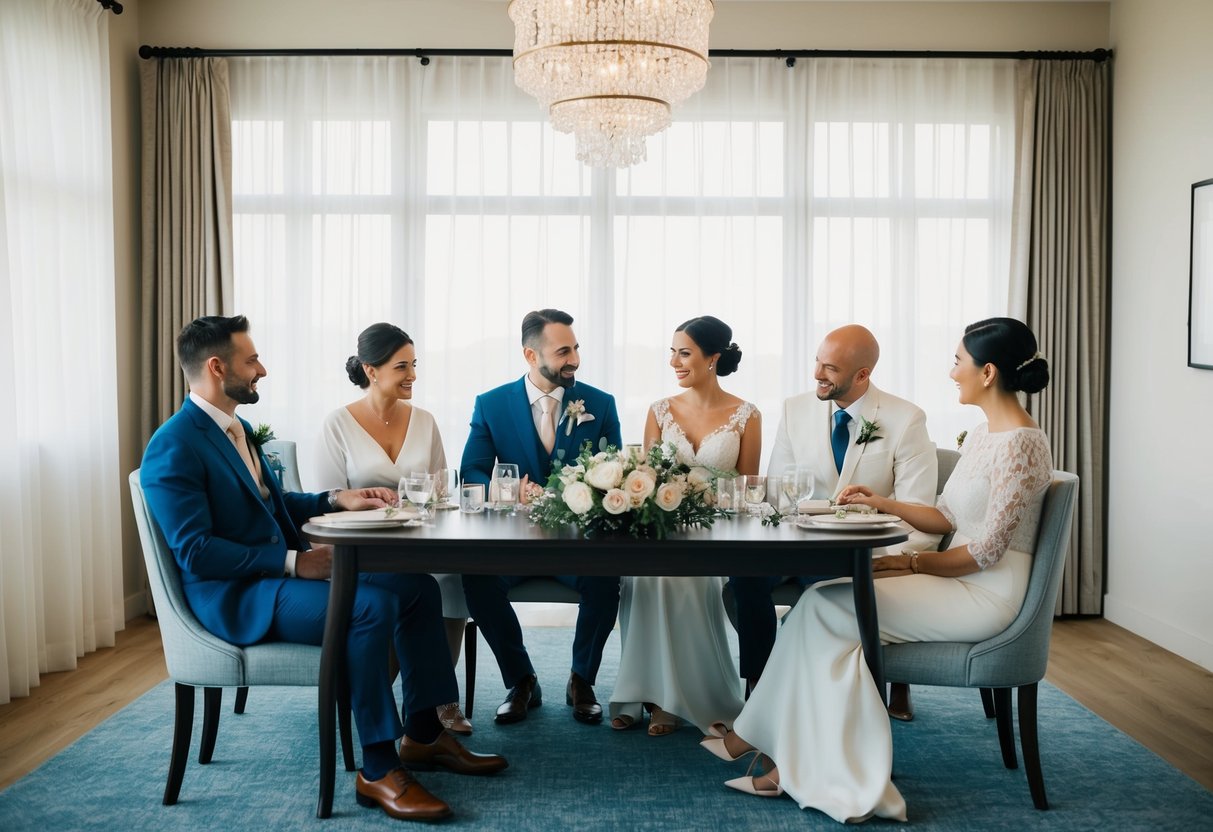
Planning a wedding involves various roles and responsibilities. Understanding who does what can help streamline the process and ensure everything runs smoothly. Here’s a breakdown of the key players involved in your special day.
The Wedding Planner
If you choose to hire a wedding planner, they become a crucial part of your team. Their expertise can guide you through the many decisions you’ll face. Planners help with budgeting, timelines, and vendor selection.
They can negotiate vendor contracts, such as the reception venue and officiant fee. This service often saves you money and time. A good planner also keeps communication clear among your family and friends to avoid misunderstandings.
You should discuss your vision and budget with them. This helps align expectations and ensures your wedding reflects your style. If you want to cut costs, a planner can suggest affordable options without compromising quality.
Family and Friends
Family and friends often play vital roles in the wedding process. Traditionally, the bride’s family covers certain expenses, but modern practices encourage everyone to contribute based on their financial situation.
Your family may assist with the wedding costs or help plan specific elements. For instance, they could take charge of decorations or even help coordinate the reception venue. Friends might participate in DIY projects or handle certain tasks on the day itself, like decorating or coordinating transportation.
Make sure to communicate clearly with your family about expectations. It’s important to keep everyone in the loop to prevent any surprises. Remember, their support can help ease some of the planning stress.
The Happy Couple
As the couple, you have the final say in all decisions. This includes selecting your wedding attire, setting the budget, and choosing the guest list.
You should work together to outline your priorities for the wedding and clarify financial responsibilities.
You might also need to secure the marriage license, a critical step in the process. Keep in mind that planning together strengthens your partnership.
Discuss any financial contributions from both families and openly talk about where you want to allocate funds.
Your involvement in every step ensures your wedding reflects your unique love story. Balancing your ideas with family input can lead to a more enjoyable planning experience.